
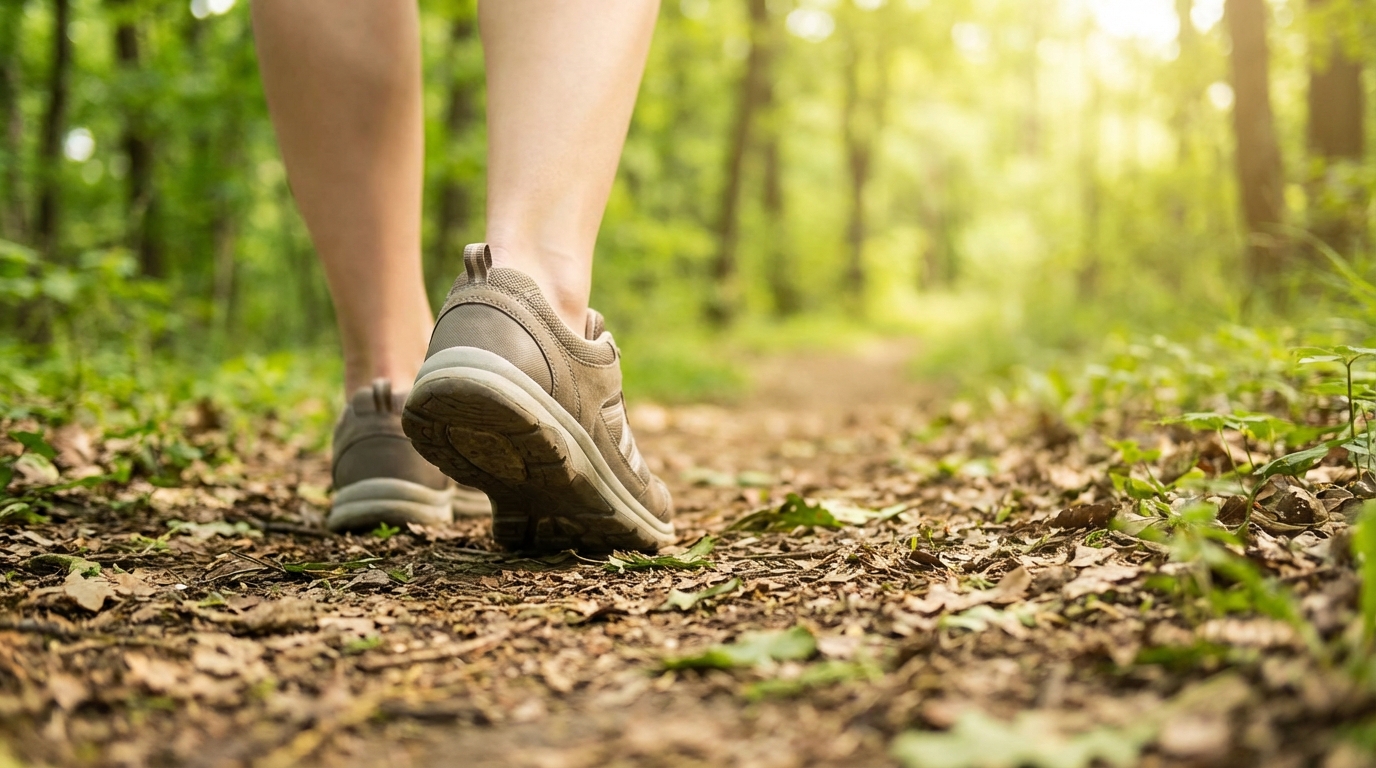
Stepping outside for a walk often feels different from moving indoors, even when the pace and effort are the same. The change in environment, light, air, and sounds can quickly shift how the body and mind respond. Many people describe outdoor walking as refreshing, calming, or energizing without needing to think much about why. These feelings are supported by a mix of physical reactions, mental shifts, and environmental factors working together.
Outdoor walking combines gentle exercise with constant sensory input. The body is active, but the mind is also receiving information from the surroundings, such as changing views, weather, and natural sounds. This combination helps explain why a simple walk outside can feel more satisfying than walking on a treadmill or pacing indoors. Understanding these effects can make it easier to appreciate why outdoor walking is often linked to better health and well-being.
The Role of the Senses in Outdoor Walking
Walking outside engages all five senses in a balanced and natural way. Vision takes in open spaces, moving clouds, trees, buildings, and people, giving the brain variety instead of repetition. Sounds like birds, wind, traffic, or distant voices create a sense of place and movement. Even subtle smells from grass, rain, or nearby food can trigger memory and emotion.
This steady flow of sensory input helps prevent mental boredom. Indoors, the environment often stays the same, which can make movement feel dull or tiring. Outdoors, the brain stays gently alert as it processes changing information. This alertness can feel refreshing rather than exhausting because it happens at a comfortable, natural pace.
Visual Variety and Natural Patterns
The eyes respond well to natural patterns such as leaves, water, and uneven landscapes. These patterns are complex but not overwhelming, allowing the brain to relax while staying engaged. Studies in environmental psychology suggest that natural scenes reduce eye strain and mental fatigue. This effect makes outdoor walking feel easier and more enjoyable over time.
Even urban environments offer visual changes that support attention. Storefronts, street art, and passing people provide variety and movement. When walking outdoors, the eyes shift focus often, which helps reduce stiffness and tension linked to staring at fixed screens.
Physical Benefits That Feel Immediate
Outdoor walking supports physical health in ways that are easy to notice. Muscles and joints move through more natural patterns as the body adjusts to uneven ground, small slopes, and turns. This movement encourages better balance and coordination than walking on flat indoor surfaces. Over time, these small adjustments strengthen stabilizing muscles.
Fresh air and open space can also make breathing feel deeper and more relaxed. People often walk a little longer outside without realizing it, simply because the experience feels pleasant. This extra movement supports heart health, circulation, and overall stamina.
Gentle Cardiovascular Support
Walking is a low-impact activity that raises the heart rate in a safe, steady way. Outdoor conditions, such as mild wind or slight hills, add natural challenges that improve cardiovascular fitness. These challenges are usually subtle, so they do not feel demanding or stressful.
Regular outdoor walking can help manage blood pressure and support healthy cholesterol levels. Because it feels enjoyable, people are more likely to keep it as a routine. Consistency is one of the most important factors in seeing physical benefits from any form of movement.
Mental Health Effects of Being Outdoors
Outdoor walking often brings a noticeable lift in mood. Natural light, movement, and a change of scenery work together to reduce feelings of stress and mental heaviness. Even short walks can interrupt negative thought patterns and provide a mental reset. This effect is especially helpful during busy or emotionally demanding days.
Being outside also creates a sense of space, both physically and mentally. Problems can feel smaller when viewed from a wider perspective. Walking allows thoughts to move freely without the pressure to solve anything right away.
Stress Reduction Through Movement
Stress triggers physical reactions such as muscle tension and shallow breathing. Walking helps release this tension by encouraging rhythmic movement and steady breathing. When combined with outdoor surroundings, the calming effect becomes stronger.
Green spaces, in particular, are linked to lower levels of stress hormones. Trees, parks, and water features signal safety and calm to the brain. This response is rooted in human evolution and remains active today.
Brain Chemistry and Emotional Balance
Walking stimulates the release of chemicals that support positive mood and mental clarity. These include endorphins, which reduce discomfort, and serotonin, which supports emotional balance. Outdoor light also plays a role in regulating these chemicals. Together, they create a sense of well-being that feels natural rather than forced.
This chemical response explains why outdoor walking can feel refreshing even when energy is low. The body receives gentle signals that support recovery and balance. Over time, regular walking can help stabilize mood and improve emotional resilience.
Focus, Memory, and Mental Clarity
Outdoor walking supports attention and memory by giving the brain breaks from constant stimulation. Instead of focusing on screens or tasks, the mind can wander in a healthy way. This mental wandering is linked to creativity and problem-solving.
Many people notice clearer thinking after a walk. Ideas may feel more organized, and decisions may seem easier. These effects are linked to improved blood flow to the brain and reduced mental fatigue.
Exposure to Nature and Its Unique Benefits
Nature offers benefits that go beyond simple exercise. Plants, trees, and open skies provide a sense of connection that indoor spaces cannot fully replicate. This connection can reduce feelings of isolation and improve overall life satisfaction. Even brief contact with nature has measurable positive effects.
Natural environments also support emotional regulation. They encourage slower breathing and a calmer heart rate. These physical changes support a more balanced emotional state throughout the day.
Green Spaces in Urban Areas
Urban parks and tree-lined streets provide many of the same benefits as wild natural areas. Small green spaces can act as mental rest stops during a busy day. They offer a break from noise, crowds, and visual clutter.
Access to green spaces is linked to better mental health across different age groups. Regular use of these spaces through walking supports both physical activity and emotional well-being. This makes outdoor walking valuable even in densely populated areas.
Sunlight and the Body Clock
Sunlight plays an important role in regulating the body’s internal clock, also known as the circadian rhythm. Exposure to natural light during the day helps signal when to feel alert and when to feel sleepy. Walking outside, especially in the morning or early afternoon, supports this natural rhythm.
Better alignment of the body clock can improve sleep quality. Improved sleep supports energy, mood, and immune function. This connection makes outdoor walking a helpful habit for overall daily balance.
Vitamin D and Physical Health
Sunlight helps the body produce vitamin D, which supports bone health and immune function. While short walks may not provide all needed vitamin D, they can contribute. This benefit is especially relevant for people who spend most of their time indoors.
Safe sunlight exposure during walking should be balanced with skin protection. Hats, shade, and appropriate clothing help manage exposure. The goal is gentle, regular contact with daylight rather than long periods in direct sun.
Fresh Air and Breathing Patterns
Outdoor air often feels fresher than indoor air, even in cities. Moving air helps disperse indoor pollutants that can build up in enclosed spaces. Breathing outside can feel easier and more natural, especially during steady walking.
Walking encourages deeper breathing, which supports oxygen flow throughout the body. This improved oxygen delivery supports muscle function and mental alertness. Over time, breathing patterns can become more relaxed and efficient.
Natural Movement and Body Awareness
Outdoor walking encourages natural movement patterns. The body responds to changes in terrain, direction, and pace without conscious effort. This responsiveness improves coordination and body awareness.
Indoor walking often limits these variations, which can make movement feel repetitive. Outdoors, the body stays engaged in a balanced way. This engagement helps reduce stiffness and supports long-term mobility.
Joint Health and Balance
Small adjustments during outdoor walking support joint health. Ankles, knees, and hips move through varied angles that strengthen supporting muscles. This variety can reduce the risk of imbalance over time.
Balance improves as the body learns to respond to uneven surfaces. These improvements are subtle but meaningful, especially for older adults. Regular outdoor walking supports confidence in everyday movement.
Social Connection and Community Awareness
Walking outside increases chances for light social interaction. Simple gestures like nodding, smiling, or greeting others can support a sense of connection. These brief interactions help reduce feelings of isolation.
Outdoor walking also increases awareness of the surrounding community. Observing daily life can create a sense of belonging and shared experience. This awareness supports emotional well-being in quiet but meaningful ways.
Creativity and Problem-Solving
Walking has long been linked to creative thinking. The gentle rhythm of movement supports idea generation without pressure. Outdoor environments add inspiration through changing scenery and natural elements.
Problems that feel stuck indoors may feel more flexible during a walk. The mind can explore different angles without distraction. This creative boost often feels refreshing rather than tiring.
Weather, Seasons, and Changing Experiences
Outdoor walking changes with the seasons, offering variety throughout the year. Cool air, warm sunlight, or light rain each create different sensory experiences. These changes keep walking interesting and engaging.
Seasonal changes also support emotional awareness. Observing shifts in nature can create a sense of time and continuity. This awareness supports mental grounding and appreciation of daily routines.
Building a Sustainable Walking Habit
Outdoor walking feels refreshing partly because it fits easily into daily life. It does not require special equipment or complex planning. This simplicity makes it easier to maintain over time.
When walking feels enjoyable, it becomes a habit rather than a task. The positive physical and mental feedback encourages regular participation. This ongoing cycle supports long-term health without pressure or strain.
Everyday Reasons Outdoor Walking Feels Good
Several factors work together to create the refreshing feeling associated with outdoor walking. These factors support both the body and the mind in practical ways. They include:
- Natural light that supports mood and sleep patterns
- Varied scenery that keeps the mind engaged
- Gentle physical activity that supports circulation
- Fresh air that encourages relaxed breathing
- Connection to nature or community spaces
Each of these elements adds to the overall experience without requiring extra effort. Together, they explain why outdoor walking often feels more rewarding than similar indoor activity. The experience supports health in a balanced, accessible way that fits into everyday life.