
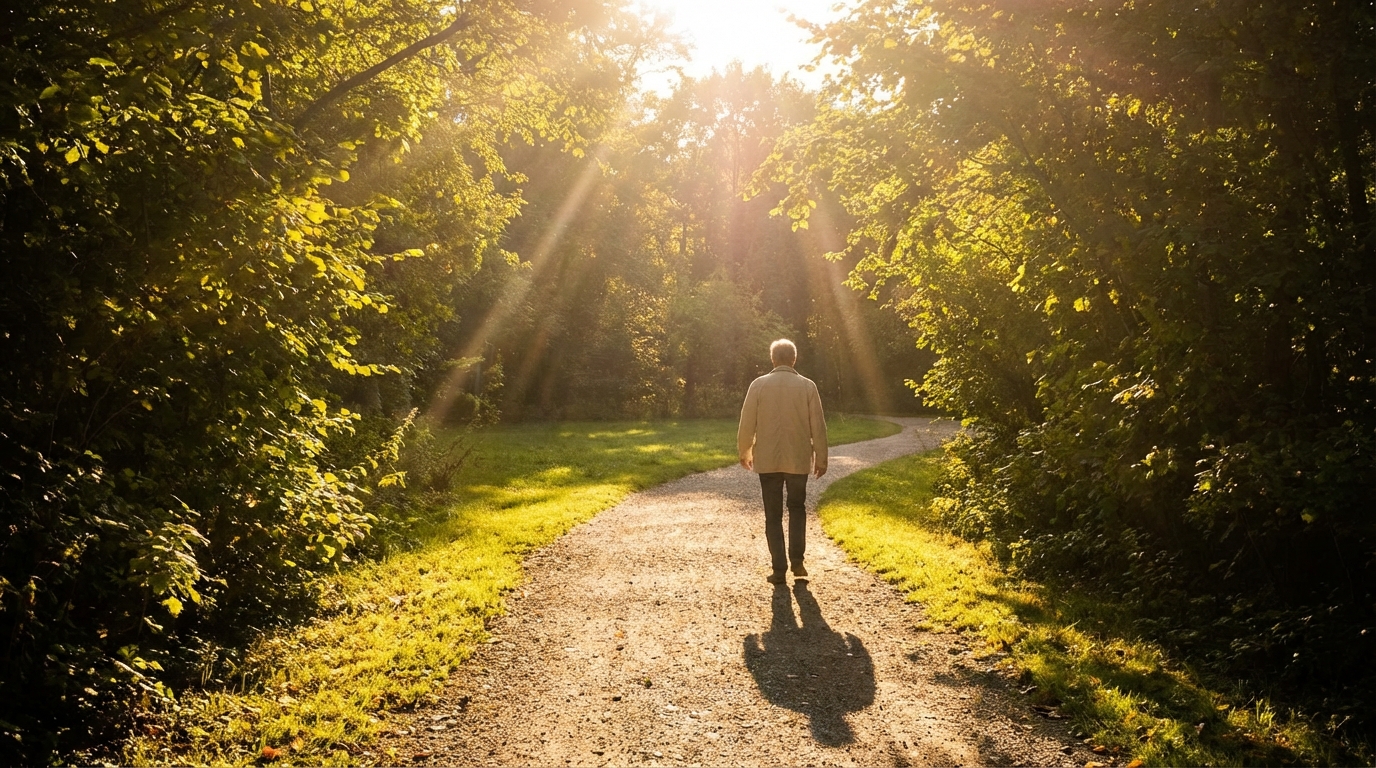
Walking outside often feels different from walking indoors, even when the pace and distance are similar. The change is not only about scenery or fresh air, but about how the body and mind respond to a natural setting. Outdoor walking combines movement with sensory input, environmental variety, and social context in ways that indoor walking usually cannot match. These factors work together to create physical and mental effects that feel distinct and often more rewarding.
The experience of outdoor walking has been shaped by human history, biology, and daily habits. For most of human life, walking happened outdoors as part of survival, work, and social life. Modern indoor spaces are relatively new by comparison. Understanding why outdoor walking feels different helps explain why many people describe it as more relaxing, energizing, or satisfying than walking inside.
Sensory Stimulation and the Outdoor Environment
One of the strongest differences between indoor and outdoor walking is the level of sensory stimulation. Outside, the senses are constantly receiving varied information, such as changing light, sounds, smells, and textures. These signals keep the brain engaged without demanding intense focus. This gentle stimulation often feels refreshing rather than tiring.
Indoor walking spaces tend to limit sensory input. Walls, artificial lighting, and repeated patterns reduce variation. While this can make movement predictable and controlled, it may also feel dull or mentally flat over time. The richer sensory environment outdoors helps explain why time can seem to pass more quickly during an outdoor walk.
Visual Variety and Depth
Outdoor spaces provide visual depth and movement that indoor spaces rarely offer. Trees sway, clouds move, and people or animals pass by at different distances. The eyes constantly adjust focus, which supports natural eye movement and visual processing. This variation can reduce eye strain and mental fatigue.
In contrast, indoor environments often rely on fixed distances and artificial surfaces. Visual repetition may cause the brain to disengage. Outdoor walking keeps visual attention lightly active, which many people experience as mentally refreshing rather than demanding.
Natural Sounds and Background Noise
Sounds outdoors often follow irregular patterns, such as birds, wind, or distant traffic. These sounds create a soft background that the brain does not need to interpret in detail. Research on sound perception suggests that natural noise can support relaxation and emotional balance.
Indoor walking areas may include mechanical noise, such as fans or music played on a loop. These sounds can feel intrusive or tiring over time. The more varied soundscape outdoors helps explain why outdoor walking often feels calmer, even in busy areas.
How the Brain Responds to Outdoor Walking
The brain responds differently to movement depending on the surrounding environment. Outdoor walking tends to activate areas linked to mood regulation, attention, and stress control. The combination of physical motion and environmental input supports balanced brain activity.
Indoor walking still provides physical benefits, but it may not engage the brain in the same way. The limited environment reduces opportunities for gentle mental stimulation. This difference plays a key role in how outdoor walking affects emotional well-being.
Attention Restoration
Outdoor environments often support a mental state known as soft attention. This type of attention allows the mind to wander while remaining aware of surroundings. It contrasts with focused attention, which is required for tasks like reading or problem-solving.
Soft attention helps reduce mental fatigue. During outdoor walks, the brain can recover from long periods of concentration. This is one reason many people feel clearer or more focused after walking outside.
Stress Hormones and Mood Signals
Physical movement helps regulate stress hormones, and outdoor settings may strengthen this effect. Exposure to natural elements has been linked to lower levels of stress-related chemicals in the body. Walking outside combines these effects in a simple, accessible activity.
Mood-related brain chemicals, such as those involved in pleasure and motivation, may also respond more strongly during outdoor walking. The feeling of space and movement can support a more positive emotional state without requiring intense effort.
Physical Movement Feels Different Outdoors
The body moves differently outdoors compared to indoors. Uneven surfaces, gentle slopes, and natural obstacles encourage subtle changes in posture and muscle use. These small adjustments engage stabilizing muscles and support balanced movement.
Indoor walking surfaces are usually flat and predictable. While this reduces injury risk, it also limits movement variety. Outdoor walking offers a more dynamic physical experience that many people perceive as more natural.
Joint and Muscle Engagement
Outdoor terrain encourages varied stride length and foot placement. This variation can reduce repetitive stress on joints. It also helps activate muscles that support balance and coordination.
Indoor walking often repeats the same motion over and over. While efficient, this repetition can feel mechanical. Outdoor movement tends to feel smoother and more responsive to the body’s natural rhythm.
Posture and Natural Gait
Walking outside often leads to a more upright posture. Visual focus shifts to the horizon instead of a fixed point nearby. This encourages natural alignment of the spine and head.
Indoor walking may involve looking down or straight ahead at close range. Over time, this can affect posture. The open visual field outdoors supports a more relaxed and balanced gait.
Sunlight and Circadian Rhythm
Exposure to natural light plays a key role in how the body feels during and after walking. Sunlight helps regulate the internal clock that controls sleep, energy, and hormone release. Outdoor walking increases exposure to this important signal.
Indoor lighting, even when bright, does not fully replicate the effects of sunlight. The difference in light quality affects how alert or relaxed the body feels. This helps explain why outdoor walks can feel energizing during the day.
Vitamin D and Physical Health
Sunlight exposure supports vitamin D production in the skin. Vitamin D plays a role in bone health, immune function, and muscle performance. Regular outdoor walking can contribute to maintaining healthy levels.
Indoor walking does not provide this benefit. While supplements can help, natural sunlight offers additional cues that support overall well-being.
Sleep-Wake Balance
Daytime exposure to natural light helps reinforce healthy sleep patterns. Outdoor walking during daylight hours sends clear signals to the brain about the time of day. This can support better sleep quality at night.
Indoor environments often blur these signals. Outdoor walking helps restore a natural rhythm that supports both physical and mental health.
Breathing and Air Quality
Breathing patterns often change during outdoor walking. Fresh air and open spaces encourage deeper, more relaxed breathing. This supports oxygen delivery and helps reduce feelings of tension.
Indoor air can feel stale or recycled, even in well-ventilated spaces. The sensation of fresh air outdoors contributes to the feeling that walking outside is more refreshing.
Temperature and Humidity Effects
Outdoor temperatures vary, which encourages the body to adjust breathing and circulation. Mild changes in temperature can stimulate alertness and comfort. This dynamic environment keeps the body engaged.
Indoor environments often maintain a steady temperature. While comfortable, this stability may reduce sensory engagement. Outdoor variation adds to the sense of vitality during a walk.
Smells and Emotional Response
Outdoor smells, such as grass, soil, or rain, can trigger emotional responses linked to memory. These subtle cues add depth to the walking experience. They often go unnoticed but still affect mood.
Indoor spaces usually lack this range of smells. The richer scent environment outdoors contributes to the feeling of being present and aware.
Psychological Freedom and Sense of Space
Outdoor walking often provides a sense of freedom that indoor walking cannot match. Open spaces reduce feelings of confinement. This sense of space supports relaxation and emotional ease.
Walls and ceilings can create a sense of limitation, even when unnoticed. Outdoor environments remove these boundaries, allowing the mind to feel less restricted.
Perception of Distance and Time
Distance outdoors is often judged by landmarks rather than numbers. This can make walking feel less like a task and more like a journey. Time may feel less pressured as a result.
Indoor walking often involves counting laps or minutes. This can make the activity feel more mechanical. Outdoor walking shifts focus away from measurement and toward experience.
Autonomy and Choice
Outdoor walking offers choices, such as route changes or spontaneous stops. This sense of control supports motivation and enjoyment. Small decisions add variety to the experience.
Indoor walking spaces often limit choice. The freedom to adjust pace or direction outdoors contributes to a feeling of personal agency.
Social and Cultural Influences
Outdoor walking often connects people to their community. Seeing others walk, work, or relax creates a shared social environment. This can support a sense of belonging.
Indoor walking is often more isolated. Even in shared spaces, interaction may feel limited. Outdoor settings encourage subtle social awareness without requiring direct interaction.
Observation Without Interaction
Watching everyday activity outdoors can be comforting. People can observe without needing to engage. This light social presence supports emotional balance.
Indoor environments may feel either crowded or empty. Outdoor walking offers a middle ground that feels natural and unforced.
Cultural Meaning of Outdoor Movement
In many cultures, walking outside is linked to leisure, reflection, or community life. These associations influence how the activity feels. Cultural meaning adds emotional value to the experience.
Indoor walking is often linked to exercise or obligation. Outdoor walking benefits from broader, more positive associations.
Weather and Adaptation
Weather adds an element of unpredictability to outdoor walking. Changes in wind, temperature, or light require small adjustments. This adaptability keeps the body and mind engaged.
Indoor environments remove weather from the experience. While this increases comfort, it also removes a layer of stimulation that many people find rewarding.
Seasonal Changes
Each season alters the outdoor walking experience. Colors, smells, and temperatures shift over time. These changes prevent routine from becoming stale.
Indoor walking remains mostly the same year-round. Outdoor variation helps maintain interest and motivation.
Resilience and Comfort Range
Walking in different weather conditions can build physical and mental resilience. The body learns to stay comfortable across a wider range of conditions. This adaptability supports overall health.
Indoor walking does not offer this challenge. Outdoor walking gently expands the comfort zone without extreme stress.
Motivation, Habit, and Enjoyment
Enjoyment plays a major role in maintaining regular physical activity. Outdoor walking often feels less like exercise and more like a break. This increases the likelihood of long-term consistency.
Indoor walking may feel repetitive or forced for some people. The enjoyment factor outdoors supports habit formation without relying on strict discipline.
Intrinsic Motivation
Outdoor walking often provides immediate rewards, such as pleasant views or fresh air. These rewards are built into the activity. This supports motivation that comes from enjoyment rather than obligation.
Indoor walking may rely more on external goals. Outdoor walking naturally reinforces itself through experience.
Routine Without Monotony
Outdoor routes can vary even when starting from the same place. Small changes prevent boredom. This keeps routine flexible and engaging.
Indoor routines often repeat exactly. Outdoor walking balances structure with variety.
Urban and Natural Outdoor Settings
Not all outdoor walking experiences are the same. Urban and natural settings offer different benefits. Both can feel different from indoor walking in meaningful ways.
The key difference lies in how each environment stimulates the senses and emotions. Understanding these differences helps explain personal preferences.
Urban Walking Experiences
Urban walking provides visual interest through architecture and activity. The pace of city life adds energy. This can feel stimulating and motivating.
Urban environments still offer open air and natural light. These elements support the benefits of outdoor walking even in busy areas.
Nature-Based Walking
Natural settings emphasize calm and sensory softness. Green spaces reduce visual clutter. This supports relaxation and stress reduction.
Nature-based walking often feels slower and more reflective. The absence of constant activity allows deeper mental rest.
Long-Term Physical and Mental Pathways
Over time, the differences between indoor and outdoor walking can influence health patterns. Outdoor walking supports consistent movement through enjoyment. Consistency is key for long-term benefits.
The combined physical, mental, and emotional effects create a feedback loop. Feeling better encourages more movement, which further supports well-being.
Cumulative Mental Health Effects
Regular outdoor walking can support emotional balance over time. Small reductions in stress add up. Mental clarity and mood stability may improve gradually.
Indoor walking supports physical fitness but may lack these layered mental effects. Outdoor walking integrates both aspects more fully.
Physical Adaptation and Aging
Varied movement supports balance and coordination. These skills become more important with age. Outdoor walking naturally trains them.
Indoor walking remains valuable, especially for safety and access. Outdoor walking adds complementary benefits that support long-term mobility.