
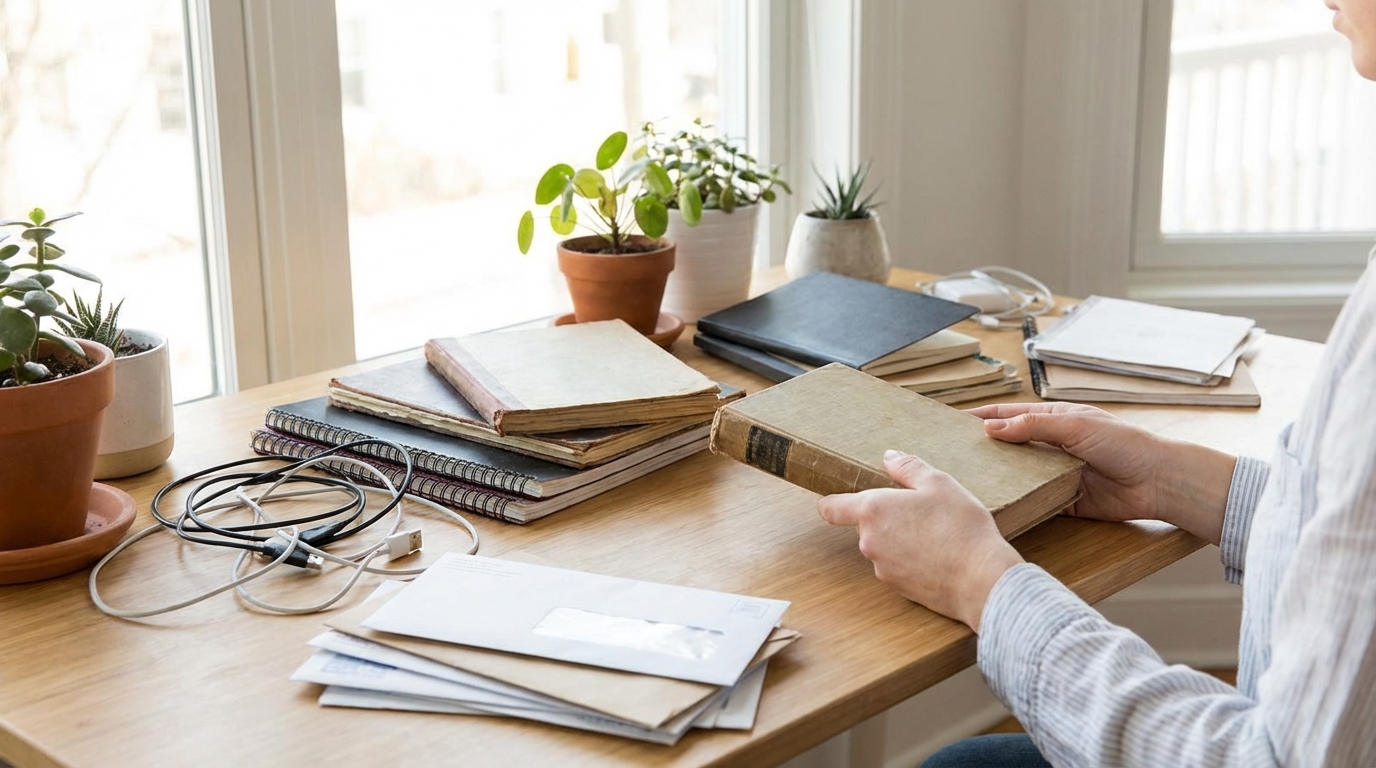
Many people notice a heavy feeling when rooms are crowded with objects, shelves are packed, and surfaces are rarely clear. This feeling is not just about looks or personal taste. Excess items can quietly add stress by competing for attention, time, and emotional energy inside the home. Understanding why too much stuff feels overwhelming helps explain why clutter often affects mood, focus, and daily comfort.
Indoor environments shape how the brain processes information and how the body reacts to stress. Homes are meant to support rest, routine, and recovery from outside demands. When spaces become overloaded with possessions, that support can weaken, making everyday tasks feel harder than they need to be.
The psychology of clutter
Clutter affects the mind before it affects behavior. The human brain is built to notice objects, patterns, and changes in the environment. When there are too many items in view, the brain must work harder to decide what matters and what can be ignored.
This extra mental effort can raise stress levels even when a person is not aware of it. Over time, the constant need to filter visual information may reduce mental clarity and make it harder to relax at home. The space that should feel safe and calm can begin to feel demanding instead.
Cognitive load and attention
Cognitive load refers to how much information the brain is processing at any given moment. A room filled with objects increases this load because each item competes for attention. Even familiar belongings can pull focus when they are visible and numerous.
As cognitive load rises, attention becomes scattered. Simple activities like reading, talking, or resting may feel less satisfying because the mind keeps drifting. This can create a sense of mental clutter that mirrors the physical clutter in the room.
Decision fatigue at home
Every object represents a choice, whether it is deciding where to put it, whether to use it, or whether to keep it. When there are many possessions, the number of small decisions increases throughout the day. This can lead to decision fatigue, where mental energy is drained by repeated choices.
Decision fatigue makes it harder to start tasks, plan meals, or maintain routines. The home, instead of reducing daily demands, can add to them. Over time, this can create a background level of stress that feels hard to explain.
Physical space and movement
Excess items do not only affect the mind; they also change how people move through a space. Crowded rooms can limit walking paths, restrict storage, and make cleaning more difficult. These physical barriers can add friction to everyday actions.
When movement feels restricted, the body may stay slightly tense. Simple tasks like reaching for an item or sitting down can require extra effort. This ongoing physical adjustment can contribute to feelings of discomfort and irritation.
Visual noise and spatial pressure
Visual noise describes how busy a space looks to the eye. Bright colors, mixed textures, and overlapping objects all add to this effect. Even when items are useful, too many of them together can overwhelm the senses.
Visual noise can make rooms feel smaller and more crowded than they actually are. This sense of pressure may lead to restlessness or the urge to leave the space. Over time, people may avoid certain rooms because they feel uncomfortable without knowing exactly why.
The hidden work of maintenance
Every possession requires some level of care, whether it needs cleaning, organizing, repairing, or storing. As the number of items grows, so does the amount of maintenance work. This work often goes unnoticed until it becomes overwhelming.
The awareness of unfinished maintenance tasks can linger in the mind. Even when nothing is actively being cleaned or fixed, the knowledge that it needs attention can create low-level stress. This can make it harder to fully relax at home.
Emotional ties to belongings
Objects often carry emotional meaning tied to memories, relationships, or personal identity. These emotional connections can make it difficult to let go of items, even when they no longer serve a practical purpose. The emotional weight of possessions can add another layer of stress.
When many emotionally charged items fill a space, they can trigger frequent emotional responses. These responses may be positive, negative, or mixed, but they still demand energy. The home can become a place of emotional stimulation rather than emotional rest.
Identity and self-image
Belongings often reflect who someone believes they are or hopes to be. Hobbies, books, clothing, and tools can represent interests and goals. When these items accumulate beyond what is used, they can become reminders of unmet expectations.
Seeing unused items linked to identity may create pressure or guilt. Instead of inspiring action, they can highlight the gap between intention and reality. This emotional tension can contribute to feelings of overwhelm.
Guilt and obligation
Many items are kept out of guilt, such as gifts, inherited belongings, or expensive purchases. The idea of wasting money or hurting someone’s feelings can make it hard to release these objects. Over time, guilt can attach itself to physical space.
This sense of obligation can turn the home into a storage place for emotional burdens. Each item may quietly remind its owner of a decision or relationship. The accumulation of these reminders can increase emotional stress.
Time and attention drains
Clutter often steals time in small, repeated ways. Searching for items, moving things out of the way, and reorganizing piles can add up. These lost moments can make days feel more rushed and less controlled.
When time feels scarce, stress tends to rise. The home environment plays a key role in either supporting efficiency or undermining it. Too much stuff often pushes the balance in the wrong direction.
Searching and re-searching
In cluttered spaces, items are less likely to have clear, consistent homes. This increases the time spent searching for everyday objects like keys, paperwork, or tools. Repeated searching can be frustrating and mentally draining.
The interruption caused by searching breaks concentration. Tasks take longer to complete, and patience wears thin. Over time, this pattern can create a constant feeling of being behind.
Procrastination and avoidance
Clutter can make tasks look bigger and more complicated than they are. When a space is crowded, starting an activity may feel daunting because of the extra steps involved. This can lead to procrastination and avoidance.
Avoided tasks tend to linger in the mind. The awareness of unfinished business can increase stress even during rest. The physical clutter feeds mental clutter, creating a repeating cycle.
Stress responses in the body
The body responds to environmental stressors even when the mind does not label them as stress. Busy, crowded spaces can activate the nervous system. This can lead to subtle but ongoing physical stress responses.
Over time, these responses may affect energy levels, mood, and overall well-being. The home environment plays a larger role in physical stress than many people realize.
Cortisol and constant stimulation
Cortisol is a hormone released in response to stress. While it is useful in short bursts, consistently elevated levels can be harmful. Constant visual and mental stimulation from clutter may contribute to higher baseline cortisol.
Elevated cortisol can make it harder to relax, focus, and feel calm. This can create a sense of being “on edge” at home. The body may struggle to shift into a restorative state.
Impact on sleep and rest
Bedrooms filled with excess items can interfere with rest. Visual clutter can keep the brain active when it should be winding down. This may make it harder to fall asleep or stay asleep.
Poor sleep increases sensitivity to stress the next day. This creates a feedback loop where clutter affects sleep, and lack of sleep makes clutter feel even more overwhelming. The indoor environment becomes part of a larger stress pattern.
How different rooms are affected
Each room in a home serves a different purpose, and clutter affects them in unique ways. Understanding these differences helps explain why certain spaces feel more stressful than others. Function and clutter interact closely.
When the function of a room is blocked by excess items, frustration often follows. The mismatch between purpose and reality adds to mental strain.
Kitchens and daily demand
Kitchens are high-use areas that support daily routines like cooking and eating. Excess items on counters and in cabinets can slow these routines. This can make meal preparation feel like a chore rather than a basic activity.
Because kitchens are used multiple times a day, clutter here can create repeated stress. Each interaction reinforces the feeling of overload. Over time, this can affect eating habits and family interactions.
Bedrooms and personal space
Bedrooms are meant for rest, privacy, and recovery. Clutter in this space can interfere with all three. Piles of clothing, unused furniture, or stored items can reduce the sense of calm.
When personal space feels crowded, emotional boundaries may feel weaker. This can increase irritability and reduce the quality of rest. The bedroom may stop feeling like a retreat.
Digital clutter indoors
Clutter is not limited to physical objects. Digital items such as files, emails, and notifications also occupy mental space. Because much digital activity happens indoors, it contributes to the same sense of overload.
Digital clutter can be harder to see, but its effects are real. Constant alerts and disorganized files keep the brain in a reactive state.
Notifications and constant interruption
Phones, tablets, and computers bring digital clutter into the home. Frequent notifications interrupt attention and pull focus away from the present moment. This can prevent full engagement with rest or family time.
When digital interruptions are layered on top of physical clutter, stress can multiply. The mind has little chance to settle. The home environment becomes less predictable and less restful.
Disorganized digital storage
Messy digital folders and overflowing inboxes create similar problems to physical clutter. Searching for files or messages can be time-consuming and frustrating. This adds to cognitive load.
The awareness of digital disorder can linger in the background. Even when not actively using devices, the knowledge of unfinished digital organization can add stress. Indoor spaces filled with screens amplify this effect.
Social and family dynamics
Clutter can affect relationships within the home. Shared spaces require compromise and communication. When items accumulate, tension may arise over ownership, responsibility, and use of space.
These tensions can add emotional stress to the physical stress of clutter. The home environment influences how people interact with each other.
Shared spaces and conflict
Living rooms, kitchens, and bathrooms are often shared by multiple people. When clutter builds up, it can lead to disagreements about cleaning and organization. These conflicts may repeat over time.
Repeated conflict can make shared spaces feel uncomfortable. People may withdraw or avoid common areas. This can reduce connection and increase stress.
Expectations and invisible labor
Clutter often creates invisible labor, such as mental tracking of where things are and what needs attention. This labor is not always evenly shared. Unequal expectations can cause resentment.
The emotional weight of managing clutter can strain relationships. Stress may be expressed through frustration or withdrawal. The physical environment plays a role in these emotional dynamics.
Cultural and societal influences
Broader cultural forces influence how much people own and how they feel about it. Advertising, trends, and social norms often encourage accumulation. These influences shape indoor environments over time.
Understanding these pressures helps explain why excess stuff is common. The stress it causes is not just a personal issue, but part of a larger context.
Consumer culture and abundance
Modern consumer culture promotes frequent purchasing and constant upgrades. Items are marketed as solutions to problems or paths to happiness. This can lead to owning more than is needed.
As possessions accumulate, the promise of satisfaction may fade. Instead, the volume of items can become a source of stress. The indoor environment reflects these cultural patterns.
Scarcity mindset and keeping everything
Some people hold onto items due to fear of needing them later. This scarcity mindset can develop from past experiences or uncertainty about the future. It encourages keeping items “just in case.”
While this mindset aims to provide security, it can have the opposite effect. Excess items create visual and mental noise. The sense of safety may be replaced by constant overwhelm.
Common signs that stuff is causing overwhelm
Overwhelm from excess items does not always appear as obvious stress. It often shows up through patterns and feelings that seem unrelated at first. Recognizing these signs can clarify the connection between environment and stress.
The following experiences are commonly linked to living with too much stuff indoors.
- Feeling irritated or tired at home without a clear reason
- Avoiding certain rooms or surfaces
- Difficulty focusing on simple tasks
- Feeling guilty when noticing piles of belongings
- Spending extra time searching for everyday items
These signs often build gradually. Because they feel normal or familiar, they may be overlooked. Understanding their link to excess items helps explain why the indoor environment can feel so heavy.
Why the feeling builds over time
Overwhelm from too much stuff rarely appears all at once. It usually develops as items slowly accumulate. Each addition may seem small, but the combined effect grows.
The gradual nature of this buildup makes it harder to notice. The environment changes little by little, while stress increases quietly. This slow shift can make overwhelm feel confusing and hard to pinpoint.
Adaptation and lowered awareness
People adapt quickly to their surroundings. This means clutter can become “invisible” even while it continues to affect the brain. Adaptation lowers awareness but does not remove impact.
Because of this, stress may be attributed to other causes. The role of the indoor environment may remain hidden. This can delay understanding of why the space feels draining.
Accumulation without release
Many homes experience steady inflow of items but little outflow. Gifts, purchases, and saved objects add up. Without regular release, spaces become more crowded.
As accumulation continues, the effort required to address it increases. The task can start to feel too big to face. This perception adds to feelings of overwhelm.