
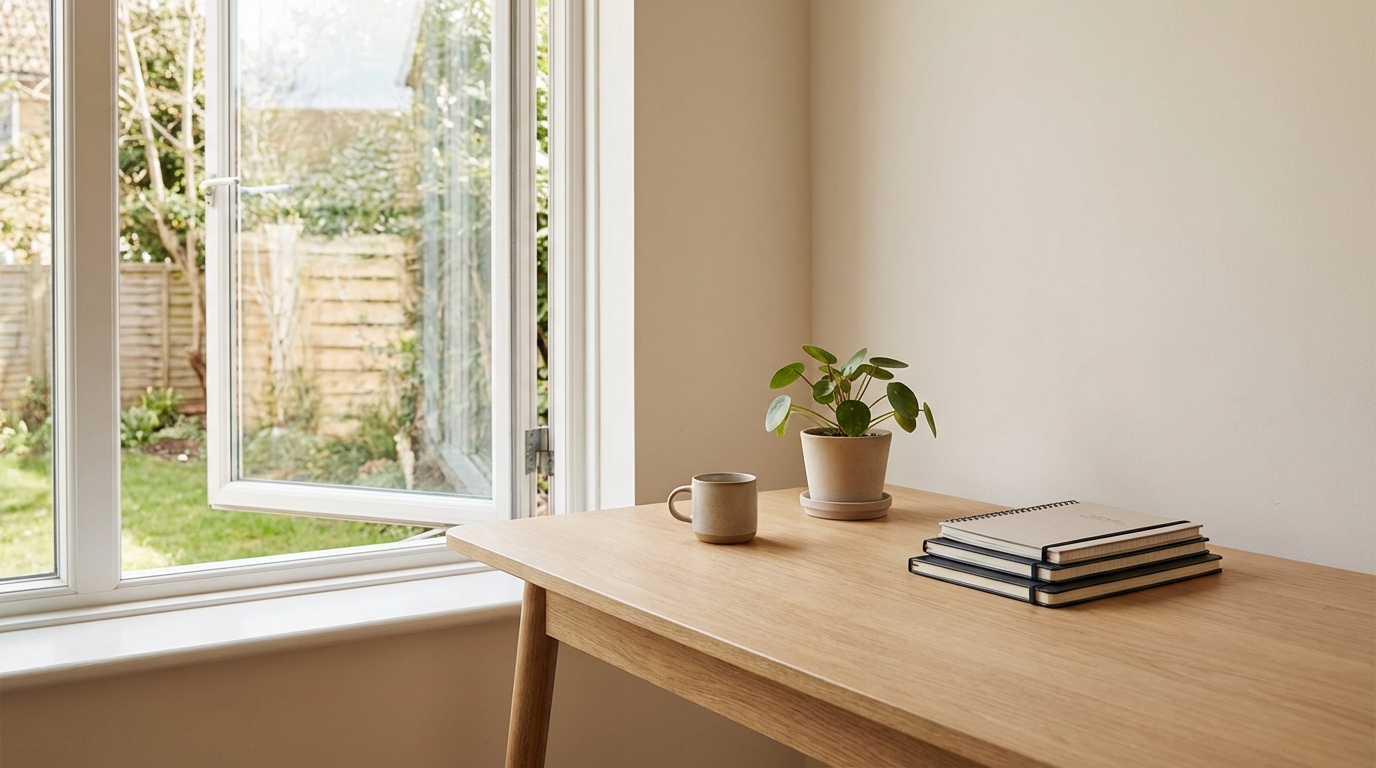
Living spaces shape daily moods, habits, and energy levels in quiet but powerful ways. When rooms feel crowded or chaotic, the mind often mirrors that feeling with tension and distraction. Simple layouts focus on clarity, balance, and ease of use, which can lower mental strain during everyday activities. By looking closely at how uncluttered room design works, it becomes easier to understand why simplicity often feels calming.
The Link Between Environment and Stress
Stress is not only caused by work schedules or personal worries. Physical surroundings also play a role in how the body and mind respond to daily demands. When a room is filled with visual noise, the brain must work harder to process what it sees, which can increase fatigue and irritation. Simple layouts reduce this extra effort by limiting distractions and creating a sense of order.
Indoor environments send constant signals to the nervous system. Tight spaces, poor flow, and cluttered surfaces can trigger a low-level alert response, even when no real danger is present. Over time, this background stress can add up and affect sleep, focus, and mood. A simpler layout supports a calmer baseline by allowing the mind to rest.
How Visual Clutter Affects the Brain
Visual clutter includes too many objects, patterns, or colors competing for attention at once. The brain naturally tries to organize what it sees, and excess items make this task harder. This can lead to feelings of overwhelm, especially after long days filled with information and screens. Simple layouts limit visual input and make it easier for the brain to relax.
Research in environmental psychology shows that cluttered spaces can reduce the ability to focus and increase stress hormones. Even when a person is not aware of the clutter, the brain still processes it. Clear surfaces and open areas reduce this hidden mental workload. As a result, people often feel calmer and more in control in simple rooms.
Attention and Cognitive Load
Cognitive load refers to how much mental effort is used at a given time. Rooms with many items, decorations, and furniture pieces raise cognitive load by demanding constant attention. This can make simple tasks feel tiring or frustrating. A clean layout lowers cognitive load, freeing mental energy for rest or meaningful activities.
When attention is not pulled in many directions, it becomes easier to focus on one thing at a time. This is especially helpful in spaces used for reading, working, or relaxing. Simple layouts support sustained attention without forcing the brain to filter out distractions. Over time, this can improve mental clarity and emotional balance.
The Comfort of Predictable Spaces
Predictability in a room means that items are placed logically and consistently. Simple layouts often rely on clear pathways and familiar arrangements. This reduces the need to constantly think about where to move or where to find things. Predictable spaces help people feel safe and grounded.
When furniture and objects stay in expected places, the brain can operate on autopilot for basic movements. This lowers stress by reducing decision-making throughout the day. Even small choices, like navigating around furniture, add up mentally. A simple layout removes many of these small pressures.
Clear Pathways and Movement
Clear pathways allow easy movement through a room without obstacles. This is important for both physical safety and mental comfort. When movement feels smooth, the body stays relaxed and alert rather than tense. Simple layouts prioritize open walking areas and natural flow.
Blocked or narrow pathways can create subtle stress, especially in busy households. People may feel rushed or irritated without knowing why. Open layouts encourage slower, more mindful movement. This supports a calmer atmosphere throughout the space.
Minimal Furniture and Emotional Ease
Furniture choices have a strong impact on how a room feels. Too many pieces can make a space feel heavy and crowded. Simple layouts focus on essential furniture that serves clear purposes. This creates a sense of lightness and emotional ease.
When furniture is limited, each piece has room to breathe. This makes the space feel more open, even if the room is small. Emotional stress often rises in tight spaces, so reducing furniture can directly improve comfort. The result is a room that feels supportive rather than demanding.
Function Over Excess
Choosing furniture based on function helps prevent unnecessary clutter. Items that serve multiple purposes are especially helpful in simple layouts. This reduces the total number of objects while still meeting daily needs. Functional choices support both organization and peace of mind.
Excess furniture can create guilt or frustration when it is rarely used. Simple layouts avoid this by focusing on what truly adds value. This approach encourages intentional living and reduces emotional attachment to unused items. Over time, this can make letting go of clutter easier.
The Role of Color in Simple Layouts
Color strongly influences mood and stress levels. Simple layouts often use a limited color palette with soft or neutral tones. These colors are easier for the eyes to process and create a sense of harmony. Loud or clashing colors can raise energy levels in ways that are not always helpful.
Neutral backgrounds allow the mind to rest and make small accents stand out without overwhelming the senses. This balance supports calm focus and emotional stability. Simple color schemes also make rooms feel more organized. Even without changing furniture, adjusting colors can reduce stress.
Consistency and Calm
Using consistent colors across a room or home creates visual flow. This reduces the feeling of moving between separate, competing spaces. Simple layouts often repeat the same tones in walls, furniture, and decor. This repetition feels soothing and predictable.
Consistency does not mean boredom. Small changes in texture or shade can add interest without chaos. The key is to avoid sudden contrasts that demand attention. Calm color consistency supports relaxation and mental clarity.
Lighting and Open Space
Lighting plays a major role in how a space feels. Simple layouts often maximize natural light and avoid heavy visual barriers. Bright, open spaces signal safety and comfort to the brain. Poor lighting, on the other hand, can increase tension and fatigue.
Open space allows light to move freely through a room. This creates a sense of expansion and ease. Simple layouts avoid blocking windows or crowding light sources. As a result, the room feels more welcoming and less stressful.
Natural Light and Mood
Natural light supports healthy sleep patterns and emotional balance. Rooms with simple layouts often place seating and work areas near windows. This encourages regular exposure to daylight. Over time, this can reduce stress and improve overall well-being.
Heavy curtains, large furniture, or clutter near windows can block light and darken a room. Simple layouts keep these areas clear. This allows sunlight to become a natural part of the room’s design. The effect is subtle but powerful.
Storage Solutions That Support Simplicity
Effective storage is essential for maintaining a simple layout. When items have clear homes, surfaces stay clear and organized. This reduces visual clutter and daily frustration. Simple layouts rely on smart storage rather than hiding chaos.
Storage that is easy to access encourages consistent use. When putting things away feels simple, people are more likely to do it. This keeps the room calm over time. Stress decreases when messes do not pile up.
Hidden vs. Open Storage
Hidden storage, such as cabinets or drawers, helps reduce visual noise. Simple layouts often use closed storage for items that are used often but do not need to be seen. This keeps the focus on open space and key features. The brain responds well to fewer visible items.
Open storage can also work when used carefully. Displaying only a few meaningful items prevents clutter. Simple layouts balance hidden and open storage to maintain both function and calm. The goal is clarity, not emptiness.
Daily Routines and Simple Room Design
Rooms are not just for looking at; they support daily routines. Simple layouts make everyday tasks easier by reducing obstacles and confusion. When routines flow smoothly, stress naturally decreases. The environment works with the person, not against them.
Morning and evening routines are especially sensitive to room design. A cluttered space can make these times feel rushed or frustrating. Simple layouts support calm starts and gentle endings to the day. This sets a steady emotional tone.
Ease of Cleaning and Maintenance
Simple layouts are easier to clean and maintain. Fewer items mean fewer surfaces to dust and organize. This reduces the time and effort needed to keep a room in good shape. Lower maintenance leads to less ongoing stress.
When cleaning feels manageable, it is less likely to be delayed. This prevents mess from building up and becoming overwhelming. Simple layouts support consistency rather than perfection. This realistic approach helps maintain calm over time.
Psychological Safety and Personal Space
Feeling safe in a space is essential for relaxation. Simple layouts support psychological safety by avoiding overcrowding and confusion. Clear boundaries and open areas allow people to feel in control. This sense of control lowers stress responses.
Personal space is not only about room size but also about layout. Even small rooms can feel safe when designed simply. The absence of clutter allows the mind to settle. This supports emotional comfort and stability.
Ownership and Intentional Choices
Simple layouts encourage intentional choices about what enters a room. Each item is selected with purpose, which builds a sense of ownership. This makes the space feel personal without being overwhelming. Emotional connection replaces stress.
Intentional design reduces regret and second-guessing. When items are chosen carefully, there is less desire to constantly change or add more. This creates lasting satisfaction with the space. Calm grows from contentment.
Key Elements Commonly Found in Simple Layouts
While every home is different, simple layouts often share certain elements. These features work together to reduce stress and support comfort. Understanding these elements helps explain why simplicity feels so effective. The following list highlights common traits.
- Clear surfaces with minimal decorative items.
- Furniture arranged to support easy movement.
- Limited color palettes with consistent tones.
- Balanced use of storage to reduce clutter.
- Open access to natural and artificial light.
These elements are not strict rules but helpful guidelines. They can be adapted to different styles and needs. The focus is on reducing excess and supporting ease. Small changes in these areas can make a noticeable difference.
Adapting Simple Layouts to Different Rooms
Simple layouts can be applied to any room in the home. Each room has unique needs, but the same principles apply. Reducing clutter, improving flow, and supporting function lower stress everywhere. Flexibility is key.
Living rooms, bedrooms, kitchens, and bathrooms all benefit from thoughtful simplicity. The approach may look different in each space. What matters is how the room supports its main purpose. Stress decreases when design matches use.
Bedrooms and Restful Design
Bedrooms are especially important for stress reduction. Simple layouts in bedrooms focus on rest, not storage or display. Clear nightstands, limited furniture, and soft lighting support sleep. The room becomes a place of recovery.
Removing unnecessary items from the bedroom reduces mental stimulation. This helps the brain shift into rest mode more easily. Simple layouts also make bedtime routines smoother. Better sleep supports lower stress overall.
Kitchens and Daily Efficiency
Kitchens are often busy and prone to clutter. Simple layouts improve efficiency by keeping tools and ingredients easy to find. Clear counters make food preparation less stressful. The space feels more welcoming and functional.
When kitchens are organized simply, cooking becomes more enjoyable. Fewer distractions allow focus on the task at hand. This can turn daily chores into calmer experiences. Stress decreases when effort feels manageable.