
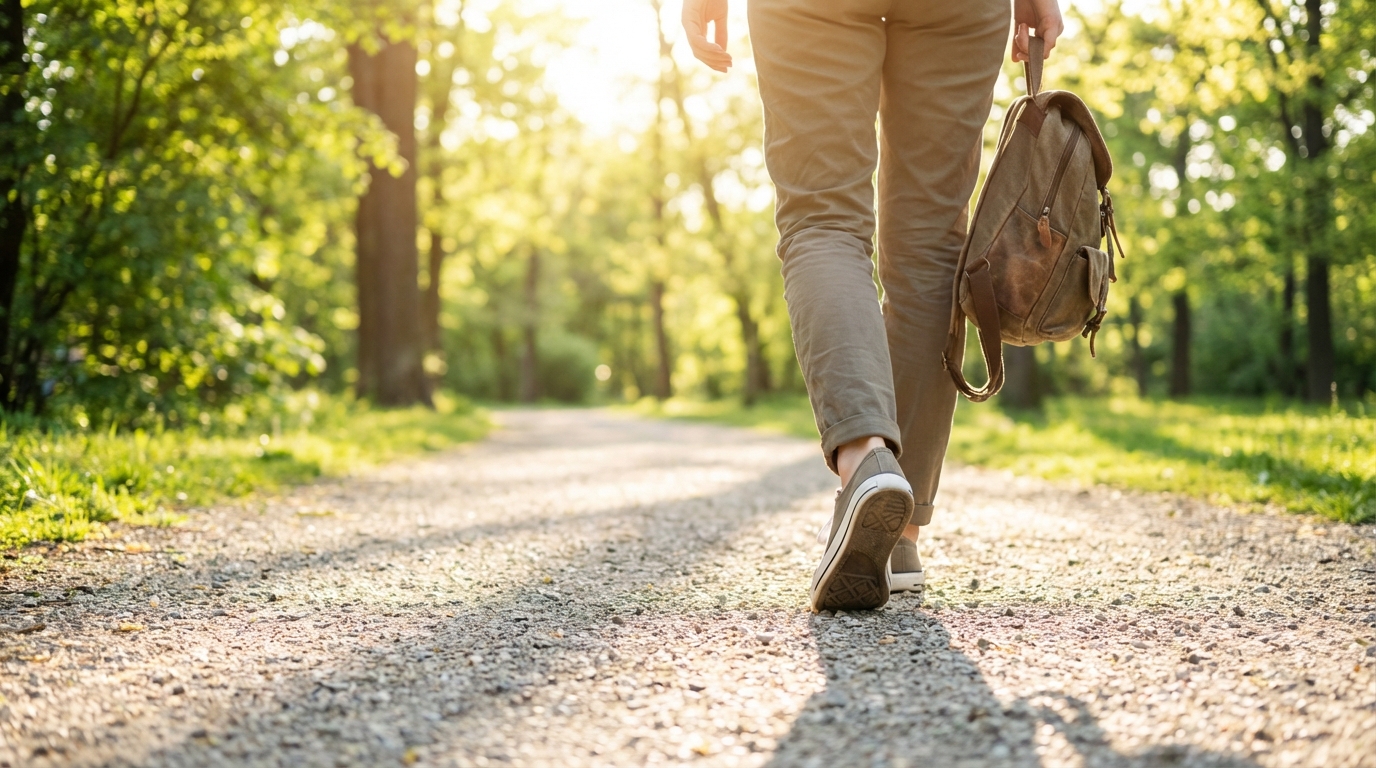
Feeling low on energy is a common experience, especially during busy workdays or long periods spent indoors. Many people look for quick solutions like caffeine or sugary snacks, but these often provide only a short lift followed by a crash. Short outdoor walks offer a simple and natural way to feel more awake and focused. Even brief time spent walking outside can make a noticeable difference in alertness and mental clarity.
This article explores why short outdoor walks are so effective at boosting energy. It looks at how the body and brain respond to movement, fresh air, and natural light. The focus stays on brief walks that fit easily into daily life, such as a ten-minute stroll during a break. By understanding the science and practical benefits, it becomes easier to see why this small habit can have a big impact.
The Connection Between Movement and Energy
The human body is designed to move regularly throughout the day. When the body stays still for long periods, blood flow slows and muscles become less active. This can lead to feelings of tiredness, stiffness, and mental fog. A short walk helps reverse these effects by gently activating muscles and increasing circulation.
Movement signals the body to deliver more oxygen and nutrients to tissues, including the brain. As blood flow increases, the brain receives more oxygen, which supports alert thinking and faster reactions. Even a few minutes of walking can wake up systems that have been idling during sitting. This is one reason energy often feels higher right after a brief walk.
How Light Activity Stimulates the Nervous System
Walking is a form of light aerobic activity that stimulates the nervous system without exhausting it. Unlike intense exercise, which can temporarily drain energy, gentle movement creates a balanced response. Heart rate rises slightly, and breathing becomes deeper but still comfortable.
This level of stimulation helps the nervous system shift from a sluggish state to a more alert one. The body releases small amounts of chemicals that support wakefulness and motivation. Because the effort is mild, the body does not interpret it as stress, making short walks especially helpful during the workday.
The Role of Fresh Air in Boosting Alertness
Stepping outside often means breathing fresher air compared to indoor environments. Indoor air can be stale, especially in offices or homes with limited ventilation. Fresh outdoor air usually contains higher oxygen levels and fewer indoor pollutants. This change in air quality can have a noticeable effect on how alert a person feels.
Breathing fresh air supports efficient oxygen exchange in the lungs. When more oxygen enters the bloodstream, the brain benefits directly. This can reduce feelings of heaviness in the head and improve concentration. The simple act of changing air environments can help reset mental energy.
Outdoor Air and Brain Function
The brain is highly sensitive to oxygen levels. Even small improvements in oxygen intake can support better attention and faster thinking. Outdoor environments also tend to have fewer artificial smells and chemical irritants, which can subtly affect comfort and focus.
Fresh air can also encourage deeper breathing. Many people breathe shallowly when sitting and concentrating indoors. Walking outside naturally promotes a steadier breathing rhythm, which helps calm the mind while keeping it alert.
Natural Light and the Body’s Energy Clock
Natural light plays a major role in regulating the body’s internal clock, also known as the circadian rhythm. This internal system helps control sleep, wakefulness, and energy levels throughout the day. Spending time outdoors exposes the eyes to brighter light than most indoor settings.
Even on cloudy days, outdoor light is much stronger than typical indoor lighting. This exposure sends signals to the brain that it is daytime, supporting alertness and reducing sleepiness. Short outdoor walks can be especially helpful during mid-morning or early afternoon, when energy often dips.
Daylight and Hormone Balance
Natural light affects the release of hormones linked to energy and sleep. Exposure to daylight helps regulate melatonin, the hormone that makes people feel sleepy. When melatonin levels are kept in check during the day, alertness improves.
Daylight also supports the healthy release of cortisol in the morning and early afternoon. Cortisol is often misunderstood, but in balanced amounts it helps maintain energy and focus. Short walks outside provide a gentle and natural way to support this balance.
Mental Refreshment Through Change of Scenery
Energy is not only physical; it is also mental. Staring at the same screen or walls for hours can lead to mental fatigue. A short outdoor walk offers a change of scenery that helps the mind reset. Trees, sky, buildings, and movement provide new visual input.
This change helps reduce mental overload. The brain gets a break from focused tasks and repetitive information. When returning from a short walk, many people find it easier to concentrate and feel more mentally awake.
Nature’s Effect on Attention
Natural environments, even small patches of greenery, have a calming yet refreshing effect on the brain. Research has shown that nature supports a type of attention that feels effortless. This allows the mind to recover from intense focus.
Urban outdoor settings can also help, especially when they include open space and natural light. The key factor is stepping away from enclosed indoor spaces. This mental shift contributes to improved alertness after the walk ends.
Short Walks Versus Long Exercise Sessions
Long exercise sessions have many health benefits, but they are not always practical during the day. Short outdoor walks are different because they fit into small breaks. A walk lasting five to fifteen minutes can still deliver meaningful energy benefits.
These brief walks do not require special clothing or recovery time. Because they are easy to repeat, they can be used multiple times a day. This makes them especially useful for maintaining steady energy rather than relying on one intense workout.
Why Short Duration Still Works
The body responds quickly to changes in movement, light, and air. Energy systems begin adjusting within minutes of activity. This is why even a short walk can lead to noticeable improvements in alertness.
Consistency matters more than length for daily energy. Several short walks spread throughout the day can be more effective than one long session. This approach helps prevent energy slumps before they become severe.
How Short Outdoor Walks Improve Focus at Work or School
Many people experience a drop in focus after long periods of sitting and mental effort. Short outdoor walks can interrupt this pattern in a positive way. By briefly stepping away, the brain gets a chance to reset and refocus.
Walking outside also creates a clear boundary between tasks. This makes it easier to return with a sense of purpose and renewed attention. Over time, this habit can support better productivity and mental stamina.
Movement Breaks and Cognitive Performance
Light movement increases the delivery of glucose and oxygen to the brain. These are key fuels for thinking and problem-solving. As a result, cognitive tasks often feel easier after a walk.
Outdoor walks add the extra benefit of sensory stimulation without overload. Sounds like wind or distant traffic provide gentle background input. This can help keep the brain engaged without being distracting.
Emotional Energy and Mood Support
Energy levels are closely tied to mood. Feeling stressed, bored, or overwhelmed can drain energy quickly. Short outdoor walks can help lift mood in subtle but important ways.
Walking encourages the release of chemicals in the brain that support positive feelings. Being outdoors also reduces feelings of confinement. Together, these effects can make energy feel more stable and accessible.
Stress Reduction and Alert Calmness
Stress often creates a state of tense fatigue, where the body feels tired but the mind feels restless. Short walks help release physical tension while calming mental noise. This creates a state of alert calmness rather than drowsiness.
Outdoor environments often feel less demanding than indoor workspaces. This gives the nervous system a short break from constant demands. When stress eases, energy can rise naturally.
Practical Ways to Add Short Outdoor Walks to the Day
Short outdoor walks are most effective when they are easy to start and repeat. Planning simple opportunities helps turn them into a regular habit. These walks do not need to be fast or intense to work.
Common times for short walks include morning arrival, lunch breaks, and mid-afternoon pauses. Even a walk around the block or to a nearby green space can be enough. The goal is consistency rather than distance.
Here are several practical moments when a brief outdoor walk can fit naturally into daily routines:
- Walking outside for five to ten minutes before starting work or school.
- Taking a short stroll after lunch instead of sitting immediately.
- Stepping outside during an afternoon energy dip.
- Walking while thinking through a problem or planning tasks.
- Ending the workday with a brief outdoor walk to reset.
These moments help spread energy boosts throughout the day. Over time, the body begins to expect and respond to these breaks. This can lead to more stable alertness and fewer extreme highs and lows.
Weather, Seasons, and Energy Benefits
Outdoor walks can be helpful in many types of weather, though comfort and safety matter. Different seasons offer different sensory experiences that can affect energy. Cool air may feel refreshing, while warm sunlight can feel uplifting.
Even short exposure to outdoor conditions helps the body stay connected to natural rhythms. This connection supports alertness and reduces the feeling of being cut off from the outside world. Adjusting clothing and timing can make walks possible year-round.
Making the Most of Limited Daylight
In seasons with shorter days, daylight becomes especially valuable. Taking a walk during the brightest part of the day can support energy and mood. This is often more effective than staying under artificial light.
Cloudy or cold days still provide benefits, as outdoor light remains stronger than indoor lighting. The key is to step outside regularly, even if the walk is brief. This helps maintain consistent energy signals to the brain.
Short Walks and Long-Term Energy Patterns
While short outdoor walks provide immediate energy, they also influence long-term patterns. Regular movement and light exposure help stabilize daily energy rhythms. This can make energy feel more predictable and manageable.
Over time, people who take frequent short walks may notice fewer severe energy crashes. The body becomes better at transitioning between rest and activity. This supports sustained alertness across days and weeks.
Building a Sustainable Habit
Sustainability comes from simplicity. Short walks require little planning and no special equipment. This makes them easier to maintain than more complex routines.
When energy improves consistently, motivation often follows. The positive feedback loop encourages continued use of outdoor walks. This steady approach supports alertness without relying on quick fixes.
The Science Behind Brief Outdoor Activity
Scientific studies have shown that light physical activity can improve cognitive performance and mood. These effects often appear quickly and do not require intense effort. Outdoor settings enhance these benefits through light, air, and sensory input.
Researchers have observed improvements in reaction time, working memory, and perceived energy after short walks. These changes help explain why people feel more awake afterward. The combination of movement and environment is key.
Why the Brain Responds So Quickly
The brain is designed to respond to immediate changes in the environment. Movement signals readiness, while daylight signals wakefulness. Together, these cues create a strong message that supports alert behavior.
This response does not depend on long-term fitness. Even people who are not regularly active can experience benefits. This makes short outdoor walks accessible to a wide range of individuals.
As daily demands continue to increase, simple strategies for maintaining energy become more important. Short outdoor walks offer a practical way to support alertness without adding stress or complexity. By working with the body’s natural systems, these brief moments outside help keep energy available throughout the day.