
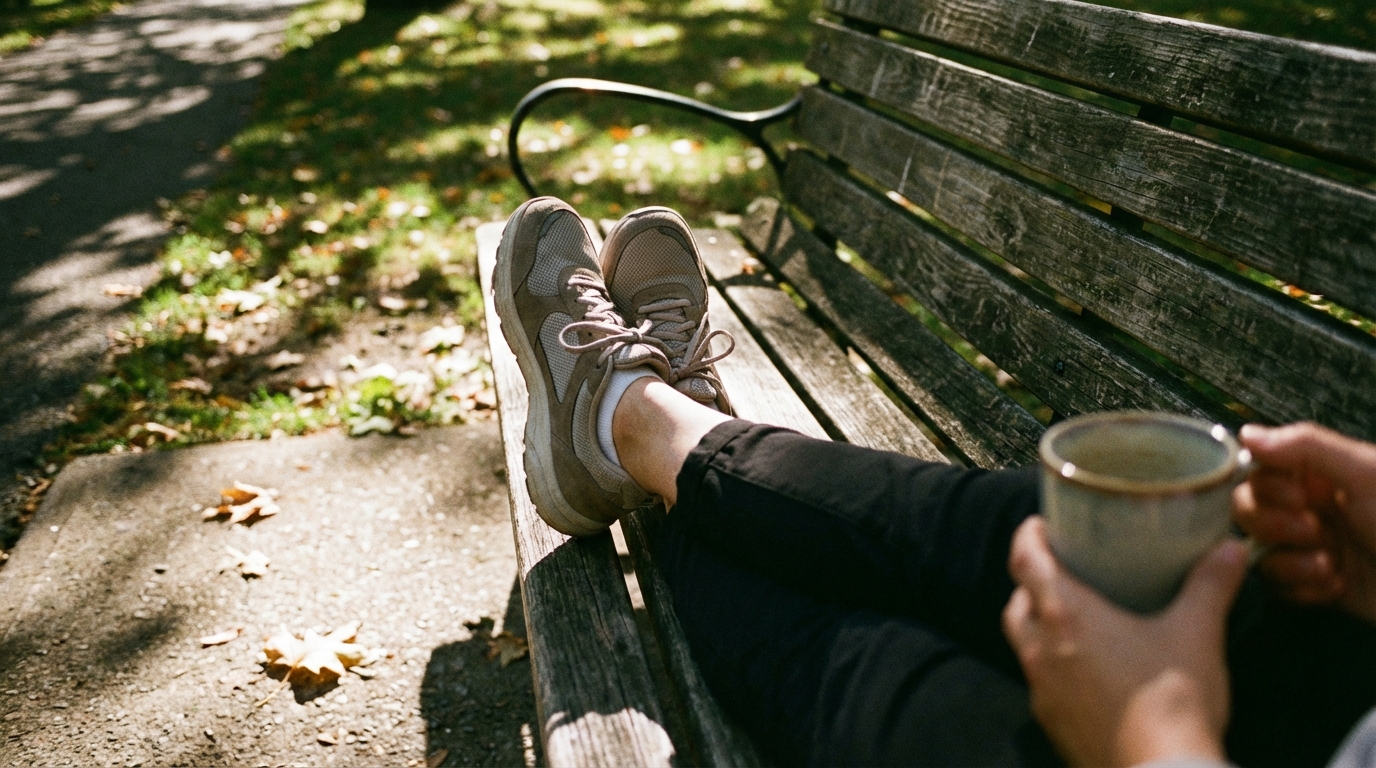
Short outdoor breaks are small pauses in the day that involve stepping outside for a few minutes. These breaks can happen during work, school, or daily routines at home. They do not require special gear, travel, or planning. Even brief time outdoors can support daily health in steady and practical ways.
Modern schedules often keep people indoors for long stretches. Screens, artificial light, and sitting can fill many hours without change. Short outdoor breaks offer a simple contrast that the body and mind respond to quickly. The effects add up over time, even when each break is brief.
What Counts as a Short Outdoor Break
A short outdoor break usually lasts from two to fifteen minutes. It might involve stepping outside a building, walking around a block, or standing in a yard or open space. The goal is not exercise intensity but exposure to fresh air, daylight, and a change in surroundings.
These breaks can fit into many schedules because they do not require large time blocks. A few minutes between tasks, classes, or meetings can be enough. The consistency of taking these breaks matters more than their length.
Everyday Examples of Outdoor Breaks
Outdoor breaks often happen without special planning. They can be part of normal transitions during the day. Many people already take them without realizing their value.
Common examples include stepping outside during a coffee break, walking to get the mail, or standing on a balcony. Even opening a door and spending a moment outside can count. The key feature is a brief shift from indoor to outdoor space.
Physical Health Support from Brief Outdoor Time
Short outdoor breaks support physical health in subtle but meaningful ways. Standing up and moving reduces long periods of sitting. Even light movement helps blood flow and joint comfort.
Fresh air can also support breathing comfort, especially after time in closed rooms. Outdoor air often feels cooler and less stale than indoor air. This simple change can help the body feel more alert.
Gentle Movement and Circulation
Movement during outdoor breaks does not need to be intense. Slow walking, stretching, or simply standing can help circulation. These small movements help muscles stay active throughout the day.
Better circulation supports energy levels and reduces stiffness. Over time, regular breaks can support joint health and comfort. The body benefits from variety rather than long periods in one position.
Mental Clarity and Focus Benefits
Short outdoor breaks can support mental clarity and focus. Changing environments helps the brain reset between tasks. Natural light and open space can reduce feelings of mental fatigue.
These effects are helpful during long periods of concentration. Brief outdoor time can make it easier to return to tasks with a clearer mind. The brain responds well to small pauses that involve sensory change.
Attention Restoration Through Nature
Natural settings place fewer demands on focused attention than screens or dense text. Even simple outdoor views, such as trees or sky, can be calming. This allows mental resources to recover.
After a short break, attention may feel steadier and less strained. This can support learning, problem-solving, and task accuracy. The benefit does not depend on deep wilderness exposure.
Sunlight and Daily Rhythm Support
Exposure to daylight plays a role in regulating the body’s internal clock. Short outdoor breaks increase contact with natural light. This helps the body track time across the day.
Regular daylight exposure supports sleep patterns at night. It can also influence energy levels during the day. Even brief exposure is helpful, especially in the morning or early afternoon.
Light, Hormones, and Alertness
Natural light affects hormones related to alertness and sleep. Daylight signals the brain to stay awake and attentive. This can reduce afternoon sluggishness.
Consistent light exposure during the day supports healthier sleep cycles. Better sleep then supports overall health, mood, and immune function. Short outdoor breaks can play a role in this cycle.
Posture and Musculoskeletal Comfort
Indoor work often encourages fixed postures, especially sitting. Short outdoor breaks interrupt these patterns. Standing and moving outdoors encourages natural posture changes.
These changes can reduce strain in the neck, shoulders, and lower back. Over time, regular breaks may support comfort during long workdays. The body benefits from frequent position changes.
Reducing Screen-Related Strain
Screens encourage forward head posture and limited movement. Stepping outside shifts visual focus to distant objects. This helps relax eye muscles.
Looking at natural distances can reduce eye fatigue. Combined with posture changes, this supports comfort during screen-heavy days. Short outdoor breaks offer a simple reset.
Emotional Well-Being and Mood
Brief outdoor time can support emotional balance. Natural settings are often associated with calm and reduced stress. Even urban outdoor spaces can offer emotional relief.
These effects do not require long visits. Short, repeated exposure can help stabilize mood across the day. Small breaks can prevent stress from building up.
Stress Reduction Through Sensory Change
Outdoor environments offer different sounds, sights, and smells. These sensory changes can reduce tension. The body often responds with slower breathing and relaxed muscles.
This response supports emotional regulation. Over time, regular outdoor breaks can make daily stress feel more manageable. The effect comes from repetition, not intensity.
Benefits for Learning and Study
Students of all ages can benefit from short outdoor breaks. Learning requires sustained attention, which can fade without pauses. Outdoor time offers a refreshing break from study environments.
These breaks can support memory and understanding. Returning to learning after a brief outdoor pause can feel easier and more focused. This applies to both formal classrooms and home study.
Supporting Young Learners
Children often respond strongly to outdoor time. Movement and fresh air help release built-up energy. This can support better behavior and attention afterward.
Short outdoor breaks fit well between lessons. They do not disrupt learning schedules when used thoughtfully. Instead, they can support smoother transitions.
Workplace Productivity and Creativity
Short outdoor breaks can support productivity at work. Stepping outside can reduce mental fatigue from repetitive tasks. This can help maintain steady performance across the day.
Outdoor time also supports creative thinking. A change of setting can lead to new ideas and perspectives. This is helpful in problem-solving and planning roles.
Creative Thinking in Open Spaces
Outdoor environments offer less structured stimulation. This allows the mind to wander in a healthy way. Creative connections often form during these moments.
Returning indoors after a short break can bring fresh insights. This benefit does not require long walks or remote locations. Simple outdoor exposure is often enough.
Social Connection and Outdoor Breaks
Short outdoor breaks can also support social well-being. Shared breaks offer chances for casual conversation. These interactions help build social bonds.
Outdoor settings often feel more relaxed than indoor spaces. This can make communication easier and more open. Even brief interactions can strengthen connection.
Community and Shared Spaces
Parks, courtyards, and sidewalks are shared environments. Short outdoor breaks in these spaces create chances for connection. A greeting or brief chat can improve mood.
These small social moments support a sense of belonging. Over time, they contribute to community well-being. Outdoor spaces play a quiet but important role.
Short Outdoor Breaks for Older Adults
Older adults can benefit greatly from brief outdoor time. Gentle movement supports balance and joint comfort. Exposure to daylight supports sleep and mood.
Short breaks reduce the need for long or tiring outings. They fit well into daily routines at home or in care settings. Safety and comfort can be maintained.
Supporting Independence and Confidence
Regular outdoor breaks encourage continued engagement with surroundings. This supports confidence in movement and orientation. Familiar outdoor spaces feel reassuring.
These breaks also support mental stimulation. Seeing changes in weather, light, and activity keeps the mind engaged. Small experiences add richness to daily life.
Outdoor Breaks in Urban Environments
Urban areas may seem limited in natural space. However, short outdoor breaks are still possible. Sidewalks, courtyards, and building entrances can provide benefits.
Even small patches of greenery can support well-being. Urban outdoor breaks focus on exposure rather than scenery. The presence of open air and daylight matters most.
Finding Nature in Cities
Urban environments often include trees, planters, or small parks. These elements provide visual relief from built structures. They also support emotional comfort.
Looking for these features can make outdoor breaks more satisfying. Over time, awareness of local outdoor spaces increases. This supports regular use.
Weather and Seasonal Considerations
Weather influences how outdoor breaks feel, but it does not remove their value. Short breaks can be adjusted for temperature, rain, or wind. Clothing and timing can help.
Seasonal changes also add variety. Different light, colors, and temperatures offer new sensory experiences. These changes support mental engagement.
Adapting Breaks Across Seasons
In cold weather, breaks can be very brief. Standing outside for a minute still offers fresh air and light. Warm clothing supports comfort.
In hot weather, shade and cooler times of day are helpful. Morning or evening breaks may feel better. Flexibility keeps the habit sustainable.
Overcoming Common Barriers
Busy schedules often limit outdoor time. Short breaks are easier to fit in than long outings. Recognizing their value helps prioritize them.
Physical limitations or access issues may also be concerns. Small adaptations can make outdoor breaks possible. The focus remains on brief exposure.
Practical Solutions for Limited Time
Placing breaks between existing tasks reduces disruption. For example, stepping outside between meetings uses transition time. This approach feels efficient.
Linking outdoor breaks to daily habits supports consistency. Pairing them with meals or check-ins makes them routine. Over time, they become automatic.
Safety and Comfort During Outdoor Breaks
Safety is an important part of outdoor breaks. Awareness of surroundings helps prevent accidents. Choosing familiar, well-maintained areas supports confidence.
Comfort also matters for consistency. Comfortable shoes and clothing make breaks more appealing. Planning for basic needs supports regular practice.
Environmental Awareness
Checking weather and air quality supports health. Short breaks can be adjusted or skipped when conditions are poor. Flexibility protects well-being.
Staying aware of traffic and uneven surfaces reduces risk. Simple caution allows breaks to remain positive experiences. Safety supports sustainability.
Building a Daily Outdoor Break Habit
Habits form through repetition and ease. Short outdoor breaks are easier to repeat than long activities. Their simplicity supports long-term consistency.
Setting reminders or cues can help. Over time, the habit may feel natural. The benefits encourage continued practice.
Consistency Over Intensity
Consistency matters more than duration. A two-minute break taken daily can have more impact than a long break taken rarely. Regular exposure supports steady benefits.
This approach reduces pressure. Outdoor breaks remain supportive rather than demanding. The habit adapts to changing schedules.
Observing Personal Responses
People may notice different effects from outdoor breaks. Energy, mood, or focus may shift slightly. Paying attention helps understand personal benefits.
These observations support motivation. Recognizing small changes reinforces the habit. Awareness turns breaks into intentional care.
Tracking Subtle Changes
Changes may be gradual and easy to miss. Noticing patterns over days or weeks helps. Improved comfort or focus may become clear.
This awareness supports continued practice. Outdoor breaks become a valued part of daily health. Small experiences gain meaning over time.