
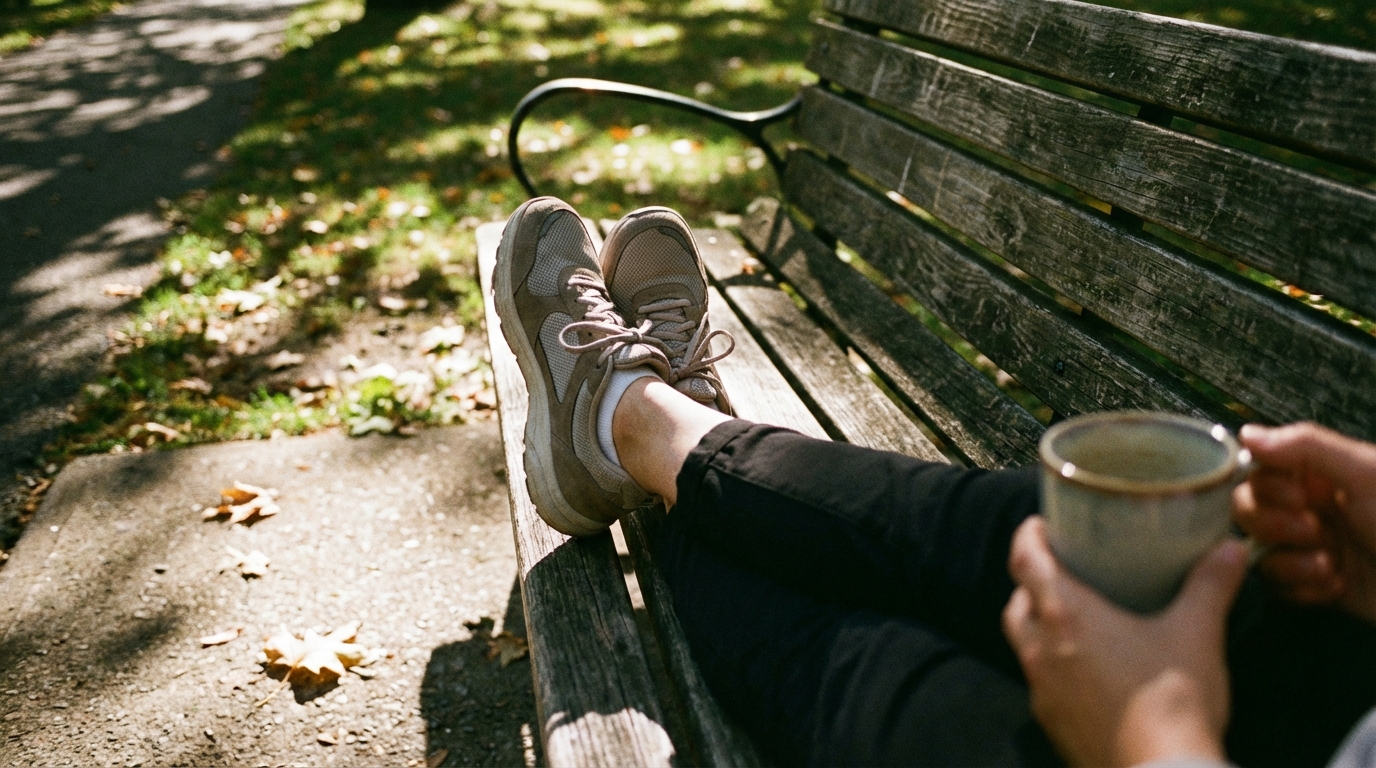
Short outdoor breaks are small moments spent outside during the day, often lasting just a few minutes. These brief pauses can include stepping into a yard, walking around a block, sitting on a bench, or standing in sunlight near a window that opens to fresh air. While they may seem minor, these moments support daily health in ways that build up over time. The value comes from regular exposure rather than long or intense outdoor sessions.
Modern routines often keep people indoors for most of the day. Work, school, entertainment, and errands can all happen inside, especially in cities or during colder months. Short outdoor breaks offer a simple way to balance this pattern without changing schedules in a big way. They fit into daily life and support health through light movement, natural light, and a change of environment.
What Counts as a Short Outdoor Break
A short outdoor break is usually between two and fifteen minutes. It does not require special gear, exercise plans, or travel to a park. The main idea is stepping outside and spending intentional time in an outdoor setting, even if it is small or close to home. Consistency matters more than length.
These breaks can happen many times a day, such as between tasks, after meals, or during transitions. A person might stand on a porch, walk a pet, or sit quietly under a tree. The goal is not performance or fitness, but gentle exposure to the outdoor environment. Even brief moments can offer health support when they happen often.
Physical Health Benefits of Brief Time Outside
Short outdoor breaks support physical health in subtle but meaningful ways. Light movement helps keep joints flexible and muscles active, especially for people who sit for long periods. Standing, walking, or stretching outside encourages the body to change position and reduce stiffness. Over time, these small actions can add up.
Natural light plays a role in physical well-being as well. Exposure to daylight helps the body regulate important processes, including hormone release. Even a few minutes outside can be enough to signal the body that it is daytime. This can support energy levels and daily rhythms.
Gentle Movement and Circulation
Outdoor breaks often include light activity without feeling like exercise. Walking to the end of a street or around a building increases blood flow and supports circulation. This can help reduce feelings of heaviness or fatigue that build up during long periods of sitting. The body responds well to frequent, low-effort movement.
Because these movements are gentle, they are accessible to many people. There is less strain on joints compared to intense workouts. Over a full day, several short outdoor breaks can support mobility and comfort, especially for adults with desk-based routines.
Fresh Air and Respiratory Comfort
Stepping outside provides access to fresh air, which can feel refreshing after being indoors. While indoor air quality varies, outdoor air often feels cleaner and less stale. This change can support comfortable breathing and reduce feelings of stuffiness.
Fresh air can also encourage deeper, more relaxed breathing. During an outdoor break, people often slow down and take fuller breaths without thinking about it. This natural shift supports overall comfort and can make the body feel more awake.
Mental Health and Emotional Balance
Short outdoor breaks are strongly linked to mental well-being. A change in setting can help reduce mental fatigue and emotional strain. Being outside, even briefly, gives the mind a break from screens, noise, and enclosed spaces. This shift can feel calming and grounding.
Outdoor environments often include natural elements like plants, sky, or moving air. These features are known to support relaxed attention and emotional balance. Regular exposure can help lower daily stress levels and support a more even mood.
Stress Reduction Through Environment Change
Stress often builds when the brain stays focused on one environment for too long. Stepping outside introduces new sights, sounds, and sensations. This gentle change helps interrupt stress cycles and allows the mind to reset.
Even busy outdoor spaces can offer relief compared to indoor settings. The openness of outdoor areas can reduce feelings of pressure or confinement. Over time, frequent short breaks can make daily stress easier to manage.
Support for Mood and Emotional Health
Exposure to natural light and outdoor settings is linked to improved mood. Sunlight supports chemical processes in the brain that influence emotional balance. Short outdoor breaks can help people feel more positive and emotionally steady.
These breaks can also provide moments of enjoyment or calm. Watching clouds, noticing plants, or feeling a breeze can create small positive experiences. These moments may seem simple, but they contribute to emotional resilience across the day.
Focus, Attention, and Mental Clarity
Attention and focus often decline after long periods of indoor work or study. Short outdoor breaks help restore mental clarity by giving the brain a pause. This is especially helpful for tasks that require concentration or problem-solving. The brain benefits from stepping away rather than pushing through fatigue.
Natural settings support a type of attention that is relaxed rather than forced. When people return indoors after a brief outdoor break, they often feel more alert. This can support better performance and fewer mistakes.
Reducing Mental Fatigue
Mental fatigue builds when the brain processes the same type of information for too long. Outdoor breaks interrupt this pattern. The brain shifts from focused effort to gentle awareness, which allows recovery.
This recovery does not require long periods of rest. Even five minutes outside can help restore mental energy. When practiced regularly, this habit supports sustained focus throughout the day.
Creativity and Problem-Solving
Outdoor breaks can also support creative thinking. A change in environment often leads to new ideas or perspectives. The brain makes different connections when it is not under pressure.
Simple activities like walking or observing surroundings can encourage flexible thinking. This can be useful for creative tasks, planning, or decision-making. Short outdoor moments provide space for ideas to form naturally.
Daily Rhythms and Sleep Support
Short outdoor breaks play a role in supporting healthy daily rhythms. Exposure to daylight helps regulate the body’s internal clock. This clock influences sleep, energy, and alertness across the day. Consistent outdoor time strengthens these natural patterns.
Morning and early afternoon light are especially helpful. Even brief exposure can signal the body to stay alert during the day. This supports better sleep timing at night without requiring major lifestyle changes.
Light Exposure and Internal Timing
The body uses light to understand when it is day or night. Indoor lighting is often not strong enough to fully support this process. Stepping outside provides brighter, more natural light.
Regular short breaks outdoors help reinforce daily timing signals. Over time, this can support easier waking in the morning and smoother transitions into sleep at night. These benefits build gradually with routine exposure.
Evening Outdoor Time and Wind-Down
Outdoor breaks later in the day can also support relaxation when they are calm and brief. A quiet walk or time on a balcony can help the body shift toward rest. The change in light and temperature can signal the day is slowing down.
These moments can become part of a healthy evening routine. They offer a gentle transition between busy indoor activities and rest. Consistency helps the body recognize these cues.
Posture, Comfort, and Body Awareness
Spending time outdoors encourages changes in posture and movement. Indoor tasks often keep the body in fixed positions. Outdoor breaks invite standing, walking, and looking at different distances. These changes support physical comfort.
Body awareness often increases outside. Uneven ground, open space, and natural movement patterns encourage the body to adjust. This can reduce tension that builds up during indoor activities.
Reducing Sedentary Patterns
Long periods of sitting are common in daily life. Short outdoor breaks interrupt these sedentary patterns. Standing up and moving gently helps reduce stiffness and discomfort.
These breaks do not need to involve structured exercise. The simple act of moving outside is enough to support comfort. Over a full day, several breaks can make a noticeable difference.
Eye Comfort and Visual Variety
Outdoor environments offer visual variety that indoor spaces often lack. Looking at distant objects, natural shapes, and changing light supports eye comfort. This can be especially helpful after screen use.
Short outdoor breaks give the eyes a chance to relax. Shifting focus away from close-up work reduces strain. This supports visual comfort across the day.
Social and Community Connections
Outdoor breaks can support social well-being, even when they are brief. Being outside increases the chance of casual social contact. A simple greeting or shared space can strengthen a sense of connection.
These moments do not require planned social activities. Just being visible in a neighborhood or shared outdoor area can reduce feelings of isolation. Over time, this supports a sense of belonging.
Casual Interactions and Belonging
Short outdoor breaks often lead to brief, friendly interactions. These may include nodding to a neighbor or exchanging a few words. While small, these moments contribute to social comfort.
Such interactions can improve mood and reduce loneliness. They remind people that they are part of a community. Regular outdoor presence makes these connections more likely.
Shared Outdoor Spaces
Parks, sidewalks, and courtyards serve as shared spaces. Spending time in these areas supports awareness of the surrounding community. This can increase feelings of safety and connection.
Even when no interaction occurs, sharing space with others can feel reassuring. Short outdoor breaks allow people to participate in community life without commitment or planning.
Nature Exposure in Urban and Indoor-Focused Areas
Not everyone has access to large natural areas. Short outdoor breaks still matter in cities and dense neighborhoods. Even limited exposure to plants, sky, or weather provides benefits.
Urban outdoor spaces often include trees, planters, or small green areas. These elements support the same basic health responses as larger natural settings. The key is regular exposure, not location size.
Small Green Spaces and Health
Small green spaces can have a strong impact. A single tree, garden bed, or patch of grass can offer visual relief. These features support calm and attention.
Short outdoor breaks near these spaces provide a sense of nature contact. This can reduce stress and support mental clarity. The effect grows with repeated exposure.
Balconies, Doorways, and Sidewalks
Outdoor breaks do not require parks or yards. Balconies, stoops, and sidewalks all count as outdoor spaces. Standing in sunlight or fresh air is enough.
These simple spaces make outdoor time accessible to many people. They allow brief exposure without travel or planning. Regular use supports daily health in practical ways.
Making Short Outdoor Breaks Part of Daily Routines
Short outdoor breaks are most effective when they fit naturally into daily routines. Linking them to existing habits makes them easier to maintain. For example, stepping outside after meals or between tasks can become automatic.
Because these breaks are brief, they do not disrupt schedules. They add value without requiring extra time. Over weeks and months, this consistency supports lasting health benefits.
Simple strategies can help make outdoor breaks more regular:
- Stepping outside during work or study transitions.
- Taking a short walk after eating.
- Standing outside during phone calls.
- Using outdoor spaces for brief rest periods.
These approaches reduce the effort needed to go outside. They integrate outdoor time into activities that already happen. This makes the habit more sustainable.
Short Outdoor Breaks for Children and Learning Environments
Children benefit strongly from brief outdoor time during the day. Short outdoor breaks support attention, behavior, and emotional balance. They also provide opportunities for movement and exploration.
In learning environments, these breaks can improve focus when children return indoors. Outdoor time offers a release of energy and stress. This supports a healthier learning rhythm.
Attention and Behavior Support
Children often struggle with long periods of indoor focus. Short outdoor breaks give them a chance to reset. Movement and fresh air help regulate energy levels.
After returning inside, children may show improved attention and cooperation. These effects support both learning and social interaction. Regular outdoor breaks can make daily routines smoother.
Emotional Regulation and Play
Outdoor time supports emotional regulation in children. Open spaces allow for freer movement and expression. Even short breaks can reduce frustration and restlessness.
Unstructured outdoor moments encourage creativity and play. These experiences support emotional development. Brief, frequent outdoor breaks can be more helpful than occasional long ones.
Workplace Health and Short Outdoor Pauses
In work settings, short outdoor breaks support employee well-being. They offer relief from screens, meetings, and indoor air. These breaks can improve comfort without reducing productivity.
Outdoor pauses can be individual or shared. Some workplaces encourage walking meetings or outdoor lunch breaks. Even small changes can support daily health.
Energy and Productivity Support
Short outdoor breaks can help prevent energy dips during the workday. Exposure to daylight and movement supports alertness. This can reduce reliance on stimulants like caffeine.
When employees return from outdoor breaks, they may feel more focused. This supports steady productivity across the day. Regular breaks can also reduce burnout over time.
Workplace Culture and Well-Being
Encouraging outdoor breaks can signal that well-being is valued. This can improve morale and job satisfaction. Simple policies, like flexible break times, make outdoor access easier.
Shared outdoor spaces at workplaces can also support social connection. These spaces encourage informal interaction and relaxation. Short outdoor breaks contribute to a healthier work environment.
Seasonal Considerations and Weather Adaptation
Short outdoor breaks can happen year-round with small adjustments. Weather and seasons change how these breaks look, but not their value. Even brief exposure during colder or hotter months supports health.
Adapting clothing and timing makes outdoor breaks comfortable in different conditions. The focus remains on consistency rather than perfect conditions. Each season offers unique sensory experiences.
Cold Weather Outdoor Breaks
In colder weather, outdoor breaks may be shorter but still helpful. Stepping outside for a few minutes provides fresh air and light. Proper clothing supports comfort and safety.
Cold air can feel energizing and refreshing. These brief moments help maintain outdoor habits year-round. Consistency matters more than duration.
Warm Weather and Heat Awareness
During hot weather, outdoor breaks can be timed for cooler parts of the day. Shade, hydration, and light clothing support comfort. Short breaks reduce heat exposure while still offering benefits.
Even early morning or evening outdoor time supports daily rhythms. Adjusting routines allows outdoor breaks to remain safe and effective. Seasonal flexibility keeps the habit sustainable.