
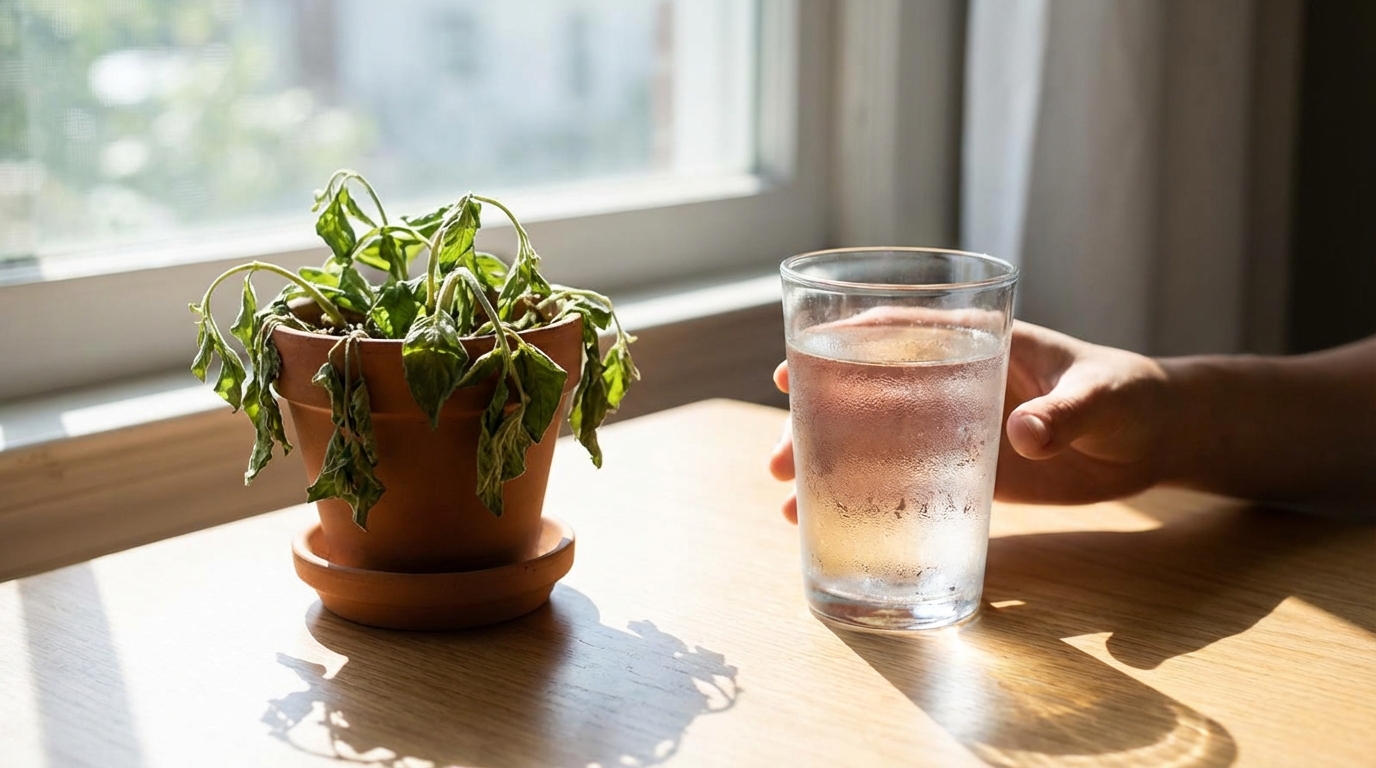
Water plays a quiet but constant role in how the body feels and functions each day. When intake is low, the effects often show up as changes in energy, comfort, and focus rather than as sudden illness. Many people do not notice mild dehydration because the signs can feel ordinary, like tiredness or stiffness, and are easy to blame on stress or a busy schedule. Understanding how poor hydration affects the body helps explain why these small changes can add up over time.
Understanding Hydration in Everyday Life
Hydration refers to the balance of water in the body that allows cells, tissues, and organs to work properly. Water makes up a large part of blood, muscles, and the brain, so even small losses can influence how the body feels. Unlike hunger, thirst is not always a reliable signal, especially during busy days or in cool weather. This makes it possible to remain slightly dehydrated without realizing it.
What Counts as Hydration
Hydration comes from more than just plain water. Fluids from beverages like milk, herbal tea, and diluted juice add to daily intake, as does the water found naturally in foods such as fruits and vegetables. However, drinks with high amounts of sugar or caffeine may not hydrate as effectively for some people. The body responds best to steady fluid intake spread across the day.
Daily Hydration Needs Vary
The amount of water a person needs depends on body size, activity level, climate, and overall health. Someone who is active or lives in a hot environment loses more fluid through sweat and needs to replace it. Illness, medications, and age can also change hydration needs. Because of this variation, there is no single amount that fits everyone.
Low Water Intake and Energy Levels
Energy is often the first area affected by poor hydration. When fluid levels drop, the body has to work harder to perform basic tasks. This can lead to a feeling of sluggishness that makes even simple activities seem tiring. Over time, repeated days of low intake can create a pattern of low energy.
Cellular Energy Production
Water is essential for chemical reactions that produce energy inside cells. When water is limited, these reactions can slow down, reducing the amount of energy available. Muscles and organs may not receive the fuel they need as efficiently. This can lead to early fatigue during both physical and mental tasks.
Physical Fatigue During the Day
Even mild dehydration can increase the feeling of physical tiredness. People may notice heavier legs, reduced strength, or a lack of motivation to move. Everyday actions such as climbing stairs or carrying groceries can feel more demanding. These changes can occur without obvious thirst.
Mental Fatigue and Alertness
The brain relies on proper hydration to stay alert. Low water intake can make it harder to stay focused and responsive. Tasks that require attention, quick thinking, or decision-making may feel more draining. Over time, this mental fatigue can affect productivity and learning.
Comfort and Physical Sensations
Poor hydration often affects physical comfort in ways that are easy to overlook. Discomfort may appear gradually and be mistaken for normal aches or aging. These sensations are signals that the body is under mild stress. Addressing hydration can sometimes reduce these daily annoyances.
Headaches and Pressure
Headaches are a common sign of low fluid intake. Reduced water levels can affect blood flow and pressure in the brain, leading to discomfort. These headaches may feel dull or persistent rather than sharp. Drinking fluids regularly can help lower their frequency for some people.
Muscle Tightness and Cramps
Muscles need water to contract and relax smoothly. When hydration is low, electrolyte balance can be disrupted, increasing the risk of cramps. Tight or sore muscles may appear even without heavy exercise. This can make normal movement feel less comfortable.
Digestive Discomfort
Water supports digestion by helping break down food and move it through the digestive tract. Low intake can slow this process, leading to bloating or constipation. Digestive discomfort can reduce appetite and affect overall comfort. Over time, these issues can become more noticeable.
Skin and Eye Dryness
The skin and eyes often show early signs of dehydration. Dry, tight skin and irritated eyes can result from low fluid levels. These changes may make a person feel physically uncomfortable throughout the day. Hydration supports moisture balance in these tissues.
Hydration and Temperature Regulation
Water plays a key role in controlling body temperature. When fluid levels are low, this system becomes less effective. The body may struggle to cool itself or respond to temperature changes. This can increase discomfort during both hot and cool conditions.
Sweating and Heat Control
Sweat helps release heat from the body, and it is mostly made of water. With poor hydration, sweating may decrease or become less effective. This can raise the risk of overheating during warm weather or physical activity. Even mild heat stress can drain energy.
Sensitivity to Temperature Changes
Dehydration can make people feel unusually sensitive to heat or cold. The body may not adjust as quickly to environmental changes. This can create ongoing discomfort in daily settings like offices or outdoor spaces. Maintaining fluid balance helps support stable temperature control.
Circulation and Blood Volume
Water is a major component of blood, and hydration affects how easily blood flows. When fluid levels drop, blood volume can decrease. This makes the heart work harder to circulate blood. Over time, this can affect energy and comfort.
Heart Rate and Effort
With lower blood volume, the heart may beat faster to meet the body’s needs. This can make physical activity feel more strenuous than usual. Even light movement may increase heart rate more quickly. These changes can be subtle but noticeable.
Blood Pressure Changes
Poor hydration can influence blood pressure, sometimes causing it to drop when standing. This may lead to dizziness or lightheadedness. Such sensations can affect confidence in movement and daily comfort. Staying hydrated helps support steady circulation.
Brain Function, Mood, and Comfort
The brain is highly sensitive to changes in hydration. Small shifts in water balance can influence mood and mental comfort. These effects may appear before physical signs of dehydration. Recognizing them can help explain sudden changes in how a person feels.
Concentration and Memory
Low water intake can reduce concentration and short-term memory. Tasks that require focus may take longer or feel more frustrating. Students and workers may notice more mistakes or slower thinking. Proper hydration supports clearer mental performance.
Mood Changes and Irritability
Dehydration has been linked to mood changes such as irritability or low motivation. These shifts can affect interactions with others and overall comfort. Mood changes may occur even when dehydration is mild. Regular fluid intake helps maintain emotional balance.
Hydration and Sleep Comfort
Sleep quality and comfort can also be influenced by hydration. Both too little and poorly timed fluid intake can disturb rest. Finding a balance is important for feeling refreshed. Hydration during the day plays a role in nighttime comfort.
Nighttime Discomfort
Dehydration can cause dry mouth or leg cramps that disturb sleep. These sensations may wake a person or make it harder to fall asleep. Discomfort during the night can reduce total rest time. This can add to daytime fatigue.
Overall Sleep Quality
Poor hydration can indirectly affect sleep by increasing stress on the body. When the body works harder to maintain balance, relaxation becomes more difficult. Over time, reduced sleep quality can affect energy and comfort during the day. Consistent hydration supports healthier sleep patterns.
Daily Physical Performance and Tasks
Hydration affects more than exercise performance. It also influences how the body handles everyday tasks. Low water intake can reduce endurance and increase perceived effort. This can change how a person experiences daily life.
Exercise Tolerance
During physical activity, dehydration can cause faster fatigue and reduced coordination. Movements may feel less smooth or controlled. This can limit the ability to stay active or enjoy exercise. Adequate hydration supports safer and more comfortable movement.
Recovery and Soreness
Water helps transport nutrients and remove waste products from muscles. Poor hydration can slow recovery and increase soreness. Lingering discomfort may discourage regular activity. Hydration supports the body’s natural repair processes.
Common Signs of Low Water Intake
The body sends many signals when water intake is low. These signs can be easy to miss or misinterpret. Paying attention to patterns can help identify hydration issues. Common signs include both physical and mental changes.
- Persistent fatigue or low energy
- Headaches or pressure in the head
- Dry mouth, lips, or eyes
- Dizziness or lightheadedness
- Muscle cramps or stiffness
- Difficulty concentrating
These signs do not always appear together, and their intensity can vary. Some people may experience only one or two symptoms. Because they overlap with other conditions, hydration is often overlooked as a cause. Regular fluid intake can reduce the likelihood of these issues.
Why Low Water Intake Is Common
Many people struggle to drink enough fluids throughout the day. Modern routines and environments can make hydration easy to forget. Understanding these barriers helps explain why poor hydration is widespread. Small habits can have a large impact.
- Busy schedules that limit regular breaks
- Low thirst sensation, especially in older adults
- Preference for beverages that do not hydrate well
- Cool weather reducing perceived need for water
- Limited access to fluids during work or travel
These factors can combine to reduce daily intake without clear awareness. Over time, this can lead to ongoing mild dehydration. Recognizing common barriers allows for practical adjustments. Awareness is the first step toward improvement.
Improving Hydration for Better Energy and Comfort
Supporting hydration does not require dramatic changes. Simple, consistent actions can make a noticeable difference in how the body feels. Comfort and energy often improve with steady fluid intake. The goal is to make hydration part of daily routine.
- Drinking small amounts of water regularly
- Including water-rich foods in meals
- Keeping a reusable bottle nearby
- Drinking fluids with each meal
- Paying attention to urine color as a general guide
These strategies help maintain fluid balance without overthinking it. Gradual changes are easier to maintain than strict rules. Over time, better hydration can support steadier energy and greater daily comfort. The body responds best to consistent care.