
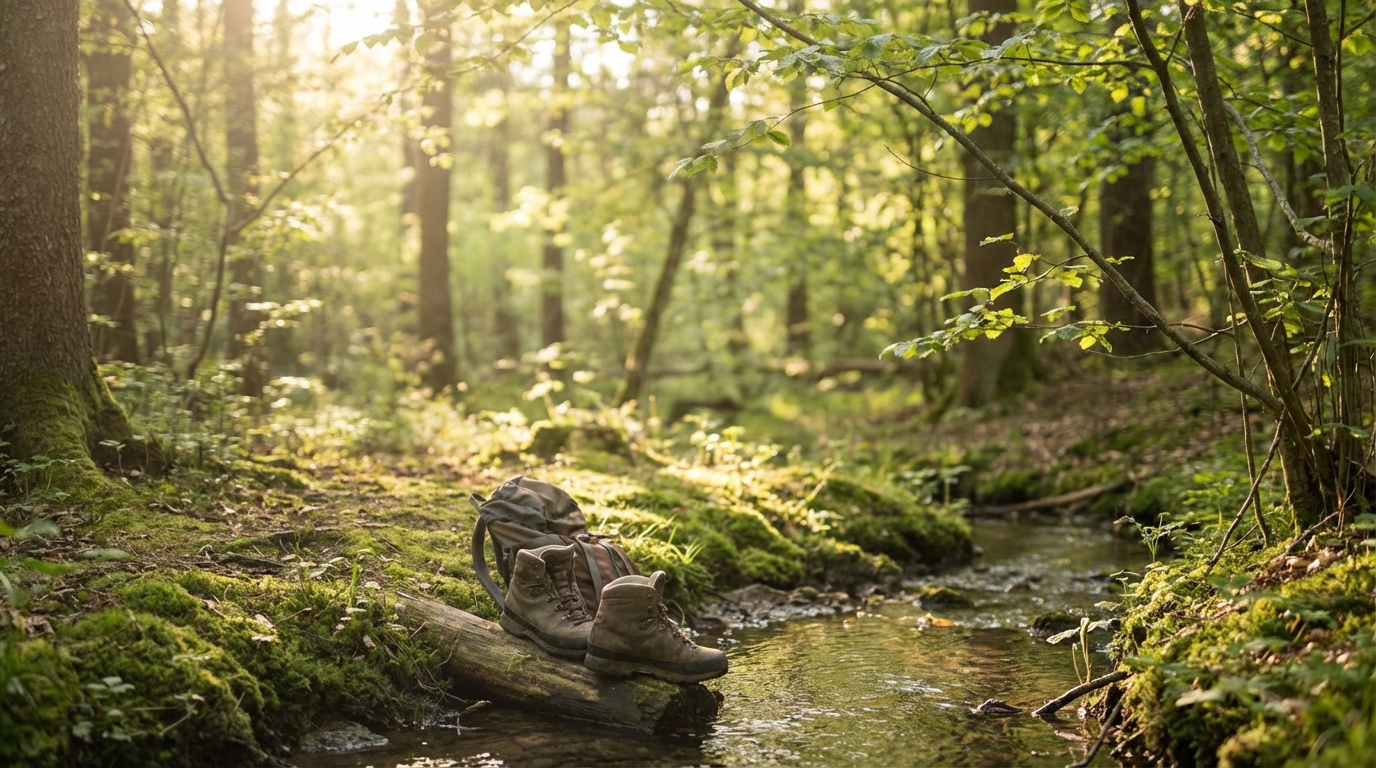
Outdoor quiet often feels calming in a way that is hard to explain at first. A walk through a forest, a pause near a lake, or time spent in a quiet park can slow racing thoughts and ease physical tension. This calming effect is not only emotional or personal, but also connected to how the human brain and body respond to sound. Natural quiet, filled with gentle and predictable noises, creates a different experience than silence indoors or the constant noise of modern life.
Understanding why outdoor quiet feels calming requires looking at sound, biology, and daily habits together. Natural environments are rarely completely silent, yet they are often described as quiet because the sounds present are soft, steady, and non-threatening. These qualities shape how the nervous system reacts and how attention is restored. Over time, repeated exposure to outdoor quiet can support lower stress levels and improved well-being.
What Quiet Means in Outdoor Spaces
Quiet outdoors does not mean the absence of sound. Instead, it refers to a balance of low-volume, natural noises that blend together smoothly. Leaves moving in the wind, distant bird calls, or water flowing over rocks create a sound environment that feels gentle rather than demanding. These sounds tend to rise and fall gradually, which helps the brain stay relaxed.
In contrast, many human-made sounds are sharp, loud, or unpredictable. Sirens, traffic, and machinery often interrupt attention and trigger alert responses. Outdoor quiet replaces these sudden noises with a steady background that feels safe. This difference helps explain why even a short time in nature can feel refreshing.
The Science of Sound and Stress
Sound plays a powerful role in how stress is experienced. The brain constantly scans the environment for signals that might indicate danger. When sounds are loud or irregular, the body prepares to respond, even if there is no real threat. Outdoor quiet reduces these signals, allowing the body to remain at ease.
Researchers studying sound environments have found that natural sounds are linked to lower stress markers. These environments support relaxation by reducing the need for constant monitoring. The brain interprets gentle outdoor sounds as familiar and non-threatening, which supports a calm state.
The Nervous System’s Response
The nervous system has two main modes: alert and restful. Loud or chaotic noise activates the alert mode, increasing heart rate and muscle tension. Outdoor quiet encourages the restful mode, often called the parasympathetic response. This shift allows the body to slow down and recover.
Gentle natural sounds help regulate breathing and heart rhythm. As these rhythms slow, the body uses less energy to stay alert. This process supports a feeling of calm that can be felt physically, not just mentally.
Stress Hormones and Sound
Stress hormones like cortisol rise when the body feels under pressure. Prolonged exposure to noise can keep these hormone levels high. Outdoor quiet has been associated with lower cortisol levels, helping the body return to balance.
Natural soundscapes may also support the release of calming chemicals in the brain. These changes improve mood and reduce feelings of anxiety. Over time, repeated exposure to outdoor quiet can help create healthier stress patterns.
Natural Soundscapes and Their Effects
A soundscape is the combination of sounds in a particular environment. Outdoor soundscapes are shaped by weather, plants, animals, and terrain. Each element contributes to an overall experience that feels layered but not overwhelming. This balance supports mental ease.
Different natural soundscapes offer slightly different calming effects. Some encourage deep relaxation, while others promote gentle alertness. What they share is a lack of sharp or sudden noise, which helps the brain stay comfortable.
Common examples of calming natural sounds include the following:
- Wind moving through trees or grass
- Birdsong and insect sounds
- Flowing water from rivers, streams, or rain
- Waves breaking along a shoreline
- Soft footsteps on natural ground like soil or sand
These sounds tend to follow patterns that the brain can easily predict. Predictable sounds require less mental effort to process. This allows attention to rest while still remaining gently engaged with the environment.
Attention, Focus, and Mental Fatigue
Modern life often demands constant focus. Screens, notifications, and busy schedules require directed attention, which can become tiring. Outdoor quiet supports a different kind of attention that feels effortless. This shift plays a key role in mental recovery.
When attention is overused, mental fatigue can set in. Symptoms may include irritability, trouble concentrating, and a feeling of being overwhelmed. Natural environments offer relief by allowing attention to move freely.
Soft Fascination and Mental Rest
Outdoor quiet supports what researchers call soft fascination. This type of attention is gently held by the environment without effort. Watching clouds move or listening to water flow engages the mind without draining it.
Soft fascination allows the brain’s directed attention system to rest. As a result, focus and clarity often improve after time spent in nature. This process explains why outdoor quiet can feel mentally refreshing.
Physical Responses to Quiet Environments
The calming effects of outdoor quiet are not limited to thoughts and feelings. The body also shows clear responses. Muscles often relax, breathing becomes deeper, and posture may improve without conscious effort. These physical changes contribute to a sense of ease.
Blood pressure can also respond to sound environments. Quiet, natural settings have been linked to lower blood pressure readings. This supports overall cardiovascular health and comfort.
Sleep quality may improve for people who regularly spend time in quiet outdoor spaces. Reduced stress and relaxed nervous system activity can make it easier to fall asleep. Even daytime exposure to outdoor quiet can support healthier sleep patterns.
Evolutionary and Cultural Roots of Calm
Humans evolved in natural environments for thousands of years. For most of that time, outdoor sounds signaled safety or danger in clear ways. Gentle natural sounds usually meant stable conditions. Loud or sudden sounds often meant immediate threats.
This long history may explain why natural quiet still feels safe today. The brain may interpret these sound patterns as familiar and supportive. Cultural traditions across the world reflect this connection to natural calm.
Many cultures value quiet natural spaces for reflection, healing, or spiritual practices. Gardens, forests, and water features often play a role in these traditions. The shared emphasis on quiet suggests a deep and widespread understanding of its calming power.
The Contrast with Modern Noise
Urban and industrial environments are filled with constant noise. Traffic, construction, and electronic devices create a background that rarely fades. This type of noise often lacks rhythm and predictability. As a result, it can be tiring even when it is not especially loud.
The contrast between modern noise and outdoor quiet makes the calming effect more noticeable. Stepping into a quiet natural area can feel like a release of tension. The body no longer needs to stay on alert for sudden sounds.
Noise pollution has become a growing concern in many communities. Studies have linked it to stress, sleep problems, and reduced quality of life. Outdoor quiet offers a natural counterbalance to these challenges.
Designing Spaces That Support Quiet
Outdoor quiet does not happen by accident in all places. Thoughtful design can protect and enhance natural soundscapes. Parks, trails, and green spaces can be planned to reduce noise intrusion. Trees, land features, and distance from roads all play a role.
Urban planners and designers increasingly recognize the value of quiet spaces. Including natural buffers and limiting loud activities can make outdoor areas more calming. These design choices support both physical and mental health.
Even small green spaces can offer quiet if designed carefully. Courtyards, community gardens, and green roofs can reduce surrounding noise. These spaces provide accessible moments of calm in busy environments.
Individual Differences in Experiencing Quiet
Not everyone experiences outdoor quiet in the same way. Personal history, sensory sensitivity, and current stress levels all influence perception. Some people may find certain natural sounds more soothing than others.
For example, one person may find ocean waves deeply calming, while another prefers the sound of wind in trees. These preferences are shaped by memory and experience. Recognizing these differences helps explain why outdoor quiet is a personal experience.
Despite these differences, many people report feeling better after spending time in quiet natural settings. The shared benefits suggest that outdoor quiet meets basic human needs, even if the details vary.
Practical Ways to Experience Outdoor Quiet
Experiencing outdoor quiet does not require travel to remote locations. Many opportunities exist in everyday life. Small changes in routine can create space for natural calm. Paying attention to sound is often the first step.
Some practical approaches include the following:
- Visiting local parks during less busy hours
- Walking on nature trails instead of crowded streets
- Sitting near water features like ponds or streams
- Turning off music or podcasts during outdoor time
- Spending time in backyards or shared green spaces
These practices help shift attention from constant input to gentle awareness. Over time, they can make outdoor quiet easier to notice and enjoy. Consistency matters more than duration.
Weather and seasons also influence outdoor quiet. Snow can absorb sound, creating a deep sense of calm. Early mornings and evenings often offer quieter conditions. Being open to these changes can deepen the experience.
The Role of Mindfulness in Quiet Experiences
Mindfulness can enhance the calming effects of outdoor quiet. Paying attention to sound without judgment helps the mind settle. This practice encourages presence rather than distraction.
Outdoor quiet naturally supports mindfulness because there is less competing noise. The environment invites listening and observation. This gentle focus can reduce rumination and stress.
Over time, mindful experiences in nature can reshape how quiet is perceived. Instead of feeling empty, quiet becomes rich and supportive. This shift helps explain why outdoor quiet feels deeply calming for so many people.