
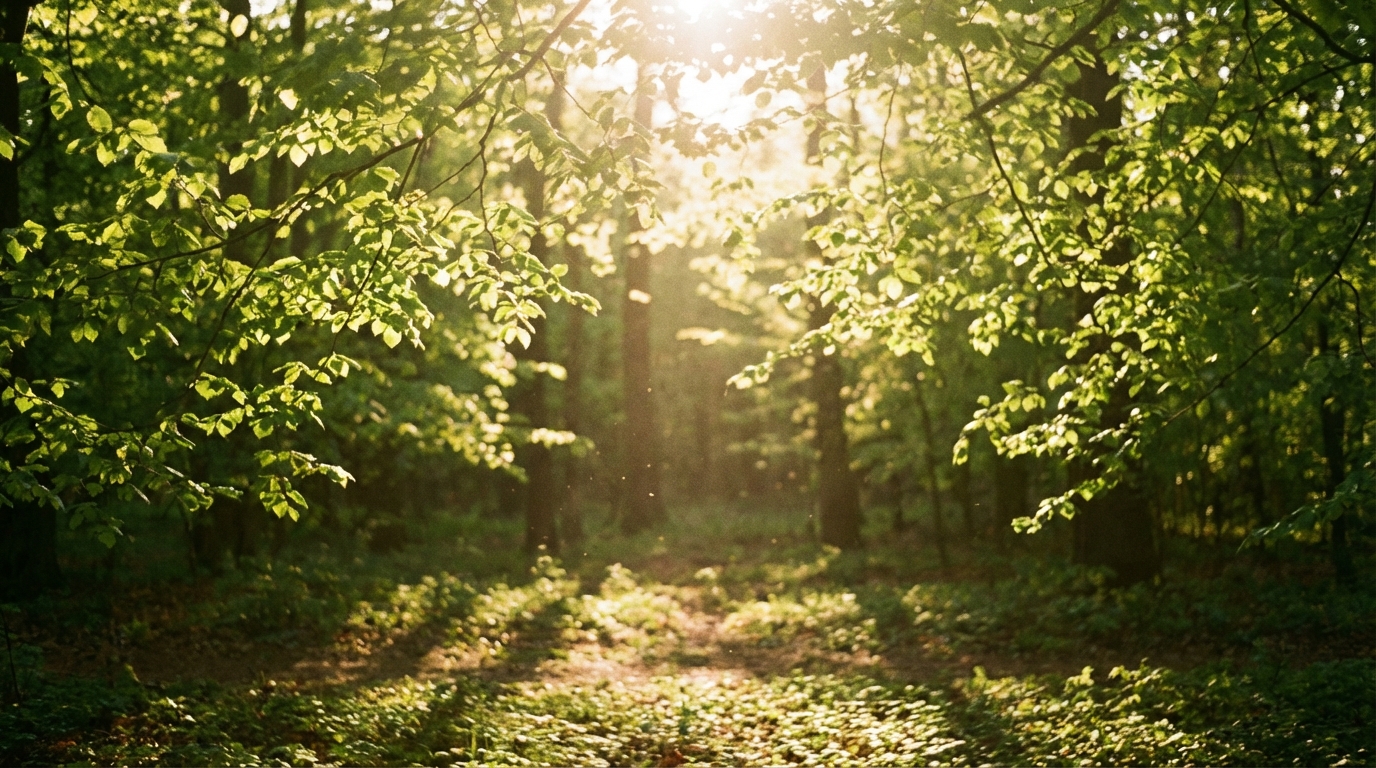
Outdoor light plays a powerful role in setting the timing of the human body. From the moment daylight reaches the eyes, it sends signals that help the brain decide when to wake, eat, move, and rest. This timing system is often called the body clock, and it depends more on natural light than on alarms or schedules.
Daylight changes in a steady pattern across each day, growing brighter in the morning and fading in the evening. The body has learned to read these changes as reliable cues. When time is spent outdoors, especially early in the day, the body clock receives clear information that helps keep daily rhythms steady and predictable.
The Body’s Internal Clock
The human body runs on a roughly 24-hour schedule that controls sleep, alertness, digestion, and hormone release. This schedule is known as the circadian rhythm, and it is built into nearly every cell. While the rhythm is internal, it must be reset each day to stay aligned with the outside world.
Without strong time signals, the body clock can drift later or earlier. This drift can cause trouble falling asleep, low energy during the day, and changes in mood. Outdoor light acts as the strongest daily signal that keeps this clock on track.
Circadian Rhythm Explained
The circadian rhythm is like an orchestra with many players following a shared beat. The beat comes from a small area in the brain that responds to light. When daylight reaches the eyes, this area adjusts the timing of many body systems at once.
This rhythm affects more than sleep. Body temperature, blood pressure, and the release of hormones such as melatonin all follow a daily pattern. When the rhythm is steady, these processes happen at helpful times.
Central and Peripheral Clocks
The main clock in the brain acts as a conductor, but it is not the only clock in the body. Organs such as the liver, heart, and muscles have their own timing systems. These smaller clocks take cues from the main clock and from daily habits like eating and movement.
Outdoor light mainly sets the timing of the main brain clock. Once that clock is aligned, it helps bring the other clocks into sync. This coordination supports overall balance and health.
How Light Enters the Timing System
Light affects the body clock through a direct path from the eyes to the brain. This path is separate from vision, which means light can influence timing even when details are not clearly seen. The type, timing, and amount of light all matter.
Outdoor light is far brighter than most indoor lighting. Even on a cloudy day, outdoor light can be many times stronger than typical room light. This strength makes outdoor exposure especially effective for clock regulation.
The Role of the Eyes
Inside the eyes are special cells that respond to light for timing purposes. These cells send signals directly to the brain’s clock center. They are especially sensitive to blue wavelengths, which are common in daylight.
These cells do not help with seeing shapes or colors. Their job is to measure overall light levels and timing. When they detect morning light, they signal that the day has begun.
Timing Matters More Than Brightness
Brightness is important, but when light is received may matter even more. Light in the morning tends to shift the body clock earlier. Light late at night tends to push the clock later.
Outdoor light during the day supports a strong contrast between day and night. This contrast helps the body clearly separate active hours from rest hours.
Morning Light and Daily Alignment
Exposure to outdoor light in the morning is one of the most effective ways to set the body clock. Early daylight tells the brain that it is time to be alert and active. This signal helps anchor the rhythm for the rest of the day.
People who regularly get morning light often find it easier to fall asleep at night. Their internal timing lines up more closely with the natural day-night cycle.
Sleep and Wake Timing
Morning light reduces melatonin, a hormone that promotes sleep. When melatonin levels drop at the right time, wakefulness feels more natural. This makes mornings feel less sluggish.
Later that evening, melatonin can rise again at a healthy time. This rise supports earlier and more consistent sleep onset.
Energy and Mood
Daylight exposure early in the day is linked to better daytime energy. The brain receives a clear signal that supports focus and motivation. This can make daily tasks feel easier.
Mood can also be affected by light timing. Regular exposure to morning daylight is associated with steadier emotional states across the day.
Evening Light and Clock Disruption
Light exposure late in the day can confuse the body clock. When bright light appears at night, the brain may delay its internal timing. This can make it harder to fall asleep.
Outdoor light at night is usually low, but artificial lighting can change this balance. Streetlights, signs, and screens can extend light exposure beyond sunset.
Blue Light After Sunset
Blue-rich light has a strong effect on the timing system. Many modern light sources produce high levels of blue wavelengths. When used late in the evening, they can delay melatonin release.
This delay shifts the body clock later. Over time, this pattern can lead to chronic late bedtimes and shorter sleep.
Urban Night Lighting
Cities often stay bright long after sunset. While this lighting supports safety and activity, it can reduce the natural signal of night. The body may receive mixed messages about when to rest.
Seeking darker environments in the evening can help restore the contrast between day and night. This contrast is key for a stable rhythm.
Seasonal Changes in Daylight
Daylight length changes across the year, especially in regions farther from the equator. These seasonal shifts influence the body clock. The timing system adjusts, but it may need support.
Outdoor exposure helps the body track these changes more accurately. Indoor lighting often stays the same year-round, which can blur seasonal cues.
Short Winter Days
In winter, mornings may be dark and days may be short. This can make it harder to get strong morning light. The body clock may drift later as a result.
Spending time outdoors during available daylight can help counter this effect. Even brief exposure can provide useful timing signals.
Long Summer Days
Summer brings early sunrises and late sunsets. The extended daylight can support earlier wake times. It can also make evenings brighter.
Balancing outdoor time earlier in the day with dimmer evenings can help maintain healthy timing during long summer days.
Outdoor Light Compared to Indoor Light
Indoor lighting is designed for comfort and visibility, not for timing. Most indoor spaces provide light levels that are too low to strongly affect the body clock. Outdoor light fills this gap.
Even bright indoor lights usually cannot match the intensity of daylight. This difference explains why outdoor exposure has such a strong effect.
Light Intensity Differences
Outdoor daylight can reach tens of thousands of lux on a sunny day. Typical indoor lighting may reach only a few hundred lux. The body clock responds more strongly to higher levels.
This means a short walk outside can have more impact than hours under indoor lights. The timing system is built to notice these differences.
Natural Light Spectrum
Sunlight contains a full range of wavelengths that change across the day. Morning light has a different balance than evening light. The body uses these changes as timing information.
Many indoor lights have a limited or fixed spectrum. This makes them less effective as time cues.
Daily Outdoor Habits That Support the Clock
Regular outdoor routines can help keep the body clock steady. These habits do not need to be complex or time-consuming. Consistency matters more than duration.
Small changes in daily schedules can increase exposure to helpful daylight. Over time, these changes can support better sleep and energy.
Some practical outdoor habits that support healthy timing include the following:
- Going outside within the first hour after waking whenever possible.
- Taking short daylight walks during breaks or lunch.
- Spending time outdoors without sunglasses early in the day when safe.
- Shifting outdoor activities to earlier hours rather than late evening.
These habits increase exposure to strong daytime light. They also help reduce reliance on artificial light for timing. Adjustments can be made based on weather, season, and personal needs.
Building Consistent Routines
The body clock responds best to regular patterns. Going outdoors at similar times each day strengthens the signal. Irregular exposure can weaken it.
Pairing outdoor time with daily tasks, such as commuting or exercise, can make routines easier to maintain.
Children, Teens, and Light Timing
Young people are especially sensitive to light timing. Their body clocks are still developing and can shift easily. Outdoor light helps guide this development.
Modern indoor lifestyles can limit daylight exposure for children and teens. This can affect sleep timing and school performance.
School Schedules and Daylight
Early school start times may conflict with natural sleep patterns, especially for teens. Morning outdoor light can help advance the clock and support earlier wake times.
Recess and outdoor classes provide valuable daylight exposure. These periods can support alertness and learning.
Outdoor Light and Older Adults
As people age, the body clock can become less responsive to light. Eyes may transmit less light, and daily routines may change. Outdoor exposure remains important.
Older adults who spend time outside often report better sleep timing. Daylight can help strengthen weaker signals.
Supporting Sleep Quality
Consistent daylight exposure can help older adults maintain regular bedtimes. It may also reduce early morning awakenings.
Outdoor activities during daylight hours support both physical movement and timing cues.
Travel, Time Zones, and Daylight
Crossing time zones challenges the body clock. The internal rhythm may no longer match local daylight. Outdoor light becomes a key tool for adjustment.
The direction of travel affects how light should be used. Morning and evening exposure can shift the clock in different ways.
Eastward and Westward Travel
After traveling east, morning light in the new location helps advance the clock. This supports earlier sleep and wake times.
After traveling west, evening light can help delay the clock. Strategic outdoor exposure can speed adjustment.
Shift Work and Light Exposure
Shift work often requires being awake at night and sleeping during the day. This pattern conflicts with natural daylight cycles. Outdoor light management becomes more complex.
Careful timing of outdoor exposure can help reduce disruption. Blocking or seeking light at specific times can support adaptation.
Links Between Light Timing and Health
Research connects circadian alignment with many aspects of health. When the body clock is well-regulated, systems tend to work more smoothly. Outdoor light plays a central role in this regulation.
Disrupted timing has been linked to various health concerns. While many factors are involved, light exposure remains a key influence.
Metabolism and Digestion
Eating and digestion follow daily rhythms. When the body clock is aligned, these processes occur at optimal times. Daylight helps set this schedule.
Irregular light exposure can shift hunger and eating times. This may affect metabolic balance.
Immune Function
The immune system also follows a daily pattern. Certain responses are stronger at specific times of day. A stable body clock supports these rhythms.
Outdoor light helps maintain the timing that the immune system relies on.
Outdoor Environments and Design
Public spaces influence how much daylight people receive. Parks, sidewalks, and open areas encourage outdoor time. Urban design can support healthy light exposure.
Access to safe outdoor spaces makes it easier to build daylight into daily life. This supports timing across communities.
Safety, Comfort, and Eye Health
Outdoor light exposure should be balanced with safety. Bright sunlight can be uncomfortable or harmful if stared at directly. Sensible precautions are important.
Using hats, shade, and appropriate eyewear can protect the eyes while still allowing useful light exposure.
Understanding and Measuring Light
Light is often measured in lux, which describes brightness. While exact numbers are not needed for daily life, understanding that outdoor light is much stronger can be helpful.
Awareness of light levels can guide choices about when to go outside. Even low winter light outdoors can exceed indoor levels and support the body clock.