
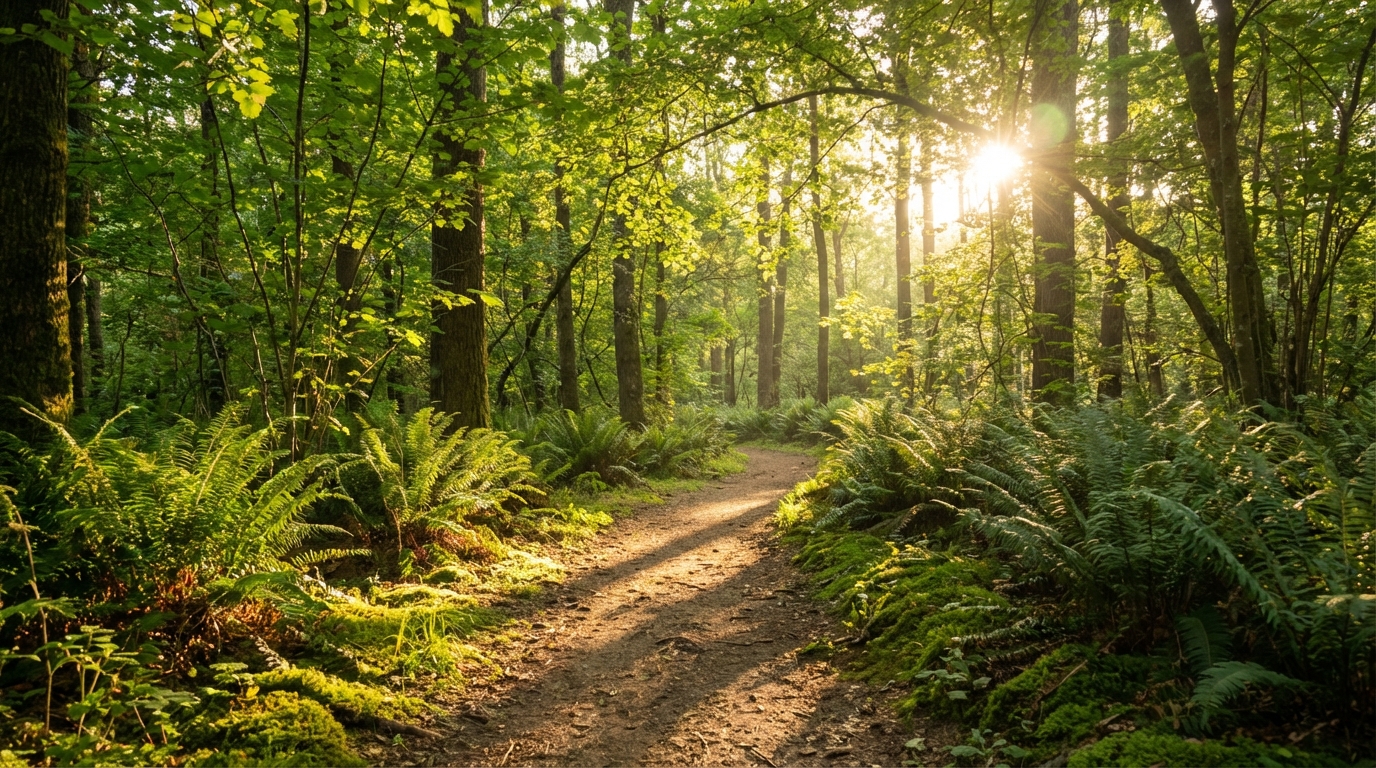
Stress is a common part of modern life, shaped by work demands, digital noise, and constant schedules. Many people look for practical ways to feel calmer without complicated tools or treatments. Natural surroundings, such as parks, forests, gardens, and even quiet shorelines, are often linked to lower stress levels. Research from psychology, biology, and environmental science helps explain why time spent in nature can feel deeply calming and restoring.
Understanding Stress and How It Affects the Body
Stress is the body’s response to pressure or challenge, whether physical or emotional. When stress continues for long periods, it can affect sleep, mood, focus, and overall health. The body releases hormones like cortisol and adrenaline, which are useful for short bursts of action but harmful when they stay elevated. Natural environments appear to help slow this stress response and support balance in the nervous system.
Everyday stressors often trigger the same biological reactions as more serious threats. Traffic noise, crowded spaces, and constant notifications can keep the body in a state of alert. Over time, this can lead to fatigue and reduced well-being. Natural settings provide a contrast to these stressors by offering calm patterns, gentle movement, and fewer sudden demands on attention.
The Human Connection to Nature
Humans evolved in close contact with the natural world for thousands of years. Forests, open landscapes, and water sources were part of daily life long before modern cities existed. This long history may help explain why natural environments feel familiar and comforting. Many researchers believe the human brain is still tuned to respond positively to natural cues.
This connection is sometimes described as an innate preference for nature. Natural scenes often feel easier to process than busy urban environments. Trees, clouds, and flowing water tend to change slowly and follow gentle patterns, which can reduce mental effort. As a result, the mind can relax rather than stay alert for potential threats.
How Natural Surroundings Calm the Mind
Natural settings support mental calm in several ways. One key factor is reduced mental overload, as nature offers fewer competing signals than city streets or screens. This allows attention to rest and recover. Calm focus replaces the constant scanning that often happens in stressful environments.
Another important element is a sense of being away from daily pressures. Even a short walk in a park can create mental distance from work tasks or personal worries. This shift in setting can make problems feel less urgent and easier to manage. Over time, repeated exposure to natural places can support better emotional regulation.
The Role of the Senses in Stress Reduction
Nature engages the senses in gentle and supportive ways. Soft colors, natural sounds, and fresh scents all contribute to a calming experience. Unlike loud or artificial stimuli, natural sensory input tends to be predictable and soothing. This sensory balance helps the nervous system slow down.
Visual Elements of Nature
Green landscapes, open skies, and flowing water are visually calming for many people. These scenes often include repeating patterns, such as leaves or waves, which are easy for the brain to process. Viewing natural scenery has been linked to lower muscle tension and slower heart rates. Even pictures of nature can offer some of these benefits.
Natural light also plays an important role in stress reduction. Sunlight helps regulate circadian rhythms, which influence sleep and mood. Time outdoors during daylight hours can support better energy levels and emotional stability. This visual connection to the natural world reinforces the body’s internal sense of timing.
Sounds Found in Natural Settings
Natural sounds such as birdsong, wind through trees, and flowing water are often described as calming. These sounds usually change gradually and do not demand immediate attention. The brain can process them without effort, allowing deeper relaxation. In contrast, sudden or loud noises can trigger stress responses.
Research suggests that natural sounds can lower perceived stress even in urban environments. Fountains, green walls, and recorded nature sounds are sometimes used to mask traffic noise. By reducing harsh sound input, these elements help create a more peaceful atmosphere. This shows how sound plays a key role in the calming effect of nature.
Smell and Touch in Natural Environments
Scents from plants, soil, and fresh air can influence mood and stress levels. Some natural scents are linked to feelings of calm and comfort. Breathing cleaner air away from heavy pollution may also support physical relaxation. These subtle sensory inputs work together to create a sense of ease.
Touch is another important sense when interacting with nature. Feeling grass underfoot, leaning against a tree, or touching cool water can ground attention in the present moment. These physical sensations can interrupt anxious thoughts. The body receives clear, calming signals that help reduce tension.
Biological Responses to Nature Exposure
Spending time in nature can lead to measurable changes in the body. Studies have found lower cortisol levels after walks in green spaces compared to urban walks. Heart rate and blood pressure may also decrease. These changes suggest that the body moves into a more relaxed state.
The parasympathetic nervous system, which supports rest and recovery, appears to become more active in natural settings. This shift helps the body repair itself and conserve energy. Over time, repeated activation of this system may improve resilience to stress. Nature provides a simple way to support these biological processes.
Psychological Benefits of Natural Environments
Beyond physical responses, nature offers strong psychological benefits. Time outdoors is often linked to improved mood and reduced feelings of anxiety. Natural settings can provide a sense of safety and comfort that supports emotional balance. This can be especially helpful during periods of high stress.
Nature also encourages mindfulness, or focused attention on the present moment. Watching clouds move or leaves sway draws attention away from worries about the past or future. This gentle focus can reduce rumination and mental fatigue. As a result, people often feel refreshed after spending time outdoors.
Attention Restoration and Mental Recovery
Daily tasks often require directed attention, which can become tired over time. Natural environments support a different kind of attention that feels effortless. This allows the brain’s focus systems to rest and recover. Researchers describe this as attention restoration.
When attention is restored, concentration and problem-solving abilities can improve. This may explain why people often feel clearer and more focused after time in nature. The effect does not require intense activity or long trips. Even short breaks in green spaces can support mental recovery.
The Role of Physical Activity Outdoors
Physical movement is known to reduce stress, and outdoor activity can enhance this effect. Walking, cycling, or stretching in natural settings often feels less demanding than indoor exercise. The environment itself provides motivation and enjoyment. This can make physical activity more sustainable.
Outdoor movement also combines the benefits of exercise with sensory exposure to nature. This dual effect supports both physical and mental relaxation. People may feel less pressure to perform and more freedom to move at a comfortable pace. As a result, stress reduction feels more natural and accessible.
Green Spaces and Blue Spaces
Different types of natural environments offer unique calming effects. Green spaces include forests, parks, fields, and gardens. Blue spaces refer to water environments such as lakes, rivers, and oceans. Both types are associated with reduced stress and improved well-being.
Green spaces often provide shade, soft textures, and a sense of enclosure. Blue spaces tend to create feelings of openness and gentle movement. Water reflections and rhythmic waves can be especially soothing. Access to a variety of natural settings may support diverse stress-reduction needs.
Nature in Urban Environments
Not everyone has access to large wilderness areas, but urban nature can still be effective. City parks, street trees, and community gardens offer important benefits. Even small green spaces can provide moments of calm. These areas help break up the intensity of built environments.
Urban nature can reduce stress by offering visual relief from concrete and traffic. It also supports social interaction and quiet reflection. Regular exposure to nearby green spaces has been linked to better mental health outcomes. This highlights the importance of integrating nature into city planning.
Nature and Social Connection
Natural settings often support positive social experiences. Parks and trails provide spaces for shared activities without strong social pressure. Conversations may feel easier and more relaxed outdoors. This social ease can further reduce stress.
Group activities in nature, such as walking or gardening, combine social support with calming surroundings. These experiences can strengthen relationships and provide a sense of belonging. Feeling connected to others is an important buffer against stress. Nature offers a supportive backdrop for these connections.
Effects on Children and Adolescents
Children and adolescents can be especially sensitive to stress. Natural play environments support emotional regulation and attention development. Outdoor play often encourages creativity and physical movement. These factors help young people manage stress in healthy ways.
Exposure to nature has been linked to improved focus and reduced behavioral problems in children. Green schoolyards and outdoor learning spaces may support calmer classroom behavior. Nature provides a setting where energy can be released and emotions processed. This can support long-term emotional health.
Benefits for Adults and Older Individuals
Adults often experience stress related to work, family, and health concerns. Nature offers a low-cost and flexible way to manage these pressures. Regular outdoor time can support mood stability and mental clarity. This is valuable across different stages of adult life.
For older individuals, gentle interaction with nature can support relaxation and mobility. Gardens, walking paths, and seating areas encourage safe movement. Natural settings may also reduce feelings of isolation. These benefits contribute to overall quality of life.
Nature in Work and Learning Environments
Workplaces and schools can be significant sources of stress. Introducing natural elements into these spaces can help. Windows with views of greenery, indoor plants, and outdoor break areas are common examples. These features support mental breaks and stress relief.
Access to nature during the workday may improve focus and job satisfaction. Short outdoor breaks can reduce fatigue and irritability. In learning environments, nature exposure may support attention and emotional regulation. These effects highlight the value of nature beyond leisure time.
Simple Ways to Increase Nature Exposure
Nature exposure does not require major lifestyle changes. Small adjustments can make a meaningful difference. The following approaches show how nature can be included in daily routines.
- Walking through a park or tree-lined street during breaks.
- Spending time near water, such as a river or pond.
- Adding plants to indoor spaces or balconies.
- Choosing outdoor seating when available.
- Opening windows to let in fresh air and natural sounds.
These simple actions can support regular contact with nature. Consistency is often more important than duration. Even brief moments can interrupt stress patterns. Over time, these habits can support a calmer daily experience.
Cultural and Personal Perspectives on Nature
Different cultures have long recognized the calming power of nature. Traditions around gardens, outdoor rituals, and seasonal activities reflect this understanding. These practices often emphasize balance, respect, and mindful presence. Cultural values can shape how nature is experienced and appreciated.
Personal preferences also influence the stress-reducing effects of nature. Some people feel most relaxed in forests, while others prefer open fields or coastal areas. Familiarity and positive memories can enhance the calming response. This personal connection makes nature a flexible and inclusive tool for stress management.
Barriers to Access and the Importance of Inclusion
Access to natural spaces is not equal for everyone. Factors such as location, mobility, and safety can limit opportunities. Addressing these barriers is important for public health. Inclusive design can help ensure that more people benefit from nature.
Community parks, accessible trails, and safe public spaces can reduce stress at a population level. Efforts to increase green space in underserved areas are especially valuable. When nature is accessible, its calming effects can reach a wider audience. This supports healthier and more resilient communities.
Long-Term Stress Management and Daily Life
Nature works best as part of a broader approach to stress management. Regular exposure can build emotional resilience over time. This does not replace other supports but complements them. Nature offers a steady and reliable source of calm.
Daily life often includes unavoidable stressors, but natural surroundings can soften their impact. By providing moments of rest and reflection, nature supports balance. This ongoing relationship with the natural world helps maintain emotional well-being. The calming effects continue as long as the connection is maintained.