
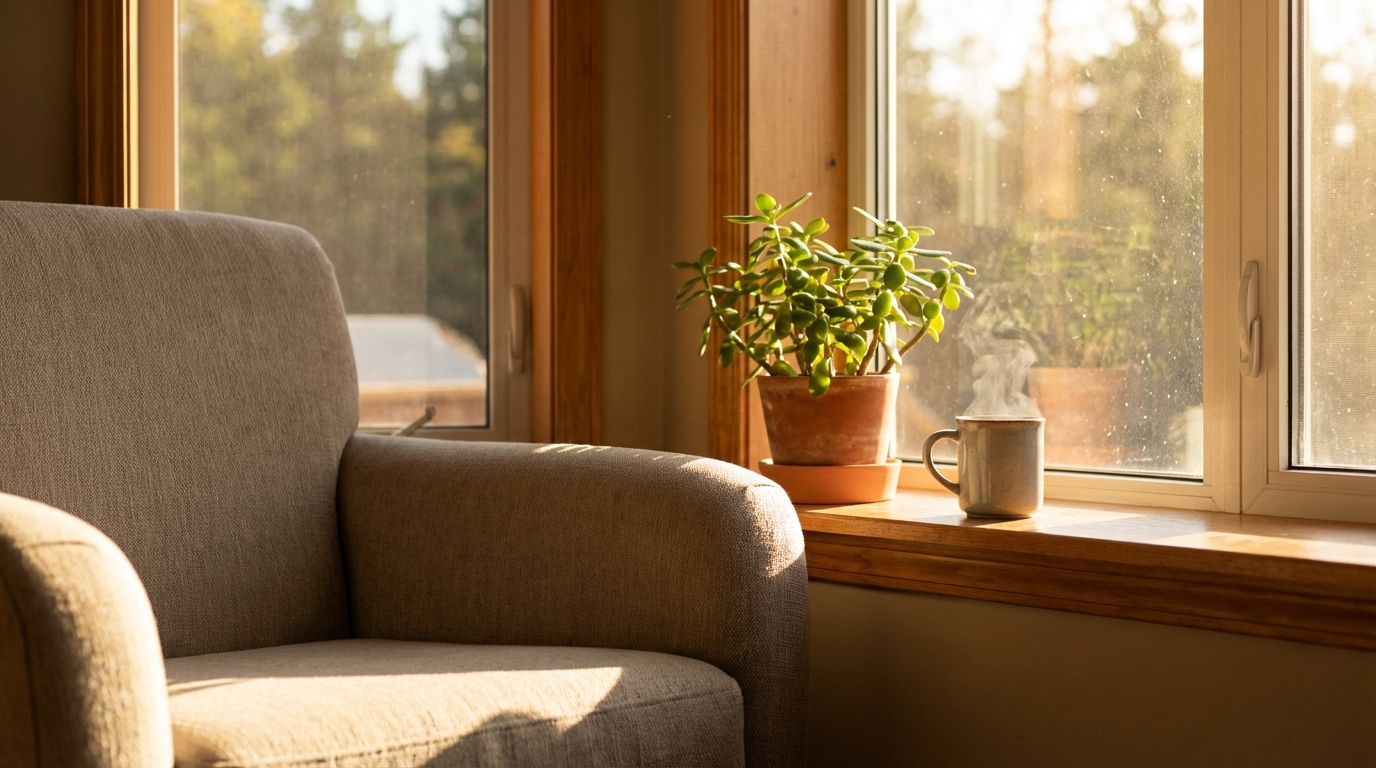
Natural light has a unique way of changing how indoor spaces feel. Rooms filled with daylight often seem more welcoming, calm, and comfortable than spaces lit only by artificial sources. Even without noticing it, people tend to respond positively to sunlight entering a home through windows, doors, or skylights.
The feeling that natural light creates indoors is not only about brightness. It connects to how the human body works, how the brain processes space, and how emotions respond to the environment. Understanding why daylight feels better indoors helps explain why homes with good natural light are often described as healthier, happier, and easier places to live.
Understanding Natural Light Indoors
Natural light refers to sunlight that enters an indoor space directly or indirectly during the day. Unlike artificial lighting, daylight changes in color, intensity, and direction from morning to evening. These changes help indoor environments feel more alive and connected to the outside world.
Inside a home, natural light can come through windows, glass doors, skylights, or even reflected surfaces. The way it spreads across walls and floors creates soft shadows and gentle highlights. This movement and variation make indoor spaces feel less flat and more visually interesting.
Many people describe naturally lit rooms as feeling “right” or “comfortable” without being able to explain why. This reaction is rooted in both biology and psychology. Humans evolved under the sun, and indoor daylight continues to support natural patterns that artificial lighting often struggles to match.
How the Human Body Responds to Daylight
The human body is deeply connected to the daily cycle of light and dark. Natural light helps regulate internal systems that control sleep, alertness, and overall energy levels. When daylight is present indoors, the body receives signals that support balance and routine.
Even short periods spent in naturally lit spaces can influence how a person feels throughout the day. Daylight exposure indoors helps maintain a sense of time and rhythm, especially for people who spend many hours at home. This connection plays an important role in physical comfort and mental clarity.
Circadian Rhythms and Daily Timing
Circadian rhythms are internal clocks that follow a roughly 24-hour cycle. These rhythms are strongly influenced by light, especially natural daylight. When sunlight enters a home in the morning, it signals the body to wake up and become alert.
As the day progresses, changes in daylight help the body understand when to slow down. Indoor spaces that receive natural light support these natural patterns better than spaces that rely only on artificial lighting. This can lead to more consistent energy levels during the day.
Hormones and Mood Balance
Exposure to daylight affects the release of important hormones such as serotonin and melatonin. Serotonin is linked to feelings of calm, focus, and emotional stability. Natural light indoors can support healthy serotonin levels, which may help improve mood.
Melatonin, which helps regulate sleep, is influenced by the absence of light in the evening. Homes that allow plenty of daylight during the day can help create a clearer contrast between daytime and nighttime. This contrast supports healthier sleep patterns without any direct effort.
Mental and Emotional Comfort
Natural light often makes indoor spaces feel emotionally easier to be in. Bright, sunlit rooms are commonly associated with openness and safety. This emotional response can reduce feelings of tension and make everyday activities feel less demanding.
When a room feels pleasant, people tend to relax more easily. Daylight helps soften hard edges and reduces the feeling of being closed in. Over time, this can shape how people feel about their home as a place of comfort.
Stress Reduction in Daily Life
Stress can build up in dark or poorly lit environments. Natural light has a calming effect that helps lower mental strain. Even indirect sunlight can make a room feel less heavy and more manageable.
Homes with good daylight often feel less rushed and more balanced. This can be especially helpful during busy days when small environmental comforts matter. The presence of daylight supports a calmer background for daily routines.
Focus, Attention, and Creativity
Natural light supports mental focus by providing steady, balanced illumination. Unlike harsh artificial lighting, daylight reduces visual distractions and glare. This makes it easier to concentrate on tasks such as reading, writing, or thinking.
Creative thinking also benefits from natural light. Sunlit spaces often feel more inspiring and flexible. The connection to the outdoors can encourage fresh ideas and a sense of mental openness.
Visual Comfort and Eye Health
Lighting plays a major role in how comfortable the eyes feel indoors. Natural light provides a full range of light wavelengths that artificial bulbs often lack. This balanced light supports clearer and more comfortable vision.
When indoor lighting matches natural patterns, the eyes do not need to work as hard. This can reduce fatigue during long periods spent indoors. Over time, better visual comfort contributes to overall well-being.
Color Accuracy and Natural Appearance
Daylight shows colors more accurately than most artificial lights. Paint, fabrics, and surfaces appear closer to how they look outdoors. This makes indoor spaces feel more natural and familiar.
Accurate color perception also helps with daily tasks. Cooking, choosing clothes, or organizing items becomes easier when colors are clear and true. Natural light supports these small but important moments.
Reducing Eye Strain
Artificial lighting can create sharp contrasts and uneven brightness. These conditions may lead to eye strain, especially during reading or screen use. Natural light spreads more evenly across a room.
When daylight is present, the eyes adjust more comfortably. This reduces the need for squinting or frequent breaks. A well-lit room with natural light can feel easier on the eyes throughout the day.
Perception of Space and Interior Design
Natural light changes how people perceive the size and shape of a room. Bright spaces often feel larger and more open than they actually are. This effect can improve comfort without changing the physical layout.
Design elements respond differently under natural light. Textures, patterns, and materials become more noticeable. This adds depth and interest to indoor environments.
Making Rooms Feel Larger
Sunlight reduces dark corners and heavy shadows. When light reaches across walls and ceilings, boundaries feel less rigid. This creates a sense of openness that artificial lighting may not provide.
Even small rooms can feel more comfortable with natural light. The sense of space comes from brightness and visual clarity rather than square footage. This makes daylight especially valuable in compact homes.
Highlighting Materials and Surfaces
Wood, stone, fabric, and paint all interact with daylight in unique ways. Natural light reveals subtle details that may be hidden under artificial bulbs. These details add warmth and character to a room.
As daylight changes throughout the day, surfaces appear different. This gentle variation keeps indoor spaces visually engaging. The home feels dynamic rather than static.
Daily Activities Enhanced by Daylight
Many everyday activities feel easier in naturally lit spaces. Tasks often seem less tiring and more enjoyable when sunlight is present. This effect can influence how people experience their daily routines.
Daylight supports both physical and mental tasks. From morning routines to afternoon chores, natural light provides a supportive backdrop. This can make the home feel more functional and pleasant.
Working and Studying at Home
Natural light helps maintain alertness during work or study. It supports steady focus without the harshness of bright artificial lighting. This can be especially helpful during long periods of concentration.
Homes with good daylight often feel better suited for productive activities. The connection to the outdoor environment reduces feelings of isolation. This can improve motivation and mental endurance.
Cooking, Cleaning, and Movement
Daylight improves visibility during hands-on tasks like cooking and cleaning. Clear lighting helps with safety and accuracy. Colors and textures are easier to see and understand.
Physical movement also feels more natural in sunlit spaces. Bright rooms encourage activity and engagement. This supports a more active and comfortable indoor lifestyle.
Seasonal and Weather Connections
Natural light indoors changes with the seasons. These changes help people stay connected to the passage of time. Even when spending most of the day inside, seasonal light patterns remain noticeable.
During darker months, any available daylight can feel especially valuable. Sunlight entering a home provides a reminder of the outside world. This connection can support emotional balance throughout the year.
Energy Awareness and Daily Habits
Homes filled with daylight often rely less on artificial lighting during the day. This can subtly influence daily habits and awareness. People may become more attuned to natural cycles of light and dark.
Daylight can encourage routines that follow natural timing. Activities may naturally shift to brighter parts of the day. This alignment supports comfort and ease without conscious planning.
Health-Related Considerations Indoors
Natural light indoors is often linked to overall health and comfort. While it is not a cure or treatment, daylight supports conditions that help people feel better physically and mentally. Its influence is gentle but consistent.
Spending time in sunlit spaces can be especially important for people who stay indoors most of the day. Daylight provides sensory input that supports balance. This makes the indoor environment more supportive.
Sleep Quality and Rest Patterns
Exposure to natural light during the day helps support better rest at night. Daylight strengthens the body’s understanding of daytime activity. This can make it easier to wind down in the evening.
Homes that receive morning and afternoon sunlight often support healthier sleep routines. The clear contrast between light and dark helps regulate rest. This benefit builds gradually over time.
Vitamin D Awareness
Sunlight is known for its role in vitamin D production. While most vitamin D comes from outdoor exposure, indoor daylight still supports awareness of sunlight’s importance. Bright homes encourage time spent near windows and light-filled areas.
This visual connection to sunlight can promote healthier habits. People may feel more inclined to step outside or open windows. Natural light indoors supports a lifestyle that values daylight.
Social and Emotional Atmosphere at Home
Natural light influences how people interact inside a home. Bright spaces often feel more inviting for conversation and shared activities. This can shape the social tone of a household.
Sunlit rooms may encourage gatherings and relaxed interaction. The environment feels open and positive. This supports emotional connection among those who share the space.
Common Barriers to Natural Light Indoors
Many homes face challenges when it comes to natural light. Understanding these barriers helps explain why some indoor spaces feel darker or less comfortable. These factors often relate to structure, location, or design choices.
Several common elements can limit daylight entering a home:
- Small or poorly placed windows
- Obstructions such as nearby buildings or trees
- Heavy curtains or dark window coverings
- Interior layouts that block light flow
These barriers do not mean a home cannot benefit from natural light. Awareness of these factors highlights the value of even small amounts of daylight. When light is present, its positive effects are often noticeable.
Practical Ways Homes Capture Daylight
Homes use many features to bring daylight indoors. These features are often part of basic design rather than special additions. Their role is to guide and spread sunlight through living spaces.
Common design elements that support natural light include:
- Windows placed to catch morning or afternoon sun
- Glass doors that connect indoor and outdoor areas
- Light-colored walls that reflect sunlight
- Open layouts that allow light to travel
When these elements work together, daylight reaches deeper into the home. The result is a space that feels brighter and more balanced. Natural light becomes part of daily indoor life rather than a rare feature.