
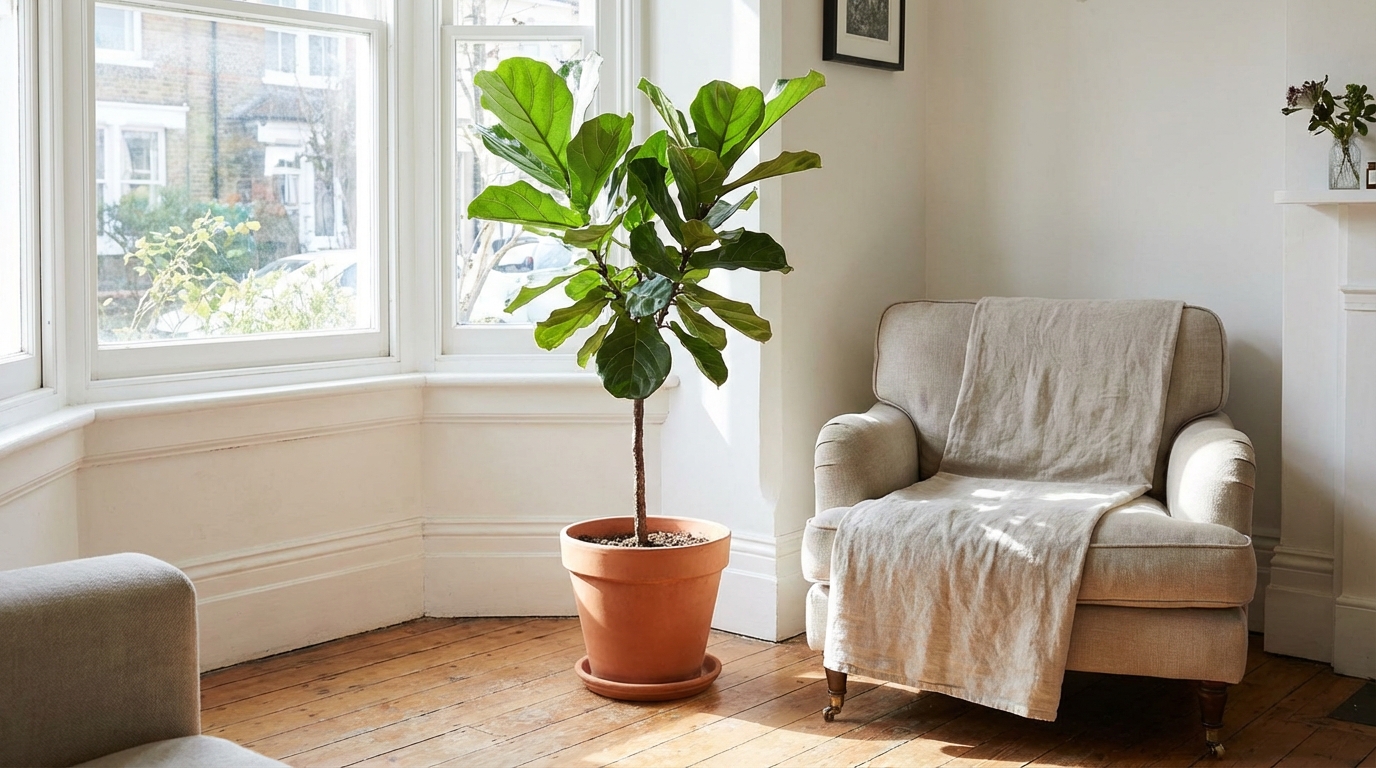
Indoor plants have moved from simple decoration to a recognized part of healthier living and working spaces. Homes, offices, schools, and healthcare settings often include greenery because people notice changes in how these spaces feel and function. The presence of plants can influence both the physical environment and the emotional experience of being indoors. Understanding why indoor plants improve spaces helps explain their growing popularity across many types of indoor settings.
Plants interact with indoor environments in quiet but meaningful ways. They can affect air quality, humidity, light perception, and even sound. At the same time, they shape how people feel, think, and behave while spending time inside. These combined effects make indoor plants more than a design choice and closer to a functional element of indoor life.
How Indoor Plants Influence Air Quality
Indoor air quality is a major concern because people often spend most of their time inside enclosed spaces. Indoor air can contain dust, chemical compounds, and other pollutants that build up over time. Plants interact with the air through natural biological processes that can slightly change its composition. While plants are not a replacement for ventilation systems, they can play a supportive role.
The influence of plants on air quality depends on factors such as plant species, size, number, and the conditions of the room. Light, airflow, and maintenance all affect how well plants perform their natural functions. Even with these limits, the presence of plants can create a sense of fresher air that many people notice quickly. This perception often contributes to greater comfort indoors.
Photosynthesis and Oxygen Exchange
Photosynthesis is the process by which plants use light to convert carbon dioxide into energy. During this process, plants release oxygen as a byproduct. In indoor spaces, this exchange can slightly improve the balance of gases in the air. Although the oxygen increase is modest, it still supports a feeling of freshness.
At night, many plants switch to respiration and release small amounts of carbon dioxide. Some species, however, continue to absorb carbon dioxide after dark. The overall effect in a typical indoor setting remains small but positive. The presence of living plants helps create a more dynamic and natural air environment.
Absorption of Volatile Organic Compounds
Volatile organic compounds, often called VOCs, are chemicals released from furniture, paints, cleaners, and building materials. These compounds can contribute to headaches, irritation, and discomfort. Some indoor plants can absorb certain VOCs through their leaves and roots. Microorganisms in the soil also play a role in breaking down these compounds.
The ability of plants to reduce VOC levels varies widely. Research suggests that meaningful reductions usually require a high number of plants in a well-designed system. Even so, the process highlights how plants interact with indoor air on a chemical level. This interaction adds to the overall sense that plant-filled spaces feel cleaner and more pleasant.
Humidity Regulation
Plants release water vapor into the air through a process called transpiration. This natural release can slightly increase indoor humidity levels. In dry indoor environments, especially during winter, this added moisture can improve comfort. Proper humidity supports skin health and reduces irritation in the eyes and throat.
Balanced humidity also affects how warm or cool a space feels. Air that is too dry can make rooms feel colder than they are. By contributing small amounts of moisture, plants help stabilize the indoor environment. This subtle change often improves how people experience a room over long periods.
Scientific Research on Indoor Plants and Air
Scientific interest in indoor plants increased as concerns about indoor pollution became more common. Early studies explored how plants interact with specific pollutants in controlled settings. These experiments showed that plants could remove certain chemicals from sealed chambers. The results sparked public interest and widespread discussion.
Later research added important context by studying real-world environments. Scientists found that while plants alone cannot solve indoor air pollution, they contribute in supportive ways. Ventilation, building design, and maintenance remain critical. Plants work best as part of a broader approach to indoor environmental quality.
Psychological Effects of Indoor Plants
Beyond physical changes, indoor plants have a strong influence on mood and emotional well-being. Humans tend to respond positively to natural elements, even when they are indoors. This response is often described as a connection to nature. Plants provide a living reminder of the outdoors within built environments.
Seeing greenery can trigger feelings of calm and comfort. These emotional responses happen quickly and often without conscious thought. Over time, the presence of plants can shape how a space is perceived and how people feel while using it. This emotional layer is one of the strongest reasons plants improve indoor spaces.
Stress Reduction and Relaxation
Stress is common in modern indoor environments, especially in workplaces and busy households. Studies have shown that visual contact with plants can lower perceived stress levels. Greenery appears to slow the heart rate and promote a more relaxed mental state. These effects are small but consistent across many settings.
Plants create visual softness that contrasts with hard surfaces like screens and walls. This contrast helps reduce mental fatigue. Over time, even brief daily exposure to plants can support better stress management. The effect is particularly noticeable in environments that would otherwise feel sterile or crowded.
Improved Mood and Emotional Balance
Mood is influenced by light, color, and sensory experiences. Plants add natural color variations that change subtly over time. These changes make indoor spaces feel more alive and engaging. People often report feeling more positive and balanced in rooms that include plants.
Caring for plants can also provide a sense of purpose and routine. Watering, pruning, and observing growth offer small moments of satisfaction. These activities support emotional well-being by encouraging mindfulness. Even low-maintenance plants can provide these benefits.
Focus, Attention, and Mental Clarity
Indoor plants can support better concentration and attention. Research suggests that natural elements help restore mental energy. This effect is especially useful in environments that demand long periods of focus, such as offices and classrooms. Plants provide gentle visual breaks that reduce mental overload.
Improved attention does not require large or complex plant displays. Even a few well-placed plants can make a difference. The presence of greenery helps balance visual stimulation from screens and artificial lighting. This balance supports clearer thinking throughout the day.
Physical Health and Comfort Indoors
Physical comfort indoors is influenced by air quality, humidity, and sensory factors. Plants contribute to these elements in subtle but meaningful ways. While they are not medical tools, their effects support general comfort and well-being. This support becomes more noticeable in spaces where people spend many hours.
Indoor plants can also influence how people perceive temperature and freshness. A room with plants often feels less stale, even if temperature and airflow remain unchanged. These perceptions affect comfort and satisfaction. Over time, improved comfort can support healthier daily routines.
Respiratory Comfort
Dry air and airborne particles can irritate the respiratory system. By slightly increasing humidity and trapping dust on their leaves, plants can reduce irritation. This is especially helpful for people sensitive to dry indoor conditions. Regular cleaning of plant leaves helps maintain this benefit.
Plants do not eliminate allergens, but they can contribute to a cleaner-feeling environment. Good plant care is essential to avoid mold or pests. When maintained properly, plants support respiratory comfort rather than causing problems. This balance highlights the importance of thoughtful plant selection and care.
Sleep and Restful Environments
Bedrooms and resting areas benefit from calm and stable environments. Plants can support relaxation through their visual presence and subtle environmental effects. Some people find that plants help create a more peaceful atmosphere for sleep. This effect is largely psychological but still meaningful.
Choosing appropriate plants for sleeping areas matters. Low-fragrance, low-maintenance plants are often preferred. Proper placement ensures that plants enhance the space without causing clutter. This careful approach helps maintain restful indoor environments.
Social and Aesthetic Impacts of Indoor Plants
Indoor plants shape how spaces are perceived socially and visually. They influence first impressions and how welcoming a room feels. In shared environments, plants can make spaces feel more cared for and human-centered. This perception affects how people interact within those spaces.
Plants also support personal expression and identity. The choice of plant types, containers, and placement reflects taste and values. These choices contribute to the overall character of a space. Over time, plants become part of the environment’s identity.
Creating a Sense of Welcome
Entryways, waiting rooms, and common areas benefit from greenery. Plants soften transitions and reduce feelings of formality or tension. This effect is important in places where people may feel anxious or uncertain. A welcoming environment supports positive social interactions.
In offices, plants can reduce the feeling of institutional design. They make workspaces feel more personal and approachable. This can improve morale and cooperation. Small changes in atmosphere often lead to noticeable social benefits.
Enhancing Visual Design
Plants add texture, color, and variation to indoor design. Unlike static decor, plants grow and change over time. This dynamic quality keeps spaces visually interesting. Designers often use plants to balance hard lines and neutral tones.
Visual interest supports engagement and comfort. Rooms with plants tend to feel more complete and intentional. Even minimalist designs benefit from a touch of greenery. Plants adapt to many design styles, making them versatile design elements.
Practical Considerations for Using Indoor Plants
To gain the benefits of indoor plants, practical factors must be considered. Light, space, and maintenance needs vary widely among plant species. Matching plants to the environment increases success and satisfaction. Thoughtful planning prevents common problems.
Indoor plant use is most effective when it fits naturally into daily routines. Overcomplicated setups can lead to neglect. Simple choices often provide the best long-term results. Understanding basic needs supports healthier plants and better outcomes.
Light and Placement
Light is one of the most important factors for indoor plant health. Some plants thrive in bright, indirect light, while others tolerate low-light conditions. Assessing natural light sources helps guide plant selection. Artificial lighting can also support plant growth when needed.
Placement affects both plant health and room function. Plants should not block pathways or create clutter. Proper placement allows plants to enhance a space without becoming obstacles. This balance supports both aesthetics and usability.
Maintenance and Care
Watering, cleaning, and occasional pruning are basic plant care tasks. Overwatering is a common mistake that can harm plants. Understanding each plant’s needs helps prevent problems. Consistent care supports long-term benefits.
Low-maintenance plants are often ideal for busy environments. These plants tolerate occasional neglect and adapt to indoor conditions. Choosing the right plants reduces stress and increases enjoyment. Healthy plants provide the greatest environmental and emotional benefits.
Common Misunderstandings About Indoor Plants
Indoor plants are sometimes expected to solve complex environmental problems. This expectation can lead to disappointment or misuse. Understanding what plants can and cannot do is important. Clear expectations support realistic and positive experiences.
Plants work best as part of a broader indoor environment strategy. They complement ventilation, cleaning, and design choices. Viewing plants as supportive elements rather than solutions helps maintain balance. This perspective encourages thoughtful use.
Limits of Air Cleaning Abilities
While plants can absorb certain pollutants, their impact in typical rooms is limited. Effective air cleaning usually requires many plants or specialized systems. Relying solely on plants for air purification is not practical. Ventilation and filtration remain essential.
Despite these limits, plants still contribute to perceived air freshness. The psychological effect of greenery should not be underestimated. Feeling that air is cleaner can improve comfort and satisfaction. This perception works alongside physical factors.
Allergies and Sensitivities
Some people worry that indoor plants may worsen allergies. In most cases, plants themselves are not major allergens. Problems usually arise from mold, pests, or poor maintenance. Proper care reduces these risks.
Choosing plants with low pollen production is helpful in shared spaces. Regular cleaning and monitoring support a healthy environment. When managed carefully, plants are suitable for most indoor settings. Awareness and care make a significant difference.
Indoor Plants Across Different Types of Spaces
The benefits of indoor plants vary depending on the type of space. Homes, offices, schools, and healthcare facilities each have unique needs. Plants can be adapted to support these different environments. Flexibility is one of their strengths.
Understanding the role of plants in each setting helps maximize benefits. Design goals, user needs, and maintenance resources all matter. Tailoring plant use improves outcomes. This approach supports long-term success.
Homes and Living Spaces
In homes, plants contribute to comfort and personal well-being. They support relaxation and provide a connection to nature. Living spaces often allow for greater variety and personal choice. This freedom encourages experimentation and creativity.
Plants in kitchens, living rooms, and bedrooms each serve different roles. Some add visual interest, while others support calm. Matching plant choices to room function enhances benefits. This thoughtful placement improves daily life.
Workplaces and Offices
Offices benefit from plants that support focus and reduce stress. Greenery can soften the impact of screens and artificial lighting. Employees often report greater satisfaction in plant-filled workplaces. These effects support productivity and morale.
Shared responsibility for plant care can encourage teamwork. Alternatively, professional maintenance ensures consistency. Either approach can be effective. The key is integration into the work environment.
Schools and Learning Environments
In schools, plants support attention and calm. Classrooms with plants may feel more engaging and less rigid. Students benefit from exposure to natural elements. This exposure supports both learning and emotional regulation.
Plants can also serve educational purposes. They provide opportunities to learn about biology and responsibility. Simple plant care tasks build awareness and respect for living systems. These experiences add value beyond decoration.
Safety and Responsibility in Indoor Plant Use
Safety is an important consideration when introducing plants indoors. Some plants are toxic if ingested by pets or children. Awareness and careful selection reduce risks. Safety planning supports positive experiences.
Responsible plant use includes understanding potential hazards. Placement and education help prevent accidents. This approach ensures that plants improve spaces without creating problems. Thoughtful choices support long-term enjoyment.
Pet- and Child-Friendly Choices
Many common houseplants are safe for pets and children. Researching plant toxicity helps guide selection. Choosing non-toxic options reduces worry. This is especially important in family homes and shared spaces.
Proper placement adds another layer of safety. Keeping plants out of reach prevents accidental ingestion. Education also plays a role in prevention. These steps support a safe and welcoming environment.
Cleanliness and Hygiene
Maintaining clean pots, soil, and leaves supports indoor hygiene. Standing water and decaying material can cause issues. Regular inspection helps identify problems early. Clean plants contribute to healthier spaces.
Simple routines make maintenance manageable. Wiping leaves and checking soil moisture take little time. These tasks support both plant health and indoor comfort. Clean, healthy plants provide the greatest benefits.