
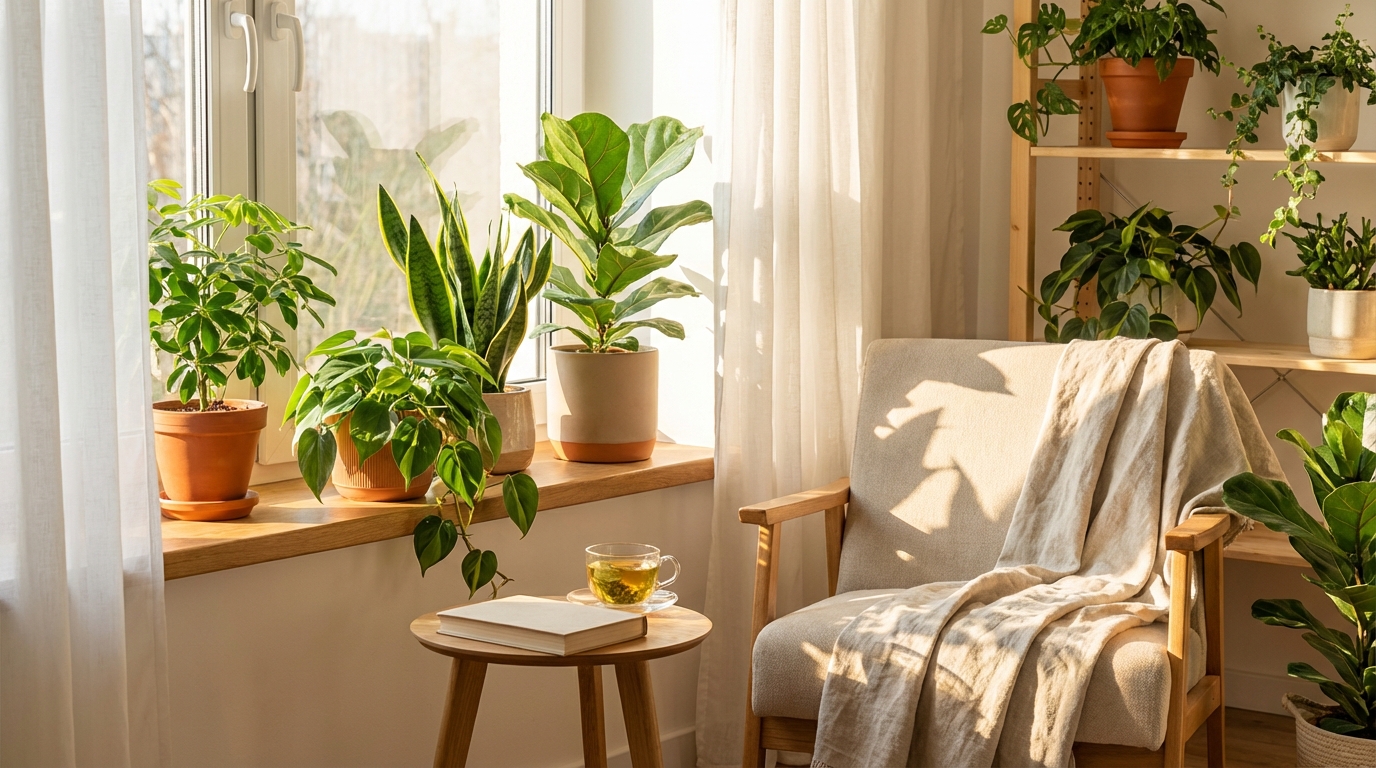
Indoor plants have become a common part of homes, offices, schools, and public buildings. They are often chosen for style, but their value goes far beyond decoration. Many people notice that rooms with plants feel calmer, fresher, and more welcoming. This sense of comfort is linked to how plants influence both indoor air and human mood in quiet, steady ways.
Comfort indoors is shaped by many small factors working together. Air quality, humidity, light, sound, and emotional response all play a role in how a space feels during daily use. Indoor plants interact with several of these factors at once. By looking closely at how plants affect air and mood, it becomes easier to understand why they improve comfort in such a reliable way.
Indoor Air Quality and Everyday Comfort
Air quality is one of the most important elements of indoor comfort, yet it is often invisible. People spend many hours inside, breathing air that can contain dust, chemicals, and stale gases. Indoor plants influence air conditions slowly and gently, helping spaces feel more breathable and balanced over time.
While plants are not machines that instantly clean the air, they take part in natural processes that support healthier indoor environments. Their leaves, roots, and surrounding soil all interact with air in different ways. These interactions can improve how air feels, even when changes are subtle.
Oxygen, Carbon Dioxide, and Air Balance
Plants use carbon dioxide and release oxygen through photosynthesis, a process that most people learn about in school. Indoors, this process happens at a smaller scale than outdoors, but it still contributes to air balance. During daylight hours, plants absorb carbon dioxide that builds up from breathing, cooking, and other activities.
Even small shifts in oxygen and carbon dioxide levels can affect comfort. Higher carbon dioxide levels are linked to feelings of tiredness and difficulty concentrating. By supporting natural gas exchange, indoor plants help create air that feels less heavy and more refreshing.
Plant Interaction with Airborne Chemicals
Indoor air often contains volatile organic compounds, or VOCs, released from furniture, paint, cleaning products, and synthetic materials. These compounds may cause irritation, headaches, or discomfort for some people. Plants can absorb small amounts of these substances through their leaves and roots.
Microorganisms living in plant soil also play a role in breaking down certain airborne chemicals. This process is gradual and varies by plant type and room conditions. While plants should not replace proper ventilation, they support a more comfortable indoor atmosphere by reducing chemical buildup.
Humidity and Moisture Balance
Indoor air can become very dry, especially during winter or in buildings with strong heating and cooling systems. Dry air may cause dry skin, irritated eyes, and discomfort in the nose and throat. Plants release moisture into the air through transpiration, a natural process tied to water movement within the plant.
This added moisture helps balance humidity levels, making the air feel softer and easier to breathe. Rooms with plants often feel less harsh during dry seasons. Balanced humidity also supports wooden furniture, musical instruments, and other materials that react to dry air.
Emotional Comfort and Mental Well-Being
Comfort is not only physical; it is also emotional. Indoor environments can influence mood, stress levels, and overall mental well-being. Plants affect these emotional responses in subtle but meaningful ways, helping spaces feel safer and more pleasant.
Human beings have a long history of connection with natural environments. Even small signs of nature indoors can trigger positive emotional responses. Plants provide living movement, natural color, and organic shapes that contrast with hard surfaces and artificial materials.
Stress Reduction and Calmness
Studies in environmental psychology show that seeing plants can reduce stress and anxiety. The presence of greenery is linked to lower heart rates and more relaxed body responses. This effect can occur even when plants are not the main focus of attention.
Indoor plants help create visual rest in busy or crowded spaces. Their leaves and growth patterns draw the eye gently, offering a mental break from screens, sharp lines, and constant motion. This visual calm supports emotional comfort throughout the day.
Focus, Attention, and Mental Clarity
Comfort also includes the ability to focus without mental strain. Spaces that feel dull or overly artificial can reduce attention and increase fatigue. Plants introduce variety and natural interest, which can help maintain alertness.
Research suggests that rooms with plants may support better concentration and task performance. This effect is especially helpful in offices, classrooms, and home work areas. By improving mood and reducing mental fatigue, plants support a more comfortable cognitive environment.
The Role of Natural Connection
The idea that humans benefit from contact with nature is often described as biophilia. This concept explains why natural elements feel comforting even in small doses. Indoor plants act as daily reminders of outdoor environments, seasons, and living systems.
This connection can be especially important in urban settings where access to nature is limited. Plants help soften the emotional impact of enclosed spaces. Their presence supports a sense of balance and well-being that contributes to overall comfort.
Sensory Comfort Beyond Sight
Comfort is shaped by all the senses, not just what is seen. Indoor plants influence sound, smell, and even how temperature is perceived. These sensory effects work together to shape how a room feels during long periods of use.
Although these effects are often subtle, they become noticeable over time. People may not always identify plants as the source, but they often describe plant-filled spaces as more pleasant and easier to stay in.
Sound Softening and Acoustics
Hard surfaces like glass, concrete, and metal can cause sound to bounce around a room. This can increase noise levels and make spaces feel stressful or tiring. Plants help break up these surfaces with leaves, stems, and soil.
By absorbing and scattering sound, plants can slightly reduce echo and background noise. This is especially helpful in open offices, waiting areas, and large rooms. Improved acoustics contribute to a calmer and more comfortable environment.
Visual Softness and Light Balance
Indoor lighting can sometimes feel harsh, especially when it comes from overhead fixtures or screens. Plants interact with light by filtering, reflecting, and diffusing it. Leaves create gentle shadows and highlights that soften the visual field.
This visual softness reduces eye strain and adds depth to a room. Spaces with plants often feel warmer and more balanced, even without changes to lighting equipment. These visual qualities support comfort during long periods indoors.
Natural Scents and Air Perception
Some indoor plants release mild natural scents, while others influence how air smells by reducing stale odors. Even plants without strong fragrances can make air feel fresher. This effect is partly psychological and partly linked to air moisture and movement.
Fresh-feeling air improves comfort and mood. It reduces the need for artificial air fresheners, which can irritate sensitive individuals. Natural scent and cleaner-feeling air contribute to a more inviting indoor space.
Comfort in Daily Activities and Routines
Indoor plants influence comfort during everyday activities, from working and resting to eating and socializing. Their effects are not limited to special spaces or moments. Instead, they support comfort throughout normal daily routines.
Because plants are passive and constant, they improve comfort without requiring attention. Their steady presence allows people to benefit from their effects without changing habits or schedules.
Sleep and Restful Spaces
Bedrooms and resting areas benefit from calm air and a relaxed mood. Plants that support humidity balance and visual calm can make these spaces feel more restful. A peaceful environment supports better sleep quality.
While not all plants are suitable for bedrooms, many low-maintenance options work well. Their presence helps create a sense of safety and relaxation. This emotional comfort supports rest and recovery.
Work, Study, and Productivity
Comfort at work or study is closely tied to air quality and mental state. Stale air, noise, and visual clutter can reduce productivity. Plants help counter these issues by supporting focus and reducing stress.
In workspaces, plants can also improve satisfaction with the environment. Employees and students often report feeling more positive in rooms with greenery. This emotional response contributes to long-term comfort and engagement.
Shared and Social Areas
Living rooms, dining areas, and shared spaces benefit from welcoming atmospheres. Plants make these areas feel warmer and more lived-in. They help guests feel at ease without drawing attention.
Comfortable social spaces encourage longer, more relaxed interactions. Plants support this by reducing tension and adding natural beauty. Their presence enhances the overall experience of being together indoors.
Choosing Plants That Support Comfort
Not all indoor plants affect comfort in the same way. Factors such as leaf size, growth pattern, and care needs influence how a plant interacts with air and mood. Choosing the right plants helps maximize comfort benefits.
Plants that are healthy and well-suited to the space provide the strongest positive effects. Poorly matched plants can struggle and may not offer the same comfort benefits.
Plant Characteristics That Matter
Plants with broad leaves often interact more with air and light. Dense foliage can support humidity and sound absorption. Growth habits also affect how plants shape visual space.
Low-maintenance plants reduce stress rather than adding to it. When care routines are simple, plants remain a source of comfort instead of becoming a burden.
Some plant types are especially popular for improving indoor comfort because they are adaptable and resilient:
- Snake plants, known for their upright leaves and tolerance of low light.
- Pothos, valued for trailing growth and easy care.
- Peace lilies, appreciated for broad leaves and visual softness.
- Spider plants, often chosen for air interaction and fast growth.
- Rubber plants, which add structure and large leaf surfaces.
These plants work well in many indoor environments. Their shared qualities make them reliable choices for supporting air comfort and mood. Proper placement and care help them perform at their best.
Placement and Care Considerations
Where plants are placed affects how they influence comfort. Grouping plants can strengthen humidity and visual impact. Spreading plants throughout a room helps distribute benefits more evenly.
Regular watering, appropriate light, and occasional cleaning of leaves keep plants healthy. Healthy plants interact more effectively with air and provide stronger mood benefits. Simple care routines support long-term comfort.
Understanding Limits and Realistic Expectations
Indoor plants offer many comfort benefits, but they are not a cure-all. They work best as part of a broader approach to healthy indoor environments. Ventilation, cleaning, and thoughtful design remain important.
Expectations should match reality. Plants improve comfort gradually and subtly, not instantly or dramatically. Their value lies in steady support rather than quick fixes.
Plants and Modern Buildings
Modern buildings are designed with sealed windows and controlled air systems. In these spaces, plants provide a natural counterbalance to mechanical environments. They add life to spaces that might otherwise feel rigid.
While plants cannot replace air filters or climate systems, they soften their effects. This balance between technology and nature supports comfort and well-being.
Emotional Response Over Time
The comfort provided by plants often grows with familiarity. As people live and work with plants, they form small routines around care and observation. These routines can support mindfulness and emotional stability.
Over time, plants become part of the emotional landscape of a space. Their steady growth and change add meaning and continuity. This ongoing relationship supports comfort in ways that are both practical and emotional.