
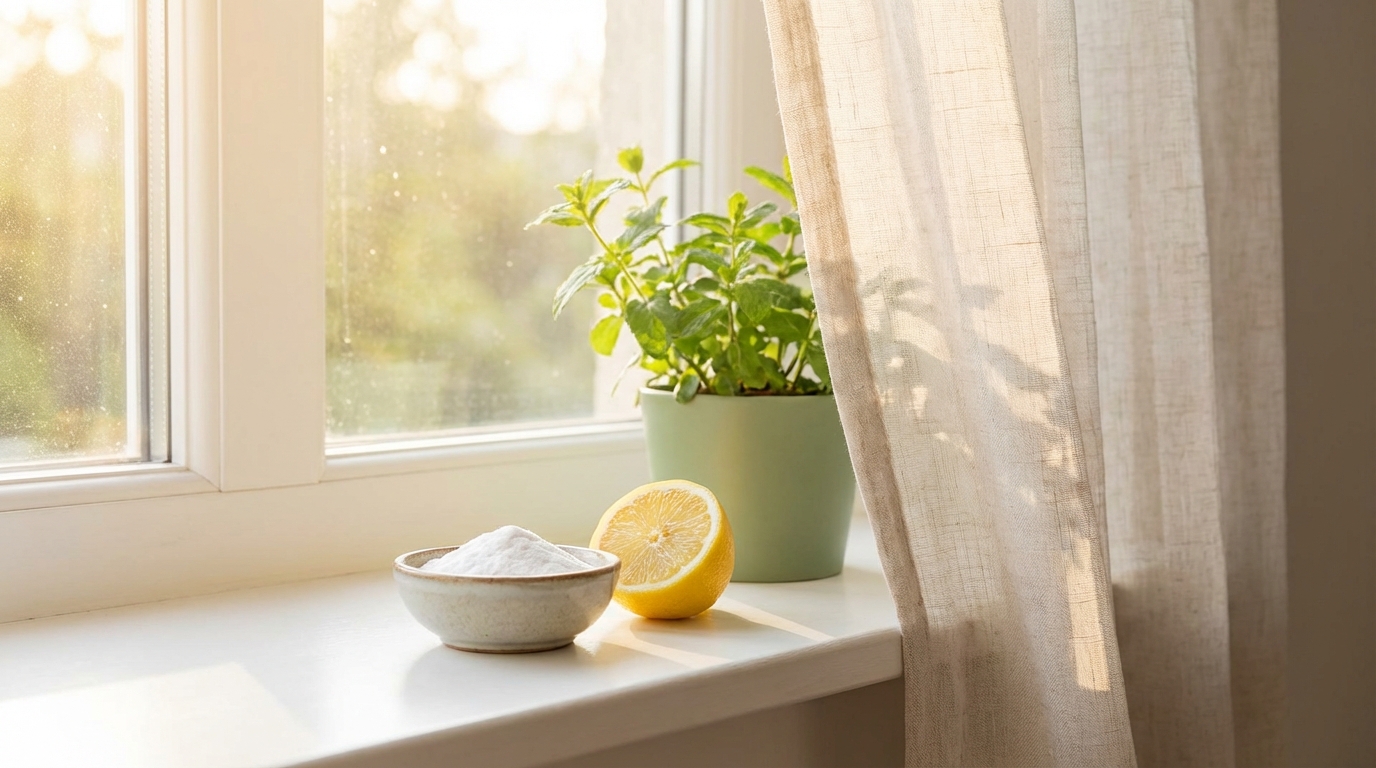
Indoor odors have a way of hanging around longer than expected, even after windows are opened or air fresheners are used. These lingering smells can make a home feel less comfortable and sometimes signal deeper issues with air quality. Understanding why odors persist indoors helps explain why quick fixes often fail and why some smells return again and again. By looking closely at where odors come from and how they behave inside buildings, it becomes easier to choose methods that actually reduce them.
Smell is closely tied to how air moves, how materials absorb compounds, and how everyday activities release tiny particles into enclosed spaces. Unlike outdoor air, indoor air has limited circulation and many surfaces that trap odor-causing substances. Over time, these substances build up and slowly release back into the air. This process explains why an odor can remain noticeable long after its original source seems to be gone.
How Indoor Air Traps Smells
Indoor environments are designed for comfort and energy efficiency, not for rapid air exchange. Walls, ceilings, insulation, and sealed windows all reduce the movement of fresh air from outside. While this helps control temperature and energy costs, it also allows odor-causing compounds to stay inside for longer periods. Without enough airflow to dilute or remove them, smells can become concentrated.
Air circulation inside a building is often uneven. Some rooms receive more airflow from vents or fans, while others remain still. In low-circulation areas, odors can settle and linger. Closets, bathrooms, and closed bedrooms are especially prone to holding smells because air exchange is limited and surfaces are often soft or porous.
The Role of Air Pressure and Ventilation
Air pressure differences between indoors and outdoors affect how smells move. When a home is tightly sealed, pressure changes from heating and cooling systems can pull odors into wall cavities or keep them trapped inside certain rooms. Ventilation systems that are poorly balanced may circulate odors instead of removing them.
Bathrooms and kitchens rely heavily on exhaust fans to remove moisture and smells. If these fans are weak, clogged, or rarely used, odors remain in the space and spread to nearby rooms. Over time, the repeated circulation of these smells can make them seem permanent.
Porous Materials and Odor Absorption
Many indoor materials absorb smells rather than simply letting them pass by. Fabrics, wood, drywall, and carpets have tiny pores that trap odor-causing molecules. Once absorbed, these materials slowly release the smells back into the air, especially when humidity or temperature changes. This cycle makes odors feel stubborn and difficult to eliminate.
Soft furnishings are some of the biggest odor holders in a home. Upholstered furniture, curtains, and rugs can collect cooking smells, pet odors, and smoke over time. Even regular cleaning may not reach deep enough into these materials to remove all trapped compounds.
Humidity and Temperature Effects
Humidity plays a major role in how odors behave indoors. High humidity levels allow odor molecules to stay airborne longer and penetrate materials more deeply. Moist air also supports the growth of mold and mildew, which produce strong, musty smells that are hard to ignore.
Temperature changes can reactivate odors that seemed to be gone. When a room warms up, materials expand slightly and release trapped compounds. This is why certain smells become more noticeable during warmer seasons or when heating systems are turned on.
Common Sources of Lingering Indoor Odors
Most indoor odors come from everyday activities and household items. Cooking, cleaning, and personal habits all release substances into the air. When these substances settle into surfaces or circulate repeatedly, they can become long-term issues rather than short-lived smells.
Some odor sources are obvious, while others are hidden behind walls or under floors. Identifying the source is a key step in reducing any lingering smell. Without addressing the root cause, attempts to mask the odor usually provide only temporary relief.
Cooking and Food-Related Smells
Cooking releases oils, smoke, and food particles into the air. These particles can travel far beyond the kitchen and settle on walls, cabinets, and fabrics. Strong-smelling foods such as fried dishes, fish, and spices are especially likely to leave lasting odors.
Even after dishes are cleaned and trash is taken out, cooking smells can remain. Grease buildup on surfaces slowly releases odor over time. Poor kitchen ventilation makes this problem worse by allowing smells to spread throughout the home.
Pets and Animal-Related Odors
Pets bring comfort and companionship, but they also introduce odors into indoor spaces. Fur, dander, and natural oils from animals collect on floors and furniture. Pet accidents, even small ones, can soak into carpets and padding, creating persistent smells.
Litter boxes, cages, and bedding are concentrated sources of odor. If not cleaned frequently, these smells can spread and become embedded in nearby materials. Over time, the entire room may take on the scent.
Moisture, Mold, and Mildew
Excess moisture is one of the most common causes of lingering indoor odors. Leaks, poor ventilation, and high humidity create conditions where mold and mildew thrive. These organisms produce musty smells that are often described as earthy or damp.
Mold odors are particularly persistent because they often come from hidden areas. Growth behind walls, under flooring, or inside HVAC systems can continue releasing smells even when surfaces look clean. Removing the odor requires addressing both the moisture and the growth itself.
Smoke and Combustion Byproducts
Smoke from cigarettes, fireplaces, or candles contains tiny particles that cling to surfaces. These particles penetrate fabrics and even paint, making smoke odors some of the hardest to remove. Over time, smoke residue builds up and continues to emit smell.
Combustion byproducts from gas stoves or heaters can also contribute to indoor odors. When ventilation is poor, these smells linger and may mix with other household odors, creating a stale indoor environment.
Why Odors Return After Cleaning
Many people notice that odors disappear briefly after cleaning, only to come back days or weeks later. This happens because cleaning often removes surface smells but not the deeper sources. Odor-causing compounds trapped inside materials remain untouched.
As air circulates and humidity changes, these trapped compounds are released again. The smell may seem weaker at first, but it gradually becomes noticeable. This cycle can repeat many times if the underlying source is not addressed.
Masking Versus Removing Odors
Air fresheners and scented sprays work by adding stronger smells to the air. While this can make a space feel fresher temporarily, it does not remove odor-causing substances. Once the added scent fades, the original odor often returns.
True odor reduction requires removing or neutralizing the compounds themselves. This often involves deeper cleaning, better ventilation, or changes to daily habits. Without these steps, masking products provide only short-term relief.
Airflow and HVAC Systems
Heating, ventilation, and air conditioning systems play a central role in how odors move indoors. These systems circulate air throughout a building, which can either help remove smells or spread them. Dirty filters and ducts can trap odors and redistribute them.
If an HVAC system is not maintained, it can become a source of odor itself. Dust, moisture, and organic material inside the system create conditions where smells develop and persist. Regular maintenance helps prevent this buildup.
Filters, Ducts, and Registers
Air filters are designed to capture particles, but they can only do so much. When filters are clogged or outdated, they stop working effectively and may even release trapped odors back into the air. Changing filters regularly is essential for odor control.
Ductwork can collect dust, pet hair, and moisture over time. These materials absorb odors and slowly release them as air moves through the system. Cleaning ducts and registers can reduce the spread of smells from one room to another.
Behavioral and Lifestyle Factors
Daily habits have a significant impact on indoor odors. Simple actions, repeated over time, can either reduce or increase the buildup of smells. Understanding these factors helps explain why some homes struggle more with lingering odors than others.
Lifestyle-related odors are often gradual and easy to overlook at first. As they accumulate, they become part of the background scent of a home. Addressing them requires awareness and consistent effort.
Cleaning Routines and Product Choices
Infrequent or surface-level cleaning allows odors to build up in hidden areas. Floors, baseboards, and behind furniture are often missed, even though they collect dust and odor-causing particles. Regular, thorough cleaning helps prevent this accumulation.
Some cleaning products leave residues that mix with existing smells. When these residues break down, they can create new odors. Choosing low-residue or unscented products can reduce this effect.
Storage and Clutter
Cluttered spaces restrict airflow and create pockets where odors can settle. Stored items, especially fabrics and paper, absorb smells from their surroundings. Over time, these stored items can release odors back into the room.
Basements, attics, and closets are common problem areas. Limited ventilation and long-term storage make these spaces prone to musty or stale smells. Regular airing out and organization can help reduce odor buildup.
Practical Ways to Reduce Lingering Odors
Reducing indoor odors requires a combination of source control, ventilation, and material care. No single solution works for every situation, but consistent strategies can make a noticeable difference. Focusing on long-term changes is more effective than quick fixes.
Before choosing a method, it helps to identify the most likely sources of the smell. This allows efforts to be targeted and more successful. Addressing multiple factors at once often produces the best results.
The following approaches are commonly used to reduce lingering indoor odors:
- Improving ventilation by using exhaust fans and opening windows when possible.
- Reducing moisture through dehumidifiers and prompt leak repairs.
- Cleaning and maintaining HVAC systems, including filters and ducts.
- Deep cleaning fabrics, carpets, and upholstered furniture.
- Removing or replacing items that have absorbed strong odors.
Each of these approaches targets a different part of the odor problem. Ventilation helps remove airborne smells, while moisture control prevents mold-related odors. Deep cleaning and item replacement address odors trapped in materials, reducing the chance of smells returning.
Consistency and Patience
Odor reduction is rarely instant, especially when smells have built up over months or years. It takes time for trapped compounds to fully dissipate once sources are removed. Consistent effort is key to seeing lasting improvement.
Small changes, repeated daily, often have a greater impact than occasional intensive cleaning. Over time, these habits create a fresher indoor environment with fewer lingering smells. Patience helps prevent frustration when results are gradual.
Health and Comfort Considerations
Lingering odors are not just a comfort issue; they can also affect how a space feels to live in. Strong or persistent smells may cause headaches, nausea, or irritation for some people. They can also contribute to a sense that indoor air is stale or unclean.
While not all odors indicate a health risk, some point to underlying problems such as mold or poor ventilation. Addressing these issues improves both comfort and overall indoor air quality. A fresher-smelling home often feels more inviting and easier to enjoy.
Sensitivity to Smells
People vary widely in how sensitive they are to odors. What seems mild to one person may be overwhelming to another. Children, older adults, and individuals with allergies or asthma may be especially affected by indoor smells.
Taking odor concerns seriously helps create a more inclusive living environment. Reducing strong smells benefits everyone, even those who may not notice them as strongly. Clean, well-ventilated spaces support comfort for a wide range of sensitivities.
The Long-Term Nature of Odor Control
Indoor odor control is an ongoing process rather than a one-time task. Homes change over time as materials age, activities shift, and seasons bring different conditions. Odors can appear gradually, making them easy to ignore until they become noticeable.
Staying aware of changes in smell helps catch problems early. Regular maintenance, mindful habits, and attention to moisture and airflow all contribute to better indoor air. These efforts work together to reduce the chances of odors becoming deeply embedded.
Building Materials and Aging
As buildings age, materials break down and become more porous. Paint, sealants, and flooring may absorb odors more easily than when they were new. Older homes often have a mix of smells from years of use layered into their structure.
Renovations and updates can sometimes release trapped odors or introduce new ones. Understanding how materials interact with smells helps explain why odor issues can change over time. Careful material choices and proper ventilation during updates can limit these effects.
Understanding Odors as Part of Indoor Air Quality
Odors are a noticeable part of indoor air quality, but they are only one aspect of a larger picture. They often signal the presence of particles, moisture, or chemicals in the air. Paying attention to smells can provide clues about what is happening in an indoor environment.
Rather than treating odors as isolated annoyances, viewing them as indicators encourages more effective responses. By addressing sources, airflow, and material care together, indoor spaces can become more comfortable and easier to maintain. This approach supports cleaner air and reduces the frustration of recurring smells.