
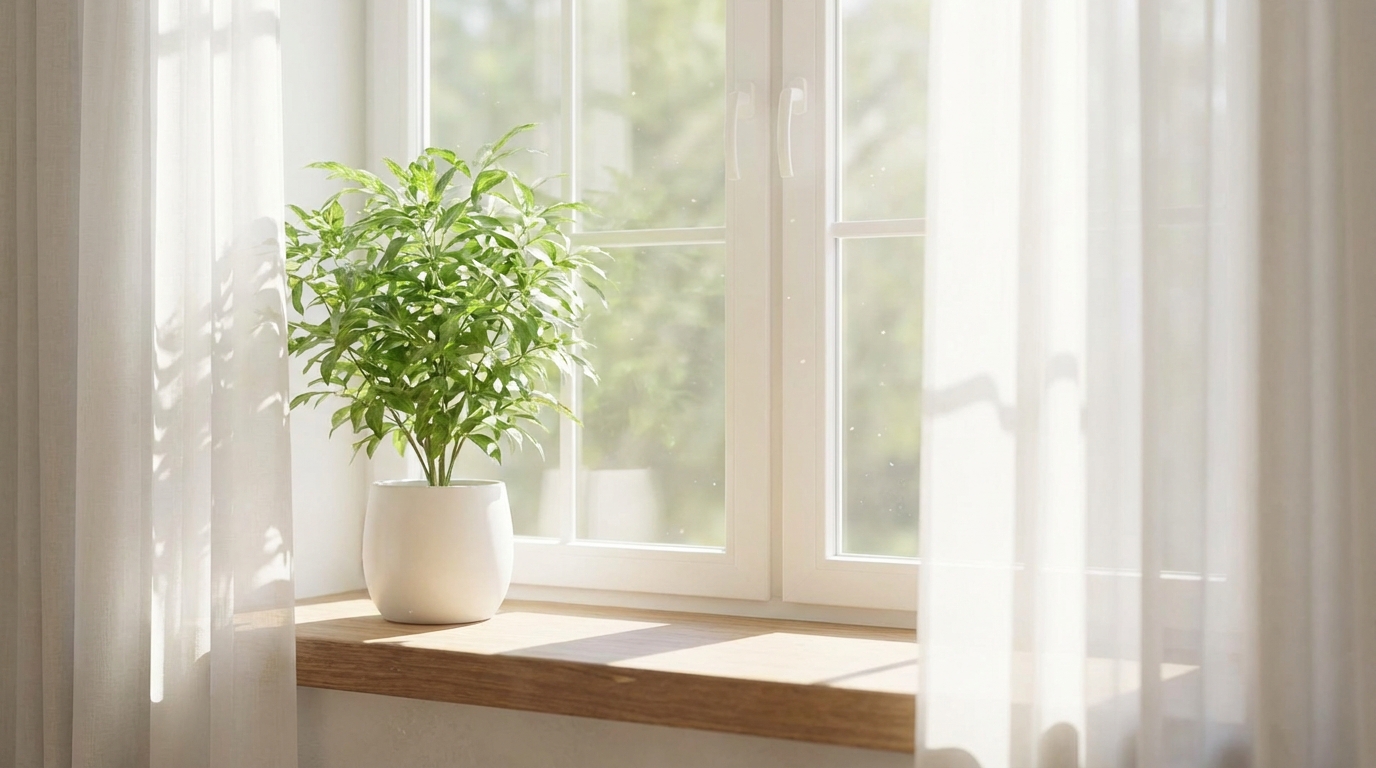
Indoor air can feel stuffy even in clean, well-kept homes and workplaces. The sensation is often described as heavy, stale, or lacking freshness, and it can make people feel tired or uncomfortable. Stuffy air is not always a sign of dirt, but it does signal that something in the indoor environment is out of balance. Understanding why this happens makes it easier to choose simple and practical fixes.
What People Mean by “Stuffy” Air
When people say indoor air feels stuffy, they are usually reacting to a mix of smells, warmth, humidity, and lack of air movement. The air may feel thick or used up, even if it looks clear. This feeling often builds over time, especially in closed rooms with little fresh air. It is a sensory response rather than a single measurable problem.
Stuffy air is different from air that is clearly polluted or smoky. It can happen in spaces that appear clean and well organized. The issue is often about how air moves, how fresh air enters, and how indoor air is changed or filtered. These factors combine to shape how breathable a space feels.
Limited Ventilation
One of the most common reasons indoor air feels stale is limited ventilation. Ventilation is the process of bringing fresh outdoor air inside and pushing old indoor air out. In many buildings, especially newer ones, windows and doors are tightly sealed to save energy. While this helps with heating and cooling costs, it can trap used air indoors.
Without enough fresh air coming in, carbon dioxide and other indoor byproducts build up. These gases are usually harmless at low levels, but they can still affect comfort. The air may feel heavy, and people may notice drowsiness or trouble focusing. Poor ventilation is often the main driver behind the “stale” feeling.
Natural Ventilation Challenges
Natural ventilation relies on windows, doors, and small openings to move air. In many climates, windows stay closed for long periods due to heat, cold, or outdoor noise. This reduces air exchange and allows indoor air to linger. Over time, the air loses its fresh quality.
Even when windows are opened, airflow may be weak. Buildings that are closely packed or shielded by other structures may not get much breeze. Without pressure differences to move air, opening a window may not provide enough ventilation to make a noticeable difference.
High Occupancy and Human Activity
The number of people in a room has a strong effect on air quality. Every person breathes in oxygen and breathes out carbon dioxide and moisture. In crowded spaces, these byproducts build up faster than the air can be replaced. This leads to a stuffy feeling, especially in small rooms.
Human activity also adds heat and odors to the air. Cooking, exercising, or even long meetings can quickly change how air feels. The more active the space, the faster air quality can decline without proper airflow. This is why busy rooms often feel stale sooner than quiet ones.
Moisture and Humidity Levels
Humidity plays a major role in how indoor air feels. Air that is too humid can feel heavy and warm, while very dry air can feel stale and irritating. High moisture levels slow down evaporation from the skin, which makes the air feel stuffier. This effect is common in bathrooms, kitchens, and basements.
Moisture also supports the growth of mold and mildew. Even small amounts can release musty odors into the air. These smells add to the sense that the air is old or unclean. Managing humidity is key to keeping indoor air comfortable.
Sources of Indoor Moisture
Many everyday activities release moisture into the air. Showering, cooking, washing clothes, and even breathing all add water vapor. In homes without good exhaust fans, this moisture stays inside. Over time, humidity levels rise and affect air quality.
Water leaks and damp materials are another hidden source. Slow leaks behind walls or under floors can release moisture without being noticed. This not only damages the building but also changes how the air feels throughout the space.
Indoor Pollutants and Odors
Stuffy air often contains a mix of indoor pollutants. These can include cooking smells, cleaning product fumes, pet odors, and off-gassing from furniture or flooring. When these substances linger, they give the air a used or stale quality. Even low levels can affect comfort when they build up.
Unlike outdoor pollution, indoor pollutants come from many small sources. Each one may seem minor on its own. Together, they can create a noticeable change in how air smells and feels. Without fresh air to dilute them, these pollutants remain indoors.
Temperature and Air Stratification
Temperature affects air movement and comfort. Warm air tends to rise, while cooler air sinks. In some rooms, this creates layers of air with different temperatures. When air does not mix well, parts of a room may feel stagnant.
This stratification can make the air feel stuffy, especially near the ceiling or in corners. Poor air circulation allows warm, used air to stay in place. Proper airflow helps mix air layers and improve overall comfort.
Building Materials and Furnishings
Many building materials release gases into the air, especially when they are new. This process is called off-gassing. Paints, carpets, pressed wood, and adhesives are common sources. These gases can add odors and contribute to a stale feeling.
Soft furnishings also trap air and odors. Curtains, rugs, and upholstered furniture can hold smells from cooking, pets, or smoke. Over time, these trapped odors slowly release back into the room. This can make air feel old even after cleaning.
HVAC System Issues
Heating, ventilation, and air conditioning systems play a major role in indoor air quality. When these systems are not working well, air can feel stale. Dirty filters, blocked vents, or poorly balanced airflow reduce air movement. This limits the system’s ability to refresh indoor air.
Some systems are designed mainly for temperature control, not ventilation. They may recirculate the same air without bringing in much outdoor air. While this saves energy, it can also allow stale air to build up. Proper system design and maintenance are important.
Maintenance and Airflow Problems
Filters that are clogged with dust restrict airflow. When less air moves through the system, rooms receive less fresh, conditioned air. This can make spaces feel stuffy even when the system is running. Regular filter changes help maintain airflow.
Blocked or closed vents also cause problems. Furniture, curtains, or rugs can cover vents without being noticed. This disrupts air distribution and creates pockets of stagnant air. Keeping vents clear supports better circulation.
Seasonal and Weather Factors
Outdoor weather affects indoor air more than many people realize. During extreme heat or cold, windows stay closed for long periods. This limits fresh air exchange and increases the chance of stuffiness. Seasonal changes often bring shifts in humidity as well.
Rainy or humid weather can raise indoor moisture levels. Cold weather can dry indoor air but still make it feel stale due to lack of ventilation. Each season presents different challenges for maintaining fresh indoor air.
Outdoor Air Quality and Its Impact
Sometimes outdoor air quality influences indoor air decisions. When outdoor air is polluted, smoky, or full of pollen, people avoid opening windows. This reduces ventilation and traps indoor air. The result can be a stale indoor environment.
Even in areas with generally good outdoor air, short-term events can matter. Traffic, construction, or nearby fires can temporarily worsen air quality. During these times, indoor air can feel stuffy if fresh air intake is limited without other solutions in place.
Simple Ventilation Fixes
Improving ventilation is one of the most effective ways to reduce stuffy air. Small changes can make a noticeable difference. The goal is to increase the amount of fresh air entering the space and help old air leave. This does not always require major renovations.
Ventilation solutions can be adjusted based on climate, building type, and daily routines. Even brief periods of increased airflow can help refresh indoor air. Consistency matters more than intensity.
Using Windows and Doors Wisely
Opening windows on opposite sides of a space can create cross-ventilation. This allows air to move through rather than just in and out of one opening. Even a few minutes can replace a significant amount of indoor air. Timing window use during mild weather works best.
Interior doors can also affect airflow. Keeping doors open helps air move between rooms. This reduces stagnant areas and balances temperature and air quality throughout the space.
Managing Moisture for Better Air
Controlling humidity helps prevent air from feeling heavy or musty. Exhaust fans in bathrooms and kitchens remove moisture at the source. Using them during and after moisture-producing activities is important. This simple habit can improve air comfort quickly.
In damp areas, dehumidifiers can help maintain balanced moisture levels. These devices pull excess water from the air. Keeping humidity in a moderate range supports fresher-feeling air and reduces odors.
Reducing Indoor Pollution Sources
Another way to address stuffy air is to limit what enters the air in the first place. Choosing low-odor or low-emission products helps reduce buildup. Storing strong-smelling items in sealed containers also makes a difference. Small changes add up over time.
Good housekeeping supports cleaner air. Regular cleaning removes dust and odor-holding materials. Washing fabrics and vacuuming soft surfaces reduces trapped smells. These steps help prevent air from feeling stale.
Common Sources to Watch
Many everyday items contribute to indoor air odors. Paying attention to these sources helps target improvements. Some are easy to overlook but have a strong effect on air quality.
- Cooking fumes from frying or baking
- Cleaning sprays and scented products
- Pet bedding and litter areas
- Shoes, bags, and sports gear
- Trash and recycling bins
Managing these sources does not mean removing them entirely. Better ventilation, storage, and cleaning routines reduce their impact. This helps air stay fresher for longer periods.
Improving Air Circulation
Air movement helps prevent stagnation. Fans can assist by pushing air around a room. Ceiling fans, box fans, or portable fans all support circulation. Even gentle movement improves how air feels.
Fans work best when paired with ventilation. They help distribute fresh air and mix temperature layers. On their own, they do not replace stale air, but they make existing air feel less heavy.
Air Cleaning and Filtration
Air cleaners and filters can remove particles that contribute to stuffiness. These include dust, pet dander, and some odors. While they do not add fresh air, they improve air quality. Cleaner air often feels fresher.
Choosing the right device matters. Units should be sized for the room and maintained regularly. Filter changes are necessary to keep them effective and prevent reduced airflow.
Daily Habits That Affect Indoor Air
Everyday behavior shapes indoor air conditions. Simple habits can either worsen or improve stuffiness. Being aware of these patterns helps maintain comfort. Small actions repeated daily have a strong effect.
Spacing out activities that produce odors or moisture helps. Letting air clear between cooking, cleaning, and showering reduces buildup. Thoughtful scheduling supports better air quality without extra equipment.
Monitoring Indoor Air Conditions
Paying attention to indoor conditions helps identify problems early. Temperature, humidity, and perceived air freshness offer useful clues. Some people use basic monitors to track carbon dioxide or humidity levels. These tools provide objective feedback.
Even without devices, noticing patterns matters. If air feels stuffy at certain times of day or in specific rooms, that points to a cause. Observations guide practical adjustments that improve comfort.