
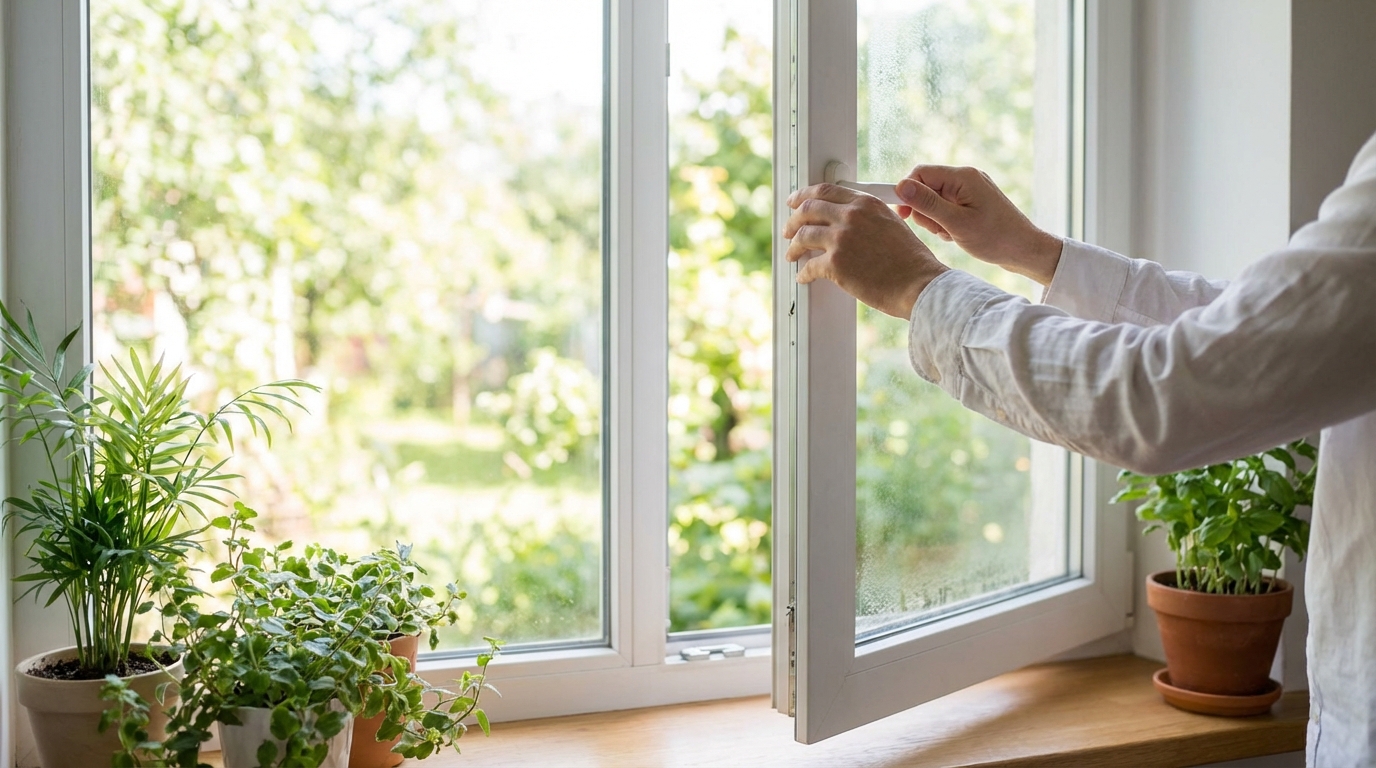
Many people notice that indoor air sometimes feels stale, heavy, or flat, even when a space looks clean and comfortable. This feeling can show up in homes, offices, schools, and other buildings, and it often leads to discomfort or a sense that something is “off.” Stale air is not a single problem with one clear cause, but rather a mix of physical, chemical, and sensory factors that build up over time. Understanding why indoor air feels stale can make it easier to improve comfort without major renovations or expensive equipment.
What People Mean When They Say Air Feels Stale
When people describe air as stale, they are usually reacting to a combination of odors, humidity, warmth, and lack of movement. The air may feel stuffy, dull, or slightly unpleasant, even if there is no strong smell present. This sensation often develops slowly, which makes it harder to notice until it becomes distracting or uncomfortable.
Stale air is more about perception than a single measurable value. Two rooms with the same temperature and humidity can feel very different depending on airflow, cleanliness, and recent activity. The human nose and brain are sensitive to changes in air quality, especially when fresh outdoor air is limited.
Limited Ventilation and Fresh Air Exchange
One of the most common reasons indoor air feels stale is a lack of ventilation. Ventilation is the process of bringing fresh outdoor air inside while pushing used indoor air out. When this exchange does not happen often enough, air that has already been breathed and used remains trapped indoors.
Modern buildings are often designed to be energy efficient, which means they are tightly sealed. While this helps reduce heating and cooling costs, it can also limit natural air exchange through small gaps and cracks. Without intentional ventilation, indoor air can feel stagnant after only a short time.
Closed Windows and Doors
Keeping windows and doors closed for long periods greatly reduces fresh air flow. This is common during extreme weather, high pollen seasons, or in noisy urban areas. Over time, the air inside becomes dominated by indoor sources rather than refreshed by outdoor air.
Even a short daily period with windows open can make a noticeable difference. When outdoor conditions allow, opening windows on opposite sides of a space can create cross-ventilation that replaces stale air more effectively than a single open window.
Mechanical Ventilation Limits
Many buildings rely on mechanical systems such as HVAC units to circulate air. These systems often recirculate a large portion of indoor air instead of bringing in fresh air from outside. If filters are dirty or settings are not balanced, the system may move air around without actually refreshing it.
Bathrooms and kitchens usually have exhaust fans designed to remove moisture and odors. When these fans are rarely used or do not work well, stale air and smells can spread to other rooms and linger longer than expected.
Buildup of Carbon Dioxide Indoors
Carbon dioxide, or CO2, is a natural part of the air and is produced when people breathe. In crowded or poorly ventilated spaces, CO2 levels can rise above typical outdoor levels. While these levels are usually not dangerous, they can contribute to a feeling of stuffiness or fatigue.
Higher CO2 levels do not have a smell, but the human body often reacts to them with subtle discomfort. People may feel sleepy, unfocused, or slightly headachy when CO2 accumulates. These sensations are often interpreted as stale air, even though the cause is invisible.
Occupancy and Activity Levels
The more people in a room, the faster CO2 builds up. Meetings, family gatherings, or classrooms can feel stale quickly if ventilation does not increase to match the number of occupants. Physical activity also increases breathing rates, which adds CO2 more rapidly.
This is why rooms can feel fine when empty but uncomfortable once filled. Ventilation systems that adjust based on occupancy can help, but many homes and older buildings lack this feature.
Odors from Everyday Indoor Sources
Smells play a major role in how fresh or stale air feels. Even mild odors can make a space seem less clean and less comfortable. These odors often come from normal daily activities rather than obvious messes.
When odors are not removed or diluted with fresh air, they blend together and linger. Over time, the nose becomes less sensitive to them, but the overall impression of stale air remains.
Cooking and Food Smells
Cooking releases a wide range of odors, oils, and particles into the air. Frying, baking, and using strong spices can leave smells that last for hours or even days. Without proper ventilation, these odors settle into fabrics and surfaces.
Range hoods that vent outdoors are especially helpful, but many kitchens rely on recirculating fans. These fans can reduce grease but often do little to remove odors from the air itself.
Pets, Trash, and Household Items
Pets add warmth, moisture, and natural odors to indoor spaces. Litter boxes, cages, and pet bedding are common sources of smells that contribute to stale air. Even well-cared-for pets can affect air freshness in smaller or poorly ventilated homes.
Trash cans, especially in kitchens and bathrooms, can also release odors. Cleaning products, air fresheners, and scented candles may mask smells temporarily but often add to the overall mix of indoor chemicals.
Moisture and Humidity Imbalances
Humidity plays a major role in how air feels. Air that is too humid can feel heavy and damp, while air that is too dry can feel flat and irritating. Both extremes can contribute to the perception of stale air.
Indoor humidity is influenced by weather, building design, and daily activities. Showers, cooking, and even breathing add moisture to the air, especially in enclosed spaces.
High Humidity and Musty Air
When humidity levels are high, moisture can settle on walls, furniture, and fabrics. This creates conditions where mold and mildew odors may develop, even if visible mold is not present. The result is a musty smell that many people associate with stale air.
Basements, bathrooms, and laundry rooms are especially prone to high humidity. Without proper ventilation or dehumidification, these spaces can affect the air quality of the entire building.
Low Humidity and Dry Staleness
Very dry air, common in winter when heating systems run constantly, can also feel stale. Dry air reduces the ability of odors to dissipate and can make dust more noticeable. It may also cause dry skin, throat irritation, and static electricity.
This type of stale feeling is often described as lifeless or harsh rather than damp. Adding moisture through humidifiers or indoor plants can help balance the air when dryness is the main issue.
Temperature and Air Movement
Temperature and airflow strongly influence how fresh air feels. Even clean air can feel stale if it is too warm and still. Movement helps distribute air evenly and prevents pockets of stagnant air from forming.
In many buildings, air movement is uneven. Some areas may receive plenty of airflow, while others remain still, leading to inconsistent comfort.
Warm, Trapped Air
Warm air rises and can become trapped near ceilings, especially in rooms with poor circulation. This can make upper levels or loft spaces feel stuffy and uncomfortable. Heat buildup often intensifies odors and increases the sense of staleness.
Ceiling fans and well-placed floor fans can help move warm air and improve overall circulation. Even gentle airflow can make a space feel noticeably fresher.
Cold but Stagnant Spaces
Stale air is not limited to warm environments. Cold rooms with little airflow can also feel stale, particularly if windows are kept closed for long periods. In these cases, the air may feel heavy despite lower temperatures.
Balancing temperature with consistent air movement is key. Heating and cooling systems work best when they distribute air evenly throughout a space.
Dust, Particles, and Indoor Pollutants
Indoor air contains tiny particles from many sources. Dust, fibers, and microscopic debris float in the air and settle on surfaces. When these particles build up, they can affect both air quality and perception.
Pollutants do not need to be dangerous to make air feel stale. Even low levels of common indoor particles can dull the sense of freshness over time.
Dust Accumulation
Dust comes from skin cells, fabrics, paper, and outdoor dirt tracked inside. In areas that are rarely cleaned or disturbed, dust can accumulate and become airborne again with movement. This can make air feel stale and slightly irritating.
Regular cleaning helps, but dust also collects in hidden places like vents, under furniture, and on shelves. These areas are often overlooked but can affect overall air quality.
Chemical Pollutants from Products
Many household products release chemicals into the air, including cleaners, paints, adhesives, and furniture finishes. These substances, often called volatile organic compounds, can linger long after use. The combined effect can create a flat or unpleasant air quality.
New items, such as furniture or carpets, may release more chemicals at first. Over time, these emissions usually decrease, but poor ventilation can make the effects last longer.
Building Materials and Furnishings
The materials used in a building influence how air smells and feels. Carpets, curtains, and upholstered furniture absorb odors and release them slowly. Hard surfaces tend to hold fewer smells but can still contribute to stale air if not cleaned.
Older buildings and recently renovated spaces can both have unique air quality challenges. The age and condition of materials matter as much as their type.
Soft Materials and Odor Retention
Soft furnishings act like sponges for odors and moisture. Carpets can trap smells from shoes, pets, and spills, while curtains absorb cooking and outdoor odors. Over time, these trapped smells blend into a general stale scent.
Regular washing, vacuuming, and deep cleaning can reduce odor buildup. In some cases, replacing old or heavily worn materials makes a noticeable difference.
Off-Gassing from New Materials
New flooring, paint, or furniture can release gases into the air, a process often called off-gassing. These emissions may not smell strong but can still affect how fresh the air feels. The effect is usually strongest in the first weeks or months.
Ventilation helps reduce off-gassing more quickly. Allowing new items to air out before full use can also limit their impact on indoor air.
Daily Habits That Affect Air Freshness
Everyday behaviors have a cumulative effect on indoor air. Small habits, repeated daily, can either improve or worsen air freshness. These effects are often subtle and easy to overlook.
Understanding how routine activities influence air quality makes it easier to make small changes with meaningful results.
Cleaning and Maintenance Routines
Infrequent cleaning allows dust, odors, and moisture to build up. This does not mean a space must be spotless, but regular attention to key areas matters. Kitchens, bathrooms, and high-traffic zones have the biggest impact.
Neglecting ventilation systems, such as failing to change filters, also contributes to stale air. Clean systems move air more effectively and reduce particle buildup.
Laundry and Fabric Care
Damp laundry left indoors can raise humidity and release musty odors. Towels, rugs, and bedding that are not fully dried can affect air quality in nearby rooms. These smells often spread more than expected.
Drying laundry thoroughly and storing fabrics in dry conditions helps prevent this source of stale air. Good airflow in laundry areas is especially important.
Simple Ways to Improve Indoor Air Freshness
Improving stale indoor air does not always require major changes. Many effective steps are simple, low-cost, and easy to maintain. The key is addressing the main causes rather than masking the symptoms.
The following approaches focus on practical actions that fit into everyday life. Combined, they can significantly improve how indoor air feels over time.
Several straightforward strategies can help reduce stale air and improve comfort:
- Opening windows regularly when outdoor conditions allow.
- Using exhaust fans during cooking and bathing.
- Keeping heating and cooling filters clean and up to date.
- Maintaining balanced indoor humidity levels.
- Reducing odor sources through regular cleaning.
Each of these steps works best when used consistently rather than occasionally. Small, repeated actions prevent stale air from building up in the first place. Over time, these habits create a fresher and more comfortable indoor environment.
Balancing Ventilation and Energy Use
Some people worry that increasing ventilation will raise energy costs. While this can be a concern, short and intentional ventilation periods often have minimal impact. The comfort benefits can outweigh the small changes in heating or cooling use.
Energy-efficient ventilation options, such as heat recovery systems, can also help. These systems allow fresh air in while reducing energy loss, making them suitable for many climates.
Using Air Movement to Enhance Freshness
Air movement alone does not replace ventilation, but it improves how air feels. Fans help mix air and prevent stagnant zones from forming. This can make a room feel fresher even before new air is introduced.
Strategic fan placement, such as near windows or doorways, can support natural airflow. This approach is especially useful in rooms that tend to feel stuffy.
When Stale Air Signals a Larger Issue
In some cases, persistent stale air may point to underlying problems. Ongoing musty smells, excessive humidity, or discomfort despite good habits may indicate hidden moisture or ventilation issues. These situations deserve closer attention.
Building-related problems can affect both comfort and long-term indoor conditions. Addressing them early can prevent more serious concerns later.
Hidden Moisture and Leaks
Water leaks behind walls or under floors can create ongoing humidity and odor problems. These issues often go unnoticed until the air consistently smells musty. Stale air in these cases is a symptom rather than the main problem.
Professional inspection may be needed if moisture problems are suspected. Fixing the source of moisture is essential for lasting improvement.
Inadequate or Faulty Ventilation Systems
Older or poorly designed ventilation systems may not meet the needs of current occupancy. Changes in how a space is used can overwhelm systems that once worked well. This leads to chronic stale air.
Assessment by a qualified technician can identify airflow imbalances or equipment issues. Adjustments or upgrades can restore proper air exchange and improve comfort.