
Indoor air often feels dry, especially during colder months or in tightly built homes. The sensation can be uncomfortable, leading to dry skin, scratchy throats, and static shocks. Understanding why indoor air loses moisture helps explain these everyday experiences and points toward practical comfort strategies. Dry indoor air is not caused by a single factor, but by a mix of weather, building design, and daily activities.
Dryness indoors is best understood by looking at humidity, which is the amount of water vapor in the air. Air that holds very little moisture can pull water from skin, plants, and even furniture. While outdoor conditions play a big role, indoor systems and habits often amplify the effect. Learning how these pieces fit together can make indoor spaces more comfortable throughout the year.
What Humidity Really Means
Humidity describes how much water vapor is present in the air compared to how much it could hold at a given temperature. Warm air can hold more moisture than cold air, which is a key reason indoor air feels dry in winter. When cold outdoor air enters a home and is heated, its relative humidity drops sharply unless moisture is added. This process happens quietly and continuously, shaping how indoor air feels.
Relative humidity is usually expressed as a percentage. Levels between 30 and 50 percent are often considered comfortable for people and suitable for most homes. When indoor humidity falls below this range, moisture begins to leave the body and surrounding materials more quickly. The result is the familiar dry sensation many people notice.
Relative Humidity Versus Absolute Humidity
Absolute humidity refers to the actual amount of water vapor in the air, while relative humidity compares that amount to the maximum the air could hold. Cold winter air may have low absolute humidity, meaning it contains very little water vapor to begin with. When that air is warmed indoors, the absolute humidity stays the same, but the relative humidity drops. This explains why heating alone can make indoor air feel so dry.
This distinction helps explain why opening a window in winter does not usually add moisture indoors. Even though outdoor air might feel damp or cold, it often carries less water vapor than warm indoor air can hold. Once heated, it becomes even drier in relative terms. Understanding this difference helps clear up common confusion about humidity.
Heating Systems and Dry Air
Heating systems are one of the biggest contributors to dry indoor air. Furnaces, boilers, and space heaters raise indoor temperatures without adding moisture. As air warms, its capacity to hold water increases, which lowers relative humidity unless new moisture is introduced. This is why homes often feel driest during periods of heavy heating use.
Forced-air heating systems can intensify the effect by constantly circulating air. As warm air moves through ducts and rooms, it spreads dryness evenly throughout the home. Radiant heat systems tend to be less drying, but they still increase temperature without adding moisture. The type of heating system influences how noticeable the dryness becomes.
Fireplaces and Space Heaters
Fireplaces and portable space heaters can also dry indoor air. Combustion uses oxygen and can vent moist air outside, especially in traditional fireplaces. Many space heaters warm the air quickly in small areas, creating pockets of very low humidity. These localized dry zones can be especially uncomfortable.
Using these heat sources frequently or in closed rooms can make dryness more noticeable. While they provide warmth, they do not address moisture balance. This mismatch between heat and humidity explains why warmth alone does not always equal comfort.
Cold Weather and Outdoor Conditions
Seasonal weather patterns strongly influence indoor humidity. Cold winter air holds far less moisture than warm summer air. When this cold air enters a building through doors, windows, and ventilation systems, it brings its low moisture content with it. Heating that air without adding water vapor creates the dry indoor conditions many people experience.
In contrast, warm outdoor air in summer often carries more moisture. When this air enters a home, it can raise indoor humidity unless it is removed by air conditioning. This seasonal shift explains why dry indoor air is most common in winter rather than year-round.
Wind and Air Pressure
Wind and pressure differences between indoors and outdoors also affect moisture levels. Strong winds can push dry outdoor air into small cracks and gaps in a building. At the same time, warm indoor air rises and escapes through upper levels, pulling in more cold, dry air from below. This constant exchange is known as air infiltration.
Air infiltration increases heating needs and reduces humidity. Even well-built homes experience some level of air leakage. The more air that moves in and out, the harder it is to maintain comfortable moisture levels indoors.
Building Design and Materials
The way a building is designed has a major impact on indoor humidity. Modern homes are often built to be energy efficient, with tight seals and insulation. While this reduces heat loss, it can also limit natural moisture sources like outdoor air and soil evaporation. Without intentional moisture control, indoor air can become very dry.
Older homes may have more air leaks, which can either increase or decrease indoor humidity depending on conditions. Building materials such as drywall, wood, and concrete can absorb and release moisture. When indoor air is very dry, these materials give up moisture to the air, but only to a limited extent.
Insulation and Vapor Barriers
Insulation helps keep indoor temperatures stable, but it does not add moisture. Vapor barriers are designed to control the movement of moisture through walls and ceilings. When properly installed, they prevent moisture from entering or leaving certain areas. This control can sometimes lead to lower indoor humidity if moisture sources are limited.
In cold climates, vapor barriers are usually placed on the warm side of insulation. This prevents moisture from condensing inside walls. While important for building health, this setup also means less moisture naturally enters indoor air.
Ventilation and Air Exchange
Ventilation is essential for indoor air quality, but it can affect humidity levels. Bringing in fresh outdoor air often means introducing drier air, especially in winter. Exhaust fans in kitchens and bathrooms remove moist air generated by cooking and bathing. Without balanced ventilation, indoor air can lose moisture quickly.
Mechanical ventilation systems are designed to control air exchange more precisely. Some systems include heat recovery, which saves energy but does not retain moisture. Others include energy recovery features that help balance humidity. The type of system matters for indoor comfort.
Bathroom and Kitchen Exhaust
Bathrooms and kitchens are major sources of indoor moisture. Showers, baths, and cooking release water vapor into the air. Exhaust fans remove this moisture to prevent mold and odors. While necessary, frequent or prolonged use can lower overall indoor humidity.
If exhaust fans run longer than needed or are very powerful, they may remove more moisture than intended. This can contribute to dryness in nearby rooms. Balancing moisture removal with comfort is an ongoing challenge in many homes.
Everyday Activities That Affect Moisture
Daily habits have a direct impact on indoor humidity. Activities like showering, cooking, washing dishes, and even breathing add moisture to the air. When these activities are limited or moisture is quickly vented outside, indoor air becomes drier. Lifestyle patterns can therefore shape how indoor air feels.
Household size also matters. More people generally means more moisture from respiration and activity. In smaller households or during long periods away from home, moisture levels may drop. These subtle factors add up over time.
Laundry and Cleaning Practices
Doing laundry indoors can add moisture to the air, especially if clothes are air-dried. Using a clothes dryer that vents outdoors removes moisture instead. Cleaning methods also matter, as wet mopping or steam cleaning briefly raises humidity. These changes are usually temporary.
In homes where most moisture-producing activities are vented outside, indoor air may not retain much humidity. This is common in modern, well-ventilated buildings. Comfort depends on how moisture gains and losses balance out.
Geography and Regional Climate
Location plays a significant role in indoor air dryness. Regions with cold winters and low outdoor humidity are more prone to dry indoor air. High-altitude areas often have drier air due to lower atmospheric pressure. Coastal regions may experience less dryness, but heating can still reduce indoor humidity.
Seasonal changes are also important. Even humid regions can experience dry indoor air during winter cold snaps. Understanding local climate patterns helps explain why dryness varies from place to place.
Urban Versus Rural Settings
Urban environments often have different air movement patterns than rural areas. Tall buildings can create pressure differences that increase air infiltration. Heating demands may be higher in densely built areas, leading to more dryness. Rural homes may rely on different heating systems that affect humidity differently.
Surrounding vegetation and soil moisture also influence outdoor humidity. These factors indirectly shape indoor conditions. While not always noticeable, geography quietly affects daily comfort.
How Dry Indoor Air Affects Comfort
Dry indoor air can affect both physical comfort and the condition of household items. People may notice dry skin, irritated eyes, or a scratchy throat. Static electricity becomes more common when humidity is low. These effects are often the first signs of a moisture imbalance.
Furniture and finishes can also respond to dry air. Wood may shrink or crack, and musical instruments can go out of tune. Houseplants may struggle to retain moisture. These signs show that dry air affects more than just people.
Sleep and Daily Well-Being
Low humidity can influence sleep quality. Dry air may cause nasal passages to dry out, leading to discomfort at night. Some people notice more coughing or congestion in very dry conditions. While not harmful on its own, dryness can make rest less comfortable.
Maintaining moderate humidity supports overall comfort. It helps the body retain moisture and reduces irritation. Small changes in humidity can make a noticeable difference in how a space feels.
Measuring Indoor Humidity
Understanding indoor air dryness starts with measuring humidity. Hygrometers are simple devices that show relative humidity levels. Many thermostats and smart home systems include this feature. Knowing the actual number helps remove guesswork.
Measurements should be taken in areas where people spend the most time. Humidity can vary from room to room depending on heating, ventilation, and moisture sources. Regular checks help track patterns over time.
Interpreting the Numbers
Humidity readings below 30 percent often feel dry to most people. Levels above 50 percent may feel sticky and can encourage mold growth. The ideal range depends on personal comfort and climate. Adjustments should be made gradually.
Monitoring trends is more useful than focusing on a single reading. Changes in weather or heating use can cause daily swings. Awareness allows for better comfort decisions.
Simple Comfort Tips for Dry Indoor Air
There are several practical ways to improve comfort when indoor air feels dry. These approaches focus on adding or retaining moisture without causing other problems. Small adjustments often have noticeable effects. Consistency matters more than dramatic changes.
Before making changes, it helps to understand current humidity levels and moisture sources. This prevents overcorrection, which can lead to other issues. Thoughtful steps support balanced indoor air.
The following list outlines common comfort-focused strategies used in homes:
- Using portable or whole-home humidifiers to add moisture.
- Reducing excessive ventilation during very dry weather.
- Placing bowls of water near heat sources for gentle evaporation.
- Keeping indoor plants that naturally release moisture.
- Sealing air leaks to reduce dry air infiltration.
Each of these strategies works in a different way. Humidifiers provide the most direct control, while plants and water bowls offer mild, passive moisture. Sealing leaks helps maintain whatever humidity is present. Combining approaches often yields the best comfort results.
Humidifiers and Their Use
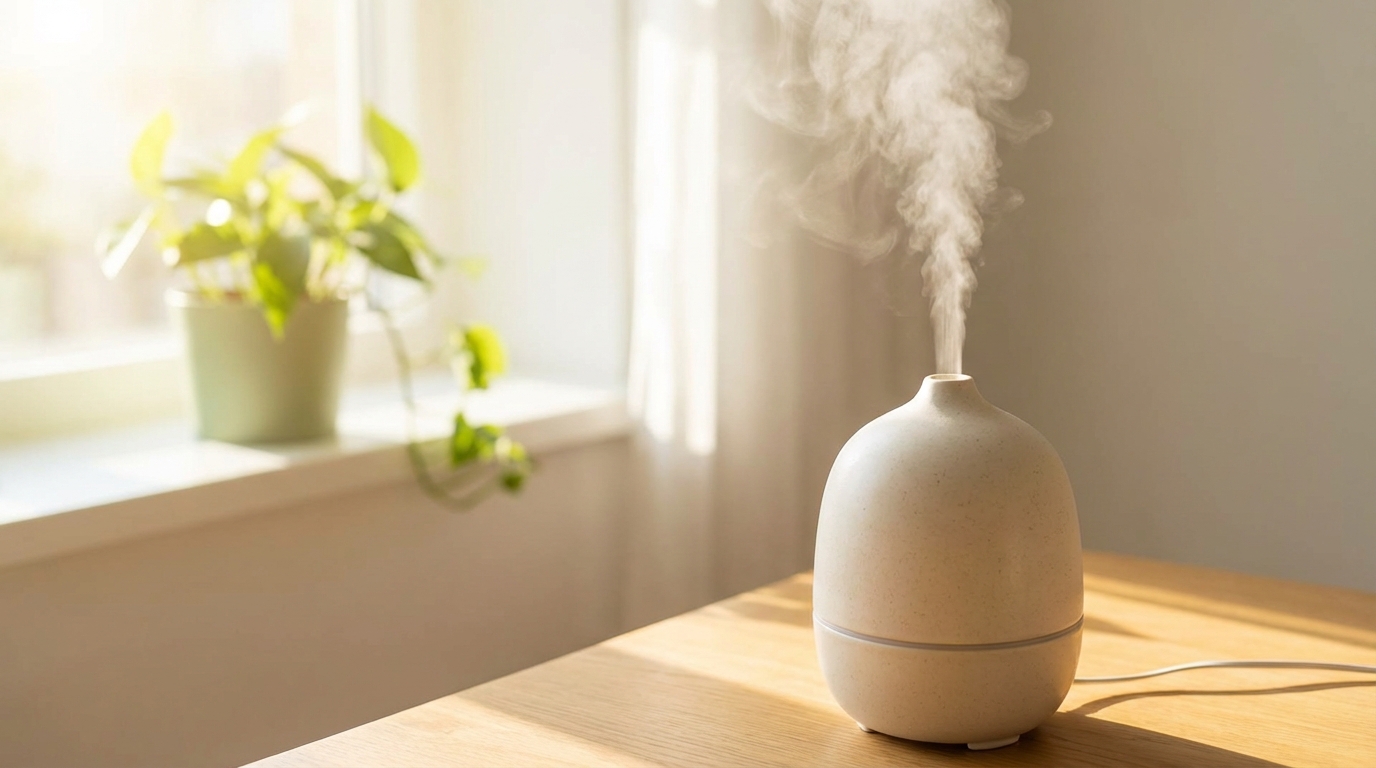
Humidifiers add water vapor directly to the air. Portable units are suitable for single rooms, while whole-home systems integrate with heating equipment. Proper sizing and maintenance are important to avoid excessive moisture. Clean operation helps prevent mineral buildup and microbial growth.
Using a humidifier with a built-in hygrometer can simplify control. This helps keep humidity within a comfortable range. Overuse should be avoided, as too much moisture can create other comfort issues.
Special Considerations for Different Rooms
Not all rooms experience dryness in the same way. Bedrooms, living rooms, and home offices often feel driest because they are heated and occupied for long periods. Bathrooms and kitchens usually have higher humidity due to water use. Understanding these differences helps target comfort efforts.
Basements may feel damp rather than dry, even in winter. This is due to cooler temperatures and contact with the ground. Moisture management should be tailored to each space.
Children’s Rooms and Home Offices
Children’s rooms may need extra attention because young skin and airways can be sensitive to dryness. Maintaining moderate humidity supports comfort during sleep and play. Soft furnishings and toys can also be affected by very dry air.
Home offices often contain electronics that generate heat without adding moisture. Long hours in a dry environment can cause discomfort. Small humidifiers or plants can improve the feel of these spaces.
Common Misunderstandings About Dry Air
Dry indoor air is often blamed on a single cause, such as heating alone. In reality, it results from a combination of factors working together. Another common belief is that opening windows always improves humidity. In cold weather, this usually makes dryness worse.
There is also confusion between air temperature and moisture. Warm air is not automatically moist, and cool air is not always dry. Understanding these distinctions helps set realistic expectations.
Health Myths and Moisture
Dry air is sometimes thought to directly cause illness. While it can increase discomfort, it does not by itself make people sick. However, irritation from dryness can make symptoms feel worse. Comfort-focused humidity control supports overall well-being.
Another myth is that more humidity is always better. Excess moisture can create its own problems. Balance remains the key goal.
Indoor air feels dry because of how temperature, moisture, and air movement interact within enclosed spaces. Weather, heating, building design, and daily habits all play a role in shaping humidity levels. By understanding these influences, indoor comfort can be managed more effectively through informed choices and simple adjustments.