
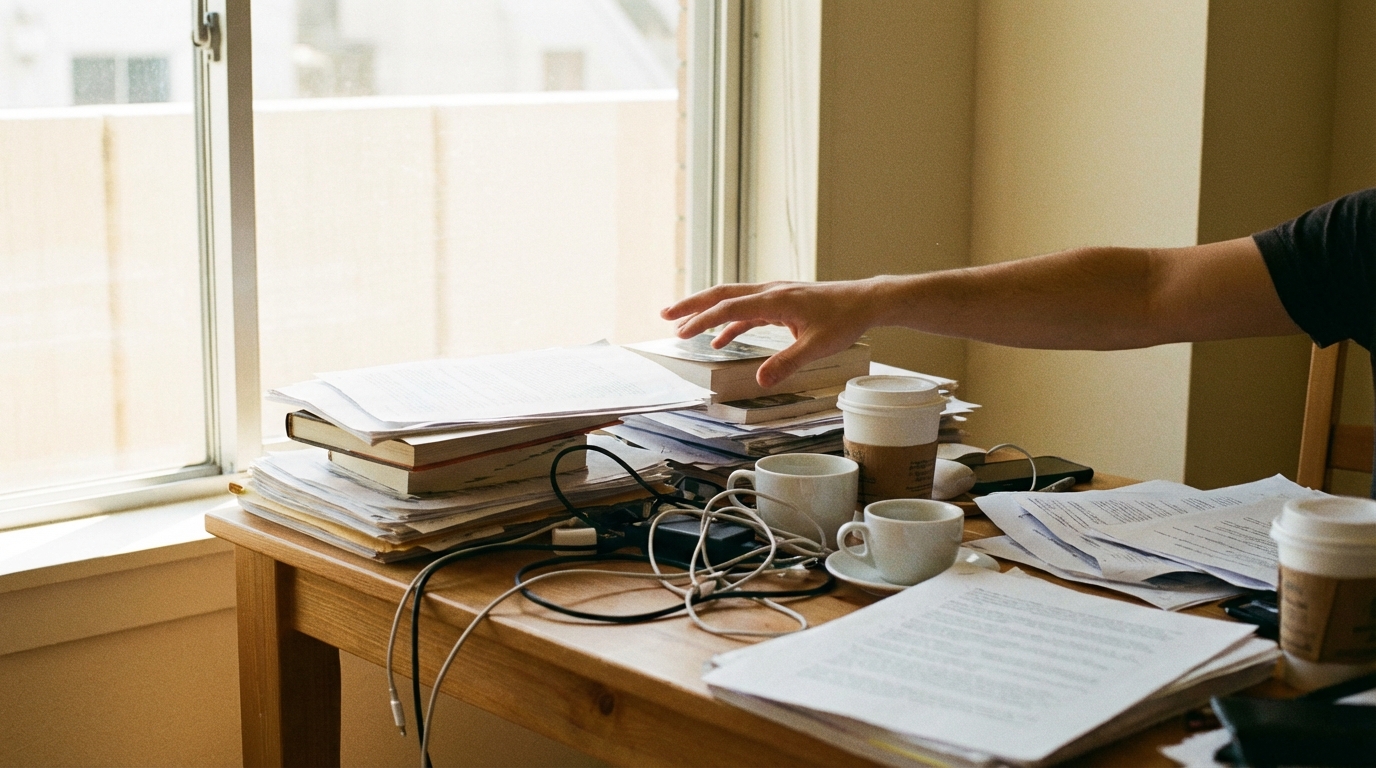
Clutter is often described as a simple visual problem, but its impact reaches much deeper than appearances. Rooms filled with scattered objects, overflowing surfaces, and disorganized storage can quietly influence mood, attention, and emotional comfort. Many people notice that certain spaces feel calming while others feel tense, even when the lighting and furniture are similar. One of the biggest differences between these environments is the amount of visible clutter.
Understanding why clutter makes rooms feel stressful requires looking at how the brain processes information, how emotions respond to physical surroundings, and how daily habits interact with space. Clutter does not only take up physical room; it also takes up mental space. By exploring these connections, it becomes easier to see why even small changes to a room can create a noticeable shift in how it feels.
How the Brain Interprets Physical Space
The human brain is constantly scanning the environment for information, even when a person is not aware of it. Every object in a room sends visual signals that must be processed, sorted, and either acted on or ignored. When a space is cluttered, the brain has to work harder to filter out what is unimportant. This extra effort can create a sense of mental fatigue, even during simple activities.
A clear space offers fewer signals competing for attention, which allows the brain to relax its constant monitoring. In contrast, cluttered environments present many shapes, colors, and textures at once. The brain may interpret this overload as a sign that something needs attention or correction. Over time, this constant low-level alert can increase stress without a clear cause.
Visual Noise and Mental Load
Visual noise refers to the number of unrelated items competing for attention in a single view. Piles of papers, open shelves packed with objects, and mixed materials can all increase visual noise. Each item adds a small demand on attention, even if it is familiar. Together, these demands create a mental load that makes it harder to feel calm.
When visual noise is high, focus becomes more difficult because the eyes and brain keep jumping between objects. This can lead to a feeling of restlessness or irritation, especially during tasks that require concentration. Reducing visual noise does not require empty rooms, but it does involve thoughtful organization. Even grouping similar items together can lower the mental effort required to process the space.
The Emotional Impact of Clutter
Clutter often carries emotional meaning that goes beyond the objects themselves. Items left out may represent unfinished tasks, postponed decisions, or unresolved responsibilities. Seeing these reminders repeatedly can trigger feelings of guilt, pressure, or frustration. Over time, the room becomes linked with these emotions rather than comfort or rest.
Rooms are not just physical containers; they act as emotional cues. A cluttered bedroom may make it harder to relax, while a cluttered living area may feel less welcoming. These emotional responses happen quickly and often without conscious thought. The body reacts before the mind has time to explain why.
Clutter and Anxiety Signals
Anxiety often increases when the environment feels unpredictable or out of control. Clutter can create this impression by making it harder to find things or move easily through a room. The brain may interpret the disorder as a sign that something is wrong or unfinished. This can raise stress levels, especially for people who already feel overwhelmed.
Even small amounts of clutter can act as constant reminders of tasks that have not been completed. A stack of unopened mail or clothes waiting to be put away can quietly signal unfinished work. These signals add up and may contribute to a persistent feeling of unease. Removing or organizing these items can reduce the number of anxiety triggers in a space.
Clutter and Focus in Everyday Tasks
Focus depends on the ability to direct attention toward one task while ignoring distractions. Clutter makes this more difficult by surrounding a person with unrelated stimuli. When the eyes take in too many details at once, attention becomes scattered. This can slow down thinking and reduce productivity.
In work or study areas, clutter is especially disruptive. Papers, tools, and personal items mixed together can make it harder to find what is needed. Each moment spent searching or reorganizing breaks concentration. Over time, these small interruptions add up and make tasks feel more tiring than they should.
The Cost of Constant Distraction
Distractions do not need to be loud or moving to affect focus. A cluttered desk can pull attention away simply by being within view. The brain registers each object and briefly considers its purpose. This constant shifting of attention uses mental energy.
When mental energy is drained by managing distractions, less remains for problem-solving or creativity. This can lead to frustration and a sense that tasks take longer than expected. A simpler visual environment allows the brain to settle into deeper focus more easily. Even minor reductions in clutter can improve attention during daily activities.
Why Certain Rooms Feel More Stressful Than Others
Not all cluttered rooms create the same level of stress. The function of the room plays a major role in how clutter is perceived. Spaces meant for rest, such as bedrooms or bathrooms, are especially sensitive to disorder. When these rooms are cluttered, the contrast between their purpose and their condition becomes more noticeable.
Activity-based rooms like kitchens or workshops may tolerate some level of clutter without the same emotional response. However, even in these spaces, excessive clutter can interfere with movement and efficiency. The mismatch between expected ease and actual difficulty can create frustration. This helps explain why some rooms feel more stressful than others.
Bedrooms and the Need for Calm
Bedrooms are closely linked to sleep, relaxation, and recovery. When clutter fills these spaces, the brain may struggle to shift into a restful mode. Visible mess can keep the mind active, scanning and evaluating instead of slowing down. This can make it harder to fall asleep or fully relax.
Clutter near the bed, such as piles of clothes or crowded nightstands, can be especially disruptive. These items remain in view during moments of rest. Even if they are ignored consciously, the brain continues to process them. Clearing these areas often leads to a noticeable improvement in how the room feels.
The Role of Decision Fatigue
Decision fatigue occurs when the brain becomes tired from making too many choices. Clutter increases the number of small decisions a person must make throughout the day. Deciding where to put things, what to move, or what to ignore uses mental energy. Over time, this can reduce patience and focus.
Each item without a clear place creates a question that needs an answer. Even deciding not to deal with it is still a decision. When these choices pile up, the brain becomes less efficient. This can make simple tasks feel more stressful than necessary.
Too Many Options in One Space
Open shelves filled with mixed items present many options at once. The brain may pause to consider each one, even if no action is needed. This constant evaluation contributes to decision fatigue. The effect is subtle but persistent.
Reducing the number of visible items can limit unnecessary choices. Storing items out of sight or grouping similar objects together helps simplify the visual field. This allows the brain to move through the space with less effort. Over time, the room feels easier to manage and less demanding.
Clutter and the Sense of Control
A sense of control over one’s environment is closely linked to emotional well-being. Clutter can undermine this sense by making spaces feel unpredictable or chaotic. When items are difficult to locate or surfaces are always crowded, it may feel like the space is in charge instead of the person. This loss of control can increase stress.
Order does not require perfection, but it does involve predictability. Knowing where things belong reduces uncertainty. Clutter disrupts this predictability by creating constant variation. Regaining control over a space often leads to a feeling of relief and confidence.
Physical Order and Emotional Stability
Physical order provides visual cues that things are manageable. Clear pathways, organized surfaces, and accessible storage all support this message. When these cues are present, the brain relaxes its alert systems. Emotional stability is easier to maintain in such environments.
In cluttered spaces, the opposite cues are present. Piles and overcrowded areas suggest unresolved issues or lack of control. These signals can affect mood even when a person is not consciously thinking about them. Improving physical order can support emotional balance over time.
How Clutter Builds Up Without Notice
Clutter often accumulates gradually, making it hard to recognize until it becomes overwhelming. Small habits, such as placing items down with the intention of dealing with them later, contribute to this buildup. Each individual action seems harmless. Over weeks or months, the result is a crowded space.
Modern lifestyles also encourage clutter through constant inflow of items. Mail, packaging, and digital devices all find their way into living spaces. Without regular systems for managing these items, they remain visible. The stress they create may be noticed before their cause is identified.
The Role of Delayed Decisions
Many cluttered items represent delayed decisions. Clothes that do not fit, papers waiting to be filed, or objects kept out of uncertainty all fall into this category. Each delayed decision leaves an item without a clear place. These items often stay visible, adding to clutter.
Delaying decisions can feel easier in the moment, but it shifts the burden to the future. The brain continues to register these unresolved items. Addressing them gradually can reduce both physical and mental clutter. Over time, the space becomes more supportive instead of stressful.
Clutter and Sensory Overload
Stress increases when the senses receive more input than they can comfortably process. Clutter contributes to sensory overload by adding visual complexity. Bright colors, mixed textures, and irregular shapes all demand attention. When combined, they can overwhelm the senses.
Sensory overload does not always feel intense. It may appear as irritability, fatigue, or difficulty concentrating. Cluttered rooms can create this state without obvious triggers. Simplifying the visual environment helps reduce sensory strain.
Visual Complexity and Comfort
Visual complexity refers to how many different elements appear in a space and how they interact. High complexity can be stimulating, but it can also be exhausting. In rooms meant for calm or focus, too much complexity reduces comfort. The brain struggles to find a resting point.
Lowering visual complexity does not mean removing personality. It involves choosing which elements are emphasized and which are minimized. Neutral backgrounds with intentional accents often feel more comfortable. This balance allows the senses to engage without becoming overloaded.
Common Types of Clutter That Increase Stress
Not all clutter has the same effect on stress levels. Certain types are more likely to interfere with mood and focus. These items often remain in sight and lack a clear purpose. Recognizing these patterns can help explain why some clutter feels more stressful than others.
Understanding common clutter categories makes it easier to address them thoughtfully. The goal is not to remove everything, but to reduce the most disruptive elements. The following examples highlight types of clutter that often increase stress.
The types of clutter that most commonly affect mood and focus include:
- Paper clutter, such as unopened mail, old notes, and loose documents.
- Surface clutter, including items left on tables, counters, and desks.
- Floor clutter, like bags, shoes, or boxes that block movement.
- Mixed-purpose items, where unrelated objects are stored together without order.
- Overflowing storage, where drawers and shelves are packed beyond capacity.
Each of these clutter types sends different signals to the brain. Paper clutter often represents unfinished tasks, while floor clutter affects movement and safety. Surface clutter dominates the visual field and is hard to ignore. Addressing these specific areas can lead to noticeable improvements in how a room feels.
Why Decluttering Often Feels Emotionally Difficult
Decluttering is not just a physical task; it often involves emotional challenges. Objects may be tied to memories, identity, or future plans. Letting go of items can feel like letting go of parts of life. This emotional weight can make clutter harder to address.
Stress can increase when there is pressure to declutter quickly or perfectly. This pressure adds another layer of difficulty. Understanding the emotional side of clutter helps explain why it persists. A slower, more thoughtful approach often leads to better results.
Attachment and Uncertainty
Many items are kept because of uncertainty about future needs. The thought of needing something later can make it hard to let go now. This uncertainty keeps items in visible spaces. Over time, these objects contribute to clutter and stress.
Emotional attachment also plays a role. Gifts, souvenirs, and inherited items can carry meaning beyond their practical use. These items deserve thoughtful decisions rather than rushed ones. Acknowledging their emotional value can make decluttering feel more manageable.
How Organized Spaces Support Better Mood
Organized spaces support emotional well-being by reducing mental effort. When items have clear places, the brain does not need to constantly search or decide. This creates a sense of ease and predictability. Mood often improves as a result.
Order also allows positive features of a room to stand out. Natural light, textures, and colors become more noticeable when clutter is reduced. These elements can support feelings of comfort and safety. The room becomes a place to recharge rather than cope.
Consistency and Routine
Consistent organization supports daily routines. When items are easy to find, tasks take less time and energy. This efficiency reduces frustration and supports a calmer mood. Over time, routines become smoother.
Consistency also reduces the likelihood of clutter returning quickly. When systems are simple and predictable, they are easier to maintain. This prevents the gradual buildup that leads to stress. The space remains supportive instead of demanding.
The Connection Between Clutter and Mental Energy
Mental energy is a limited resource that is used for thinking, problem-solving, and emotional regulation. Clutter drains this resource by demanding constant attention. Even when tasks are not being actively performed, the brain remains engaged with the environment. This reduces available energy for other activities.
Rooms with less clutter allow mental energy to be directed more efficiently. The brain can focus on meaningful tasks or rest when needed. This balance supports both productivity and relaxation. Over time, reduced clutter can lead to better overall mental stamina.
Restorative Environments
Restorative environments help the brain recover from mental fatigue. These spaces are visually calm and easy to navigate. Clutter interferes with this restorative quality by keeping the brain active. The room never fully signals that it is safe to rest.
Creating restorative spaces involves reducing unnecessary stimuli. This includes managing clutter as well as other factors like lighting and color. When clutter is addressed, the room becomes more effective at supporting recovery. This can improve mood and focus throughout the day.