
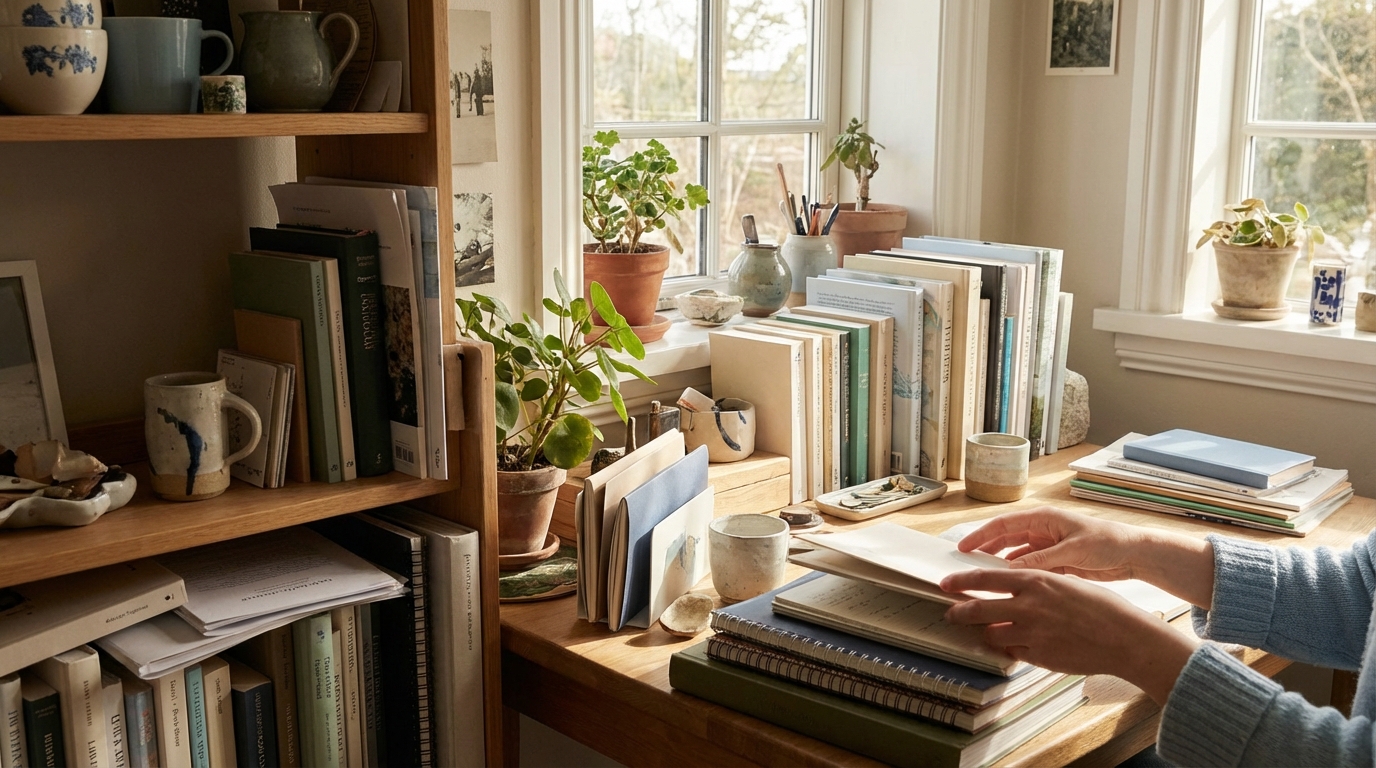
Walking into a room that feels packed, noisy to the eyes, or visually confusing can quickly raise tension, even before a person consciously notices why. Busy rooms often trigger discomfort because the brain has to work harder to process what it sees. This experience is commonly linked to visual overload, a state where the amount of visual information exceeds what the brain can easily manage. Understanding why this happens helps explain why some indoor spaces feel calming while others feel stressful.
Visual overload is not limited to extreme situations or crowded events. It can occur in everyday indoor settings such as living rooms, offices, classrooms, and stores. The stress response may be subtle, showing up as fatigue, irritability, or difficulty focusing rather than obvious anxiety. By looking closely at how visual environments interact with human perception, it becomes easier to understand why busy rooms can feel overwhelming.
What Visual Overload Means in Everyday Life
Visual overload happens when the brain receives more visual input than it can comfortably process at one time. This includes colors, shapes, movement, lighting changes, and object density all competing for attention. In a busy room, the eyes constantly move from one item to another, sending large amounts of data to the brain. When this input exceeds processing capacity, stress and mental fatigue often follow.
Unlike physical clutter alone, visual overload is about perception rather than actual quantity. A room with fewer objects can still feel overwhelming if those objects are visually loud or poorly organized. Patterns, high contrast, and unpredictable movement all add to the mental workload. Over time, repeated exposure to visually overloaded spaces can affect mood and concentration.
How the Human Visual System Processes Space
The human visual system evolved to quickly scan environments for important information, such as movement, threats, and useful resources. This ability works best in settings where visual cues are clear and organized. When a room is busy, the system must constantly decide what deserves attention and what can be ignored. This constant decision-making uses mental energy and contributes to stress.
Vision is closely tied to attention, and attention is a limited resource. When too many items compete for attention, none receive full processing. This can lead to a feeling of being mentally scattered or unable to settle. Busy rooms often push the visual system beyond its comfort zone, even if the person is unaware of the underlying cause.
Selective Attention and Visual Filtering
Selective attention allows people to focus on certain visual elements while ignoring others. In a calm room, this filtering happens smoothly and automatically. In a busy room, filtering becomes more difficult because many elements appear equally important. The brain struggles to decide what to prioritize, leading to cognitive strain.
Visual filtering is especially challenged by environments where objects overlap, colors clash, or movement is constant. The effort required to maintain focus increases, which can feel draining. Over time, this mental effort may be experienced as stress or irritability, particularly in spaces where one is expected to concentrate.
The Role of Clutter in Visual Stress
Clutter is one of the most common contributors to visual overload in indoor spaces. When many objects are visible at once, the brain interprets each as a potential point of interest. This creates a crowded visual field that requires extra processing. Even familiar items can add to stress when they are not organized or visually contained.
Clutter also reduces the presence of visual rest areas, which are spaces where the eyes can relax. Blank walls, simple surfaces, and consistent textures provide relief to the visual system. Without these areas, the eyes remain in a constant state of scanning, increasing fatigue. Over time, cluttered rooms can feel emotionally heavy or oppressive.
Color, Pattern, and Visual Complexity
Color plays a powerful role in how busy a room feels. Bright, saturated colors demand attention and can increase arousal levels. When many strong colors are used together without balance, the visual system has difficulty settling. This can make a room feel chaotic even if it is physically tidy.
Patterns add another layer of complexity. Repeating shapes, busy prints, and high-contrast designs all increase visual activity. While patterns can add interest, too many of them in one space can overwhelm the eyes. Simpler color palettes and restrained pattern use often help reduce visual stress.
Contrast and Visual Tension
High contrast between light and dark areas draws the eye quickly. In moderation, contrast helps define space and improve visibility. In excess, it can create visual tension, pulling attention in multiple directions at once. Busy rooms often contain many contrasting elements competing for focus.
When contrast is not organized, the eyes jump from one focal point to another. This constant movement prevents visual rest. Over time, this can contribute to headaches or eye strain, adding to the overall sense of stress in a space.
Lighting and Its Impact on Visual Load
Lighting strongly affects how the brain interprets visual information. Harsh, uneven, or flickering light increases the effort required to see clearly. In a busy room, poor lighting makes it harder to distinguish objects, adding to cognitive load. This combination can quickly become overwhelming.
Glare and reflections also add to visual noise. Shiny surfaces that reflect light create extra points of brightness that the eyes must adjust to. Soft, even lighting helps reduce this strain by supporting clear and comfortable vision. When lighting works against the visual system, stress levels tend to rise.
Movement and Visual Noise
Movement naturally attracts attention because it often signals importance. In indoor spaces, movement can come from people, screens, fans, or changing light. When many sources of movement are present, the brain struggles to ignore them. This constant pull on attention contributes to visual overload.
Visual noise refers to unnecessary or distracting visual activity. Screens playing different content, flashing indicators, or even busy window views can all add to this noise. In busy rooms, visual noise keeps the brain in a heightened state of alertness. This makes relaxation and focus more difficult.
Personal Space and Visual Crowding
Visual overload is closely tied to the perception of crowding. When people or objects are too close together, the brain interprets this as a lack of personal space. Even without physical contact, visual proximity can trigger discomfort. Busy rooms often reduce the sense of openness that supports calm.
Crowding also limits clear sightlines. When the eyes cannot easily see where a space begins and ends, the brain feels less oriented. This lack of spatial clarity can increase stress. Open layouts and clear pathways help counteract this effect.
Cognitive Load and Mental Effort
Cognitive load refers to the amount of mental effort required to process information. Busy rooms increase cognitive load by presenting too many visual details at once. The brain must work harder to interpret, categorize, and respond to what it sees. This effort can feel tiring even during short periods.
High cognitive load reduces the brain’s ability to focus on tasks or conversations. In work or learning environments, this can lower performance and increase frustration. Over time, people may associate certain rooms with stress simply because of the mental effort required to be there.
Emotional Responses to Busy Indoor Spaces
Visual overload does not only affect thinking; it also influences emotions. Busy rooms can trigger feelings of anxiety, restlessness, or irritability. These reactions often occur automatically, without conscious thought. The brain interprets overload as a signal that the environment is demanding or unsafe.
Emotional responses vary between individuals, but the underlying mechanism is similar. When the brain is overstimulated, emotional regulation becomes more difficult. This can lead to shorter tempers or a desire to escape the space. Over time, emotional associations with busy rooms can become strong.
Physical Stress Responses Linked to Visual Overload
Visual overload can activate the body’s stress response. Increased heart rate, muscle tension, and shallow breathing may occur when the brain feels overwhelmed. These physical changes are designed to help deal with challenges but can be uncomfortable indoors. Busy rooms may trigger these responses even without obvious threats.
Eye strain and headaches are also common physical effects. Constant visual scanning and focusing tire the eye muscles. When combined with poor lighting or glare, discomfort increases. These physical symptoms reinforce the feeling that the room is stressful.
Busy Rooms in Different Indoor Settings
Visual overload can appear in many types of indoor environments. Each setting presents its own challenges based on purpose and design. Understanding these differences helps explain why some spaces feel more stressful than others. Context plays a major role in how visual input is interpreted.
Homes and Living Spaces
In homes, visual overload often comes from accumulated belongings, decorations, and mixed styles. Because homes are personal spaces, clutter may carry emotional meaning, making it harder to reduce. However, this does not lessen its visual impact. Busy living spaces can make relaxation more difficult.
Homes are also where people spend long periods, increasing exposure to visual stress. What feels manageable at first may become tiring over time. Creating visual balance in living areas supports rest and recovery. Small changes can significantly affect how a room feels.
Offices and Work Environments
Offices often combine work tools, technology, and shared spaces, leading to high visual complexity. Open offices add movement and constant visual interruptions. This can make it harder to concentrate and maintain mental clarity. Busy offices often contribute to work-related stress.
Visual overload at work is especially challenging because productivity is expected. The brain must focus while being surrounded by distractions. Over time, this mismatch increases fatigue. Design choices that reduce visual noise can support better focus.
Classrooms and Learning Spaces
Classrooms frequently use colorful displays, posters, and student work to create engagement. While well-intended, too much visual information can overwhelm students. Busy classrooms may reduce attention and learning efficiency. This effect can be stronger for younger learners.
Learning requires mental focus, which is sensitive to cognitive load. When walls and spaces are visually crowded, students must filter more information. This extra effort can reduce comprehension. Balanced visual design supports clearer thinking.
Individual Differences in Sensitivity
Not everyone experiences visual overload in the same way. Some individuals are more sensitive to sensory input due to personality, past experiences, or neurological differences. For these individuals, busy rooms may feel stressful more quickly. Sensitivity does not imply weakness, but rather a different processing style.
Stress tolerance also varies based on fatigue, mood, and health. A room that feels manageable on one day may feel overwhelming on another. Understanding individual differences helps explain why reactions to busy rooms are not universal. This variability is important in shared indoor spaces.
Neurodiversity and Visual Processing
Neurodivergent individuals, including those with autism or attention-related differences, may experience visual overload more intensely. Their brains may process sensory input differently, making busy rooms particularly challenging. Excessive visual stimuli can interfere with communication and comfort. Thoughtful design can reduce these barriers.
Clear organization, predictable layouts, and reduced visual noise often support accessibility. These features benefit not only neurodivergent individuals but everyone in the space. Understanding visual overload through this lens highlights its importance beyond personal preference.
Technology and Screen Saturation
Modern indoor spaces often include multiple screens displaying different content. Televisions, monitors, tablets, and digital signs add constant visual activity. This saturation increases visual noise and divides attention. Busy rooms with many screens can feel especially draining.
Screen content often includes motion, bright colors, and rapid changes. These features are designed to attract attention, which increases competition for focus. In enclosed spaces, this effect is amplified. Reducing unnecessary screen exposure can lower visual stress.
Signs That a Room Is Visually Overloading
Recognizing visual overload involves noticing both environmental and personal signs. Certain room characteristics commonly contribute to stress. Paying attention to these features helps identify problematic spaces.
The following elements often indicate a visually overloaded room:
- Too many visible objects without clear organization
- Strong or clashing colors used throughout the space
- Multiple sources of movement or flickering light
- Lack of clear focal points or visual rest areas
- Overcrowded layouts with limited open space
When these elements combine, the brain must work harder to process the environment. The result is often a feeling of tension or fatigue. Identifying these signs helps explain emotional reactions to certain rooms. Awareness is the first step toward understanding the impact of visual environments.
Time Pressure and Visual Stress
Visual overload becomes more stressful when combined with time pressure. In busy rooms where quick decisions are required, such as workplaces or retail spaces, the brain has less time to process information. This increases mental strain. The combination of speed and complexity can feel overwhelming.
Under time pressure, the brain prioritizes efficiency over comfort. This can lead to mistakes or heightened stress responses. Busy rooms amplify this effect by increasing the amount of information competing for attention. Clear visual organization becomes especially important in these situations.
Cultural Expectations and Design Norms
Cultural background influences how busy a room feels. Some cultures value rich decoration and dense visual detail, while others prefer minimalism. What feels comfortable in one context may feel stressful in another. Expectations shape how visual input is interpreted.
Design norms also affect tolerance for visual complexity. People accustomed to certain styles may find them less overwhelming. However, the limits of human visual processing remain consistent. Even familiar environments can cause overload if visual input exceeds capacity.
Maintenance, Change, and Visual Stability
Rooms that change frequently can contribute to visual stress. Rearranged furniture, rotating decorations, or temporary clutter disrupt visual familiarity. The brain must re-learn the environment each time. This ongoing adjustment increases cognitive effort.
Visual stability supports a sense of control and comfort. When a room’s layout and appearance remain predictable, the brain processes it more efficiently. Busy rooms often lack this stability, adding another layer of stress. Consistency plays an important role in visual comfort.
Wayfinding and Spatial Clarity
Wayfinding refers to how easily people can understand and navigate a space. In busy rooms, unclear pathways and visual clutter make navigation harder. The brain must spend extra effort figuring out where to go. This adds to cognitive load and stress.
Clear sightlines, defined zones, and visual cues support easier movement. When these elements are missing, confusion increases. Busy rooms often overwhelm wayfinding systems with too much information. Spatial clarity reduces visual and mental strain.