
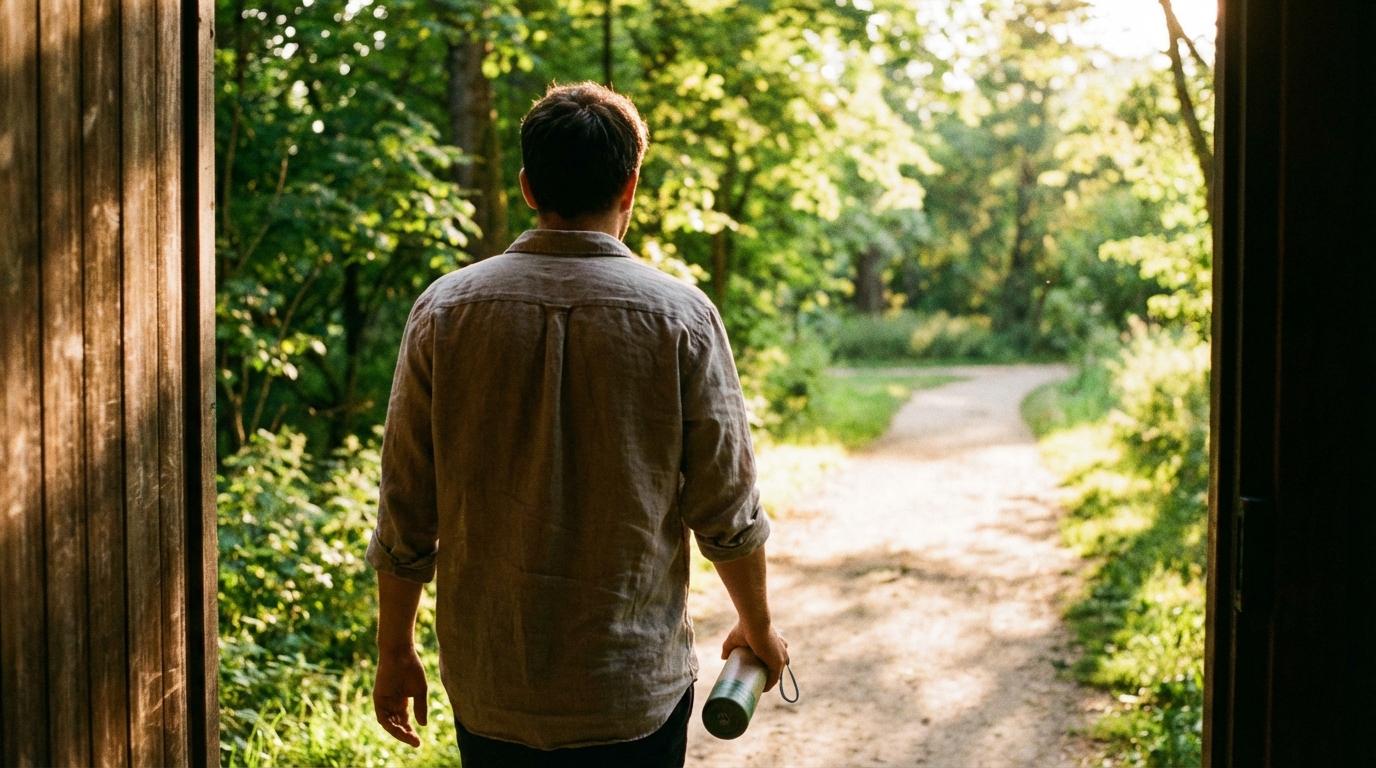
Daily routines help life feel organized, but they can also become limiting when the same patterns repeat without change. Many habits form indoors, shaped by screens, schedules, and familiar surroundings that rarely shift. Spending time outside introduces new sights, sounds, and physical sensations that naturally interrupt these patterns. This change in environment can make it easier to notice habits, question them, and gently reset daily behavior.
Outdoor time does not need to be extreme or adventurous to have an effect. Simple activities like walking, sitting in a park, or doing chores outside can shift attention and awareness. These moments create space between automatic actions and conscious choice. Over time, that space supports flexibility and helps routines evolve instead of staying stuck.
The Nature of Routines and How They Form
Routines develop because the brain looks for efficiency. When an action is repeated in the same setting, the brain learns to perform it with less effort. This process saves energy and time, which is useful for daily tasks like getting ready for work or preparing meals. However, once a routine is formed, it can continue even when it no longer serves a clear purpose.
Most routines are tied closely to place. A certain chair may trigger phone scrolling, or a specific room may signal work mode. Indoor spaces tend to stay the same, reinforcing these cues day after day. Without a change in environment, the brain has little reason to question what comes next.
Automatic Behavior and Environmental Cues
Automatic behavior happens when actions follow cues without much thought. These cues can be visual, like a desk, or sensory, like the hum of electronics. Indoors, these cues are strong and predictable. As a result, habits can run on autopilot.
Outdoor environments disrupt this process by changing or removing familiar cues. Light, weather, and open space create conditions that feel less controlled. This shift encourages the brain to stay alert, making it easier to notice actions that are usually automatic.
Why Outdoor Spaces Feel Different to the Brain
Outdoor spaces offer a level of variation that indoor environments rarely match. Clouds move, leaves shift, and sounds change from moment to moment. This natural variety keeps the brain engaged without overwhelming it. Engagement without overload supports mental flexibility.
Being outside also changes how the senses work together. Vision stretches farther, hearing picks up layered sounds, and the body adjusts to temperature and ground texture. These sensory changes pull attention into the present moment, reducing mental loops tied to routine thinking.
Soft Fascination and Attention Reset
Natural settings often create what psychologists call soft fascination. This means the environment holds attention gently, without demanding focus. Watching water flow or trees move in the wind draws interest while allowing the mind to rest.
This state gives the brain a break from directed attention, which is heavily used indoors for screens and tasks. When directed attention rests, mental fatigue decreases. With less fatigue, it becomes easier to step back and notice habits that usually go unquestioned.
Breaking Time-Based Routines Through Outdoor Movement
Many routines are tied to specific times of day. Morning phone checks, afternoon snacks, or evening screen time often happen at the same hour. Going outside can interrupt these time-based patterns by adding a new activity at a familiar moment.
A short walk or outdoor task changes how time feels. Instead of rushing from one indoor activity to another, time opens up. This shift can weaken the connection between the clock and automatic behavior.
Walking as a Habit Disruptor
Walking outside is one of the simplest ways to break routine. It requires minimal planning and can fit into most schedules. The act of walking changes posture, breathing, and pace, which signals the brain that something different is happening.
As the body moves, thoughts often follow a new pattern. Problems may be viewed from a different angle, and repetitive thinking can slow down. This mental shift creates an opening for new choices once the walk ends.
The Role of Physical Movement in Habit Reset
Outdoor time often includes physical movement, even if it is gentle. Movement increases blood flow and releases chemicals that support mood and focus. These physical changes influence mental states linked to habit formation.
When the body feels different, the mind is more likely to act differently. Sitting indoors for long periods can lock both body and mind into repetitive patterns. Standing, stretching, or moving outside introduces variation that supports change.
Coordination, Balance, and Awareness
Outdoor movement often requires more coordination than indoor movement. Uneven ground, steps, and natural obstacles demand attention. This awareness pulls focus away from automatic thoughts.
As awareness increases, so does the ability to choose actions intentionally. This makes it easier to pause before falling into an old habit. Over time, these pauses can lead to lasting changes in routine behavior.
Light, Air, and Their Impact on Daily Patterns
Natural light plays a major role in regulating sleep and energy levels. Indoor lighting can confuse the body’s sense of time, especially when screens are involved. Stepping outside exposes the eyes to brighter, broader light that helps reset internal clocks.
Fresh air also changes how the body feels. Differences in temperature and airflow stimulate the senses. These physical cues can mark a clear break between activities, helping routines loosen.
Sunlight and Circadian Rhythm
Exposure to sunlight, especially in the morning, supports a healthy circadian rhythm. This rhythm influences sleep, appetite, and focus. When it is balanced, daily routines feel less forced.
A balanced rhythm makes it easier to adjust habits. Waking and resting at more natural times reduces reliance on stimulants and screens. This shift can quietly reshape daily patterns without deliberate effort.
Outdoor Time as a Space for Reflection
Indoor environments often encourage constant input, such as notifications, conversations, and media. Outside, especially in green spaces, input tends to be slower and less directed. This creates room for reflection.
Reflection does not require deep thinking or problem-solving. It can be as simple as noticing feelings or thoughts as they arise. This awareness is key to understanding which routines feel helpful and which feel draining.
Distance from Triggers
Many habits are triggered by specific objects, like a television or snack cabinet. Going outside places physical distance between a person and these triggers. Distance weakens the habit loop.
With fewer triggers present, urges often lose intensity. This makes it easier to choose a different action or to do nothing at all. Over time, repeated breaks from triggers can reduce their power.
Social Patterns and Outdoor Interaction
Routines are not only personal; they are also social. Indoor social habits often revolve around shared screens or seated conversation. Outdoor interaction tends to be more fluid and active.
Meeting someone for a walk or spending time in a shared outdoor space changes social dynamics. Conversation flows differently, and silence feels more natural. These differences can reset social habits that feel rigid or tiring.
Shared Movement and Connection
Moving together outdoors creates a sense of shared experience without pressure. Walking side by side reduces the intensity of face-to-face interaction. This can make communication feel easier.
Easier communication supports healthier social routines. It may encourage more frequent connection or reduce reliance on digital communication. These changes can ripple into other areas of daily life.
Using Outdoor Time to Build Flexible Habits
The goal of breaking routines is not to eliminate structure entirely. Structure provides stability, but flexibility allows growth. Outdoor time supports flexibility by introducing change in a manageable way.
Rather than replacing routines, outdoor activities can be woven into them. A regular outdoor break can act as a reset point within the day. This approach keeps helpful habits while softening rigid ones.
Small, Repeatable Outdoor Actions
Consistency matters when forming new habits. Small outdoor actions are easier to repeat than large commitments. Examples include stepping outside after meals or taking brief walks.
These small actions create reliable moments of change. Each moment reinforces the idea that routines can adapt. Over time, this mindset supports broader habit shifts.
Some common ways people incorporate outdoor time into daily life include the following examples. These actions are simple and adaptable, making them easier to maintain across different schedules.
- Taking a five-minute walk during breaks
- Drinking morning coffee outside
- Doing phone calls while walking outdoors
- Spending a few minutes in natural light after waking
These examples show how outdoor time does not need to replace existing routines. Instead, it can gently reshape them. The key is regular exposure to a different environment.
Emotional Shifts That Support Habit Change
Emotions play a strong role in habit formation. Stress, boredom, and fatigue often reinforce unhelpful routines. Outdoor environments tend to reduce stress and improve mood.
Lower stress levels make change feel safer. When the nervous system is calmer, the brain is more open to trying new behaviors. This emotional shift supports habit reset without force.
Sense of Autonomy and Choice
Being outside often brings a feeling of freedom. Open spaces and fewer rules create a sense of choice. This feeling can counter the pressure of rigid schedules.
When people feel more autonomous, they are more likely to adjust habits willingly. Change becomes something chosen, not imposed. This increases the chance that new routines will last.
Long-Term Effects of Regular Outdoor Exposure
Regular outdoor time builds a relationship with change itself. Weather, seasons, and landscapes shift over time. This ongoing variation teaches the brain that change is normal.
As comfort with change grows, routines become less fixed. People may find it easier to adjust schedules, try new activities, or let go of habits that no longer fit. Outdoor exposure supports this adaptability quietly and steadily.
Seasonal Awareness and Rhythm
Outdoor time increases awareness of seasons and natural cycles. Shorter days, cooler air, and changing colors provide cues that differ from indoor calendars. These cues influence energy and focus.
Responding to seasonal changes encourages flexible routines. Activity levels and rest patterns can shift naturally. This responsiveness helps prevent routines from becoming stale or disconnected from real needs.
Practical Barriers and Gentle Adjustments
Not everyone has easy access to large natural areas. Urban settings, weather, and time constraints can limit options. Still, even small outdoor moments can make a difference.
Adjustments can be practical and simple. Standing near an open window, visiting a small green space, or stepping outside briefly can interrupt indoor routines. The impact comes from the change in setting, not the size of the space.
Redefining What Counts as Outdoor Time
Outdoor time does not have to mean wilderness or long trips. Sidewalks, balconies, and courtyards still offer different sensory input. These spaces count.
Redefining outdoor time makes it more accessible. When expectations are realistic, consistency improves. Consistency is what supports ongoing habit reset.
Different forms of outdoor exposure can fit into varied lifestyles. The following list highlights accessible options that work in many environments.
- Standing outside during phone calls
- Eating meals near an open door or window
- Walking short distances instead of driving
- Spending time in public outdoor spaces
These options show how outdoor time can be integrated without major changes. Each option introduces variation that weakens rigid routines. Over time, these small shifts can support meaningful habit change.