
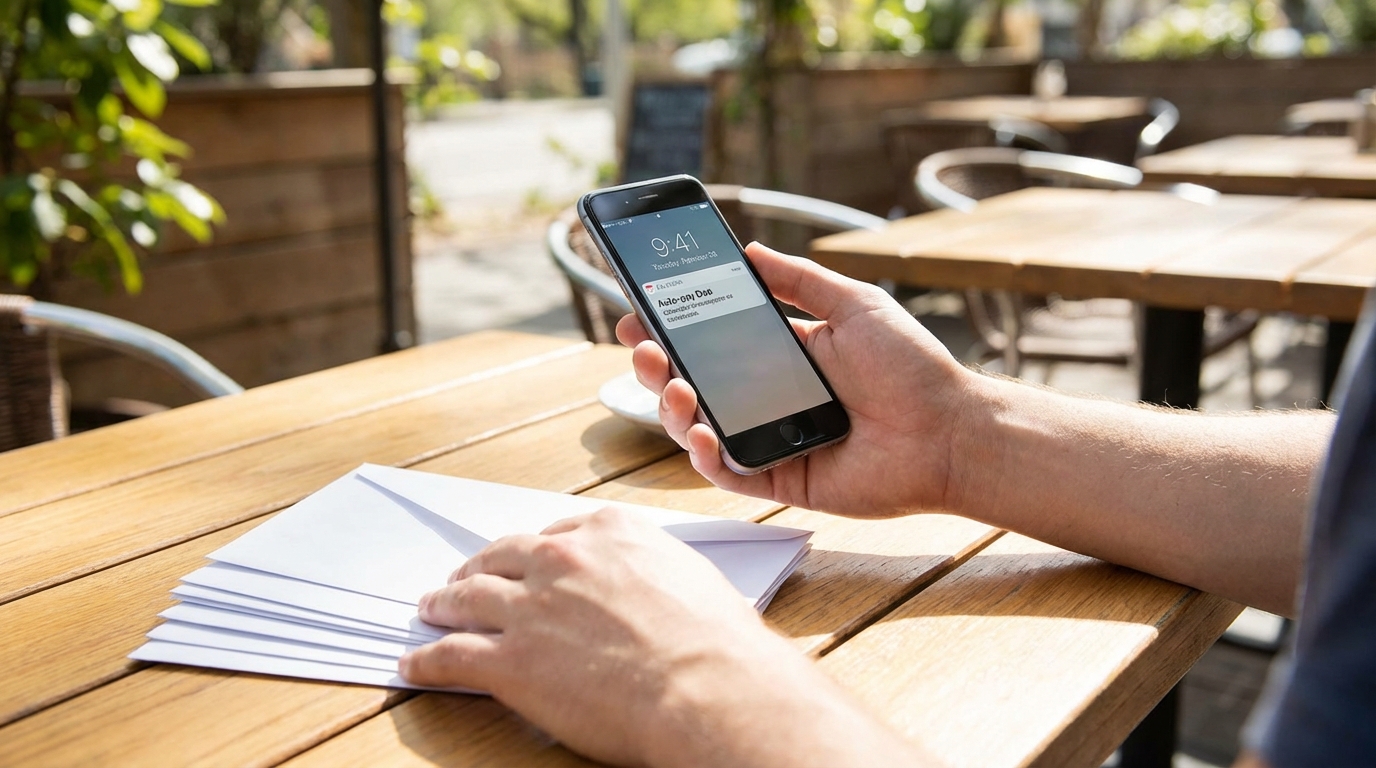
Automatic payments, often called auto-pay, are widely promoted as a simple way to stay on top of bills. Banks, lenders, utilities, and subscription services all encourage customers to set them up. The idea is appealing because it promises fewer missed payments and less mental effort. Yet automatic payments do not always work as smoothly as expected, and in some cases they can cause new problems that are harder to notice.
Understanding how automatic payments work in real life helps explain why they can backfire. Money does not move in a vacuum, and most households have changing income, uneven expenses, and shifting priorities. When payments run on autopilot, those changes may not be noticed in time. This article explores both the benefits and the risks so readers can see where auto-pay fits and where it may do more harm than good.
What Automatic Payments Are and How They Work
Automatic payments are arrangements where a company pulls money directly from a bank account or charges a card on a set schedule. The schedule might be monthly, weekly, or tied to a billing cycle. Once set up, the customer usually does not need to take any action for each payment. The system relies on the account having enough funds available at the right time.
Auto-pay can be set up in different ways depending on the provider. Some bills pull a fixed amount, such as a loan payment or insurance premium. Others pull a variable amount that changes each month, like utilities or credit card balances. These differences matter because they affect how predictable the payments really are.
When Automatic Payments Can Be Helpful
Automatic payments are not inherently bad, and in many cases they provide real value. They work best when the bill amount is stable and the payment date matches the flow of income. For people who are paid on a regular schedule and keep a buffer in their accounts, auto-pay can reduce stress. It can also help avoid late fees that come from simple forgetfulness.
Some lenders and service providers even offer incentives for using auto-pay. These may include small interest rate reductions or fee waivers. In those cases, auto-pay can lead to measurable savings. The key is that the system works as intended only when the underlying finances are stable and well understood.
Fixed Bills with Predictable Timing
Auto-pay tends to work best for bills that do not change much over time. Examples include rent, car loans, student loans, and certain insurance premiums. When the amount and due date are known in advance, it is easier to plan around them. This predictability reduces the risk of surprises.
For these types of bills, auto-pay can act like a safety net. It helps ensure that an important obligation is met even if attention is focused elsewhere. Over time, this can support a steady payment history, which is especially helpful for long-term loans.
People Who Struggle with Due Dates
Some people find it hard to track multiple due dates each month. Auto-pay removes the need to remember each one individually. This can be useful during busy or stressful periods when mental energy is limited. In those cases, automation acts as a backup system.
However, this benefit depends on continued monitoring. Auto-pay helps with remembering, but it does not replace the need to check balances and statements. Without that oversight, the same system can quietly create problems.
Why Automatic Payments Can Backfire
The main risk of automatic payments is that they reduce active awareness. When money leaves an account without a manual step, it is easier to overlook changes. Small issues can grow into larger ones before they are noticed. This is especially true when finances are tight or irregular.
Auto-pay can also shift control away from the account holder. Instead of deciding when and how much to pay each time, those decisions are made in advance or by the billing company. When something unexpected happens, that loss of control can lead to fees, stress, and damaged credit.
Cash Flow Problems and Timing Mismatches
One of the most common ways auto-pay backfires is through poor timing. Income does not always arrive before expenses are due. Even if the total monthly income is enough, the order of deposits and withdrawals matters. Auto-pay does not adjust itself when paychecks arrive late or expenses stack up.
This issue is common for people with hourly work, freelance income, or irregular pay schedules. A payment may be scheduled for the first of the month while income arrives on the fifth. Without enough cushion, this gap can cause overdrafts or declined payments.
Overdraft Fees and Bank Penalties
When an automatic payment hits an account with insufficient funds, the result is often an overdraft fee. These fees can be high and may occur multiple times in a single day. In some cases, the payment still goes through, making the negative balance worse. In other cases, the payment is rejected and triggers a late fee from the biller.
Because auto-pay happens without a prompt, the account holder may not notice the issue right away. By the time it is discovered, several fees may already have been added. This can turn a manageable bill into a costly problem.
Stacked Payments on the Same Day
Many automatic payments default to the same dates, such as the first or fifteenth of the month. When multiple bills pull funds on the same day, the combined impact can be larger than expected. This clustering increases the risk of a low balance at exactly the wrong time.
Manually paying bills allows for spacing them out. Auto-pay removes that flexibility unless dates are carefully adjusted. Without deliberate planning, timing conflicts can become a regular source of stress.
Variable Bills and Unpredictable Charges
Not all bills are the same every month. Utilities, credit cards, and usage-based services can vary widely. Auto-pay for these bills means agreeing to pay whatever amount is charged, even if it is higher than expected. This can catch people off guard.
Unexpected spikes may come from seasonal changes, errors, or one-time charges. When payment is automatic, there is no pause to question the amount before money leaves the account. Fixing mistakes after the fact is often harder than preventing them.
Credit Card Auto-Pay Risks
Many people set credit cards to auto-pay the minimum or the full statement balance. Each option carries its own risks. Paying the minimum can lead to long-term debt and high interest costs. Paying the full balance requires confidence that enough cash will be available.
If spending increases unexpectedly, a full-balance auto-pay can drain a checking account. This can cause overdrafts or leave too little for other essentials. Without reviewing the statement first, it is easy to miss unusual charges.
Utility and Service Billing Errors
Billing errors happen more often than many people expect. A meter reading may be wrong, or a service plan may change without clear notice. Auto-pay allows these errors to be paid automatically. The burden then falls on the customer to request a refund.
Refunds can take weeks, during which time the money is unavailable. For households with tight budgets, this delay can create real hardship. Manual review before payment offers a chance to catch problems early.
Subscription Creep and Silent Spending
Subscriptions are one of the most common areas where auto-pay quietly causes harm. Small monthly charges may seem harmless on their own. Over time, they add up and reduce financial flexibility. Auto-pay makes these charges easy to forget.
Streaming services, apps, memberships, and digital tools often rely on automatic renewals. When usage declines or stops, the charges may continue unnoticed. This phenomenon is often called subscription creep.
Subscriptions commonly affected by auto-pay include the following:
- Streaming video and music platforms
- Fitness and wellness apps
- Software tools and cloud storage
- Monthly boxes and delivery services
- News and content memberships
Each of these services may cost a modest amount, but together they can consume a significant portion of a budget. Because the payments are automatic, there is no regular moment to reconsider their value. Reviewing bank statements becomes the only way to catch them.
Reduced Budget Awareness and Spending Control
Budgeting relies on awareness. Knowing where money goes helps guide better decisions. Automatic payments can weaken that awareness by removing active choice from the process. Bills are paid, but the details fade into the background.
Over time, this can create a gap between perception and reality. A person may feel financially stable because nothing is overdue, while in reality most income is already spoken for. This makes it harder to adjust spending or save for goals.
The Illusion of Financial Health
Auto-pay can create the impression that finances are under control simply because payments are current. This can mask deeper issues such as high debt, low savings, or rising expenses. Without regular review, warning signs may be missed.
This illusion is especially risky during life changes. A new job, a move, or a change in family size can alter finances quickly. Auto-pay does not adapt on its own, and old assumptions may no longer hold true.
Impact on Credit and Payment Disputes
Automatic payments are often promoted as a way to protect credit scores. While they can help avoid late payments, they are not foolproof. If an auto-pay fails due to insufficient funds or a technical issue, the result can still be a late mark.
Some people assume auto-pay guarantees on-time payment and stop monitoring accounts. When a problem occurs, it may not be noticed until a notice arrives or credit is already affected. At that point, fixing the damage can take time.
Disputes and Chargebacks
Disputing a charge is more complicated when it has already been paid automatically. The money is gone, and the process shifts to recovery. This can involve long customer service calls and documentation.
During a dispute, future automatic payments may continue unless they are manually stopped. This adds another layer of complexity. Staying engaged with billing details helps prevent this cycle.
Security and Account Access Concerns
Auto-pay requires sharing bank or card information with multiple companies. Each connection is a potential point of risk. While many providers have strong security, breaches and data leaks still occur.
If an account is compromised, automatic payments can speed up the damage. Fraudulent charges may go through before they are noticed. Stopping all payments and updating information can be time-consuming.
Difficulty Changing Accounts
Switching banks or closing a credit card is harder when many auto-payments are linked to it. Each payment must be updated individually. Missing one can result in a failed payment and a fee.
This friction can discourage people from making beneficial changes. They may stay with an account that has high fees or poor service simply to avoid the hassle. Over time, this can increase costs.
Shared Accounts and Relationship Tensions
In households with shared finances, auto-pay can add complexity. One person may set up payments without full agreement or understanding from others. This can lead to confusion about where money is going.
When balances run low, disagreements may arise about which payments should have priority. Auto-pay removes the chance to discuss each bill as it comes due. Clear communication becomes even more important.
Situations Where Manual Payments May Be Better
Manual payments require more effort, but they also provide more control. They create a regular moment to review charges and assess account balances. In some situations, this trade-off is worthwhile.
Manual payments may be better for variable bills, tight budgets, or periods of transition. They also suit people who want a hands-on approach to managing money. The choice depends on personal circumstances rather than convenience alone.
Common situations where manual payments can reduce risk include the following:
- Irregular or unpredictable income
- Frequent changes in monthly expenses
- Active debt reduction plans
- Recent financial setbacks or emergencies
- Ongoing billing disputes
In these cases, manual payments act as a checkpoint. They encourage review and adjustment. While they require attention, they also provide clarity and flexibility.
Using Automatic Payments More Safely
Auto-pay does not have to be an all-or-nothing choice. Many people benefit from a mixed approach. Some bills can be automated, while others are paid manually. The goal is to match the method to the level of risk.
Setting up alerts, maintaining a buffer, and reviewing statements regularly can reduce problems. Auto-pay works best as part of an active system, not a set-it-and-forget-it solution. Thoughtful setup and ongoing attention make a meaningful difference.