
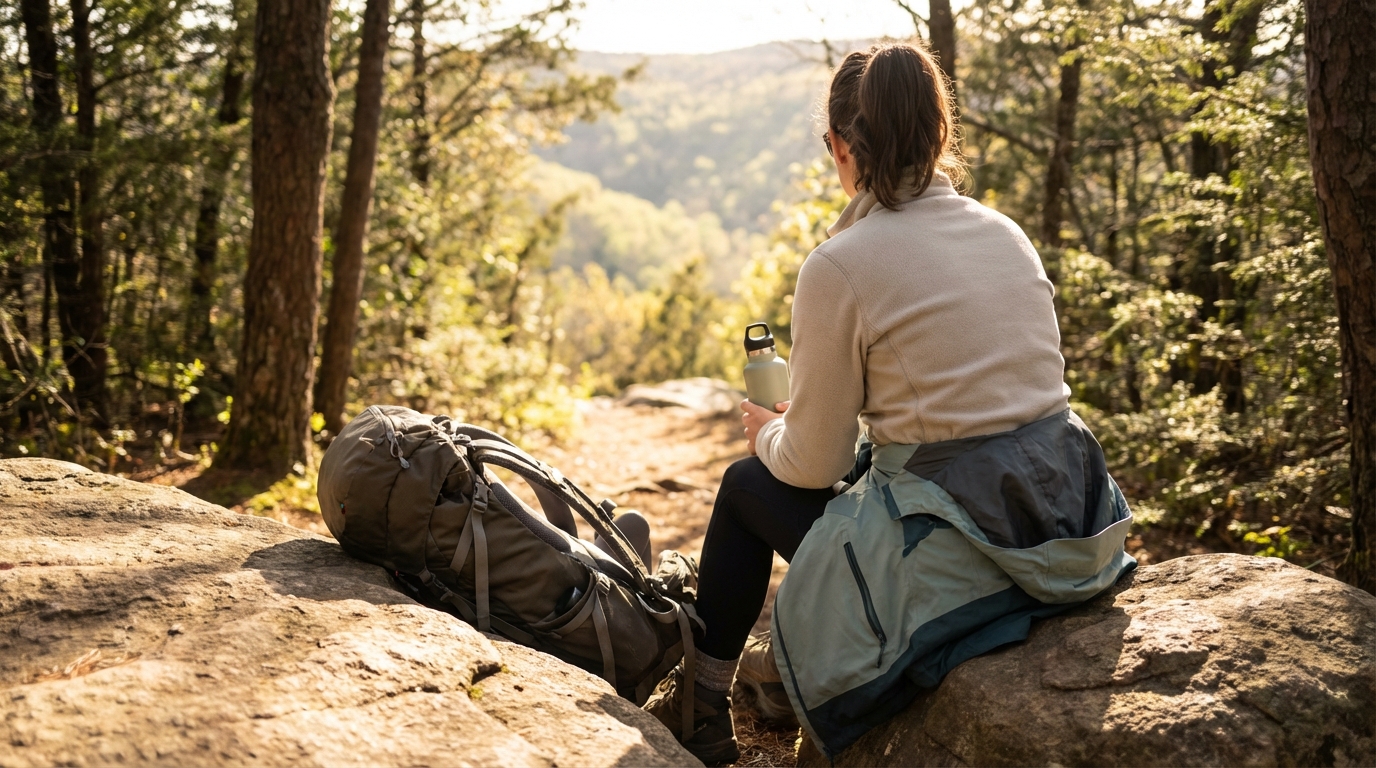
Spending more time outside can be rewarding, but comfort often decides how long an outing actually lasts. Discomfort builds quietly through cold fingers, damp clothing, sore feet, or early fatigue, and once it sets in, it is hard to ignore. Clothing choices and pacing habits play a major role in preventing these problems before they start. With the right approach, outdoor time can feel steady, enjoyable, and sustainable rather than rushed or exhausting.
Understanding Comfort in Outdoor Settings
Comfort outdoors is not just about temperature or weather conditions. It includes how the body manages heat, moisture, movement, and energy over time. A person may feel fine during the first fifteen minutes but struggle after an hour if clothing traps sweat or if the pace is too fast. Recognizing comfort as a moving target helps guide smarter decisions throughout an outing.
Staying comfortable longer means planning for change. Weather can shift, terrain can vary, and energy levels naturally rise and fall. Clothing systems and pacing strategies work best when they allow small adjustments without stopping the activity entirely. This flexible mindset supports longer, more relaxed time outside.
Clothing Fundamentals for Extended Outdoor Time
Clothing acts as the first line of defense against discomfort. It manages body temperature, protects skin, and allows freedom of movement. Poor clothing choices often cause problems that pacing alone cannot fix, such as chills from sweat or restricted movement that leads to fatigue. A thoughtful clothing setup supports steady activity across changing conditions.
The Layering System
Layering allows clothing to adapt as the body warms up or cools down. Instead of one heavy piece, multiple lighter layers can be added or removed as needed. This approach helps prevent overheating during movement and chilling during rest. Layers also make it easier to respond to sudden weather changes.
A simple layering system usually includes a base layer for moisture control, an insulating layer for warmth, and an outer layer for wind or rain protection. Each layer has a specific job, and skipping one often creates problems later. When layers work together, comfort lasts longer with less effort.
The following list outlines the common roles of each layer in a basic system.
- Base layer: Worn next to the skin to move sweat away and reduce dampness.
- Insulating layer: Traps body heat to maintain warmth in cooler conditions.
- Outer layer: Shields against wind, rain, or snow while allowing some airflow.
Using these layers together allows small adjustments instead of drastic changes. Removing an insulating layer during uphill movement or adding an outer layer during a windy break helps maintain balance. Over time, this system reduces energy loss and keeps the body in a more comfortable range.
Choosing the Right Fabrics
Fabric choice affects how clothing feels over hours of wear. Some materials absorb moisture and dry slowly, which can lead to chills and irritation. Others manage sweat well and stay comfortable even when conditions change. Understanding basic fabric behavior makes clothing choices more effective.
Synthetic fabrics and wool blends are often favored for outdoor use because they move moisture away from the skin. Cotton, while comfortable at first, tends to hold moisture and can feel heavy or cold once wet. Over longer outings, fabric performance matters more than initial softness.
Fit and Freedom of Movement
Clothing that fits well supports natural movement and reduces fatigue. Tight clothing can restrict circulation or limit stride length, while overly loose clothing may flap in the wind and waste energy. A balanced fit allows bending, stretching, and walking without constant adjustment.
Comfortable fit also helps with temperature control. Airflow is better when clothing is not pressed tightly against the skin, and layers can slide easily over one another. This reduces friction and keeps the body focused on movement rather than discomfort.
Dressing for Changing Weather Conditions
Weather rarely stays the same during longer periods outside. Temperatures can rise, clouds can roll in, or wind can increase without warning. Clothing choices that anticipate change help avoid rushed decisions later. Being prepared reduces stress and supports steady pacing.
Staying Comfortable in Cool and Cold Weather
In cooler conditions, the goal is to stay warm without overheating. Starting slightly cool often works better than starting fully warm, since movement will raise body temperature. Breathable insulation helps trap warmth while allowing excess heat to escape.
Cold weather also increases the importance of protecting extremities. Hands, feet, ears, and the face lose heat quickly and can become uncomfortable long before the core feels cold. Proper coverage in these areas supports overall comfort and reduces the urge to rush.
Managing Heat in Warm Weather
Warm weather comfort depends on ventilation and moisture control. Lightweight, breathable clothing helps heat escape and reduces sweat buildup. Light-colored fabrics can also reflect sunlight, keeping the body cooler over time.
In hot conditions, pacing becomes closely tied to clothing. Even the best fabrics cannot fully offset a pace that is too fast. Slowing slightly and allowing airflow to do its job often keeps energy levels more stable.
Handling Wind and Rain
Wind and rain can lower body temperature quickly, even in mild conditions. A simple outer layer can block wind and prevent moisture from soaking inner layers. This protection preserves warmth without requiring heavy insulation.
Outer layers work best when they balance protection with breathability. Completely sealed fabrics may trap moisture inside, leading to dampness and chill. Clothing that blocks the elements while allowing some airflow supports longer comfort.
Footwear and Lower Body Comfort
Feet and legs carry the workload during most outdoor activities. Discomfort in these areas often shortens time outside faster than any other issue. Proper footwear and lower body clothing support steady movement and reduce strain.
Choosing Supportive Footwear
Footwear should match the terrain and activity. Shoes that are too stiff can cause fatigue, while shoes with little support may lead to soreness over time. A good fit prevents rubbing and allows natural foot movement.
Socks also play a role in comfort. Moisture-wicking socks help keep feet dry and reduce friction. Over longer outings, small details like sock seams and padding make a noticeable difference.
Pants and Leg Layers
Pants should allow full range of motion without pulling or bunching. Stretch fabrics often perform well because they move with the body. In cooler conditions, layering with lightweight thermal bottoms can add warmth without bulk.
Leg comfort also affects pacing. Restricted movement can subtly slow stride or increase effort. Clothing that supports natural motion helps maintain a steady, efficient pace.
Using Accessories to Extend Comfort
Accessories are often overlooked, but they can have a big impact on comfort. Small items weigh little yet address common sources of discomfort. Adding or removing accessories is also faster than changing major clothing layers.
Common accessories provide targeted comfort where the body is most sensitive. They help regulate temperature, manage sweat, and protect against environmental exposure.
The following list highlights accessories that often improve outdoor comfort.
- Hats: Provide sun protection or help retain warmth, depending on conditions.
- Gloves: Keep hands warm and functional in cooler weather.
- Neck gaiters or scarves: Offer adjustable warmth and wind protection.
- Sunglasses: Reduce eye strain and improve visibility.
Accessories are easy to adjust as conditions change. Removing a hat during a climb or adding gloves during a break fine-tunes comfort without stopping progress. This flexibility supports longer, smoother outings.
The Role of Pacing in Outdoor Comfort
Pacing determines how the body uses energy over time. Starting too fast often feels fine at first but leads to early fatigue or overheating. A steady, controlled pace supports consistent comfort and reduces the need for frequent stops.
Good pacing works with clothing rather than against it. Even the best clothing cannot fully compensate for poor pacing. When movement matches conditions and fitness level, comfort becomes easier to maintain.
Starting Slow and Warming Up
A slower start allows muscles to warm gradually and reduces strain. It also helps prevent sweating too early, which can cause chilling later. This approach sets a comfortable rhythm for the rest of the outing.
Warming up gently gives time to assess clothing needs. Layers can be adjusted before overheating occurs. This small investment early on often pays off with longer comfort.
Maintaining a Steady Rhythm
A steady pace conserves energy and keeps breathing controlled. Rapid changes in speed increase fatigue and disrupt temperature balance. Consistency helps the body settle into a sustainable effort level.
Terrain and conditions may require adjustments, but the goal is to avoid sharp spikes in effort. Slowing slightly uphill and relaxing downhill supports even energy use. Over time, this rhythm feels more comfortable.
Taking Intentional Breaks
Breaks help manage fatigue, but their timing matters. Short, regular pauses often work better than long, infrequent stops. They allow small adjustments without letting the body cool too much.
During breaks, adding a layer or having a sip of water can prevent discomfort from building. Planning breaks around natural pauses, such as viewpoints or flat sections, keeps momentum steady.
Balancing Energy, Hydration, and Comfort
Energy levels influence both pace and clothing needs. Low energy can make the body feel colder and less responsive. Supporting the body with regular hydration and light nourishment helps maintain comfort.
Drinking water regularly prevents fatigue and overheating. In cooler conditions, dehydration can still occur without obvious thirst. Small, frequent sips support steady movement.
Eating to Support Steady Movement
Light snacks provide fuel without slowing the body down. Foods that are easy to digest help maintain energy without discomfort. Regular intake supports consistent pacing.
Eating before energy drops too low helps avoid sudden fatigue. This proactive approach keeps both pace and body temperature more stable. Over longer outings, this makes a noticeable difference.
Planning Routes and Timing for Comfort
Route choice affects exposure, effort, and overall comfort. Shaded paths, wind-protected areas, or flatter terrain can extend comfortable time outside. Planning with these factors in mind supports better pacing and clothing decisions.
Timing also matters. Starting earlier or later in the day can avoid extreme temperatures. Aligning activity with more comfortable conditions reduces strain on both body and clothing systems.
Matching Routes to Conditions
Windy ridges, open fields, and shaded forests all affect comfort differently. Choosing routes that match clothing and energy levels reduces surprises. Familiarity with the area helps anticipate changes.
Even small adjustments, such as reversing a loop to tackle climbs earlier, can improve comfort. Thoughtful planning supports smoother pacing and fewer clothing changes.
Listening to Body Signals
The body provides early signals of discomfort through temperature changes, breathing, and muscle tension. Paying attention allows small corrections before problems grow. Ignoring these signals often leads to rushed decisions later.
Feeling too warm, too cold, or unusually tired is a cue to adjust pace or clothing. Acting early usually requires less effort than fixing a larger problem. This awareness supports longer, calmer time outside.
Adjusting Before Discomfort Sets In
Removing a layer at the first sign of overheating prevents sweat buildup. Slowing pace slightly when breathing becomes strained preserves energy. These small actions keep comfort within a manageable range.
Comfort is easier to maintain than to restore. Regular check-ins with body signals help guide timely adjustments. Over time, this habit becomes second nature.
Adapting on the Move
Outdoor comfort improves when adjustments feel normal rather than disruptive. Stopping briefly to change a layer or adjust pace should be seen as part of the activity. This mindset reduces frustration and supports longer outings.
Flexibility is the key theme. Conditions, energy, and comfort shift over time, and successful outdoor experiences respond to those shifts. Clothing and pacing work best when treated as tools that can be adjusted throughout the day.