
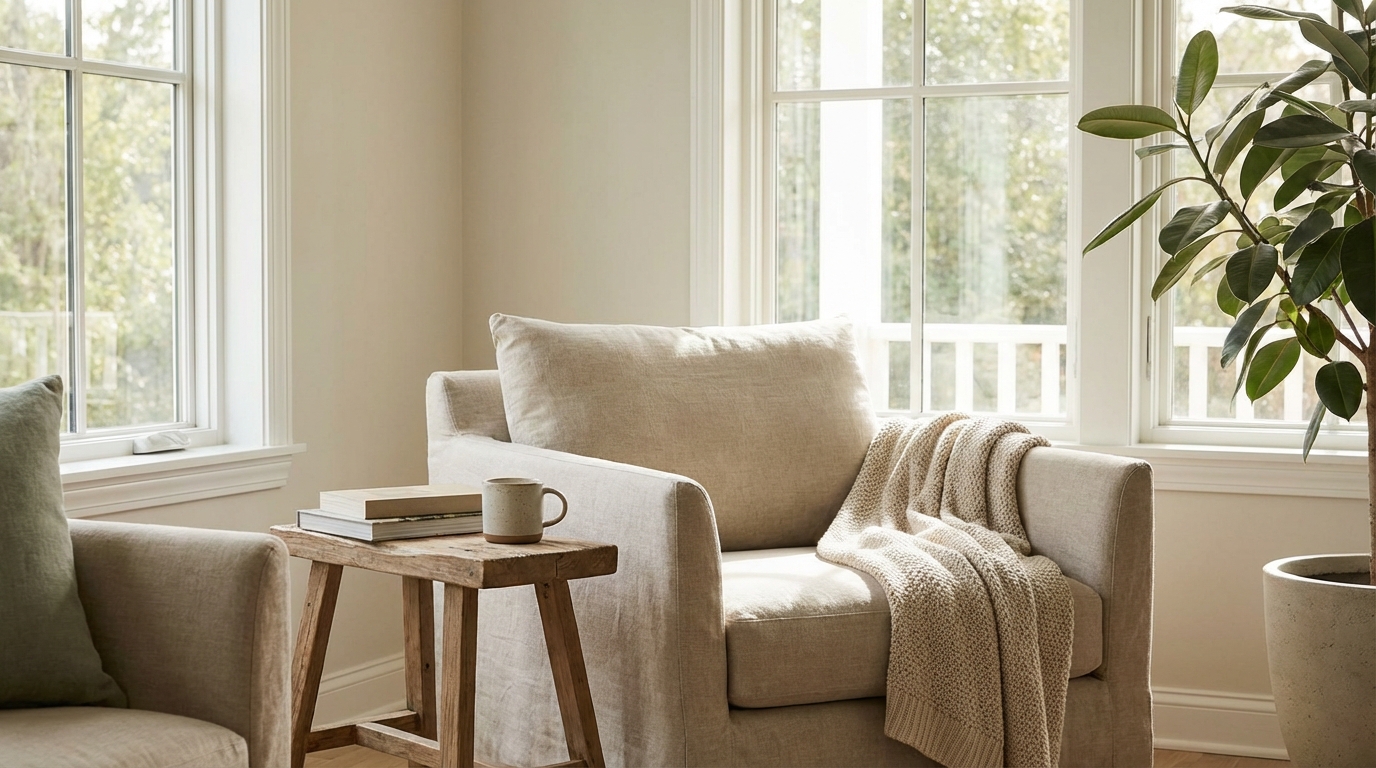
A calm home supports rest, focus, and emotional balance without needing a full renovation or a large budget. Small, thoughtful changes can shape how a space feels throughout the day, influencing mood and energy in quiet ways. Comfort indoors often comes from how light, sound, air, and layout work together rather than from any single design trend. By paying attention to everyday details, a home can feel more peaceful and supportive of daily life.
Using Light to Create a Softer Mood
Light has a strong effect on how calm or alert a space feels, and it works differently at various times of day. Bright, cool lighting can feel energizing, while softer, warmer light often encourages relaxation. Balancing natural and artificial light helps rooms feel comfortable instead of harsh or gloomy. Even small lighting adjustments can reduce visual stress and create a gentler atmosphere.
Maximizing Natural Light
Natural light helps regulate sleep cycles and supports a steady mood during the day. Keeping windows clean, opening curtains fully in the morning, and trimming outdoor plants that block light can make a noticeable difference. Light-colored walls and reflective surfaces help daylight travel further into a room. These small steps can make spaces feel more open and less heavy.
Choosing the Right Artificial Lighting
Artificial lighting works best when it is layered rather than relying on a single overhead fixture. Table lamps, floor lamps, and wall lights allow brightness to be adjusted based on activity and time of day. Warm-toned bulbs are often more calming in living areas and bedrooms. Dimmer switches add flexibility and help transition a space from active to restful use.
Reducing Noise and Managing Sound
Unwanted noise can increase stress, even when it fades into the background of daily life. A calmer home often has fewer sharp or echoing sounds and more soft, controlled acoustics. Managing sound does not require complete silence but rather a balanced sound environment. Gentle background sounds can feel comforting when harsh noises are reduced.
Softening Echoes and Sharp Sounds
Hard surfaces like tile, glass, and bare walls can cause sound to bounce and feel louder. Adding rugs, curtains, and upholstered furniture helps absorb noise and reduce echoes. Bookshelves and fabric wall hangings also break up sound waves in larger rooms. These changes can make conversations feel easier and reduce fatigue.
Introducing Pleasant Background Sounds
Soft background sounds can mask sudden noises and create a sense of calm. Low-volume music, nature sounds, or steady white noise can feel soothing when used intentionally. The goal is consistency rather than volume, so the sound blends into the space. This approach is especially helpful in apartments or busy neighborhoods.
Choosing Colors That Support Calmness
Color influences emotional responses, often without conscious awareness. Calm homes usually rely on balanced, gentle color palettes rather than strong contrasts. The right colors can make rooms feel more spacious, grounded, or cozy depending on how they are used. Small color changes can be as effective as major repainting projects.
Using Neutral and Muted Tones
Neutral colors like soft gray, beige, and warm white provide a calm backdrop for daily activities. Muted tones of blue, green, and earth colors often feel restful and steady. These colors work well on walls, large furniture, and flooring. They allow the eye to relax instead of constantly adjusting to bold contrasts.
Adding Color Through Small Accents
Accent colors add interest without overwhelming a space. Throw pillows, artwork, and small decor items are easy ways to introduce color in a controlled way. Choosing a limited color range helps maintain a cohesive look. This approach allows changes over time without disrupting the overall calm feel.
Arranging Furniture for Ease and Flow
The way furniture is arranged affects how people move and feel in a room. Crowded or awkward layouts can create tension and frustration. A calm home allows easy movement and clear purpose for each area. Thoughtful placement can make even small rooms feel more comfortable.
Creating Clear Pathways
Clear walking paths reduce the feeling of clutter and make spaces easier to use. Furniture should support natural movement rather than block it. Leaving space around frequently used items, such as sofas and tables, improves comfort. This simple adjustment can make a room feel more open and welcoming.
Defining Functional Zones
Rooms that serve multiple purposes benefit from clearly defined zones. Area rugs, lighting, or furniture placement can separate work, rest, and social areas. This helps the brain understand how the space is meant to be used. Clear zones reduce mental clutter and improve focus.
Improving Indoor Air Quality
Air quality plays a quiet but important role in how a home feels. Stale or polluted air can cause discomfort and fatigue over time. Fresh, clean air supports breathing, sleep, and overall comfort. Small habits can improve air quality without major expense.
Ventilation and Fresh Air
Opening windows regularly allows fresh air to replace stale indoor air. Even short periods of ventilation can improve comfort. Using exhaust fans in kitchens and bathrooms removes moisture and odors. These habits help maintain a healthier indoor environment.
Using Plants Thoughtfully
Houseplants add life and softness to indoor spaces. Some plants can help reduce odors and increase humidity slightly. Placing plants where they receive proper light ensures they stay healthy. Beyond air benefits, greenery often has a calming visual effect.
Maintaining Comfortable Temperature Levels
Temperature affects both physical comfort and emotional state. Rooms that are too hot or too cold can make it hard to relax. Consistent, moderate temperatures support better sleep and daily comfort. Small adjustments often make a big difference.
Layering for Seasonal Comfort
Using layers allows easy temperature adjustments throughout the year. Throws, blankets, and area rugs add warmth in cooler months. In warmer weather, lightweight fabrics and breathable materials help prevent overheating. This flexibility reduces reliance on heating and cooling systems.
Managing Heat and Cool Air Flow
Furniture placement can affect how air circulates in a room. Blocking vents or radiators reduces efficiency and creates uneven temperatures. Keeping air pathways clear helps maintain comfort. Ceiling fans or portable fans can also improve air movement gently.
Choosing Textures That Feel Inviting
Texture influences comfort through touch as well as appearance. A calm home often includes a mix of soft and supportive surfaces. Texture adds depth without relying on bold colors or patterns. Balanced textures create a sense of warmth and safety.
Incorporating Soft Fabrics
Soft fabrics like cotton, wool, and linen feel comfortable and familiar. Upholstered furniture, cushions, and curtains add physical comfort. These materials also help reduce noise and echo. Choosing natural fibers can enhance breathability and comfort.
Balancing Hard and Soft Surfaces
Hard surfaces provide structure, while soft surfaces provide comfort. Too many hard surfaces can feel cold and unwelcoming. Adding soft elements in key areas creates balance. This contrast makes rooms feel both functional and relaxing.
Reducing Visual Clutter
Visual clutter can make a space feel busy and stressful. A calmer home usually has fewer items on display and clearer surfaces. This does not require removing everything but rather choosing what deserves attention. Reducing clutter helps the mind rest.
Keeping Surfaces Clear
Tables, counters, and shelves collect items quickly during daily life. Clearing these surfaces regularly restores a sense of order. Storing everyday items out of sight reduces visual noise. Even small improvements can change how a room feels.
Using Storage That Fits the Space
Storage works best when it matches the size and function of a room. Closed storage hides clutter and creates a cleaner look. Baskets, cabinets, and drawers keep items accessible but out of view. Thoughtful storage supports long-term calm.
Organizing Belongings in a Gentle Way
Organization supports calm when it feels manageable rather than strict. Systems should fit daily habits instead of forcing constant effort. A home feels calmer when items have clear, logical places. Gentle organization reduces frustration over time.
Grouping Similar Items Together
Grouping similar items makes them easier to find and put away. This approach reduces decision-making and saves time. Clear categories help maintain order without frequent reorganization. Over time, this creates a sense of ease.
Letting Go of Unused Items
Keeping items that are rarely used adds to mental and physical clutter. Gradually removing unnecessary belongings frees up space. This process does not need to be rushed or extreme. Small, regular edits can have lasting effects.
Bringing Natural Elements Indoors
Natural elements help balance modern indoor environments. Materials and shapes found in nature often feel grounding and familiar. Bringing these elements indoors can soften sharp lines and artificial surfaces. This connection supports a calmer atmosphere.
Using Natural Materials
Wood, stone, clay, and natural fibers add warmth and texture. These materials age well and often feel comforting to touch. Using them in furniture or decor creates visual stability. Even small accents can have a calming effect.
Displaying Organic Shapes and Patterns
Organic shapes feel less rigid than straight lines and sharp angles. Curved furniture, rounded decor, and natural patterns add softness. These shapes are easy on the eyes and feel more relaxed. They help balance structured layouts.
Managing Scents for Subtle Comfort
Scent is closely linked to memory and emotion. A calm home often has a clean, subtle scent rather than strong fragrances. Managing scents helps create a pleasant background rather than a distraction. Gentle choices work best.
Keeping the Base Smell Neutral
Regular cleaning and ventilation help maintain a neutral base scent. Removing sources of lingering odors is more effective than covering them. Neutral air allows other calming elements to stand out. This foundation supports comfort throughout the home.
Adding Light, Familiar Fragrances
Light fragrances like lavender, citrus, or soft herbs can feel soothing. Using them in moderation prevents sensory overload. Candles, sachets, or diffusers offer gentle control. Familiar scents often feel more comforting than strong or complex blends.
Setting Boundaries With Technology
Technology affects attention and stress levels inside the home. Constant alerts and screen time can interrupt rest. Setting gentle boundaries helps protect calm spaces. Technology can support comfort when used intentionally.
Creating Screen-Free Areas
Designating certain areas as screen-free supports relaxation. Bedrooms and dining areas often benefit from fewer devices. This encourages rest and meaningful interaction. Physical separation reduces temptation and distraction.
Managing Cables and Devices
Visible cables and scattered devices add to visual clutter. Simple cable management keeps surfaces cleaner. Storing unused devices out of sight improves the overall look. These small changes reduce visual stress.
Supporting Calm Through Daily Routines
Routines shape how a home feels over time. Predictable patterns reduce decision fatigue and support comfort. A calm home often reflects steady, gentle habits. The space becomes easier to maintain with consistent routines.
Morning and Evening Reset Habits
Short reset routines keep mess from building up. Simple actions like tidying surfaces or preparing for the next day help maintain order. These habits take little time but offer lasting benefits. They support a smoother start and end to each day.
Aligning the Home With Daily Life
A calm home reflects how people actually live rather than an ideal image. Adjusting spaces to fit real routines reduces frustration. This might include placing storage where items are used most. When the home supports daily life, calm follows naturally.