
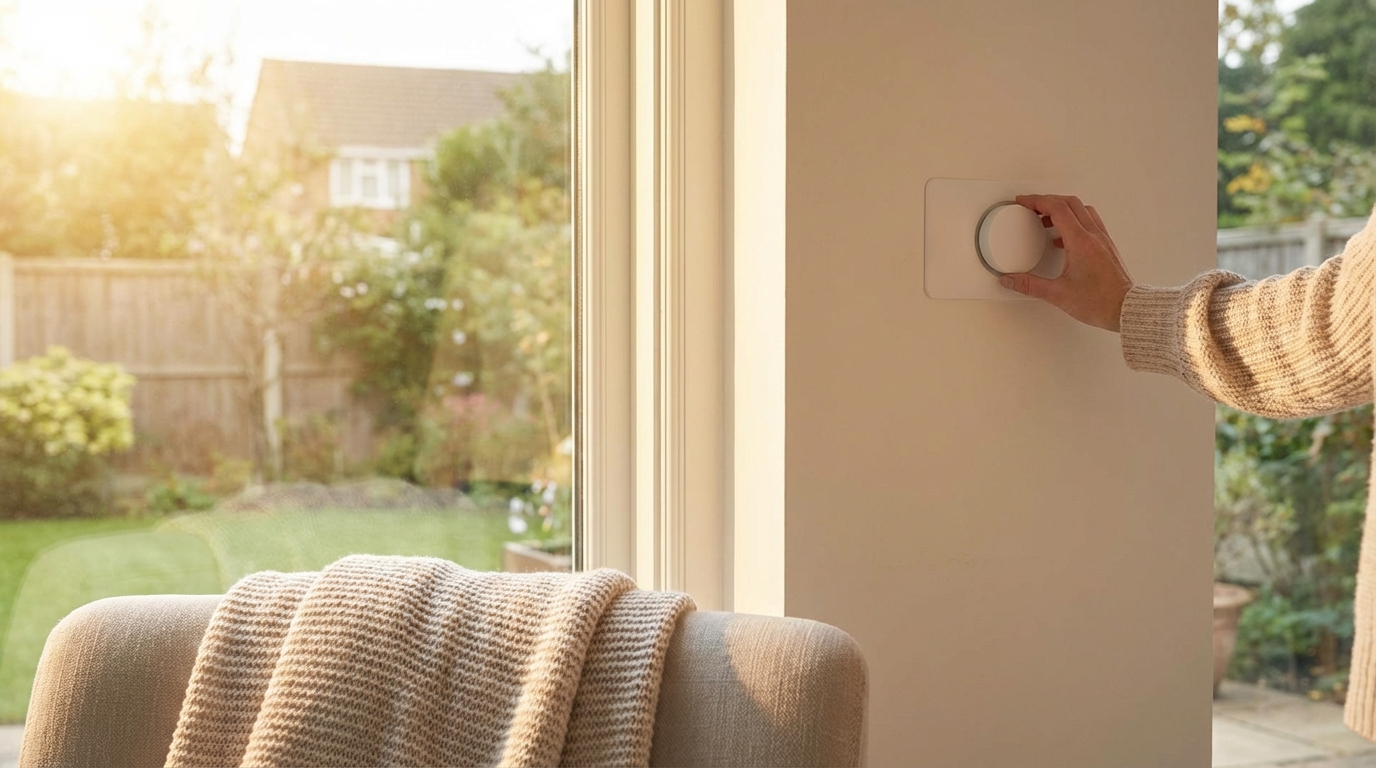
Indoor comfort is closely tied to temperature, and even small changes can affect how a space feels. People often notice discomfort before they can explain why, and temperature is usually a key reason. Warmth or coolness influences the body, the mind, and daily activities inside homes, offices, and public buildings. Understanding how heat and cold affect comfort helps explain why some rooms feel pleasant while others feel hard to enjoy.
The Basics of Indoor Comfort
Indoor comfort is a mix of physical and emotional responses to the environment. Temperature plays a central role, but it works alongside humidity, air movement, and surface temperatures. When these factors are balanced, people tend to feel relaxed and focused. When they are out of balance, discomfort can appear quickly.
Comfort is also personal, which makes temperature management more complex. Age, clothing, activity level, and health all influence how warm or cool someone feels. A temperature that feels perfect to one person may feel too warm or too cold to another. This personal variation is why indoor comfort can be challenging to maintain in shared spaces.
How the Human Body Responds to Temperature
The human body works constantly to maintain a stable internal temperature. When the surrounding air becomes too warm or too cold, the body reacts to protect itself. These reactions are automatic and influence comfort levels without conscious effort. Understanding these responses helps explain why temperature changes feel so noticeable indoors.
Body Responses to Heat
When indoor temperatures rise, the body tries to release excess heat. Sweating increases, and blood vessels near the skin widen to help heat escape. These responses can help for a while, but they may also lead to discomfort. Sticky skin, fatigue, and difficulty concentrating are common in warm indoor spaces.
Heat can also make indoor air feel heavy and stale, especially when air movement is limited. People may feel restless or irritable when rooms are too warm. Even small increases in temperature can reduce comfort, particularly during activities that require focus or calm attention.
Body Responses to Cold
In cooler indoor environments, the body works to conserve heat. Blood vessels narrow, and muscles may tense to reduce heat loss. Shivering can occur if the temperature drops too far. These reactions can make people feel stiff, distracted, or uneasy.
Cold indoor temperatures often lead to discomfort in hands, feet, and the face. People may also feel less motivated to move or engage in tasks. Over time, cold conditions can make indoor spaces feel unwelcoming and hard to enjoy.
Temperature and Perceived Comfort
Perceived comfort is not just about the actual temperature reading on a thermostat. How warm or cool a room feels can differ from what the number suggests. This perception is shaped by recent temperature changes, expectations, and surrounding conditions. A sudden shift often feels more uncomfortable than a steady temperature.
For example, a room may feel colder after leaving a warm space, even if the temperature is moderate. The opposite is also true when entering a warm room from the cold. These quick changes can stress the body and make it harder to feel comfortable indoors.
The Role of Temperature Stability
Stable indoor temperatures generally support better comfort than frequent changes. When temperatures remain steady, the body has time to adjust and maintain balance. Sudden swings between warm and cool can interrupt this balance. As a result, people may feel uncomfortable even if average temperatures seem reasonable.
Temperature stability is especially important in places where people spend long periods, such as homes, classrooms, and offices. Consistent conditions help support focus, relaxation, and overall well-being. On the other hand, spaces with uneven heating or cooling often lead to ongoing discomfort complaints.
Heat and Indoor Comfort Challenges
Excess heat indoors creates several comfort challenges beyond feeling warm. High temperatures can affect air quality, moisture levels, and how materials behave. These changes can make indoor environments feel stuffy or oppressive. Heat-related discomfort often builds over time rather than appearing all at once.
Warm indoor conditions can also increase sensitivity to noise and odors. People may become more easily annoyed or fatigued. These effects show that heat impacts more than just physical sensation, influencing mood and mental comfort as well.
Warm Air and Humidity
Warm air often holds more moisture, which can raise indoor humidity levels. High humidity reduces the body’s ability to cool itself through sweating. As a result, rooms can feel hotter than the actual temperature suggests. This sticky feeling is a common source of discomfort in warm indoor spaces.
Humidity also affects breathing and skin comfort. Some people feel short of breath or notice skin irritation when humidity is high. Managing heat without controlling humidity often leads to limited comfort improvement.
Heat Buildup in Enclosed Spaces
Heat can build up quickly in enclosed or poorly ventilated rooms. Sunlight through windows, electronic devices, and human activity all add warmth. Without proper air movement, this heat remains trapped. The result is uneven temperatures and hot spots within the same room.
These hot spots can make some areas uncomfortable while others feel acceptable. People may constantly adjust their position to escape the warmth. This uneven comfort can disrupt activities and reduce satisfaction with the indoor space.
Cold and Indoor Comfort Challenges
Cold indoor environments bring their own set of comfort issues. Low temperatures can make spaces feel uninviting and hard to use. Discomfort from cold often appears quickly, especially when people are inactive. Even mild cold can become unpleasant over time.
Cold conditions may also affect indoor materials and surfaces. Floors, walls, and furniture can feel cold to the touch, increasing the sense of chill. This contact discomfort adds to the overall feeling of being too cold indoors.
Drafts and Uneven Cooling
Drafts are a common cause of cold discomfort indoors. Air leaks near windows, doors, or vents can create localized cold spots. These drafts are often more noticeable than general room temperature. Even in a warm room, a draft can make people feel uncomfortably cold.
Uneven cooling can lead to frequent adjustments and complaints. People may layer clothing or move furniture to avoid drafts. These actions highlight how sensitive comfort is to small temperature differences.
Cold Surfaces and Radiant Heat Loss
Cold walls, windows, and floors can draw heat away from the body. This process is known as radiant heat loss. Even if the air temperature is acceptable, cold surfaces can make a room feel chilly. This effect is common in older buildings or poorly insulated spaces.
Radiant heat loss often causes discomfort during quiet activities like sitting or working. People may feel cold without understanding why. Improving surface temperatures can sometimes improve comfort more than raising air temperature alone.
Daily Activities and Temperature Comfort
Indoor comfort needs change depending on what people are doing. Physical activity generates body heat, while still activities reduce heat production. Temperature that feels comfortable during movement may feel too cool during rest. This difference explains why comfort preferences vary throughout the day.
Work, relaxation, and sleep each have different temperature needs. A one-size-fits-all approach often fails to support all activities. Recognizing these differences helps explain why temperature adjustments are so common indoors.
Temperature Comfort While Working
During desk work or study, the body produces little extra heat. Cooler temperatures may feel distracting or uncomfortable in these situations. Fingers can feel stiff, and focus may suffer. Slightly warmer conditions often support better concentration.
However, overly warm workspaces can cause fatigue and reduce alertness. Finding a balance is important for productivity. This balance may differ depending on clothing and personal comfort preferences.
Temperature Comfort During Rest and Sleep
During rest, the body’s temperature naturally drops. Cooler indoor temperatures often feel more comfortable for sleeping. Warm rooms can interfere with this natural process and disturb rest. Many people prefer a slightly cooler environment at night.
Cold conditions during rest can also be uncomfortable if temperatures drop too far. The body may struggle to stay warm, leading to tension and poor sleep quality. Stable, moderate temperatures support better rest indoors.
Psychological Effects of Temperature
Temperature affects mood and emotional comfort as much as physical comfort. Warm spaces can feel cozy or oppressive depending on conditions. Cold spaces can feel refreshing or unwelcoming. These emotional responses shape how people experience indoor environments.
Expectations also influence psychological comfort. If a space is expected to be warm or cool and does not meet that expectation, discomfort increases. This mismatch can lead to frustration and dissatisfaction even when temperatures are not extreme.
Seasonal Temperature Changes Indoors
Seasonal shifts bring changes in outdoor temperatures that affect indoor comfort. Buildings respond differently to summer heat and winter cold. These changes can make it harder to maintain consistent indoor conditions. People often notice more discomfort during seasonal transitions.
In spring and fall, temperatures can fluctuate widely within a single day. Indoor systems may struggle to keep up with these shifts. As a result, rooms may feel too warm in the afternoon and too cool in the morning.
Summer Indoor Comfort
During summer, heat enters indoor spaces through sunlight, warm air, and daily activities. Managing this heat is key to comfort. Without proper cooling, indoor spaces can quickly become uncomfortable. Even moderate heat can feel intense when combined with humidity.
Summer comfort often depends on balancing cooling with air movement. Stagnant air makes heat feel worse. Gentle air circulation can improve comfort without drastically lowering temperatures.
Winter Indoor Comfort
In winter, keeping indoor spaces warm enough is the main challenge. Heat loss through walls, windows, and roofs can create cold zones. These areas can reduce overall comfort even if heating systems are running. Cold floors and walls are common winter complaints.
Dry air is another winter issue that affects comfort. Heating cold air often reduces humidity, which can dry out skin and airways. This dryness can make indoor spaces feel less comfortable despite warm temperatures.
Factors That Change How Temperature Feels
Several factors influence how temperature is experienced indoors. These factors interact with temperature to shape comfort. Understanding them helps explain why the same temperature can feel different in different spaces. Comfort is rarely controlled by temperature alone.
The following factors often play a major role in indoor temperature comfort.
- Humidity levels, which affect sweating and heat loss.
- Air movement, which can cool or chill the body.
- Clothing choices, which change how much heat the body retains.
- Surface temperatures, such as floors and walls.
- Personal factors, including age and health.
Each of these factors can increase or reduce comfort at the same temperature. Adjusting one factor may improve comfort without changing the thermostat. This flexibility is useful in shared indoor spaces.
Indoor Temperature and Long-Term Comfort
Long-term comfort depends on maintaining suitable temperatures over time. Short periods of discomfort may be manageable, but ongoing issues can affect daily life. People may change habits or avoid certain spaces if discomfort persists. This avoidance shows how important temperature is to indoor comfort.
Consistently uncomfortable temperatures can also affect health and well-being. Poor sleep, reduced focus, and increased stress are common results. Addressing temperature issues helps support both comfort and quality of life indoors.
Adapting to Temperature Changes Indoors
People naturally adapt to indoor temperature changes through behavior. Adjusting clothing, changing activity levels, or using blankets are common responses. These adaptations help manage comfort without altering the environment. They also show how flexible comfort can be.
However, constant adaptation can become tiring. When people must frequently adjust to stay comfortable, it signals a problem with indoor conditions. Better temperature control reduces the need for ongoing adjustments.
Why Small Temperature Changes Matter
Small temperature changes can have a surprisingly large effect on comfort. A difference of just a few degrees can shift a space from comfortable to uncomfortable. This sensitivity explains why thermostat settings often cause debate. Comfort lives in a narrow temperature range for many people.
These small changes matter even more in spaces where people are still or focused. In these settings, the body has fewer ways to adjust. Stable, well-chosen temperatures support better indoor experiences.