
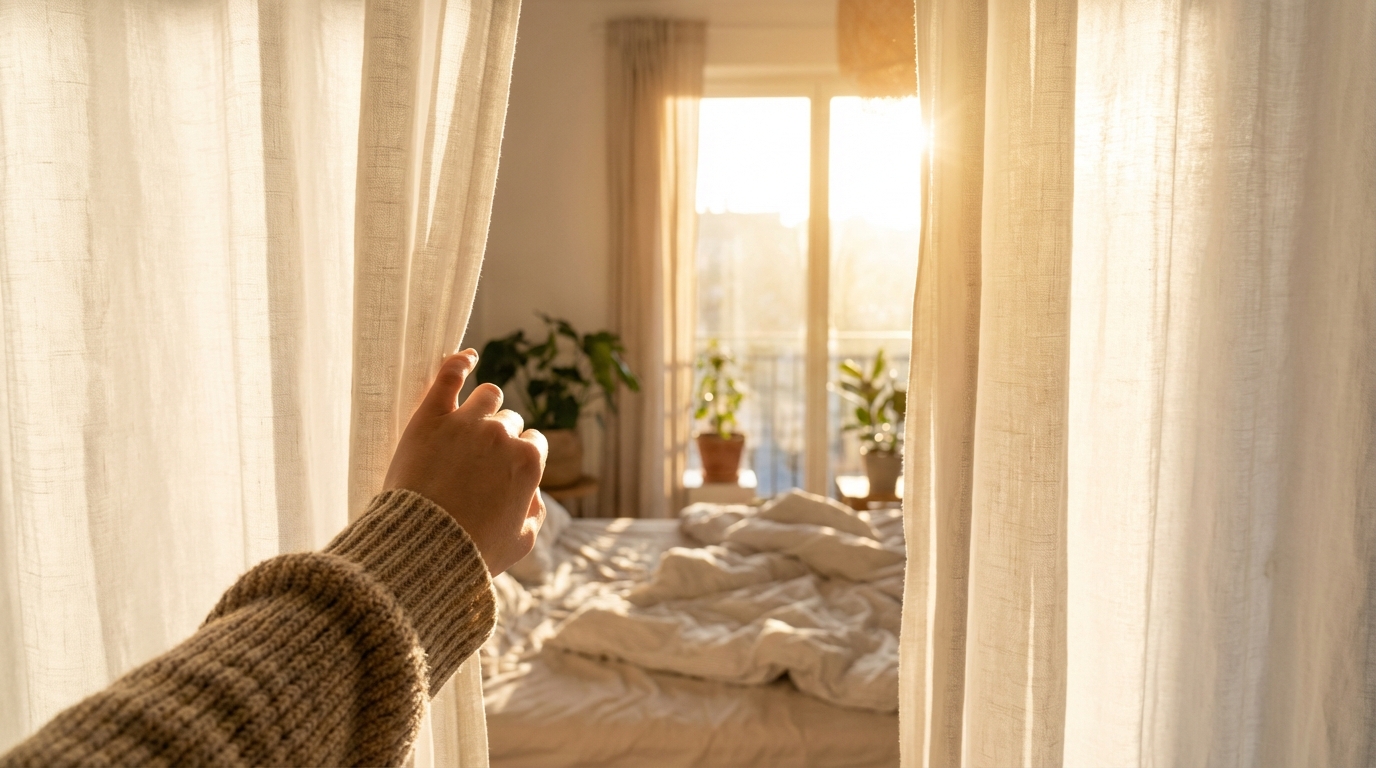
Sunlight plays a powerful role in shaping daily sleep patterns, even though its influence often goes unnoticed. The human body responds to natural light as a time signal, using it to organize when to feel awake and when to feel sleepy. Without regular exposure to daylight, sleep can become irregular, shallow, or out of sync with social schedules. Understanding how sunlight affects sleep cycles helps explain why time outdoors, especially during the day, supports healthier rest at night.
Understanding the Body’s Internal Clock
Sleep is not controlled by willpower alone. It is guided by an internal timing system known as the circadian rhythm, which runs on a roughly 24-hour cycle. This system coordinates sleep, alertness, body temperature, digestion, and hormone release. Sunlight is the strongest signal that keeps this internal clock aligned with the outside world.
When light enters the eyes, it sends messages directly to the brain areas responsible for timekeeping. These signals help the body know when morning has arrived and when evening is approaching. Without enough daylight, or with light at the wrong times, this system can drift, leading to difficulty falling asleep or waking up at desired times.
The Role of the Suprachiasmatic Nucleus
At the center of the circadian system is a small group of nerve cells in the brain called the suprachiasmatic nucleus. This structure sits in the hypothalamus and acts as the body’s master clock. It receives direct input from the eyes, separate from the visual pathways used for seeing shapes and colors.
When morning light reaches the eyes, the suprachiasmatic nucleus resets the clock for the day. This reset helps align sleep timing with sunrise and sunset. Without this daily adjustment, internal rhythms can slowly shift later or earlier, disrupting normal sleep cycles.
Hormones That Respond to Light
Two key hormones involved in sleep are melatonin and cortisol. Melatonin promotes sleepiness and is released in greater amounts at night. Cortisol supports alertness and energy, typically rising in the early morning.
Sunlight suppresses melatonin production and supports the natural morning rise of cortisol. When light exposure is strong and well-timed, these hormones follow a predictable rhythm. Poor or mistimed light exposure can blur these signals, making it harder to feel alert during the day or sleepy at night.
Characteristics of Sunlight That Matter for Sleep
Not all light affects the body in the same way. The impact of sunlight on sleep depends on its brightness, color, and timing. Natural daylight changes across the day, and the body has evolved to respond to these shifts. Understanding these characteristics explains why outdoor light is more effective than most indoor lighting.
Modern lifestyles often reduce exposure to natural light while increasing exposure to artificial light. This imbalance can confuse the circadian system. Paying attention to how and when light is experienced can help restore clearer signals for sleep regulation.
Light Intensity and Brightness
Sunlight is far brighter than typical indoor lighting. Even on a cloudy day, outdoor light can be many times stronger than light inside homes or offices. This high intensity is especially important for resetting the circadian clock in the morning.
Indoor lighting may not provide enough brightness to fully signal daytime to the brain. As a result, spending time outdoors, even briefly, can have a stronger effect on sleep timing than hours spent under artificial lights.
The Color Spectrum of Sunlight
Sunlight contains a broad range of colors, including blue wavelengths that are particularly influential on circadian rhythms. Specialized cells in the retina are sensitive to this blue light and send timing signals to the brain. These signals are strongest during daylight hours.
As the sun sets, natural light shifts toward warmer colors with less blue content. This gradual change supports the body’s transition toward evening and nighttime. Artificial lighting often lacks this smooth transition, which can interfere with natural sleep cues.
Timing of Light Exposure
The time of day when light is experienced is just as important as its brightness. Morning light tends to move the circadian clock earlier, helping people feel sleepy earlier in the evening and wake up earlier. Evening or nighttime light can push the clock later, delaying sleep.
Consistent exposure to daylight at the right times strengthens sleep regularity. Irregular patterns, such as sleeping late and missing morning light, can weaken these signals and make sleep less predictable.
Why Morning Sunlight Is Especially Important
Morning sunlight has a unique ability to set the tone for the entire day. Exposure shortly after waking provides a strong signal that daytime has begun. This signal helps synchronize internal rhythms with daily schedules.
People who regularly get morning light often find it easier to fall asleep at night. This effect builds over time, as the circadian clock becomes more stable and consistent.
Advancing the Sleep Phase
Morning light tends to shift the circadian rhythm earlier, a process known as phase advancing. This shift is helpful for people who struggle to fall asleep until very late at night. Regular morning light can gradually move bedtime earlier.
This effect is especially noticeable when morning light exposure is consistent. Skipping morning light on weekends or days off can weaken the benefit and allow sleep timing to drift.
Daytime Alertness and Mood
Sunlight in the morning does more than influence nighttime sleep. It also supports alertness, focus, and emotional balance during the day. Brighter light helps the brain maintain wakefulness and cognitive performance.
Stable sleep-wake rhythms are linked to more consistent mood. When the circadian system is well-aligned, energy levels tend to be steadier, reducing the sharp highs and lows that come with poor sleep.
Daytime Light Exposure and Outdoor Time
Light exposure during the middle of the day also supports healthy sleep. While morning light has the strongest timing effect, daylight throughout the day reinforces the message that it is still daytime. This helps maintain a clear contrast between day and night.
Outdoor environments provide richer light signals than indoor spaces. Even shaded outdoor areas usually offer more brightness than well-lit rooms.
Indoor Living and Light Deficiency
Many people spend most of their day indoors, under lighting designed for comfort rather than circadian health. Offices, schools, and homes often use light levels that are far below natural daylight. Over time, this can reduce the strength of circadian signals.
Windows help, but glass filters some wavelengths of light and reduces intensity. Stepping outside, even briefly, can provide a stronger and more complete light signal for the body.
Seasonal and Geographic Factors
The amount of available sunlight changes with the seasons and location. In winter or at higher latitudes, days are shorter and sunlight may be weaker. These changes can challenge the circadian system and affect sleep timing.
During these periods, making the most of daylight hours becomes more important. Seeking outdoor light whenever possible can help compensate for shorter days.
Evening Light and Its Impact on Sleep
While sunlight during the day supports sleep, light in the evening can have the opposite effect. The circadian system is sensitive to light after sunset, especially bright or blue-rich light. Exposure at this time can delay the body’s preparation for sleep.
Modern environments often extend light exposure late into the night. This can make it harder to feel sleepy at a reasonable hour, even when tired.
Blue Light From Screens
Phones, tablets, computers, and televisions emit light that includes blue wavelengths. This type of light is effective at suppressing melatonin, even at relatively low brightness levels. Using screens in the evening can therefore delay sleep onset.
The effect is stronger when screens are used close to bedtime. Reducing screen use or adjusting display settings in the evening can help protect natural sleep signals.
Indoor Lighting Choices at Night
Household lighting also influences sleep. Bright overhead lights in the evening can signal daytime to the brain. Warmer, dimmer lighting is more in line with natural sunset conditions.
Creating a gradual transition from bright light to low light in the evening supports the body’s shift toward rest. This transition helps melatonin rise at the appropriate time.
Practical Ways to Get Healthy Sunlight Exposure
Incorporating daylight into daily routines does not require major lifestyle changes. Small, consistent habits can provide meaningful benefits for sleep regulation. The key is regular exposure at appropriate times of day.
Many strategies focus on increasing outdoor time and being mindful of light patterns. These approaches can be adapted to different schedules and environments.
Several practical actions can help support healthy light exposure:
- Spending 15 to 30 minutes outside in the morning, especially soon after waking.
- Taking short outdoor breaks during the work or school day.
- Positioning desks or seating near windows when possible.
- Reducing bright and blue-rich light in the evening.
- Keeping a consistent wake-up time to anchor morning light exposure.
These steps work best when practiced consistently. Over time, they strengthen circadian signals and make sleep patterns more predictable. Even on busy days, brief exposure to daylight can make a difference.
How Sunlight Affects Different Age Groups
The relationship between sunlight and sleep changes across the lifespan. Children, teenagers, adults, and older individuals each have unique circadian characteristics. Light exposure can either support or challenge these natural tendencies.
Understanding these differences helps explain why some age groups are more sensitive to light timing. Adjusting light habits can improve sleep at any stage of life.
Children and Teenagers
Children generally have earlier sleep rhythms, but these shift later during adolescence. Teenagers often feel naturally alert later at night and sleepy later in the morning. Morning sunlight can help counteract extreme delays in sleep timing.
Outdoor activities during the day support both physical health and sleep regulation in young people. Limiting evening screen use is especially important for this age group, as their circadian systems are highly sensitive to light.
Adults and Work Schedules
Adults often face conflicting demands between biological rhythms and work or family schedules. Inconsistent light exposure, such as staying indoors all day and using bright lights at night, can strain the circadian system.
Regular daylight exposure, especially in the morning and midday, helps maintain stable sleep patterns. This stability supports energy, focus, and overall well-being.
Older Adults
As people age, the circadian system can become less responsive to light. Older adults may experience earlier bedtimes and wake times, as well as lighter sleep. Stronger daylight exposure can help reinforce sleep-wake signals.
Outdoor time and bright environments during the day can improve nighttime sleep quality. At the same time, minimizing nighttime light exposure remains important.
Sunlight, Sleep, and Overall Health
Sleep is closely connected to many aspects of health, and sunlight’s influence extends beyond rest alone. By regulating circadian rhythms, light exposure affects processes throughout the body. These effects highlight the broader importance of daily daylight.
When sleep cycles are stable, other systems tend to function more smoothly. Disrupted circadian rhythms, on the other hand, are linked to various health challenges.
Metabolism and Energy Balance
The timing of sleep and wakefulness influences metabolism and appetite. Circadian misalignment can affect how the body processes food and regulates blood sugar. Sunlight helps keep these rhythms synchronized.
Consistent light exposure supports regular meal timing and energy use. This alignment may contribute to better overall metabolic health.
Immune Function and Recovery
The immune system also follows daily rhythms. Sleep supports immune repair and defense, and circadian alignment enhances these processes. Sunlight indirectly supports immunity by promoting better sleep.
Daylight exposure during waking hours and darkness at night create clear signals for rest and recovery. These signals help the body allocate resources effectively.
Safety and Balance in Sunlight Exposure
While sunlight is beneficial for sleep regulation, balance is important. Excessive exposure without protection can harm skin and eyes. Healthy habits involve gaining light benefits while minimizing risks.
Moderate, regular exposure is usually sufficient to support circadian health. Extreme or prolonged exposure is not necessary for sleep benefits.
Protecting Skin and Eyes
Spending time outdoors should include appropriate sun protection, such as hats or shade during peak intensity hours. This is especially important in bright conditions or for individuals with sensitive skin.
Eye health also matters. Looking toward the sky or surroundings is enough to receive light signals; direct staring at the sun is unnecessary and unsafe.
Adapting to Individual Needs
People vary in their sensitivity to light. Some may notice strong effects from small changes in exposure, while others need brighter or longer exposure. Personal schedules, health conditions, and environments all play a role.
Adjusting light habits gradually allows the circadian system to adapt. Paying attention to sleep timing and quality can guide further changes in daily light exposure.