
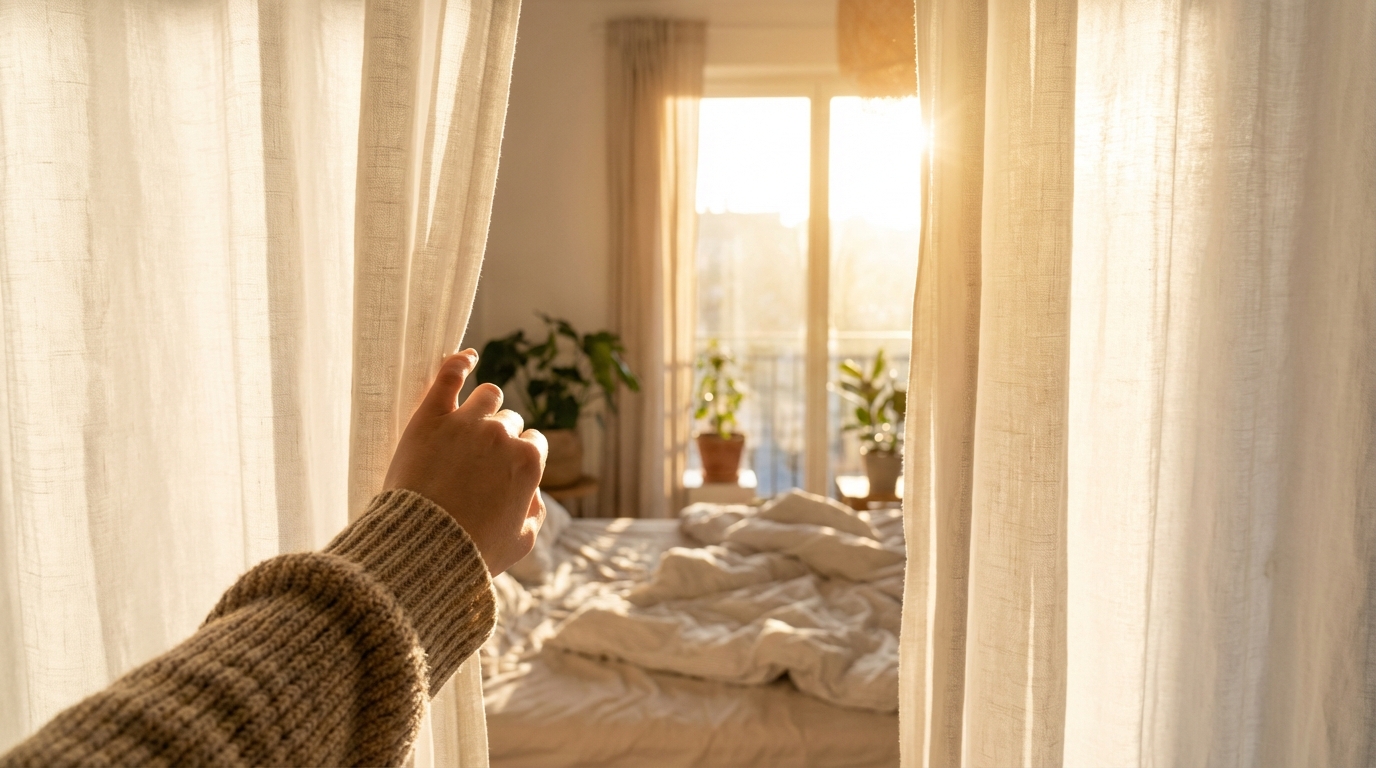
Sleep is closely tied to the natural light cycle of the day. Long before alarm clocks and electric lights, daily routines followed the rising and setting of the sun. Even now, sunlight remains one of the strongest signals guiding when the body feels alert and when it feels ready to rest. Understanding how daylight shapes sleep patterns helps explain why time spent outdoors can make falling asleep easier and waking up feel more natural.
Understanding the Body’s Internal Clock
Inside the brain is a timing system often called the circadian rhythm. This internal clock runs on roughly a 24-hour cycle and influences sleep, alertness, body temperature, and hormone release. While the rhythm is built into human biology, it relies on signals from the environment to stay accurate. Sunlight is the most powerful of these signals.
The Role of the Circadian Rhythm
The circadian rhythm acts like a daily schedule for the body. It helps decide when energy levels rise and when they fall. When the rhythm is in sync with the day, sleep tends to feel deeper and more refreshing. When it is off, people may feel tired at the wrong times or have trouble falling asleep.
Light as a Time-Setting Signal
Light reaching the eyes sends information directly to the brain’s clock center. This signal tells the body whether it is morning, midday, or night. Sunlight is much brighter than most indoor lighting, making it especially effective at setting this internal time. Regular exposure to daylight helps keep the circadian rhythm aligned with the real world.
Sunlight and the Sleep Hormone Melatonin
Melatonin is a hormone strongly linked to sleep. It rises in the evening, making the body feel sleepy, and falls in the morning, helping with waking up. Sunlight plays a direct role in controlling when melatonin is released and when it is held back. This daily pattern supports healthy sleep timing.
Morning Light and Melatonin Suppression
Exposure to sunlight in the morning quickly lowers melatonin levels. This change signals the body that the day has begun and promotes alertness. Bright morning light also helps set the clock so that melatonin will rise again at the right time in the evening. Without this signal, melatonin timing can drift later.
Evening Light and Delayed Sleep
Light exposure late in the day can have the opposite effect. Bright light in the evening may delay melatonin release, making it harder to feel sleepy. While sunlight naturally fades in the evening, artificial light can extend daytime signals. This is one reason late-night light exposure may push bedtime later.
Timing of Sunlight Throughout the Day
Not all daylight exposure affects sleep in the same way. The timing of sunlight matters just as much as the amount. Morning, afternoon, and evening light each play different roles in shaping sleep patterns. Paying attention to these differences can help explain daily changes in energy.
Morning Sunlight and Wakefulness
Morning sunlight is especially helpful for setting a strong daily rhythm. It tells the body to start the day and boosts alertness. Regular morning light exposure is linked with earlier bedtimes and easier morning wake-ups. Even short periods outdoors can make a noticeable difference.
Afternoon Light and Energy Balance
Sunlight during the afternoon helps maintain steady energy levels. It supports focus and reduces the feeling of mid-day sleepiness for many people. While afternoon light is less powerful than morning light for setting the clock, it still reinforces the sense of daytime. Consistent exposure helps keep the rhythm stable.
Evening Sunlight and Wind-Down Signals
As the sun lowers in the sky, light becomes softer and less intense. This gradual change helps the body prepare for rest. Natural evening light supports the slow rise of melatonin. Spending time outside during sunset hours can support a smoother transition toward sleep.
Seasonal Changes in Daylight
The length and strength of sunlight change with the seasons. These shifts affect sleep patterns in noticeable ways. Short winter days and long summer evenings both influence when people feel sleepy and alert. Understanding these patterns can explain seasonal changes in sleep habits.
Winter and Shorter Days
During winter, reduced daylight can weaken the signals that set the internal clock. Some people feel sleepier during the day and struggle with low energy. Late sunrises may delay the body’s sense of morning. This can lead to difficulty waking up and changes in mood.
Summer and Extended Light Exposure
In summer, longer days provide more opportunities for daylight exposure. Early sunrises can encourage earlier waking times. However, late sunsets may also delay the feeling of sleepiness. Balancing outdoor time earlier in the day can help maintain healthy sleep timing during these months.
Outdoor Sunlight Versus Indoor Light
Sunlight experienced outdoors differs greatly from light indoors. Even on cloudy days, outdoor light is much brighter than typical indoor lighting. This difference matters for how strongly the body’s clock responds. Spending time outside offers unique benefits for sleep regulation.
Why Window Light Is Not the Same
Light coming through windows is often filtered and reduced. Glass blocks certain wavelengths and lowers brightness. While window light can help, it usually does not provide the same signal strength as being outdoors. Direct exposure outside better supports circadian alignment.
Artificial Light and Screens
Indoor lighting and screens emit light that can confuse the body’s sense of time. Many screens give off blue-toned light, which strongly affects the circadian rhythm. Using screens late at night may signal daytime to the brain. This can interfere with natural sleep preparation.
How Sunlight Affects Different Age Groups
Sleep needs and responses to light change with age. Children, adults, and older adults all experience sunlight’s effects in slightly different ways. These differences influence sleep timing, duration, and quality. Recognizing age-related patterns can support healthier routines.
Children and Developing Sleep Rhythms
Children are especially sensitive to light cues. Regular daylight exposure helps set strong sleep rhythms during development. Outdoor play during the day often supports earlier bedtimes and better sleep quality. Inconsistent light exposure may lead to bedtime resistance or irregular sleep.
Adults and Workday Schedules
Adults often spend much of the day indoors, limiting sunlight exposure. Office lighting may not fully support circadian needs. Morning sunlight can be especially helpful for adults with early schedules. Regular outdoor time may improve both sleep and daytime focus.
Older Adults and Changing Sensitivity
As people age, the eyes may let in less light. This reduces the strength of signals sent to the internal clock. Older adults may benefit from brighter and more consistent daylight exposure. Morning sunlight can help support earlier sleep times and clearer wakefulness.
Connections Between Sunlight, Sleep, and Health
Sleep affects many areas of health, and sunlight plays a role in shaping sleep quality. Proper light exposure supports not only rest but also overall well-being. Disrupted sleep patterns are linked to various health concerns. Daylight helps maintain balance across body systems.
Mood and Emotional Well-Being
Sunlight exposure is linked to mood regulation. Daylight supports the production of chemicals that influence emotional balance. Better sleep quality often goes hand in hand with steadier moods. Limited sunlight may contribute to low energy and emotional strain.
Metabolism and Daily Energy Use
The circadian rhythm influences how the body processes food and uses energy. Disrupted sleep timing can affect appetite and metabolism. Sunlight helps keep these processes aligned with the day. Regular light exposure may support healthier daily energy patterns.
Practical Ways to Use Sunlight for Better Sleep
Simple daily habits can increase healthy sunlight exposure. Small changes often fit easily into regular routines. Consistency matters more than long periods of time. These approaches focus on natural light rather than artificial solutions.
The following ideas offer practical ways to include more daylight in daily life.
- Spend at least 15 to 30 minutes outdoors in the morning.
- Take short walks outside during breaks or lunch.
- Position indoor activities near windows when possible.
- Reduce bright light exposure late in the evening.
These habits help strengthen the body’s sense of day and night. Morning outdoor time is especially powerful for setting sleep timing. Afternoon light helps maintain alertness without affecting bedtime. Reducing evening light supports the natural rise of sleep hormones.
Challenges of Modern Urban Life
Modern environments can make regular sunlight exposure difficult. Tall buildings, indoor jobs, and long commutes limit time outdoors. Artificial lighting extends daytime into the night. These factors can disrupt natural sleep patterns.
Shift Work and Irregular Schedules
Shift work often requires being awake at night and sleeping during the day. This schedule conflicts with natural light cycles. Limited daylight exposure can weaken circadian signals. Managing light exposure becomes especially important for these workers.
Travel and Jet Lag
Crossing time zones quickly shifts the light-dark cycle. The internal clock needs time to adjust. Strategic sunlight exposure can help reset sleep timing. Morning light in the new location often speeds adjustment.
Environmental Factors That Shape Daylight Exposure
Geography and environment influence how much sunlight is available. Latitude, weather, and surroundings all play roles. These factors help explain differences in sleep patterns across regions. Awareness of these influences can guide daily choices.
Latitude and Day Length
Locations closer to the equator experience more consistent daylight year-round. Areas farther north or south see larger seasonal changes. Long winter nights and summer days affect sleep timing. Adjusting routines with the seasons can help maintain balance.
Weather and Cloud Cover
Cloudy weather reduces light intensity but does not remove its benefits. Outdoor light on overcast days still exceeds most indoor lighting. Regular outdoor time remains helpful even without direct sun. Consistency matters more than brightness alone.
Safety and Comfort When Seeking Sunlight
While sunlight supports sleep, comfort and safety are also important. Excessive exposure can affect skin and eyes. Balancing benefits with protection helps maintain long-term health. Simple precautions allow for safe daylight exposure.
Protecting Skin and Eyes
Using shade, protective clothing, or sunglasses can reduce discomfort. These measures do not remove the circadian benefits of light. Short, regular exposure is often enough to support sleep regulation. Comfort encourages consistency in outdoor habits.