
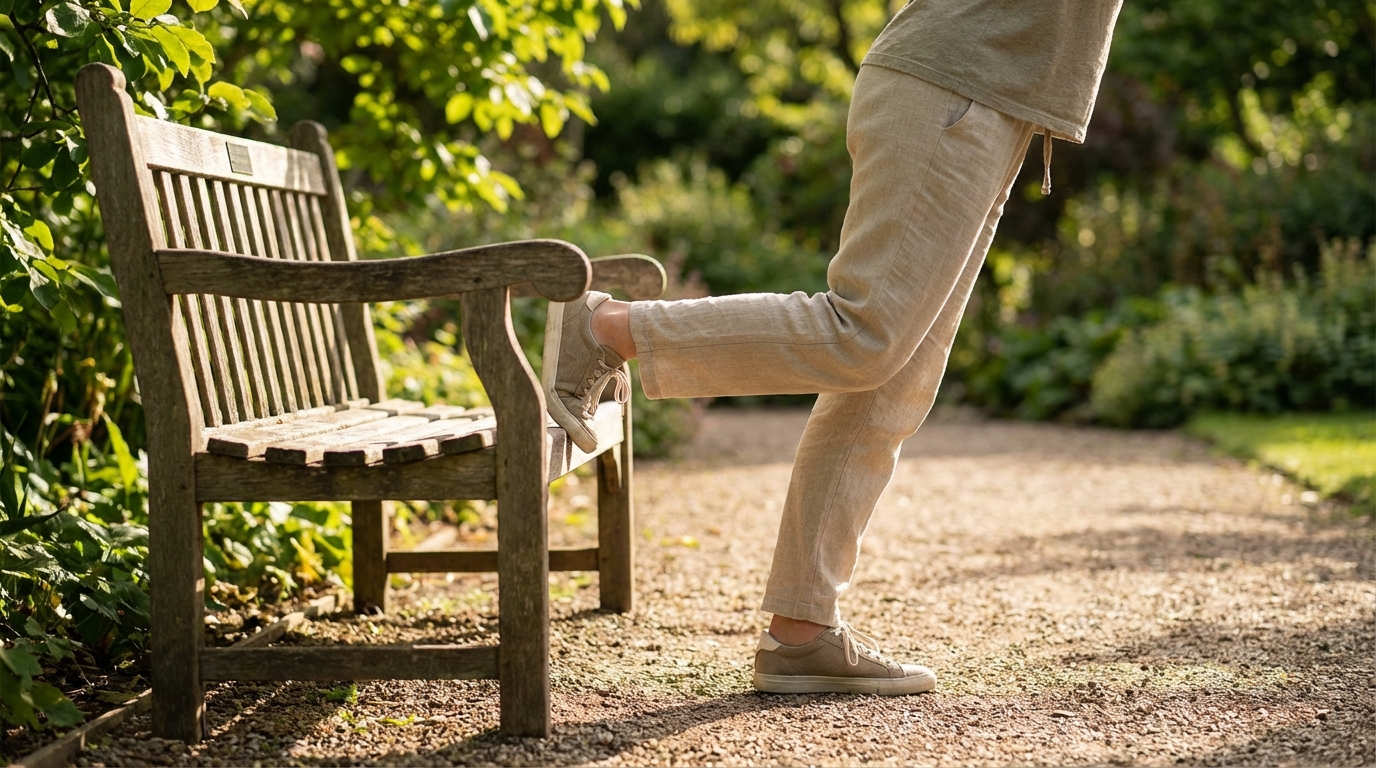
Good circulation is essential for delivering oxygen and nutrients throughout the body, and simple stretching can play a meaningful role in supporting healthy blood flow. Stretching does not require special equipment or long workouts, and it can be done by people of many ages and fitness levels. When muscles move and lengthen, they help blood travel more easily through veins and arteries. Over time, even gentle stretches can contribute to better comfort, warmth in the hands and feet, and a sense of physical ease.
Circulation is influenced by many factors, including movement, posture, hydration, and overall activity level. Long periods of sitting or standing can slow blood flow, especially in the legs and lower back. Simple stretching offers a low-effort way to counter these effects during daily life. By learning how and why stretching supports circulation, it becomes easier to use it consistently and safely.
Understanding Circulation and Blood Flow
Circulation refers to the movement of blood through the heart, arteries, veins, and capillaries. This system delivers oxygen and nutrients to tissues while removing waste products. When circulation works well, muscles and organs receive what they need to function efficiently. Poor circulation, on the other hand, can lead to feelings of coldness, heaviness, or fatigue in different parts of the body.
Blood flow depends on both the pumping action of the heart and the movement of muscles. Muscles act like natural pumps when they contract and relax, especially in the legs. When muscles remain still for long periods, blood can pool in certain areas. Stretching encourages gentle muscle activity, which helps move blood along and supports the body’s natural circulation process.
Why Stretching Affects Circulation
Stretching influences circulation by changing the shape and tension of muscles and surrounding tissues. When a muscle stretches, it briefly reduces pressure on nearby blood vessels. As the stretch is released, fresh blood can flow back into the area. This cycle can help improve local circulation and support overall blood movement.
Stretching also encourages awareness of posture and movement. Poor posture can compress blood vessels, especially around the neck, shoulders, and hips. Simple stretches that open these areas can reduce unnecessary pressure. Over time, regular stretching may help the body maintain more efficient pathways for blood flow.
General Principles for Stretching Safely
Before exploring specific stretches, it is helpful to understand a few general principles. Stretching should feel gentle and controlled, never sharp or painful. Movements should be slow, allowing the body to relax into each position. Breathing steadily during stretches helps muscles loosen and supports healthy circulation.
Consistency matters more than intensity when it comes to circulation benefits. Short stretching sessions done daily can be more effective than longer sessions done only once in a while. Paying attention to comfort and body signals helps ensure that stretching remains a supportive habit rather than a stressful one.
Warm Muscles Respond Better
Muscles that are slightly warm tend to stretch more easily and comfortably. Light movement, such as walking in place or rolling the shoulders, can help prepare the body. This gentle warm-up encourages blood flow before deeper stretching begins. Even a few minutes of movement can make a difference.
Stretching cold, stiff muscles may feel uncomfortable and can limit circulation benefits. Warm muscles allow blood vessels to expand more freely. This creates a better environment for improved blood flow during and after stretching.
Hold and Release, Do Not Bounce
Holding a stretch steadily allows muscles to relax and lengthen. Bouncing or forcing a stretch can cause muscles to tighten in response. A steady hold, usually for 15 to 30 seconds, gives blood time to move into the area.
Releasing the stretch slowly is just as important as holding it. This gradual release supports smooth blood flow changes. Over time, this approach helps muscles remain flexible and circulation-friendly.
Neck and Shoulder Stretches for Upper Body Circulation
The neck and shoulders contain many blood vessels that supply the brain and arms. Tension in this area can restrict blood flow and contribute to discomfort. Simple stretches can help ease tightness and support circulation to the upper body.
These stretches are especially useful for people who spend time at desks or looking at screens. Holding the head and shoulders in one position for long periods can slow circulation. Gentle movement helps counteract this effect.
Neck Side Stretch
The neck side stretch gently lengthens the muscles along the sides of the neck. Tilting the head toward one shoulder while keeping the opposite shoulder relaxed creates a mild stretch. Holding this position encourages blood to flow through the neck and upper shoulders.
This stretch can be repeated on both sides. Moving slowly and breathing evenly helps the muscles relax. Over time, this can reduce stiffness and support steady circulation to the head and arms.
Shoulder Rolls
Shoulder rolls involve lifting the shoulders up toward the ears and then rolling them back and down. This circular motion activates muscles around the shoulders and upper back. The movement encourages blood to circulate through areas that often hold tension.
Repeating shoulder rolls several times in both directions can increase comfort. This simple stretch can be done almost anywhere. It is especially helpful during breaks from sitting or repetitive tasks.
Arm and Hand Stretches to Support Blood Flow
The arms and hands can be affected by reduced circulation, especially during long periods of typing or holding objects. Stretching these areas helps keep blood moving and reduces feelings of tightness. Gentle arm and hand stretches are easy to include in daily routines.
Improved circulation in the arms and hands can support warmth and flexibility. These stretches can also help maintain comfort during activities that require fine motor skills. Regular movement helps prevent stiffness from building up.
Arm Extension Stretch
Extending one arm forward and gently pulling back on the fingers with the other hand stretches the forearm muscles. This position encourages blood flow through the wrist and hand. Holding the stretch briefly allows muscles to relax.
Switching arms ensures balanced movement. This stretch can be done seated or standing. It is a simple way to support circulation during work or daily tasks.
Hand Opening and Closing
Opening the hands wide and then gently making a fist helps activate small muscles in the hands. This repeated motion encourages blood to move in and out of the fingers. It can be especially helpful in cooler environments where hands may feel cold.
Repeating this movement several times increases circulation without strain. It can be done discreetly throughout the day. Over time, this helps maintain flexibility and comfort in the hands.
Lower Body Stretches for Leg Circulation
The legs play a major role in circulation, as they help push blood back toward the heart. When leg muscles remain still for long periods, blood flow can slow. Stretching the lower body helps activate these muscles and support healthy circulation.
Leg stretches are particularly useful for people who sit or stand for much of the day. Gentle movement helps prevent feelings of heaviness or swelling. Regular stretching can support comfort and mobility.
Calf Stretch
The calf muscles act as important pumps for blood returning to the heart. Stretching these muscles can support efficient circulation. A simple calf stretch involves placing one foot behind the other and gently pressing the back heel toward the ground.
Holding this stretch allows blood to flow through the lower leg. Switching sides ensures balanced support. This stretch can be done near a wall or chair for stability.
Hamstring Stretch
The hamstrings run along the back of the thighs and can become tight with prolonged sitting. Stretching them helps improve blood flow through the upper legs. Gently extending one leg forward and leaning slightly can create an effective stretch.
Maintaining a relaxed posture during this stretch is important. Avoid forcing the movement. Over time, improved flexibility in the hamstrings can support smoother circulation.
Hip and Lower Back Stretches
The hips and lower back connect the upper and lower body, making them important for circulation. Tightness in this area can affect blood flow to the legs. Gentle stretches can help release tension and support movement.
These stretches are often beneficial after long periods of sitting. They encourage blood to move through the pelvis and lower spine. Improved comfort in this area can make daily movement easier.
Seated Hip Stretch
A seated hip stretch involves crossing one ankle over the opposite knee and gently leaning forward. This position stretches the muscles around the hips. Holding the stretch allows blood to flow more freely through the area.
This stretch should feel comfortable and controlled. Switching sides ensures balanced movement. It can be done in a chair, making it accessible in many settings.
Lower Back Twist
A gentle lower back twist can be done while seated or lying down. Rotating the torso slowly helps loosen muscles along the spine. This movement encourages circulation through the back and surrounding tissues.
Breathing steadily during the twist supports relaxation. Avoid pushing into discomfort. Over time, this stretch can help maintain flexibility and support blood flow.
Simple Full-Body Stretching Routines
Combining individual stretches into a short routine can support circulation throughout the entire body. Full-body stretching encourages coordinated movement and balanced blood flow. These routines do not need to be long to be effective.
A routine can be adjusted based on time and comfort level. Even five to ten minutes can make a difference. The goal is steady, gentle movement rather than intensity.
The following list describes simple stretches that can be combined into a basic routine:
- Neck side stretches to ease upper body tension
- Shoulder rolls to activate the upper back
- Arm and hand stretches to support circulation in the limbs
- Calf and hamstring stretches for lower body blood flow
- Hip and lower back stretches to connect upper and lower movement
Moving through these stretches in a calm, steady way supports circulation from head to toe. The routine can be done in the morning, during breaks, or in the evening. Adjusting the pace and duration helps keep the practice comfortable and sustainable.
Stretching at a Desk or During Travel
Many people spend long hours sitting at desks or traveling. These situations can limit movement and slow circulation. Simple stretches that can be done in small spaces help counter these effects.
Desk-friendly and travel-friendly stretches focus on gentle movement without needing to stand or lie down. They help keep blood flowing and reduce stiffness. Regular movement breaks are especially important in these settings.
Ankle Pumps
Ankle pumps involve lifting and lowering the feet or rotating the ankles while seated. This movement activates the calf muscles. It helps push blood upward from the lower legs.
This stretch can be done quietly and frequently. It is especially useful during long periods of sitting. Consistent ankle movement supports circulation without disrupting tasks.
Seated Spinal Stretch
A seated spinal stretch involves sitting tall and gently reaching upward. Lengthening the spine creates space between vertebrae. This can help reduce compression and support circulation.
Holding the stretch for a few breaths allows muscles to relax. It can be combined with gentle shoulder movement. This stretch supports comfort during extended sitting.
The Role of Breathing in Stretching and Circulation
Breathing plays an important role in how stretching affects circulation. Slow, deep breaths help the body relax and allow blood vessels to expand. Coordinating breath with movement enhances the benefits of stretching.
Holding the breath during a stretch can increase tension. Steady breathing supports a calm nervous system. This creates a better environment for healthy blood flow.
Inhaling to Prepare
Inhaling before moving into a stretch helps prepare the body. The breath brings oxygen into the bloodstream. This supports muscle relaxation and circulation.
Using the inhale as a moment of awareness helps maintain control. It encourages gentle movement rather than force. This approach supports safe and effective stretching.
Exhaling to Release
Exhaling during the deepest part of a stretch helps muscles let go of tension. This release allows blood to flow more freely into the stretched area. The combination of stretch and exhale supports circulation.
Slow exhalations can signal the body to relax. This can make stretches feel more comfortable. Over time, this breathing pattern can improve the overall experience of stretching.
How Often to Stretch for Circulation Support
Frequency is an important factor in using stretching to support circulation. Short, frequent sessions are often more effective than occasional long ones. Daily stretching helps keep blood moving and muscles flexible.
Stretching can be done at different times of day based on individual needs. Morning stretches can help wake up the body. Midday or evening stretches can counteract the effects of prolonged sitting or activity.
Listening to Body Signals
The body provides feedback about when stretching is helpful. Feelings of stiffness, heaviness, or restlessness can signal a need for movement. Gentle stretching can address these sensations.
Respecting comfort levels helps prevent overdoing it. Stretching should feel supportive, not exhausting. Paying attention to body signals helps maintain a positive routine.
Safety Considerations and When to Be Cautious
While stretching is generally safe, it is important to approach it with care. Movements should be gentle and within a comfortable range. Pain is a sign to stop or adjust the stretch.
People with certain health conditions may need guidance from a healthcare professional. Stretching should support circulation without causing strain. Awareness and caution help ensure positive effects.
Avoiding Sudden Movements
Sudden or jerky movements can cause muscles to tighten. This can reduce circulation rather than support it. Slow, controlled stretches are more effective.
Taking time to move in and out of stretches helps protect joints and muscles. This approach supports steady blood flow. It also reduces the risk of discomfort.
Adapting Stretches to Individual Needs
Not all stretches are suitable for everyone. Flexibility levels and physical conditions vary. Adjusting stretches to fit individual comfort helps maintain safety.
Using support such as chairs or walls can make stretches more accessible. Modifications help ensure that stretching remains beneficial. This adaptability supports consistent practice.