
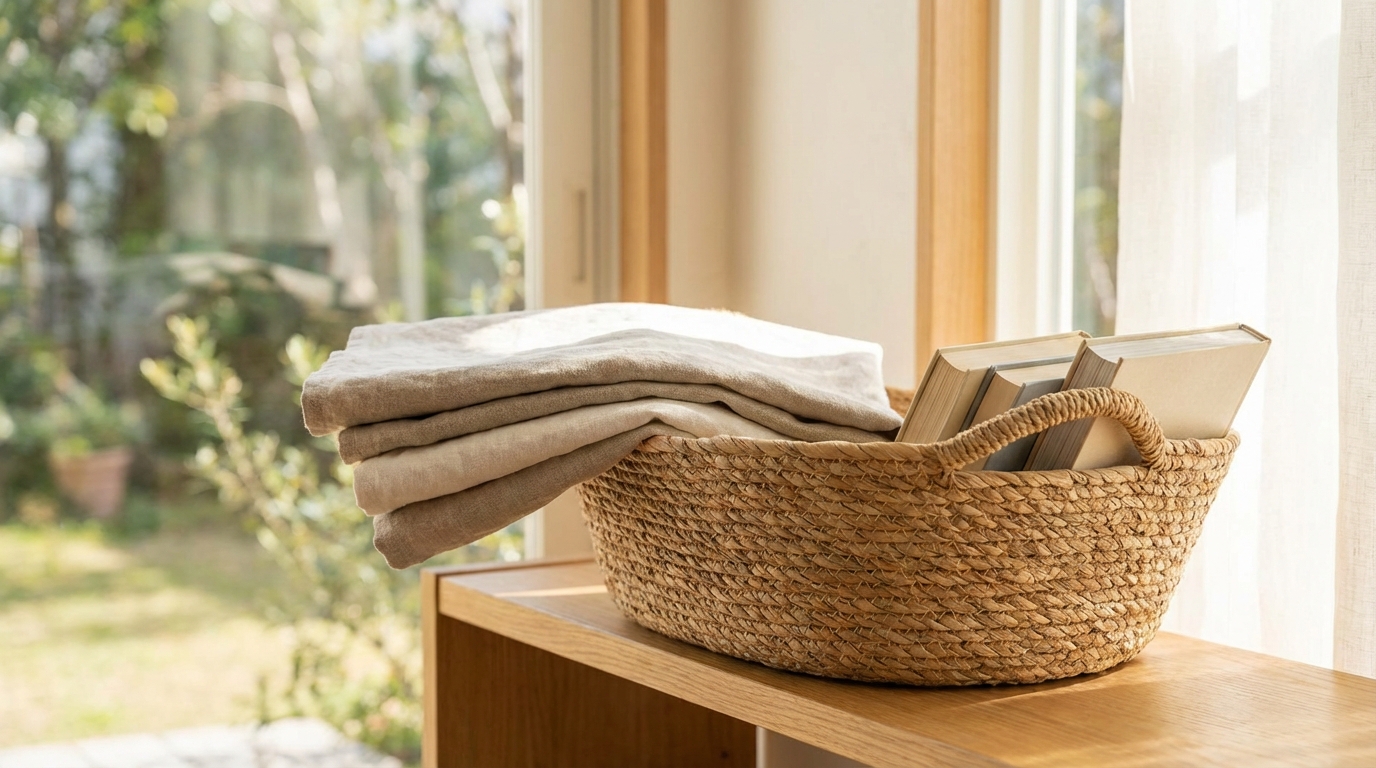
Daily mess often feels like a normal part of busy life, but it usually comes from small habits rather than big problems. Items are set down without a clear place, surfaces collect objects meant for other rooms, and storage fills up without a plan. Simple storage does not mean buying many containers or redesigning a home. It means using easy, repeatable habits that guide where items live and how they return there.
When storage is simple, it supports daily routines instead of fighting them. People are more likely to put things away when the process takes only a few seconds and makes sense. Over time, these small actions reduce visual clutter, save time, and lower stress. Order becomes a natural result of everyday behavior rather than a special cleaning event.
The connection between simple storage and daily mess
Daily mess builds up when there is friction between actions and storage. If putting something away requires too many steps or decisions, the item is likely to stay out. Simple storage removes these barriers by matching storage locations to how items are actually used. This approach respects real life instead of an ideal version of it.
Mess also grows when storage systems are too complex to maintain. Labels, color codes, and stacked containers can look neat at first but fail when time is limited. Simple storage focuses on clarity and ease, making it more sustainable over weeks and months. The goal is not perfection, but consistency.
Why small habits matter more than big cleanups
Large cleanups can reset a space, but they do not change daily behavior. Without new habits, clutter slowly returns in the same patterns. Small storage habits work differently by preventing mess before it forms. They guide each action so that items naturally return to their place.
For example, hanging keys on a hook near the door takes less effort than setting them on a table. Over time, this single habit removes one source of daily clutter. Many similar habits, repeated across a home, create lasting order without extra effort.
Thinking in terms of “homes” for items
One of the simplest storage ideas is to give every item a clear home. A home is a specific place where the item belongs when it is not in use. When items lack homes, they end up on counters, chairs, or floors. Clear homes reduce decision-making and speed up tidying.
Homes work best when they match natural behavior. If shoes are always removed near the door, their home should be there. If mail is handled in the kitchen, its home should be nearby. Storage that fights habits rarely gets used.
Choosing logical locations
Logical storage locations are based on use, not appearance. Items should be stored close to where they are used most often. This reduces travel time and makes it easier to put things away immediately. When storage feels convenient, it becomes automatic.
It also helps to avoid storing items in hard-to-reach places unless they are rarely used. Everyday items deserve easy access. This balance keeps frequently used spaces clear without hiding useful things too far away.
Limiting each home to what fits
A storage space that is too full invites mess. When an item no longer fits easily in its home, it tends to stay out. Simple storage respects natural limits by allowing space to breathe. This makes it clear when there is too much of something.
Limiting what fits also supports quick decisions. If a drawer is meant for a specific category, anything that does not fit belongs elsewhere or may no longer be needed. This clarity prevents overflow and confusion.
Entryway storage that stops clutter at the door
The entryway is a major source of daily mess because it collects items from outside. Shoes, bags, coats, and keys all pass through this space. Simple storage here can prevent clutter from spreading into the rest of the home. A few well-chosen solutions make a big difference.
The goal is to capture items as soon as they enter. When there is a clear place to drop essentials, they do not end up on random surfaces. This keeps the entryway functional and calm.
Managing shoes and outerwear
Shoes and coats often pile up when storage is unclear or crowded. Simple solutions focus on easy access and quick return. Open storage works well because it removes extra steps like opening doors or lifting lids.
A small number of hooks or a low shelf can handle daily needs without encouraging excess. Seasonal rotation also helps keep this area manageable. Only current items should live in the main entryway.
Useful entryway habits include the following:
- Keeping only everyday shoes by the door
- Using hooks for frequently worn coats and bags
- Storing off-season items in another area
- Returning items to their place as soon as they come off
These habits limit buildup and make leaving the house smoother. Over time, the entryway becomes a transition space rather than a storage zone for everything.
Creating a landing spot for small items
Keys, wallets, and phones often create surface clutter. A simple landing spot keeps these items together and easy to find. This might be a small tray, bowl, or wall-mounted organizer.
The key is consistency. When small items always land in the same place, they stop wandering around the home. This reduces both mess and the stress of searching for essentials.
Kitchen storage that supports daily routines
The kitchen is used many times a day, making it prone to clutter. Simple storage here focuses on function and flow. Items should support cooking, cleaning, and eating without getting in the way. Clear counters are a natural result of good storage, not constant cleaning.
Storage decisions in the kitchen work best when based on frequency of use. Everyday tools deserve prime locations, while occasional items can live farther away. This balance keeps surfaces open and usable.
Reducing counter clutter
Counter clutter often comes from items that lack a better home. Appliances, mail, and small tools can slowly take over. Simple storage clears counters by relocating items closer to where they are actually needed.
For example, storing cooking tools near the stove and cleaning supplies near the sink reduces the need for them to sit out. When counters are mostly clear, wiping them down becomes faster and easier.
Helpful counter-clearing habits include:
- Storing small appliances after use
- Keeping only daily essentials on the counter
- Designating a specific spot for incoming mail
- Returning items to cabinets at the end of each task
These habits support a clean look without requiring a full reset each day. They also make the kitchen feel more spacious and calm.
Using drawers and cabinets wisely
Drawers and cabinets can either hide mess or support order. Simple storage groups similar items together and avoids overfilling. When everything is visible at a glance, it is easier to maintain order.
Dividers and small bins can help, but only when they stay simple. Too many sections can slow down use. The goal is quick access and quick return, not perfect alignment.
Living room storage that blends into daily life
The living room often serves many purposes, from relaxing to working to socializing. This makes it a common place for clutter. Simple storage here respects the room’s role while keeping items under control. The focus is on flexibility and ease.
Storage that blends in visually also helps. When items have discreet homes, the room feels more open and inviting. This reduces the urge to pile things on visible surfaces.
Managing everyday items
Remote controls, books, and blankets are used often and left out easily. Simple storage keeps these items close without letting them spread. Baskets, shelves, or low cabinets can hold them neatly.
The best solutions match how the room is used. If reading happens on the couch, books should be nearby. When storage matches behavior, items are more likely to return to their place.
Handling multi-purpose spaces
When a living room also functions as a workspace or play area, storage must adapt. Simple storage uses containers or zones that can be reset quickly. This allows the room to shift roles without long cleanups.
Portable storage works well in these cases. Items can be gathered and put away in minutes, restoring the room’s main function. This flexibility keeps mess from becoming permanent.
Bedroom storage that supports rest
The bedroom should feel calm, but clutter can easily disrupt that feeling. Simple storage in this space focuses on reducing visual noise. Fewer items in sight support better rest and easier mornings. Order here is about comfort as much as appearance.
Storage choices in the bedroom work best when they align with daily routines. Getting dressed, changing clothes, and preparing for sleep should flow smoothly. Clear systems make these moments simpler.
Keeping surfaces clear
Dressers and nightstands often collect random items. Simple storage limits what belongs on these surfaces. Only items used daily or nightly should stay out.
Everything else needs a defined home. When surfaces are mostly clear, dusting and tidying take very little time. This keeps the bedroom feeling peaceful.
Clothing storage habits
Clothing clutter usually comes from delayed decisions. Items are worn, removed, and set aside instead of put away. Simple habits reduce this pattern by making storage easy.
Examples of helpful clothing habits include:
- Hanging or folding clothes immediately after changing
- Using a single spot for clothes worn again
- Limiting the number of items stored in drawers
- Returning clean laundry to closets promptly
These habits prevent piles from forming and keep storage functional. Over time, the bedroom stays orderly with less effort.
Bathroom storage that controls small-item clutter
Bathrooms contain many small items, which can quickly feel messy. Simple storage keeps these items contained and easy to access. The goal is to support daily routines like grooming and cleaning without crowding surfaces.
Storage in bathrooms benefits from regular review. Products and tools change over time, and unused items create unnecessary clutter. Simple systems make it easy to see what is actually used.
Containing daily essentials
Daily essentials should be grouped together and easy to reach. This reduces the need to spread items across the counter. Containers under the sink or in drawers work well for this purpose.
When each category has a clear space, it becomes easier to put things back. This keeps counters clear and supports quick cleanups.
Letting go of unused items
Expired or unused products take up valuable storage space. Simple storage makes these items more visible, which encourages regular removal. Fewer items mean less mess.
Regular checks keep storage aligned with current needs. This prevents buildup and keeps the bathroom feeling fresh and organized.
Paper storage that prevents piles
Paper clutter is a common source of daily mess. Mail, receipts, and documents often land on counters and tables. Simple storage creates a clear path for paper from arrival to final destination. This reduces stress and visual clutter.
The key is speed. Paper should move through the system quickly instead of sitting out. Simple categories make decisions easier.
Creating a paper flow
A simple paper flow usually includes a small number of steps. Incoming paper is sorted immediately into clear categories. This prevents piles from forming.
Common categories include action items, items to file, and items to discard. Keeping these categories visible helps maintain the habit.
Storing important documents
Important documents need secure but simple storage. Overly complex systems discourage use. A small file box or drawer with broad categories often works best.
When documents are easy to find and return, they do not linger on surfaces. This keeps common areas clear and functional.
Maintaining simple storage over time
Simple storage is not a one-time setup. It evolves with routines and needs. Regular small adjustments keep systems working without major overhauls. This flexibility is part of what makes simple storage effective.
Maintenance works best when it is built into normal life. Short, frequent check-ins prevent mess from growing. This keeps order steady and manageable.
Using quick resets
Quick resets are short periods spent returning items to their homes. These can happen at natural transition points, such as before bed or after meals. Because storage is simple, resets take only a few minutes.
These moments prevent clutter from becoming overwhelming. They also reinforce storage habits, making them more automatic over time.
Adjusting systems as habits change
Life changes, and storage should change with it. A system that once worked may become inconvenient. Simple storage allows for easy updates without starting over.
When storage aligns with current habits, mess stays under control. This ongoing alignment keeps daily spaces usable and calm.