
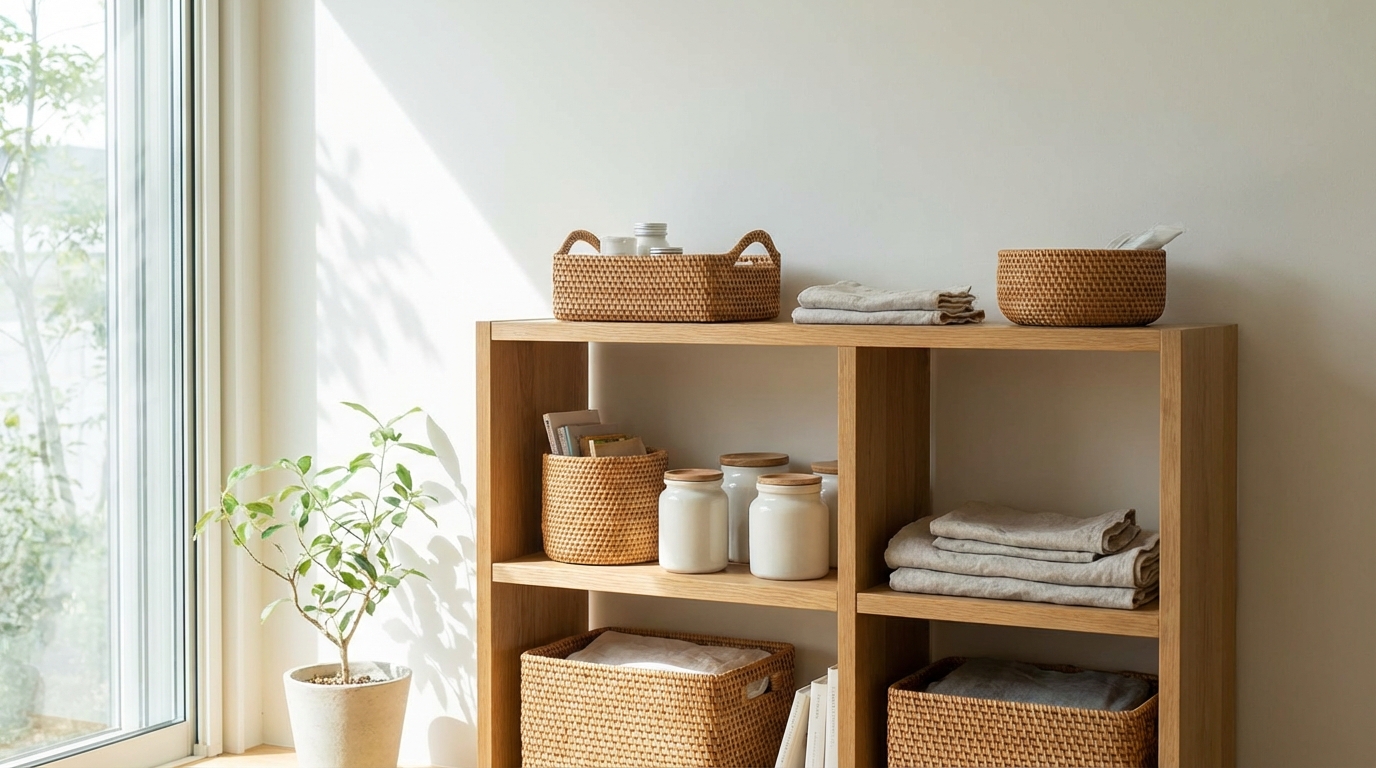
Clutter often builds up from everyday life rather than big, obvious messes. Shoes by the door, mail on the counter, and chargers on the floor slowly take over a room. Simple storage solutions focus on giving these daily items a clear, easy place to live. When storage is simple and visible, it becomes easier to put things away without extra effort.
Reducing clutter does not require expensive furniture or complex systems. Small changes, like using baskets, hooks, or drawer dividers, can create order with very little planning. These ideas work best when they match daily habits instead of fighting them. The goal is to make tidy spaces feel natural and low-stress.
Why Simple Storage Works Better Than Complex Systems
Simple storage works because it removes barriers between use and organization. When a storage system is too complicated, it often gets ignored after a short time. People are more likely to return items to a place that is easy to reach and easy to understand. Clear storage choices help reduce decision fatigue throughout the day.
Another reason simple storage is effective is consistency. When items always go back to the same spot, clutter has less chance to spread. Over time, this consistency builds habits that support a cleaner home. Simple systems also adapt better to changes, such as new hobbies or family routines.
The Role of Visibility and Access
Visibility plays a major role in whether storage gets used. Items stored out of sight but hard to reach often end up left out instead. Open shelves, clear bins, and labeled containers allow people to see what they have without digging. This reduces both clutter and unnecessary purchases.
Easy access matters just as much as visibility. Storage placed near where items are used saves time and effort. For example, placing a basket near the couch for blankets makes cleanup quick. When storage supports natural movement, tidying becomes part of daily life.
Entryway Storage That Sets the Tone
The entryway is often the first place clutter appears in a home. Shoes, bags, and keys tend to pile up because they are used every day. Simple storage in this area can prevent clutter from spreading further inside. Even small entryways benefit from thoughtful organization.
Keeping entryway storage simple helps maintain order during busy moments. After a long day, complicated systems are rarely used. Straightforward hooks, trays, and baskets allow items to be put away quickly. This creates a calm transition between outdoors and indoors.
Easy Solutions for Shoes and Bags
Shoes and bags take up space and can look messy when left on the floor. A low shoe rack or open cubby keeps footwear organized without hiding it completely. Wall hooks for bags prevent them from ending up on chairs or tables. These solutions work well because they match how people naturally enter and exit a home.
Limiting the number of shoes stored in the entryway also reduces clutter. Keeping only daily-use pairs nearby encourages rotation and storage elsewhere. Simple rules, supported by simple storage, make a noticeable difference. Over time, the entryway stays clearer with less effort.
Living Room Storage for Daily Comfort
The living room often serves multiple purposes, from relaxing to entertaining. This can lead to clutter from books, blankets, remotes, and toys. Simple storage helps keep these items close without overwhelming the space. The focus is on comfort and ease rather than hiding everything away.
When storage blends into the room’s layout, it feels natural to use. Items stored near where they are used reduce the need for constant cleanup sessions. Small storage pieces can also add structure to open living areas. This balance keeps the room welcoming and functional.
Using Baskets, Trays, and Shelves
Baskets are one of the easiest ways to manage living room clutter. They can hold blankets, magazines, or toys while still looking neat. Placing a basket next to a sofa or chair encourages quick cleanup. Trays on coffee tables help group small items like remotes and coasters.
Open shelves provide storage without closing off the space. They work well for books, plants, and decorative boxes. Keeping shelves lightly filled prevents a crowded look. Simple containers on shelves can hide clutter while keeping access easy.
Kitchen Storage That Supports Daily Routines
The kitchen is a high-traffic area where clutter can slow down daily tasks. Countertops often collect mail, appliances, and cooking tools. Simple storage helps keep surfaces clear and makes cooking more enjoyable. Organization in the kitchen should support speed and safety.
Storage that matches cooking habits works best. Items used daily should be easy to reach, while rarely used tools can be stored higher or farther away. Simple changes can improve workflow without a full kitchen remodel. The result is a cleaner and more efficient space.
Cabinet and Drawer Organization Basics
Drawer dividers help separate utensils and tools so they do not mix together. This saves time when cooking and reduces frustration. Clear organization also prevents overfilling drawers. When each item has a place, drawers close easily and stay tidy.
Cabinets benefit from simple bins and risers. These tools make better use of vertical space and keep items visible. Grouping similar items together reduces clutter and improves access. Simple cabinet storage supports smoother daily routines.
Bedroom Storage for Restful Spaces
The bedroom should feel calm, but clutter can interfere with rest. Clothes, accessories, and personal items often build up over time. Simple storage helps maintain a peaceful environment without strict rules. The goal is to reduce visual noise and stress.
Storage solutions in the bedroom should be easy to maintain. Complicated systems can feel overwhelming and are less likely to be used. Simple furniture and containers make it easier to keep the room tidy. This supports better sleep and relaxation.
Clothing and Nightstand Organization
Clothing storage works best when it reflects daily habits. Open bins for frequently worn items can reduce dresser clutter. Using drawer organizers helps keep smaller items from mixing together. This makes it easier to find what is needed each morning.
Nightstands often collect clutter like books, chargers, and glasses. A nightstand with drawers or a small tray on top can keep items contained. Limiting surface items to essentials creates a cleaner look. Simple storage keeps the focus on rest rather than mess.
Bathroom Storage for Small Spaces
Bathrooms are usually small, making clutter more noticeable. Toiletries, towels, and cleaning supplies need clear storage to avoid overcrowding. Simple storage solutions can make even tiny bathrooms feel organized. The key is to use available space wisely.
Storage in bathrooms should be easy to clean and access. Items used daily should not require moving multiple things to reach them. Simple containers and shelves help maintain order. This supports faster routines and a cleaner appearance.
Managing Toiletries and Towels
Clear bins under the sink help group similar toiletries together. This prevents items from spreading across counters. Using small containers instead of one large bin keeps things visible. Simple labels can add clarity without adding complexity.
Towel storage benefits from open shelves or hooks. These options keep towels accessible and allow them to dry properly. Limiting the number of towels in the bathroom reduces clutter. Simple towel storage supports both function and cleanliness.
Home Office Storage for Focus
A home office can quickly become cluttered with papers and supplies. This clutter can affect focus and productivity. Simple storage helps create a clear workspace that supports daily tasks. Organization should make work easier, not more complicated.
Storage choices should match the type of work being done. Digital work may need less paper storage, while creative tasks may need more supplies nearby. Simple systems allow for flexibility as needs change. This keeps the workspace adaptable and calm.
Paper, Supplies, and Cables
Paper clutter can be reduced with simple file folders and trays. Keeping only active papers on the desk helps maintain focus. Older documents can be stored out of sight in labeled folders. This prevents paper piles from growing.
Supplies and cables benefit from small containers and clips. Keeping cords organized reduces visual clutter and tangling. Simple drawer organizers make it easy to find tools when needed. These small changes support a cleaner work area.
Storage Solutions for Children’s Items
Children’s items can quickly take over shared spaces. Toys, books, and school supplies often move from room to room. Simple storage helps children learn where things belong. Easy systems encourage independence and responsibility.
Storage for children should be safe and easy to use. Heavy lids or high shelves can discourage cleanup. Simple bins and low shelves work best for daily use. These solutions support both organization and play.
Making Cleanup Easy and Fun
Open bins with pictures or simple labels help children identify where items go. This reduces confusion and speeds up cleanup. Grouping similar toys together makes it easier to choose and put away items. Simple systems support consistent habits.
Rotating toys can also reduce clutter. Keeping some toys stored away creates more space and interest. Simple storage bins make rotation easy. This approach keeps play areas manageable and organized.
Closet Storage That Maximizes Space
Closets often become cluttered because they are out of sight. Without simple organization, items pile up and become hard to find. Simple storage tools can transform closets into functional spaces. The focus is on access and visibility.
Using vertical space effectively helps reduce clutter. Shelves, hooks, and hanging organizers create more room without expansion. Simple systems are easier to adjust over time. This keeps closets usable and tidy.
Hanging, Folding, and Sorting
Consistent hanging methods help keep clothing organized. Using the same type of hanger creates a uniform look and saves space. Folding items neatly and stacking them by category improves visibility. Simple sorting reduces daily frustration.
Accessories like belts and scarves benefit from hooks or small bins. Keeping them visible prevents loss and clutter. Simple storage makes it easier to use all items regularly. This supports a more organized closet overall.
Simple Storage in Small Indoor Spaces
Small indoor spaces can feel cluttered very quickly. Limited square footage requires thoughtful storage choices. Simple storage helps make the most of every inch. The goal is to reduce visual clutter while keeping items accessible.
Multi-purpose furniture and wall-mounted storage work well in small spaces. These options provide storage without taking up floor space. Simple designs prevent overcrowding. This keeps small rooms functional and comfortable.
Using Vertical and Hidden Storage
Vertical storage takes advantage of wall space that often goes unused. Shelves and hooks keep items off the floor. This makes rooms feel larger and more open. Simple wall storage is easy to install and maintain.
Hidden storage, such as under-bed bins or storage ottomans, keeps clutter out of sight. These options work best for items not used daily. Simple containers make access quick when needed. This balance supports a cleaner look.
Daily Habits That Support Simple Storage
Storage systems work best when supported by daily habits. Putting items away right after use prevents clutter from building. Simple routines take less time than large cleanup sessions. Consistency is more important than perfection.
Adjusting storage as needs change also helps maintain order. If a system is not being used, it may need simplification. Simple storage allows for easy updates. This keeps spaces functional over time.
Maintaining Order Without Extra Effort
Keeping storage areas from overfilling is key. Regularly removing unused items creates space and clarity. Simple storage makes it easier to see when something is no longer needed. This supports ongoing organization.
Using small reset moments during the day helps maintain order. A few minutes spent tidying can prevent larger messes. Simple storage makes these moments effective. Over time, clutter becomes easier to manage.