
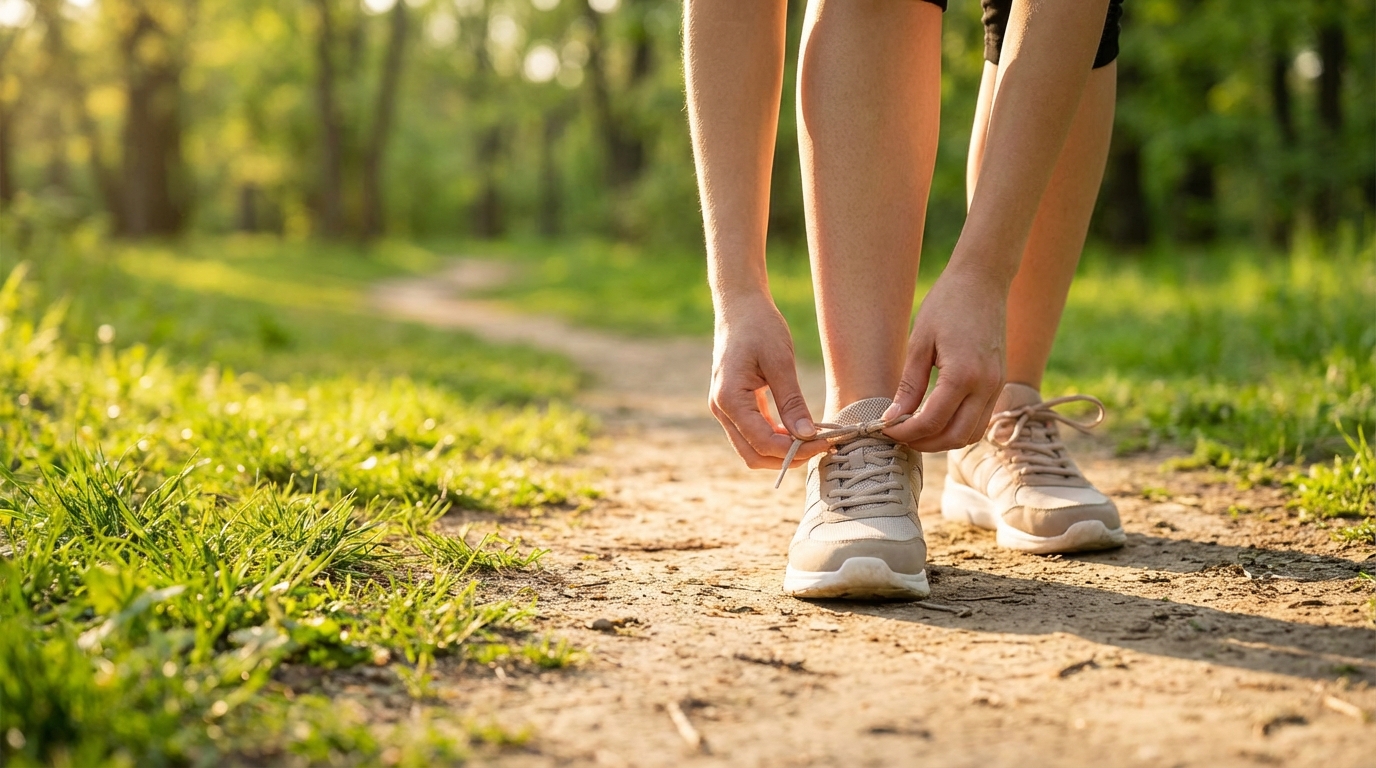
Spending time outdoors does not require extreme sports, expensive gear, or long trips. Simple outdoor habits can fit into everyday life and still support physical, mental, and social health. Even small changes, like stepping outside for a few minutes or choosing outdoor routes, can add up over time. These habits are often easy to start and flexible enough to adjust to different schedules and abilities.
Outdoor environments offer natural movement, fresh air, and visual variety that indoor spaces often lack. Regular exposure to these elements has been linked to better mood, steadier energy levels, and improved focus. When outdoor time becomes a routine instead of a rare event, it can support overall well-being in quiet but meaningful ways.
Daily Time Outside as a Basic Health Habit
Making time to be outside each day can support health in ways that feel natural rather than forced. Daily outdoor time does not need to be long to be helpful, especially when it happens consistently. A few minutes in the morning or evening can help reset the body and mind after indoor work or screen use. Over time, this habit can create a steady rhythm that supports both physical and mental balance.
Outdoor exposure encourages light movement, such as walking, stretching, or standing instead of sitting. These small movements support circulation and joint flexibility without requiring structured exercise. Being outside also provides a change in sensory input, which can help reduce feelings of restlessness or mental fatigue.
Building Outdoor Time Into Existing Routines
Outdoor habits are easier to keep when they are added to routines that already exist. Stepping outside with a morning drink, taking a short walk after meals, or spending a few minutes outdoors before bed are simple options. These moments can become familiar parts of the day rather than extra tasks to remember.
Attaching outdoor time to regular activities helps reduce the pressure to plan something new. It also makes the habit more resilient during busy weeks. When outdoor time feels like a natural extension of daily life, it is more likely to last.
Walking Outdoors for Gentle Physical Activity
Walking outdoors is one of the simplest ways to support physical health. It places little stress on the body while still encouraging muscle use, balance, and coordination. Outdoor walking often feels easier than indoor movement because changing scenery helps pass the time and keeps the mind engaged.
Regular walking supports heart health and can help maintain steady energy levels throughout the day. Even short walks can be useful when done consistently. The goal is not speed or distance, but regular movement in a natural setting.
Choosing Routes That Encourage Consistency
Routes that feel safe, pleasant, and easy to reach are more likely to be used often. Sidewalks, parks, trails, or quiet streets can all work depending on location. A route that feels inviting can turn walking into something to look forward to rather than a task.
Changing routes from time to time can also keep the habit interesting. Small variations, such as walking in a different direction or visiting a nearby green space, can refresh the experience. Variety helps prevent boredom and keeps motivation steady.
The Role of Natural Light in Daily Health
Natural light plays an important role in regulating daily rhythms. Exposure to daylight, especially earlier in the day, can support more regular sleep patterns. It helps signal to the body when to feel alert and when to wind down later.
Spending time outdoors allows the body to experience changes in light that are difficult to replicate indoors. This exposure can support mood stability and mental clarity. Even on cloudy days, outdoor light is often brighter than indoor lighting.
Simple Ways to Increase Daylight Exposure
Increasing daylight exposure does not require sunbathing or long outdoor sessions. Sitting outside for a few minutes, opening windows, or walking during daylight hours can help. These small choices add up, especially when practiced daily.
Being mindful of light exposure during different seasons can also be useful. Shorter days may call for more intentional outdoor time when light is available. Adjusting habits with the seasons helps maintain balance year-round.
Green Spaces and Mental Well-Being
Green spaces such as parks, gardens, and tree-lined streets offer more than visual appeal. These environments are often linked to reduced stress and improved mood. Natural settings can create a sense of calm that supports mental recovery from daily pressures.
Spending time in green spaces may help lower mental fatigue by offering gentle stimulation. Leaves moving in the wind, birdsong, and natural patterns can be easier on the mind than constant noise or screens. These experiences support relaxation without requiring effort.
Accessing Nature in Urban and Suburban Areas
Nature does not need to be remote to be helpful. Small parks, community gardens, or even a single tree-lined block can provide benefits. Urban and suburban environments often have overlooked green spaces that are easy to reach.
Noticing and using these spaces can change how outdoor time feels. Regular visits can create a sense of familiarity and comfort. Over time, these places can become part of a personal routine that supports mental well-being.
Gardening and Yard Activities as Light Exercise
Gardening and yard care offer gentle physical activity combined with time outdoors. Tasks like planting, watering, and trimming involve natural movements that support flexibility and strength. These activities often feel purposeful, which can increase motivation.
Spending time caring for plants can also support emotional health. Watching growth over time encourages patience and attention. The process connects daily effort with visible results, which many people find satisfying.
Starting Small With Outdoor Care Tasks
Outdoor care does not require a large yard or advanced skills. Container gardening, small herb patches, or basic plant care can be enough. Starting small reduces pressure and makes the activity more approachable.
As comfort grows, tasks can expand naturally. Even minimal plant care can create a reason to step outside regularly. This steady connection supports both movement and mindfulness.
Outdoor Social Time and Community Connection
Spending time outdoors can support social health as well as physical health. Outdoor settings often feel more relaxed and open, making conversation easier. Shared outdoor activities can strengthen relationships without the formality of indoor gatherings.
Community spaces such as parks and walking paths encourage casual interaction. These small social moments can support a sense of belonging. Regular exposure to friendly faces can improve mood and reduce feelings of isolation.
Simple Outdoor Social Activities
Outdoor social time does not need to involve large events. Walking with a friend, sitting outside together, or attending a local outdoor activity can be enough. These experiences combine fresh air with connection.
Choosing outdoor options for social time can also reduce pressure to plan. Nature provides a shared backdrop that supports conversation. Over time, these habits can strengthen social bonds in a natural way.
Short Outdoor Breaks During the Day
Short outdoor breaks can help refresh focus and energy during busy days. Stepping outside for a few minutes can provide a mental reset. These breaks are especially helpful during long periods of indoor work or screen use.
Outdoor breaks encourage movement and posture changes. Even brief exposure to fresh air can improve alertness. When taken regularly, these moments can support sustained productivity without burnout.
Ideas for Quick Outdoor Breaks
There are many simple ways to step outside briefly during the day. The following ideas show how outdoor breaks can fit into different schedules.
- Standing or stretching outside for a few minutes
- Walking around the block or building
- Eating a snack or meal outdoors
- Spending a short break in a nearby green space
These options do not require special planning or equipment. They work best when used consistently rather than occasionally. Over time, quick outdoor breaks can become a reliable tool for maintaining energy and focus.
Weather Awareness and Comfort Outdoors
Comfort plays a major role in maintaining outdoor habits. Understanding local weather patterns helps people prepare and adjust activities. Being comfortable outdoors makes it easier to spend time outside regularly.
Outdoor time does not need perfect conditions. Learning to enjoy different types of weather can expand opportunities. With simple preparation, most conditions can be manageable.
Dressing and Planning for Changing Conditions
Clothing choices can greatly affect outdoor comfort. Layers allow easy adjustment to temperature changes. Comfortable shoes and basic weather protection support longer and more enjoyable outdoor time.
Planning outdoor activities around weather forecasts can also help. Choosing the right time of day or adjusting the length of outdoor time makes habits more flexible. These small strategies reduce barriers to consistency.
Safety and Awareness During Outdoor Activities
Safety supports confidence and enjoyment during outdoor time. Being aware of surroundings helps reduce risk and stress. Simple precautions make outdoor habits more sustainable.
Awareness includes noticing traffic, uneven surfaces, and changing weather. It also involves understanding personal limits. When safety feels manageable, outdoor time becomes more inviting.
Basic Outdoor Safety Practices
Basic safety practices can be part of any outdoor routine. Paying attention to surroundings, staying hydrated, and choosing appropriate locations are important. These habits help ensure positive experiences.
Adjusting activities to fit personal comfort levels also matters. Outdoor habits should feel supportive rather than overwhelming. Safety awareness helps maintain a steady and enjoyable routine.
Making Outdoor Habits Sustainable Over Time
Sustainability depends on flexibility and enjoyment. Outdoor habits that feel too rigid are harder to maintain. Allowing habits to change with seasons, schedules, and energy levels supports long-term consistency.
Enjoyment often comes from noticing small benefits rather than chasing big goals. Feeling calmer, more focused, or slightly more active are meaningful outcomes. These small rewards reinforce the habit naturally.
Adjusting Habits as Life Changes
Life changes can affect how and when outdoor time happens. Being open to adjustment helps keep habits in place. Shorter sessions or different activities can maintain continuity.
Outdoor habits are most supportive when they fit current circumstances. Flexibility allows these habits to remain helpful rather than stressful. Over time, this approach supports steady health benefits through simple, consistent outdoor time.