
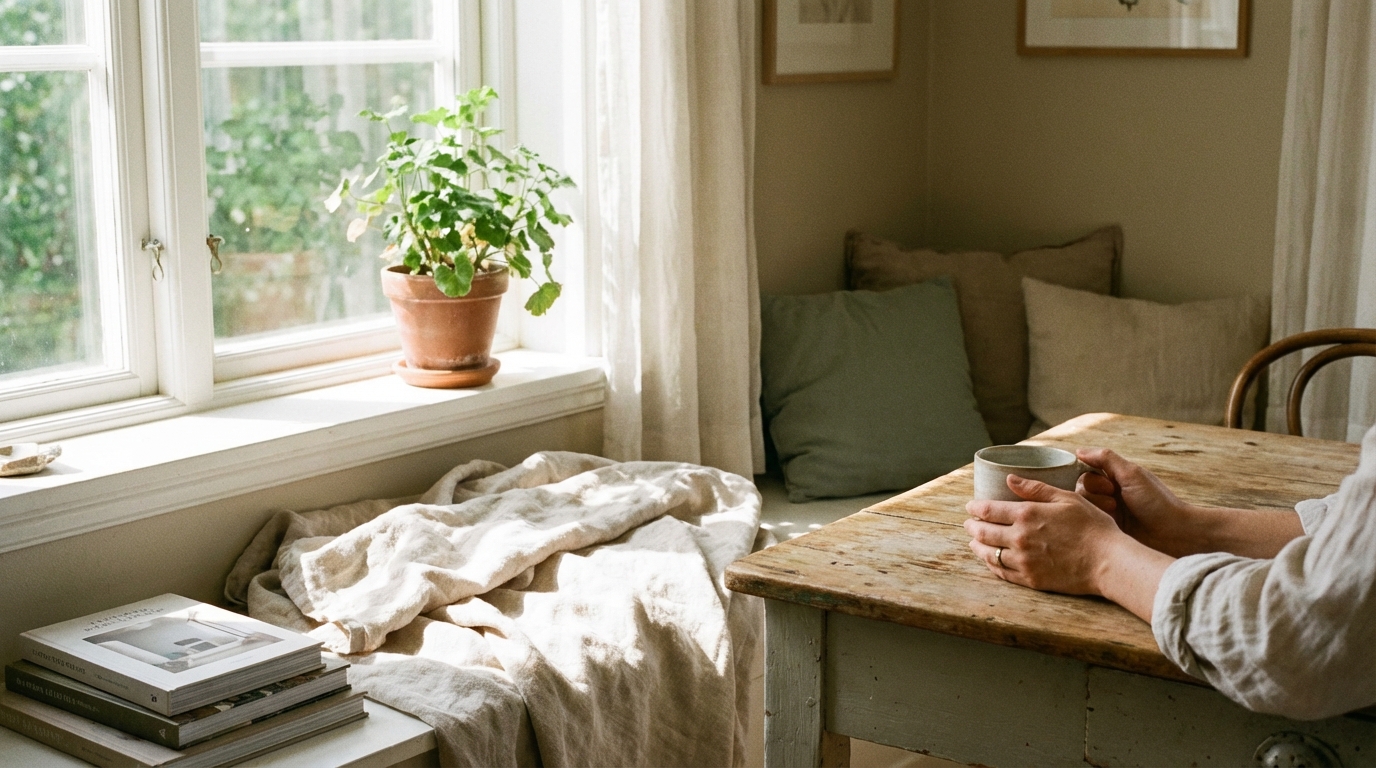
Comfort at home is shaped by many small choices made every day. Simple habits can change how rooms feel without major renovations or expensive products. When indoor spaces feel calmer, cleaner, and easier to use, daily life becomes more pleasant. These improvements often come from consistent routines rather than big one-time changes.
Comfort is not only about temperature or furniture. It includes how air smells, how light fills a room, how quiet or noisy a space feels, and how easy it is to move and relax. Small habits influence all of these factors. Over time, these habits work together to create a home that feels welcoming and balanced.
Fresh Air and Better Indoor Air Quality
Indoor air quality has a strong effect on comfort, focus, and overall well-being. Air inside homes can trap dust, odors, and moisture, especially when windows stay closed for long periods. Simple habits that improve airflow help spaces feel lighter and more comfortable. These habits do not require special equipment and can be adjusted to different seasons.
Opening windows for short periods allows stale air to escape and fresh air to enter. Even five to ten minutes can make a noticeable difference. This habit helps reduce indoor odors and can make rooms feel less stuffy. In many homes, regular air exchange is one of the easiest comfort upgrades available.
Managing Dust and Allergens
Dust and allergens build up slowly but affect comfort every day. Regular light cleaning prevents particles from becoming airborne and irritating breathing. Habits such as wiping surfaces weekly and vacuuming high-traffic areas help maintain cleaner air. These routines also make rooms look and feel fresher.
Soft surfaces like rugs, curtains, and cushions collect dust more easily than hard surfaces. Shaking out fabrics or washing them on a regular schedule helps control buildup. Keeping these materials clean supports better air quality and a more pleasant indoor environment. Small, consistent actions are more effective than occasional deep cleaning.
Lighting Habits That Shape Mood and Comfort
Lighting plays a major role in how comfortable a space feels throughout the day. Poor lighting can cause eye strain, headaches, or a sense of unease. Simple habits related to natural and artificial light can improve both mood and function. Adjusting lighting does not always mean adding new fixtures.
Allowing natural light into rooms whenever possible makes spaces feel more open and inviting. Opening blinds or curtains in the morning helps reset daily rhythms. Even on cloudy days, natural light supports comfort better than dim indoor lighting alone. This habit also reduces the need for artificial lighting during daytime hours.
Using Layered Lighting in Daily Life
Layered lighting combines different light sources to suit various activities. Instead of relying on one bright overhead light, adding lamps or task lights creates balance. Turning on only the lights needed for a specific task can reduce glare and improve comfort. This approach also helps rooms feel warmer and more relaxed.
Simple habits like dimming lights in the evening signal the body to slow down. Softer lighting before bedtime supports rest and relaxation. These changes do not require special systems and can be done with standard lamps and bulbs. Over time, lighting habits shape how calm and comfortable a home feels.
Temperature Control Through Daily Routines
Comfort is closely tied to temperature, but constant adjustments are not always necessary. Small daily habits help maintain a steady, pleasant indoor climate. These habits can reduce sudden temperature swings that cause discomfort. They also support energy efficiency without sacrificing comfort.
Closing curtains or blinds during hot afternoons blocks excess heat from sunlight. In cooler months, opening them during the day allows warmth to enter naturally. These simple actions help regulate indoor temperatures with little effort. Paying attention to the sun’s movement makes temperature control easier.
Using Fans and Layers Effectively
Fans help circulate air and make rooms feel cooler without lowering the thermostat. Turning fans off when rooms are empty saves energy and reduces noise. Ceiling fans set to the correct direction for the season improve comfort year-round. This habit helps maintain airflow and reduces stuffiness.
Layering clothing and blankets indoors allows each person to adjust comfort individually. Keeping light throws nearby encourages warmth without overheating the entire room. These habits reduce the need for frequent thermostat changes. Personal comfort becomes easier to manage with simple, flexible solutions.
Noise Management for a Calmer Home
Noise affects comfort more than many people realize. Constant background sounds or sudden loud noises can create stress and fatigue. Simple habits that reduce or manage noise help homes feel calmer. These changes do not require soundproofing or construction.
Being mindful of when noisy activities happen can improve shared spaces. Running appliances or doing loud chores at predictable times reduces disruption. This habit supports a sense of routine and control. Quiet periods become easier to protect and enjoy.
Softening Sound With Everyday Items
Soft materials absorb sound and reduce echo in rooms. Rugs, curtains, and cushions help soften noise naturally. Placing these items in areas with hard floors or high ceilings improves acoustics. These changes also add warmth and visual comfort.
Closing doors between rooms limits sound travel. Using door sweeps or draft stoppers can further reduce noise gaps. These simple additions are easy to install and remove. Over time, quieter spaces support relaxation and focus.
Organization Habits That Reduce Stress
Clutter affects how comfortable a home feels, even when it goes unnoticed. Disorganized spaces can make daily tasks harder and create mental strain. Simple organization habits improve flow and ease of use. These habits focus on consistency rather than perfection.
Putting items back in the same place each day prevents clutter from spreading. This habit saves time and reduces frustration. Clear surfaces feel calmer and make rooms easier to clean. Organization supports both physical and mental comfort.
Creating Easy Storage Systems
Storage works best when it matches daily routines. Keeping frequently used items within reach encourages tidiness. Baskets, shelves, and hooks provide simple storage without major changes. These systems make it easier to maintain order.
Labeling or grouping similar items helps everyone in the home know where things belong. This reduces confusion and repeated searching. Clear storage habits support shared spaces and smoother daily life. Comfort improves when spaces feel easy to use.
Cleanliness as a Comfort Habit
Clean spaces feel more comfortable, but cleaning does not need to be overwhelming. Small, regular habits prevent messes from building up. These routines spread effort evenly over time. Comfort increases when cleaning feels manageable.
Wiping spills and messes as they happen prevents stains and odors. This habit keeps surfaces looking fresh and reduces the need for heavy cleaning later. Quick daily actions often save time in the long run. Cleanliness supports both appearance and hygiene.
Breaking Cleaning Into Small Tasks
Dividing cleaning into short tasks makes it easier to maintain. For example, focusing on one room or one type of task per day prevents burnout. This approach keeps the home consistently clean. Comfort improves when cleaning feels achievable.
Using simple tools stored in convenient places encourages quick cleanups. Keeping wipes or cloths nearby increases the chance they are used. These small adjustments support daily habits. A clean environment feels more welcoming and restful.
Textiles and Materials That Feel Good
The materials used inside a home affect both physical and emotional comfort. Textiles add softness, warmth, and visual balance. Simple habits related to fabric choice and care improve how spaces feel. These changes are often affordable and flexible.
Rotating textiles by season keeps rooms comfortable year-round. Lighter fabrics work well in warm months, while heavier ones add warmth in cooler seasons. This habit helps regulate temperature and comfort. It also refreshes the look of a space without major changes.
Maintaining Fabrics for Lasting Comfort
Washing and caring for textiles regularly keeps them soft and pleasant to use. Clean fabrics feel better on the skin and smell fresher. Following care instructions helps items last longer. Comfortable materials support relaxation.
Replacing worn or uncomfortable items improves daily comfort. Even small upgrades, like new pillow covers or throws, make a difference. Paying attention to texture and softness enhances the overall feel of a room. Comfort grows through thoughtful material choices.
Using Scent to Improve Indoor Comfort
Smell strongly influences how a home feels. Unpleasant odors reduce comfort, while light, clean scents make spaces feel inviting. Simple habits help manage indoor smells without overpowering fragrances. Balance is important for lasting comfort.
Regularly removing trash and cleaning food areas prevents lingering odors. This habit keeps kitchens and dining spaces pleasant. Fresh air also helps carry smells out of the home. These actions form the base of a comfortable scent environment.
Choosing Gentle, Natural Scents
Light scents from candles, diffusers, or natural sources add warmth to a home. Using mild options prevents headaches or irritation. Scents should support comfort, not dominate a space. Subtle fragrance creates a welcoming atmosphere.
Placing scent sources in areas with good airflow helps distribute fragrance evenly. Changing scents occasionally keeps them from becoming overwhelming. These habits allow scent to enhance comfort without distraction. Smell becomes a quiet background element.
Daily Routines That Support Comfort
Daily routines shape how a home feels over time. Simple habits repeated each day create stability and ease. These routines do not need to be strict to be effective. Consistency is more important than complexity.
Morning habits like opening curtains and making beds set a positive tone. Evening habits like tidying surfaces prepare spaces for rest. These small actions frame the day. Comfort grows when routines feel supportive rather than demanding.
Adjusting Habits as Needs Change
Comfort habits should adapt to seasons, schedules, and life changes. What works at one time may need adjustment later. Paying attention to how spaces feel helps guide changes. Flexibility keeps routines helpful.
Noticing discomfort early allows for quick adjustments. Small changes prevent bigger problems from developing. Comfort improves when habits respond to real needs. A responsive home feels more supportive.
Simple Maintenance That Prevents Discomfort
Minor maintenance tasks often prevent larger comfort issues. Ignoring small problems can lead to noise, drafts, or poor air quality. Simple habits keep homes functioning smoothly. These actions protect comfort over time.
Checking filters, vents, and seals regularly prevents airflow issues. This habit supports heating, cooling, and air quality. Small checks reduce sudden problems. Comfort stays consistent when systems work as intended.
Staying Aware of Wear and Tear
Noticing signs of wear helps address issues early. Loose handles, squeaky doors, or small leaks affect comfort. Fixing them promptly prevents irritation. Attention to detail supports a calm environment.
Keeping basic tools and supplies on hand encourages quick fixes. This habit reduces delays and stress. A well-maintained home feels reliable. Comfort improves when small problems are handled quickly.
Personal Touches That Make Spaces Feel Right
Personal comfort varies from one household to another. Adding personal touches helps spaces feel more meaningful. These elements support emotional comfort as well as physical comfort. Simple habits allow personalization without clutter.
Displaying a few favorite items adds warmth and identity. Rotating decor prevents overcrowding. This habit keeps spaces fresh and personal. Comfort grows when rooms reflect the people who use them.
Balancing Personal Style and Simplicity
Choosing meaningful items over many decorative pieces maintains balance. This approach avoids visual overload. Comfort improves when spaces feel intentional. Personal style becomes clearer with fewer distractions.
Adjusting decor as tastes change keeps spaces enjoyable. Comfort is not fixed and evolves over time. Paying attention to how rooms feel guides these choices. A home remains comfortable when it adapts naturally.