
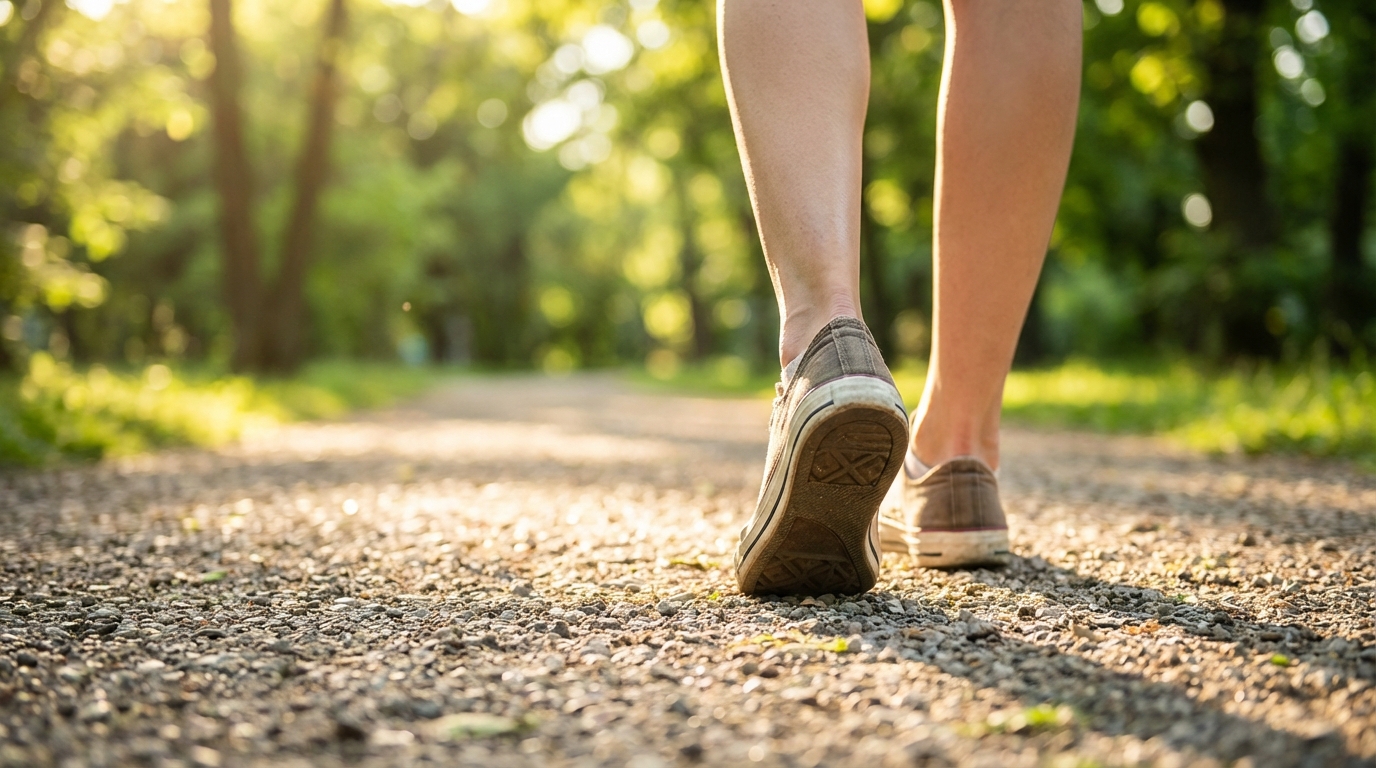
Short walks outside have a quiet but powerful effect on daily energy levels. Even a brief step outdoors can shift alertness, focus, and mental clarity in ways that feel larger than the time spent walking. The boost does not require a workout outfit, special gear, or a long route, which makes this habit easy to fit into busy schedules. Understanding why these short outdoor walks work helps explain how small changes can create steady gains in energy.
The Link Between Movement and Alertness
Human bodies are designed to move, and gentle movement wakes up many systems at once. When walking begins, muscles demand more oxygen, and the heart responds by pumping blood more efficiently. This increased circulation helps deliver oxygen and nutrients to the brain, which supports alert thinking. Even at a slow pace, this process can lift feelings of sluggishness.
Short walks are especially effective because they avoid the fatigue that can come from longer or harder exercise. The goal is stimulation, not exhaustion. A few minutes of walking can interrupt long periods of sitting, which are known to dull energy and focus. This interruption acts like a reset button for both body and mind.
Why Being Outside Matters More Than Distance
Walking indoors can be helpful, but being outside adds layers of benefit that indoor spaces cannot fully match. Outdoor environments provide natural light, fresh air, and varied sensory input. These elements work together to gently stimulate the nervous system. The result is often a clearer sense of alertness compared to walking the same distance indoors.
Nature also introduces small changes in terrain, temperature, and sound. These changes keep the brain engaged without overwhelming it. The brain responds by increasing attention and awareness, which many people interpret as feeling more awake. This explains why even a short loop around the block can feel refreshing.
The Role of Natural Light in Energy Levels
Natural light plays a major role in how alert a person feels during the day. Exposure to daylight helps regulate the body’s internal clock, also known as the circadian rhythm. When eyes detect sunlight, the brain receives signals that it is time to be awake and attentive. This process supports steady energy rather than sharp spikes.
Short outdoor walks increase light exposure, especially for people who spend much of the day indoors. Even on cloudy days, outdoor light is often brighter than indoor lighting. This extra brightness helps reduce feelings of sleepiness and mental fog. Over time, regular daylight exposure can improve daytime alertness.
Morning Light and Early Energy
Morning light is especially powerful for setting the tone of the day. A short walk outside in the morning helps signal to the brain that the day has begun. This signal supports the natural release of hormones linked to alertness. As a result, energy levels may rise earlier and stay more stable.
This effect does not require a long walk or fast pace. Just a few minutes outside can deliver enough light to make a difference. Consistent morning exposure can also support better sleep patterns at night, which further improves daytime energy.
Fresh Air and Brain Function
Fresh air is often described as energizing, and there are practical reasons for this feeling. Outdoor air tends to have higher oxygen levels and fewer indoor pollutants. Breathing this air supports efficient oxygen exchange in the lungs. Better oxygen delivery helps the brain maintain alertness.
Indoor spaces can trap carbon dioxide, especially in crowded or poorly ventilated rooms. Higher carbon dioxide levels are linked to drowsiness and reduced focus. Stepping outside for a short walk can quickly change the air being inhaled. This change may help explain the quick lift in mental energy.
Attention Restoration and Mental Energy
Mental energy is not only physical; it is also tied to attention. Tasks that require focus can drain attention over time, leading to mental fatigue. Outdoor environments support a process called attention restoration. This process allows the brain to recover from directed focus.
Natural scenes gently hold attention without demanding effort. Trees, clouds, and moving shadows provide soft points of interest. While walking outside, the brain can rest from constant decision-making. This rest helps restore the ability to concentrate afterward.
Why Simple Outdoor Views Work Best
Simple outdoor views are often more effective than busy or loud settings. A quiet street, park path, or sidewalk with greenery allows the mind to relax. The absence of screens and notifications reduces mental strain. This calm engagement supports a renewed sense of energy.
Even urban settings can offer restorative elements. Sky views, plants, and changing light patterns all contribute. The key factor is stepping away from intense mental demands. Short walks create this break without disrupting the day.
The Mood-Energy Connection
Mood and energy are closely connected, and short outdoor walks influence both. Walking releases endorphins, which are chemicals linked to positive feelings. Being outside can also reduce stress hormones like cortisol. Together, these changes support a lighter mood.
A better mood often feels like more energy. When stress decreases, the body uses less energy on tension and worry. This leaves more available for attention and activity. Even brief walks can create this shift.
How Short Is “Short” for an Energy Boost
Short walks do not need to be long to be effective. Many benefits appear within five to fifteen minutes of walking outside. This time frame fits easily into breaks, transitions, or gaps between tasks. The consistency of walking matters more than the length.
Short walks are easier to repeat throughout the day. Multiple brief walks can support steady energy without causing fatigue. This approach also reduces barriers, making it more likely that the habit will stick. The result is a reliable source of alertness.
Walking Pace and Energy Response
The pace of a short walk influences how the body responds. A comfortable, natural pace is often enough to raise alertness. Walking too fast may lead to breathlessness, which can feel draining. Walking too slowly may not provide enough stimulation.
A moderate pace allows conversation without strain. This level of effort increases heart rate slightly and supports circulation. The body receives a clear signal to wake up without stress. This balance supports mental clarity.
Environmental Variety and Sensory Input
Outdoor environments offer varied sensory input that indoor spaces lack. Changes in light, temperature, sound, and texture keep the senses engaged. This engagement prevents the dullness that can come from repetitive surroundings. The brain responds with increased alertness.
Even familiar routes provide small variations each day. Weather shifts, seasonal changes, and passing activity all add novelty. This novelty stimulates curiosity without overwhelming the senses. Short walks capture these benefits efficiently.
Short Walks and Blood Sugar Stability
Energy levels are influenced by blood sugar regulation. Sitting for long periods can lead to blood sugar spikes and drops. Gentle walking helps muscles use glucose more effectively. This process supports steadier energy.
Short walks after meals are especially helpful. They assist the body in managing blood sugar levels without intense exercise. This can reduce the mid-afternoon slump many people experience. Stable blood sugar supports consistent alertness.
Workday Breaks and Mental Reset
During the workday, energy often dips due to prolonged focus and screen time. Short outdoor walks act as effective breaks. They separate work blocks and reduce mental overload. Returning to tasks after a walk often feels easier.
These breaks do not need to be disruptive. A loop around the building or a walk to the end of the street can be enough. The key is stepping outside and moving. This simple reset supports sustained productivity.
Replacing Passive Breaks with Active Ones
Passive breaks, such as scrolling on a phone, may not restore energy. They often keep the brain in a state of information processing. Active breaks like walking shift the brain into a different mode. This shift supports recovery.
Outdoor walking combines movement with environmental change. This combination is more effective than staying seated. Over time, choosing active breaks can lead to better daily energy patterns. The habit reinforces itself through noticeable benefits.
The Impact of Nature on Stress Response
Stress drains energy by keeping the body in a heightened state of alert. Outdoor environments, especially those with natural elements, help calm the stress response. Heart rate and muscle tension often decrease during a short walk. This relaxation conserves energy.
Lower stress allows the brain to allocate resources more efficiently. Instead of managing tension, it can focus on thinking and awareness. This efficiency feels like increased energy. Short walks provide a practical way to access this effect.
Seasonal Considerations and Energy
Energy levels often change with the seasons due to shifts in daylight and temperature. Short outdoor walks help counter these changes. In darker months, they increase exposure to available daylight. In warmer months, they provide gentle activity without overheating.
Adapting walk timing to the season can enhance benefits. Midday walks in winter capture the brightest light. Early morning or evening walks in summer avoid heat stress. These adjustments keep energy support consistent year-round.
Safety and Comfort for Short Outdoor Walks
Feeling safe and comfortable supports the energizing effect of walking. Choosing familiar routes and appropriate clothing reduces distraction and stress. Comfortable shoes and weather-appropriate layers make walking more enjoyable. Enjoyment increases the likelihood of regular walks.
Awareness of surroundings is important, but it does not need to be tense. Calm attention supports relaxation and alertness at the same time. When safety concerns are managed, the walk can focus on restoration. This balance supports energy gains.
Practical Ways to Add Short Walks to Daily Life
Short outdoor walks fit easily into many routines. They can be added before work, during breaks, or after meals. The flexibility makes them accessible across different schedules. Planning small windows helps turn intention into action.
Below are practical moments when short walks naturally fit into the day.
- Taking a five-minute walk before starting morning tasks.
- Stepping outside during lunch or a mid-afternoon break.
- Walking after meals to support digestion and energy.
- Using transitions between tasks as a cue to walk.
These moments already exist in most schedules. Using them for short walks avoids the need for extra time. Over days and weeks, these small choices add up. The steady effect supports reliable alertness.
Why Consistency Matters More Than Intensity
Consistency allows the body to adapt and respond more efficiently. Regular short walks train the nervous system to recover energy quickly. This pattern builds resilience against fatigue. Intensity is less important than repetition.
High-intensity activity has its place, but it is not required for daily energy support. Short, consistent walks are gentle enough to maintain. They create a dependable rhythm of movement and restoration. This rhythm supports long-term alertness.
Outdoor Walks and Creative Thinking
Energy is not only about staying awake; it also supports creative thinking. Short outdoor walks have been linked to improved idea generation. The relaxed attention state encourages new connections. This mental freshness feels energizing.
Creative tasks benefit from a break in focused effort. Walking outside provides that break without disengaging the mind completely. Thoughts can wander productively. Returning from the walk often brings renewed mental energy.
Individual Differences in Energy Response
People respond differently to short outdoor walks. Factors like fitness level, sleep quality, and stress influence the effect. Some may feel an immediate boost, while others notice gradual changes. Both responses are valid.
Paying attention to timing and duration helps tailor the habit. Adjusting pace or route can improve results. The flexibility of short walks allows personalization. This adaptability supports consistent energy benefits.
Scientific Perspectives on Brief Outdoor Activity
Research in physiology, psychology, and environmental health supports the benefits of brief outdoor activity. Studies show improvements in mood, attention, and perceived energy after short walks. These effects appear across age groups. The findings align with everyday experiences.
The combination of movement, light, and environment explains the broad impact. No single factor works alone. Short outdoor walks bring these factors together in a simple form. This integration makes the energy boost reliable and accessible.
How Short Walks Support Long-Term Energy Patterns
Daily energy patterns are shaped by repeated behaviors. Short outdoor walks contribute to healthier rhythms over time. They support better sleep, mood stability, and attention. These changes reinforce daytime alertness.
Rather than acting as a quick fix, short walks build a foundation. The body learns to recover energy efficiently. This learning reduces reliance on stimulants. The result is steadier, more natural alertness throughout the day.