
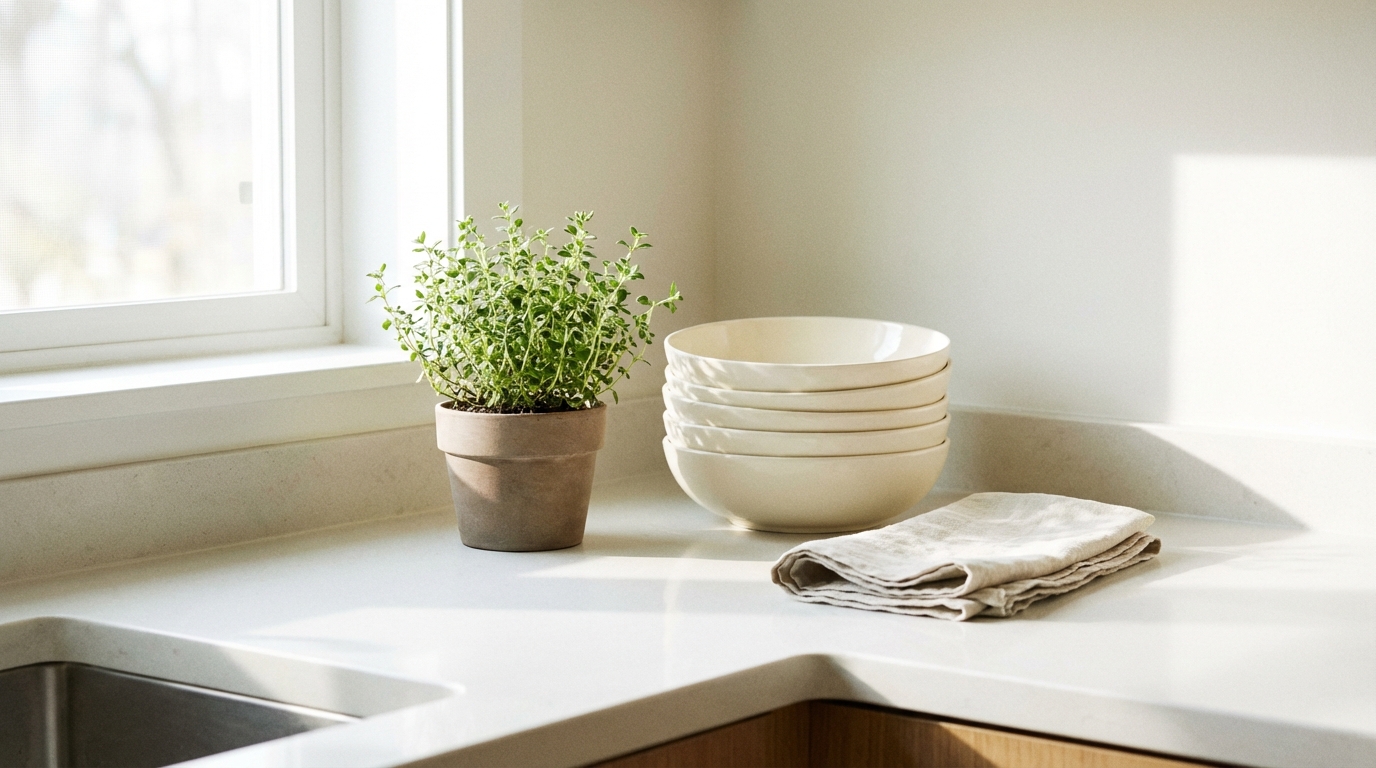
Regular cleaning is often described as a way to keep a home looking nice, but its real value goes much deeper. Small, steady cleaning habits stop dirt, clutter, and grime from growing into larger problems that take more time, money, and effort to fix. When cleaning is done in short, simple steps, it becomes part of everyday life instead of a stressful event. This approach helps indoor spaces stay healthier, safer, and easier to manage.
Many bigger messes do not appear overnight. They usually build slowly as small spills, dust, and clutter are ignored. By understanding how messes grow and how regular cleaning interrupts that process, it becomes clear why small habits matter. Indoor environments especially benefit from steady care because they are used every day and affect comfort, focus, and health.
How Messes Grow Over Time
Messes tend to start small, often in ways that seem harmless at first. A few crumbs on the counter, a light layer of dust on shelves, or shoes left by the door may not feel urgent. Over time, these small issues attract more dirt and create patterns that are harder to break. What began as a minor task can turn into a major cleaning project.
When messes are left alone, they often spread. Dust moves through the air and settles on new surfaces, while clutter makes it harder to clean around objects. This creates a cycle where cleaning feels more difficult, which leads to more delays. Regular cleaning breaks this cycle early, keeping messes small and manageable.
The Compounding Effect of Dirt and Clutter
Dirt and clutter have a compounding effect, meaning they build on themselves. Dust sticks more easily to dirty surfaces, and cluttered areas trap more debris. As layers form, cleaning requires stronger products, more tools, and more time. This can discourage people from starting at all.
By cleaning regularly, surfaces stay smoother and clearer. Dirt has less to cling to, and clutter never gets the chance to pile up. This makes each cleaning session faster and less tiring, which encourages consistency.
Time Savings Through Small Cleaning Habits
One of the biggest benefits of regular cleaning is the amount of time it saves in the long run. Cleaning for a few minutes each day is often easier than setting aside hours for a deep clean. Small habits fit more easily into busy schedules and reduce the feeling of being overwhelmed.
When cleaning is delayed, tasks become more complex. Stains set, grime hardens, and clutter needs sorting before cleaning can even begin. Regular attention keeps tasks simple, often requiring nothing more than a quick wipe or sweep.
Daily Minutes Versus Weekend Marathons
Short daily cleaning sessions prevent the need for long weekend cleaning marathons. A quick wipe of kitchen counters or a fast sweep of high-traffic areas can take less than ten minutes. These small actions keep spaces under control throughout the week.
Weekend cleaning sessions can then focus on lighter maintenance instead of heavy scrubbing. This leaves more free time for rest or other activities, reducing stress and fatigue linked to household chores.
Health Benefits of Regular Indoor Cleaning
Indoor environments directly affect health, especially because people spend so much time inside. Dust, allergens, and germs can build up quickly when cleaning is ignored. Regular cleaning reduces these risks by removing harmful particles before they spread.
Clean surfaces and floors help limit exposure to allergens like pet dander and pollen. This is especially important for children, older adults, and people with allergies or asthma. Small cleaning habits support a healthier living space for everyone.
Reducing Germs and Bacteria
High-touch surfaces such as doorknobs, light switches, and remote controls can carry germs. When these areas are cleaned often, the spread of illness can be reduced. This does not require heavy disinfecting every time, but regular wiping makes a difference.
Bathrooms and kitchens are especially important because they deal with moisture and food. Regular cleaning in these spaces helps control bacteria and mold before they become visible or harmful.
The Mental Impact of a Clean Space
Messy indoor spaces can affect mood, focus, and stress levels. Clutter often creates visual noise, making it harder to relax or concentrate. Regular cleaning keeps spaces calm and organized, which supports mental well-being.
When cleaning is part of a routine, it reduces the mental load of constantly thinking about unfinished tasks. Knowing that messes are handled regularly brings a sense of control and predictability.
Decision Fatigue and Visual Clutter
Clutter forces the brain to process more information at once. Each item in view competes for attention, which can lead to decision fatigue. This makes even simple choices feel harder over time.
Regular cleaning reduces visual clutter by keeping items in their places. This creates a clearer environment that supports focus, especially in home offices or study areas.
Protecting Indoor Surfaces and Materials
Indoor surfaces are designed to last, but only when they are properly cared for. Dirt, spills, and moisture can slowly damage materials like wood, tile, and fabric. Regular cleaning removes harmful substances before they cause lasting damage.
Preventive cleaning helps preserve the look and function of furniture, flooring, and fixtures. This reduces the need for repairs or replacements, which can be costly and disruptive.
Preventing Stains and Wear
Spills that are cleaned quickly are far less likely to leave stains. Liquids can soak into carpets and upholstery if left too long, making them harder to remove. Regular attention prevents these issues.
Dirt and grit on floors can act like sandpaper, slowly wearing down surfaces. Sweeping and vacuuming regularly reduce this damage and extend the life of flooring materials.
Why Kitchens Benefit from Frequent Cleaning
The kitchen is one of the most used indoor spaces, making it especially prone to messes. Cooking creates crumbs, spills, and grease that can quickly build up. Regular cleaning keeps these issues from becoming overwhelming.
A clean kitchen also supports food safety. When surfaces are wiped often, there is less risk of cross-contamination and pest problems.
Managing Grease and Food Residue
Grease can spread easily from stovetops to cabinets and walls. If left alone, it becomes sticky and attracts more dirt. Regular wiping keeps grease from hardening and becoming difficult to remove.
Food residue left on counters or floors can attract insects. Small cleaning habits, like wiping after meals, help prevent these problems before they start.
Bathrooms and Moisture Control
Bathrooms deal with constant moisture, which makes them vulnerable to mold and mildew. Regular cleaning and drying help control these issues. Small habits can make a big difference in keeping bathrooms fresh.
Ignoring bathroom cleaning often leads to stubborn buildup on tiles, fixtures, and grout. Frequent light cleaning prevents the need for harsh scrubbing later.
Stopping Mold Before It Spreads
Mold thrives in damp environments, especially when surfaces are not cleaned often. Wiping down showers and sinks helps remove moisture and soap residue. This makes it harder for mold to grow.
Ventilation and regular cleaning work together to keep bathrooms healthier. Small efforts done often are more effective than occasional deep cleans.
Living Areas and Everyday Use
Living rooms and shared spaces collect dust, clutter, and everyday messes. These areas are often the first things guests notice. Regular cleaning keeps them welcoming and comfortable.
Because these spaces are used for relaxation, cleanliness also affects how enjoyable they feel. A tidy room is easier to enjoy and maintain.
Managing Clutter in Shared Spaces
Clutter builds quickly in shared areas because many people use them. Items are often set down with the intention of moving them later. Regular tidying prevents these items from becoming permanent fixtures.
Simple habits like returning items to their place at the end of the day keep clutter under control. This makes cleaning faster and less stressful.
Floors as Mess Collectors
Floors collect dirt from shoes, pets, and daily movement. Because they cover large areas, small amounts of dirt can add up quickly. Regular cleaning keeps floors from becoming a major source of mess.
Clean floors also improve indoor air quality. Dust and debris on the floor can be stirred up and breathed in if not removed regularly.
High-Traffic Areas Need Extra Attention
Entryways, hallways, and kitchens see the most foot traffic. These areas collect more dirt and wear down faster. Regular sweeping or vacuuming helps manage this buildup.
By focusing on high-traffic areas, cleaning efforts stay efficient. This targeted approach prevents dirt from spreading to cleaner parts of the home.
Air Quality and Dust Control
Dust affects more than just how a home looks. It can impact breathing and overall comfort. Regular cleaning reduces the amount of dust circulating indoors.
Dust control is especially important in homes with pets or open windows. Small, frequent cleaning actions keep dust from settling in thick layers.
Simple Habits That Improve Air Quality
Wiping surfaces, vacuuming, and washing fabrics help control dust. These actions remove particles instead of letting them build up. Over time, this leads to cleaner air.
Regular cleaning also supports heating and cooling systems by keeping vents and filters cleaner. This improves system efficiency and comfort.
Tools and Systems That Support Consistency
Regular cleaning is easier when tools are easy to access. Having basic supplies nearby encourages quick action when messes happen. This reduces the temptation to delay cleaning.
Simple systems also help turn cleaning into a habit. When tasks are predictable and manageable, they are more likely to be done consistently.
Keeping Supplies Within Reach
Storing cleaning supplies in key areas saves time. A cloth and spray under the sink or a broom nearby make quick cleanups possible. This removes barriers to regular cleaning.
When supplies are easy to find, cleaning feels less like a chore. This supports small, frequent actions that prevent bigger messes.
Examples of Small Cleaning Habits That Matter
Small cleaning habits are simple actions that take little time but have a big impact. These habits focus on addressing messes right away instead of waiting. Over time, they add up to a cleaner indoor environment.
The following examples show how small actions can prevent larger cleaning tasks later.
- Wiping kitchen counters after each meal
- Putting items back in place at the end of the day
- Sweeping high-traffic floors every few days
- Wiping bathroom sinks and mirrors regularly
- Taking out trash before it overflows
Each of these habits takes only a few minutes. When done consistently, they stop dirt, clutter, and odors from building up. This makes the entire home easier to maintain.
Cleaning in Shared Households
In homes shared by families, roommates, or partners, messes can grow faster. More people means more activity and more opportunities for clutter. Regular cleaning habits help keep shared spaces functional and pleasant.
Consistency is especially important in shared households. When cleaning is part of the daily routine, responsibilities feel more balanced.
Setting Clear Expectations
Clear expectations help prevent messes from being ignored. When everyone understands small daily tasks, cleaning becomes a shared effort. This reduces resentment and confusion.
Simple routines, such as tidying common areas each evening, keep messes from building. This makes larger cleaning sessions less frequent and less stressful.
Cost Savings Through Preventive Cleaning
Regular cleaning can save money over time. Preventing damage to surfaces, appliances, and furniture reduces repair and replacement costs. Small habits protect long-term investments in the home.
Neglected messes often require professional cleaning or new items. Regular care avoids these expenses by addressing issues early.
Extending the Life of Household Items
Appliances work better when they are kept clean. Dust-free vents, clean filters, and wiped surfaces support efficiency. This can extend the life of machines and fixtures.
Furniture and fabrics also last longer with regular care. Removing dirt and spills early prevents permanent damage.
Environmental Benefits of Regular Cleaning
Regular cleaning can also support environmental goals. When messes are managed early, fewer harsh chemicals are needed. Light cleaning often requires less product and water.
Preventive cleaning reduces waste by extending the life of household items. This lowers the need for replacements and reduces overall consumption.
Using Less Through Consistency
Heavy buildup often requires strong cleaners and repeated applications. Regular cleaning keeps surfaces in good condition, allowing for gentler products. This benefits both indoor air quality and the environment.
Consistent habits encourage mindful use of supplies. This leads to less waste and more sustainable indoor care.
Seasonal Changes and Indoor Messes
Different seasons bring different types of messes indoors. Weather, clothing, and activities all affect how dirt enters the home. Regular cleaning helps adapt to these changes.
By adjusting habits slightly with the seasons, messes stay manageable year-round. This prevents sudden buildup during busy or messy times.
Adapting Habits Throughout the Year
Rain and snow often bring extra dirt and moisture indoors. Regular floor cleaning during these times prevents damage and odors. Small adjustments keep spaces comfortable.
Warmer seasons may bring more dust and pollen. Frequent light cleaning helps control these elements and supports comfort.
Overcoming Common Barriers to Regular Cleaning
Many people struggle with regular cleaning due to time, energy, or motivation. These barriers can make cleaning feel overwhelming. Small habits help lower these obstacles.
By breaking tasks into short actions, cleaning feels more achievable. This encourages consistency and reduces avoidance.
Making Cleaning Feel Manageable
Short, focused cleaning sessions are easier to start. Even five minutes can make a noticeable difference. This builds momentum over time.
When cleaning is seen as maintenance instead of a major task, it becomes less intimidating. This mindset supports long-term habits that prevent bigger messes.