
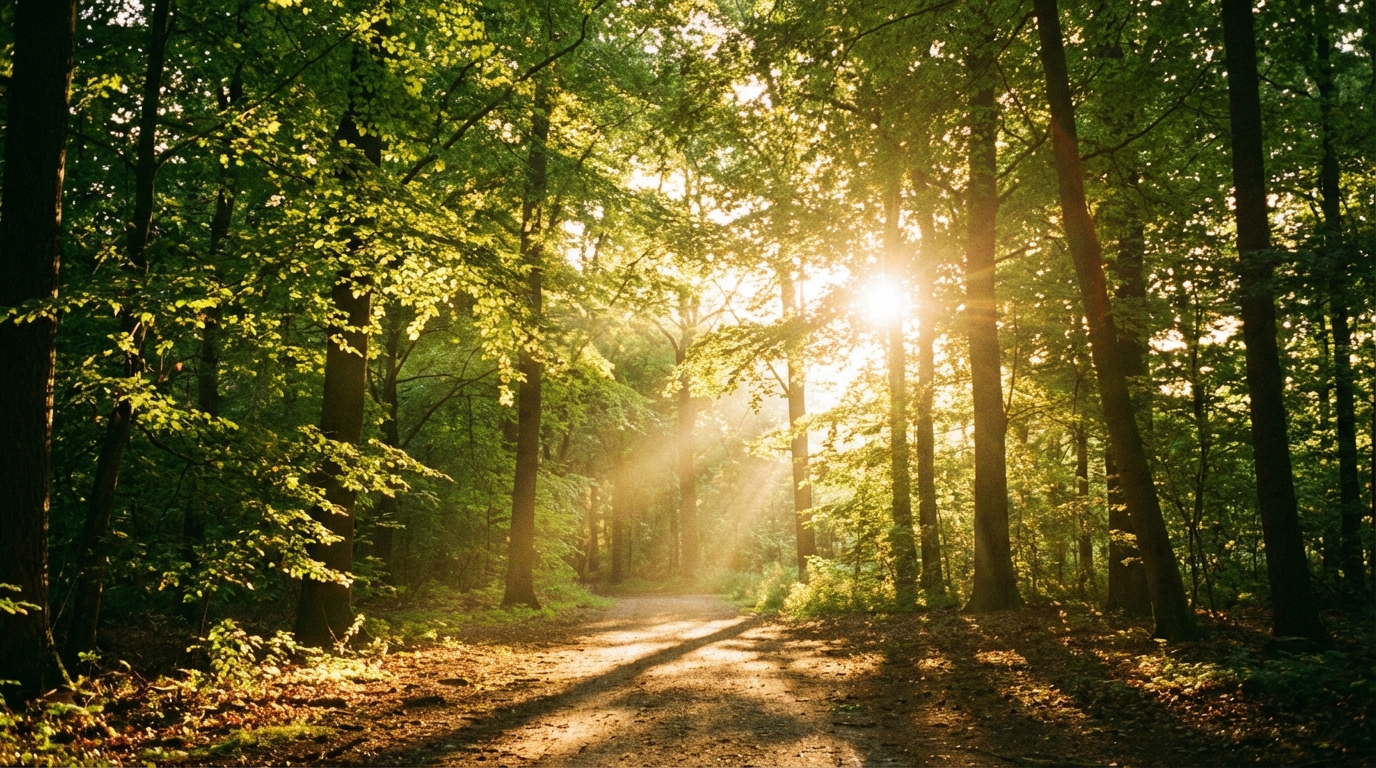
Outdoor light plays a central role in how the human body organizes sleep and wake time. Every day, the rising and setting of the sun sends signals that guide internal clocks, helping people feel alert during the day and sleepy at night. These signals are not subtle; they affect hormones, body temperature, and even how the brain processes information. Understanding how daylight supports sleep cycles makes it easier to see why time spent outdoors often leads to better rest.
Sleep patterns are not shaped by nighttime alone. The quality and timing of light exposure during the day can strongly influence how easily someone falls asleep, how deep that sleep becomes, and how refreshed they feel in the morning. Outdoor light is especially powerful because it is brighter and more dynamic than most indoor lighting. This article explores how daylight works with the body’s natural systems to support healthy sleep patterns.
The Biology of Sleep and Light
Sleep is regulated by a combination of biological systems that respond to both internal needs and external cues. One of the most important external cues is light, especially natural light from the sun. Outdoor light helps set the timing of sleep by interacting with specialized cells in the eyes that communicate directly with the brain. These signals help align daily behavior with the natural day-night cycle.
When light exposure follows a consistent pattern, the body can predict when it should be awake and when it should rest. Disruptions to this pattern, such as irregular light exposure or limited daylight, can confuse the system. This confusion may lead to trouble falling asleep, waking up too early, or feeling tired during the day. Outdoor daylight helps keep these systems synchronized.
Circadian Rhythm Basics
The circadian rhythm is the body’s internal clock that runs on roughly a 24-hour cycle. It influences sleep, alertness, digestion, and many other processes. This rhythm is not perfectly timed on its own and depends on signals from the environment to stay aligned. Daylight is the strongest of these signals.
Specialized light-sensitive cells in the retina detect brightness and send information to a region of the brain that acts as the master clock. When this clock receives regular daylight signals, it stays in sync with the actual time of day. Outdoor light, especially in the morning, helps reset the circadian rhythm each day, keeping sleep patterns stable.
Hormones and Light
Light exposure affects the release of key hormones involved in sleep, particularly melatonin and cortisol. Melatonin is often called the sleep hormone because it rises in the evening and promotes drowsiness. Exposure to daylight during the day helps ensure that melatonin stays low until night, when it can rise naturally.
Cortisol, a hormone linked to alertness, typically peaks in the morning. Morning outdoor light supports this natural rise, helping people feel awake and focused. When daylight exposure is limited or poorly timed, these hormonal patterns can become weaker or mistimed, which may disrupt sleep.
Morning Daylight and Sleep Timing
Morning outdoor light has a particularly strong influence on sleep patterns. Light exposure soon after waking tells the brain that a new day has begun. This signal helps shift the circadian rhythm earlier, making it easier to feel sleepy at night. Without sufficient morning light, the internal clock may drift later.
People who spend time outdoors in the morning often report feeling more alert during the day and more ready for sleep in the evening. This effect is not limited to sunny days; even cloudy outdoor light is much brighter than most indoor environments. Consistent morning daylight can support a stable sleep schedule.
Phase Advancement and Bedtime
In sleep science, a “phase advance” means shifting the sleep cycle earlier. Morning outdoor light is one of the most effective ways to create this shift. When the eyes receive bright light early in the day, the brain adjusts the timing of sleep-related processes.
This adjustment can make it easier to fall asleep at a reasonable hour. For people who struggle with late bedtimes, regular morning light exposure may gradually move sleep earlier. Over time, this can lead to longer and more consistent sleep.
Intensity and Duration of Exposure
The strength of the light signal matters. Outdoor light is measured in lux, and even on an overcast day it can be many times brighter than typical indoor lighting. Short periods outside can deliver a strong signal, but longer exposure can be even more effective.
Spending 20 to 60 minutes outdoors in the morning can provide meaningful benefits for sleep timing. Activities like walking, gardening, or commuting on foot can naturally increase exposure. The key factor is being in open daylight rather than behind glass.
Daylight Spectrum and the Outdoors
Sunlight is made up of many wavelengths, creating a full spectrum of light. This natural mix plays an important role in how the body responds to light. Outdoor daylight changes in color and intensity throughout the day, providing time cues that artificial lighting often lacks.
The outdoor environment also offers gradual transitions between light and dark. These smooth changes help the brain anticipate shifts in alertness and rest. Indoor lighting, by contrast, is often static and less informative to the circadian system.
The Role of Blue Light in Nature
Blue wavelengths of light are especially effective at influencing the circadian rhythm. Natural daylight contains blue light, particularly in the morning and midday. This exposure helps suppress melatonin and promote alertness when it is most needed.
In outdoor settings, blue light is balanced with other wavelengths and delivered at appropriate times. This balance helps the body respond in a healthy way. Problems tend to arise not from blue light itself, but from exposure at the wrong times, such as late at night.
Natural Variability Across the Day
One unique feature of outdoor light is its variability. The angle of the sun, cloud cover, and reflections all change throughout the day. These variations provide rich information to the visual system and the brain.
As the day progresses toward evening, outdoor light becomes warmer and dimmer. This natural shift supports the body’s transition toward rest. Spending time outside allows the circadian system to experience these cues more fully.
Seasonal Changes in Daylight
Daylight is not the same throughout the year. Changes in season alter both the length of the day and the timing of sunrise and sunset. These changes can influence sleep patterns, especially in regions with large seasonal differences.
The body can adapt to seasonal shifts when it receives regular outdoor light exposure. Problems may arise when modern lifestyles limit time outdoors, reducing the information available to the circadian system. Understanding seasonal light patterns can help explain changes in sleep across the year.
Longer Days in Summer
During summer, longer daylight hours can lead to later sunsets. Evening light may delay the rise of melatonin, making it harder to feel sleepy early. Outdoor activities late in the day can increase this effect.
At the same time, earlier sunrises provide strong morning light that can help balance the system. Spending time outdoors early in the day can support healthy sleep even during long summer days. Consistent routines become especially important during this season.
Shorter Days in Winter
In winter, daylight hours are shorter and often weaker. Some people may struggle to get enough outdoor light, especially in the morning. This reduced exposure can lead to later sleep timing and increased sleepiness.
Making an effort to go outside during daylight hours can help counter these effects. Even brief outdoor exposure during lunch or early afternoon can support the circadian rhythm. Natural winter light still provides valuable signals to the brain.
Outdoor Light Compared to Indoor Light
Indoor lighting is designed for comfort and convenience, not for circadian signaling. Most indoor environments are much dimmer than the outdoors, even when lights are turned on. This difference has important effects on sleep regulation.
Spending most of the day indoors can weaken the contrast between day and night. When daytime light is too dim, the body may not clearly recognize when it is time to be awake. Outdoor light helps restore this contrast.
Windows, Glass, and Light Filtering
Light that passes through windows is reduced in intensity and altered in spectrum. Many types of glass block certain wavelengths, including some that are important for circadian signaling. As a result, sitting near a window is not the same as being outdoors.
While window light is better than no daylight at all, it may not provide a strong enough signal for some people. Direct outdoor exposure allows the eyes to receive the full intensity and range of natural light. This difference can matter for sleep timing.
The Built Environment and Daily Routines
Modern buildings often limit access to natural light. Offices, schools, and homes may rely heavily on artificial lighting. This can reduce opportunities for meaningful daylight exposure during the day.
Outdoor breaks and activities can help offset these limitations. Simple changes, such as walking outside during breaks or choosing outdoor tasks, can increase daylight exposure. These habits support healthier sleep patterns over time.
Age and Individual Differences
People of different ages respond to light in different ways. Sensitivity to light, sleep needs, and daily schedules all change across the lifespan. Outdoor light remains important at every age, but its effects may vary.
Individual differences also play a role. Genetics, lifestyle, and health conditions can influence how strongly someone responds to daylight. Recognizing these differences helps explain why outdoor light affects sleep differently from person to person.
Children and Teenagers
Children generally have strong responses to light and tend to wake early when exposed to morning daylight. Regular outdoor play during the day supports healthy sleep patterns. It also helps establish routines that align with natural light cycles.
Teenagers often experience a natural shift toward later sleep times. Morning outdoor light can help counter this delay by advancing the circadian rhythm. School schedules and outdoor morning activities may influence sleep quality in this age group.
Adults and Older Individuals
In adulthood, work and family responsibilities often shape light exposure. Spending most of the day indoors can limit daylight intake. Making time for outdoor light can help maintain consistent sleep.
Older adults may experience reduced sensitivity to light and earlier sleep timing. Bright outdoor light during the day can strengthen circadian signals and improve sleep quality. This exposure may also support daytime alertness.
Physical Activity Outdoors and Sleep
Outdoor light often comes with physical activity, such as walking or working outside. Physical movement and daylight together can have a combined effect on sleep. This combination supports both the body clock and overall health.
Exercise itself can influence sleep, but when paired with outdoor light, the effects may be stronger. The timing and intensity of activity also matter. Outdoor routines can help reinforce daily rhythms.
Timing of Outdoor Exercise
Morning or early afternoon outdoor exercise can support earlier sleep timing. The added light exposure reinforces daytime alertness. This can make it easier to feel tired at night.
Evening outdoor exercise may delay sleep if it extends into bright daylight hours. However, gentle activity earlier in the evening, as light levels decrease, may have less impact. Understanding timing helps balance activity and rest.
Stress, Mood, and Light
Outdoor light exposure is linked to improved mood and reduced stress for many people. Lower stress levels can make it easier to fall asleep and stay asleep. Natural environments often enhance these benefits.
Daylight exposure may support the regulation of neurotransmitters involved in mood. By supporting emotional well-being during the day, outdoor light can indirectly improve sleep at night. This connection highlights the broad influence of daylight.
Geography and Latitude
Where someone lives affects the amount and timing of outdoor light they receive. Latitude influences day length, sun angle, and seasonal variation. These factors shape sleep patterns across populations.
People living in different regions may need different strategies to manage light exposure. Understanding geographic influences helps explain variations in sleep timing and duration. Outdoor light remains a key factor in all locations.
Equatorial Regions
Near the equator, day length remains fairly constant throughout the year. This consistency provides stable light cues for the circadian rhythm. Sleep patterns in these regions may be less affected by seasonal changes.
Regular outdoor exposure supports this stability. Daily routines can align closely with sunrise and sunset. This alignment may contribute to more consistent sleep cycles.
High Latitude Regions
At higher latitudes, daylight varies greatly between summer and winter. Long summer days and short winter days can challenge the circadian system. Outdoor light exposure becomes especially important for maintaining sleep health.
In winter, limited daylight may require intentional outdoor time during available hours. In summer, managing evening light exposure may help protect sleep. The natural environment strongly shapes sleep patterns in these regions.
Practical Ways to Use Outdoor Light
Daily habits can increase exposure to beneficial outdoor light without major lifestyle changes. Small adjustments to routines can support the circadian rhythm and improve sleep patterns. These approaches focus on timing, consistency, and natural exposure.
The following ideas highlight common ways people can interact with daylight as part of everyday life.
- Spending time outdoors within the first hour after waking.
- Taking short outdoor breaks during work or school hours.
- Choosing outdoor activities for exercise or leisure.
- Eating meals outside when weather allows.
- Reducing reliance on indoor lighting during daylight hours.
These habits increase the contrast between day and night, which is essential for healthy sleep cycles. Regular outdoor light exposure does not require long periods outside to be effective. Consistency across days often matters more than duration on a single day.
Weather, location, and personal schedules may limit outdoor time on some days. Even under these conditions, brief exposure to natural light can still provide benefits. Making daylight a regular part of daily life supports sleep patterns in a natural and sustainable way.