
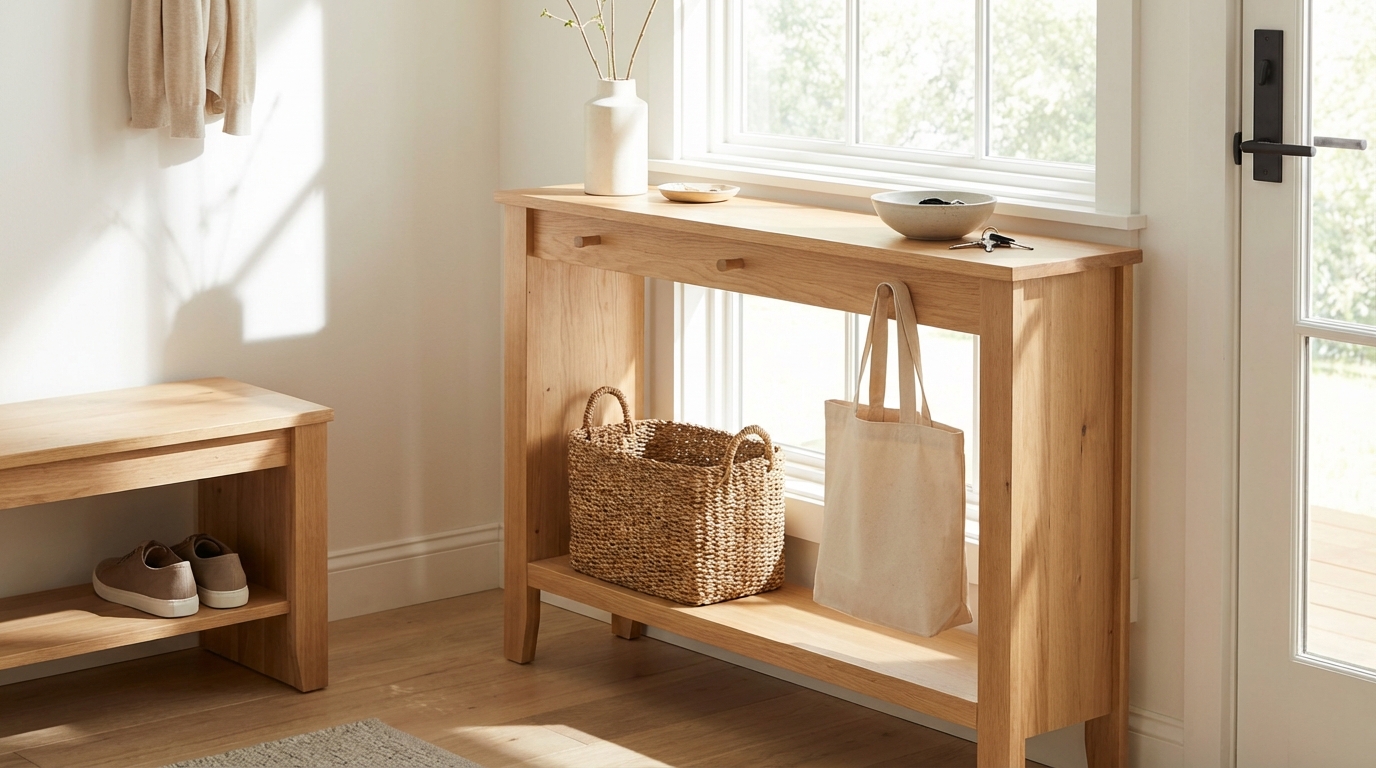
Entryways are the first and last spaces used each day, yet they are often overlooked when it comes to organization. Shoes pile up, keys disappear, and bags end up in random rooms. These small problems create daily delays that add up over time. An organized entryway keeps essential items visible and easy to reach, reducing stress and saving minutes during busy mornings and evenings.
The Role of Entryways in Daily Routines
An entryway acts as a transition zone between the outdoors and the rest of the home. It supports daily routines by holding items that are needed right before leaving and right after returning. When this space is organized, it becomes a reliable launch point instead of a bottleneck. The fewer decisions and searches required here, the smoother the rest of the day tends to feel.
Many time-saving habits start at the door, including grabbing keys, slipping on shoes, or setting down a bag. When these actions are supported by clear storage and simple layouts, they happen almost automatically. Over time, this reduces late departures and rushed exits. The entryway quietly shapes how efficiently each day begins and ends.
How Clutter in Entryways Wastes Time
Clutter in an entryway often leads to repeated searching for the same items. Keys get buried under mail, shoes get separated from their pairs, and bags get moved from place to place. Each search may take only a minute or two, but the frustration builds quickly. Over weeks and months, this lost time becomes significant.
A cluttered space also slows decision-making. Too many items competing for attention make it harder to spot what is actually needed. This can lead to forgetting important items and making return trips back inside. Clear surfaces and defined storage reduce visual noise and support faster choices.
Core Principles of an Organized Entryway
Effective entryway organization relies on a few simple principles that guide how items are stored and used. These principles focus on visibility, consistency, and accessibility. When combined, they create a system that supports quick actions without extra thought. The goal is not perfection, but reliability.
Visibility
Items that are used every day should be easy to see at a glance. Visibility reduces the need to open drawers or dig through containers. Hooks, open shelves, and shallow trays support this by keeping items in plain sight. When objects are visible, the brain processes their location faster.
Clear sight lines also help prevent over-accumulation. When storage areas are full and visible, it becomes obvious when something does not belong. This encourages quick adjustments instead of long cleanup sessions. Visibility supports both speed and long-term order.
Consistency
Consistency means storing the same item in the same place every time. This reduces the mental effort needed to remember where things go. Over time, the habit becomes automatic, saving seconds with each use. Consistent placement is especially helpful for items like keys and wallets.
Households with multiple people benefit greatly from consistency. When everyone follows the same system, items are easier to locate even if someone else used them last. Clear expectations reduce confusion and repeated questions. Consistency turns organization into a shared routine.
Accessibility
Accessibility focuses on how easily items can be reached without moving other objects. Storage that requires bending, stacking, or lifting slows things down. Easy-to-reach hooks and shelves support faster exits and returns. The best systems match storage height and depth to how items are used.
Accessibility also considers physical comfort. Seating for putting on shoes or space to set down bags makes actions smoother. When movement feels easy, routines feel faster. Small design choices can have a noticeable impact on daily timing.
Creating Zones for Daily Items
Dividing an entryway into clear zones helps group related items together. Each zone supports a specific action, such as leaving the house or unloading belongings. Zoning reduces overlap and prevents items from spreading into other areas. Clear zones make the space easier to understand and use.
Key and Wallet Zone
A dedicated spot for keys and wallets is one of the most effective time-saving choices. Hooks, bowls, or wall-mounted trays keep these items from wandering. Placing this zone near the door supports a quick grab on the way out. The fewer steps involved, the better.
This zone works best when it is limited to essentials. Extra items create confusion and slow down searches. Keeping the area small and focused supports faster recognition. A simple setup is often the most reliable.
Shoe Zone
Shoes are often the largest source of entryway clutter. A defined shoe zone keeps pairs together and prevents tripping hazards. Open racks or low shelves make it easy to see options and grab what is needed. This speeds up departures, especially during busy mornings.
Limiting the number of shoes stored here also saves time. Only current, everyday pairs need to be within reach. Seasonal or rarely used shoes can be stored elsewhere. Fewer choices mean faster decisions.
Bag and Backpack Zone
Bags and backpacks benefit from their own hooks or shelves. Hanging storage prevents items from collapsing onto the floor. This keeps straps visible and easy to grab. When bags have a clear home, they are less likely to be forgotten.
This zone also supports unloading routines. Placing bags here consistently makes it easier to check for needed items later. It reduces the chance of leaving important belongings behind. Clear placement supports both arrival and departure.
Outerwear Zone
Coats, jackets, and hats need space to breathe and stay accessible. Hooks at different heights can support both adults and children. When outerwear is easy to reach, layering up becomes faster. This is especially helpful during colder months.
Keeping this zone limited to current-season items saves time. Out-of-season coats can make the area crowded and slow. Rotating items keeps the zone functional and easy to scan. A focused selection supports quick choices.
Mail and Small Items Zone
Mail, sunglasses, and small accessories often create clutter if left unmanaged. A small tray or wall organizer can contain these items. This prevents them from spreading across surfaces. When items have a boundary, they are easier to locate.
This zone benefits from regular clearing. Old mail and unused items slow down searches. A quick review every few days keeps the area usable. Simple habits prevent buildup and save time.
Storage Solutions That Support Speed
Not all storage solutions save time. The best options support quick access and easy return. Choosing storage with speed in mind helps maintain organization without extra effort. Function matters more than style in this space.
Hooks and Pegs
Hooks are one of the fastest storage options available. They allow items to be hung and retrieved in a single motion. This is ideal for keys, bags, and jackets. Hooks also keep items visible and off the floor.
Placement matters for effectiveness. Hooks should be mounted at comfortable heights and spaced to avoid tangling. When used thoughtfully, they support fast, repeatable actions. Simple hardware can make a big difference.
Trays and Bowls
Trays and bowls provide a quick drop zone for small items. They prevent objects from spreading across surfaces. This keeps items contained and easy to find. A shallow container works best for visibility.
These solutions are flexible and easy to adjust. They can be moved or resized as needs change. This adaptability supports long-term use. A small container can save many minutes of searching.
Shelving and Cabinets
Shelves and cabinets offer structure for larger items. Open shelves support faster access, while cabinets hide visual clutter. The choice depends on the space and preferences. Both can support speed when used correctly.
Shallow shelves are often more effective than deep ones. They keep items within reach and prevent stacking. This reduces the time spent moving things around. Thoughtful depth supports easy access.
Seating with Storage
Benches or stools with storage combine multiple functions. They provide a place to sit while putting on shoes and space to store items. This supports smoother routines. When actions flow together, time is saved.
Storage seating works best when contents are limited. Overfilled compartments slow down access. Keeping only daily-use items inside maintains speed. Dual-purpose furniture can be highly efficient.
When selecting storage for an entryway, certain features consistently support faster routines. These features focus on ease of use and clarity. The following list highlights practical qualities to look for.
- Open or shallow designs that keep items visible
- Durable materials that handle frequent use
- Simple shapes that are easy to clean and maintain
- Flexible layouts that can adapt to changing needs
Storage that meets these criteria tends to stay useful over time. It supports habits instead of fighting them. When storage feels easy to use, it is more likely to be used consistently. This consistency is where time savings really appear.
Habits That Keep Entryways Organized
Organization is supported by daily habits as much as by furniture. Small routines prevent clutter from returning. These habits do not need to be time-consuming. In fact, they are designed to save time.
Daily Reset Routine
A quick reset at the end of the day keeps the entryway functional. This may include hanging up jackets or returning shoes to their place. The process usually takes only a few minutes. It prevents larger messes from forming.
This habit supports faster mornings. When items are already where they belong, there is less to think about. A short evening routine can save more time the next day. Consistency matters more than length.
One-In, One-Out Rule
The one-in, one-out rule helps control volume. When a new item enters the entryway, another leaves. This keeps storage from becoming overcrowded. Less clutter means faster access.
This rule is especially helpful for shoes and outerwear. It encourages regular review of what is actually used. Items that are no longer needed can be stored elsewhere. Balanced storage supports speed.
Shared Agreements
In shared households, clear agreements support organization. Everyone needs to know where items belong. This reduces misplaced objects and repeated questions. Shared systems save time for all users.
Simple guidelines work best. Overly complex rules are hard to follow. When the system is easy, compliance is higher. Cooperation keeps the entryway running smoothly.
Adapting Entryways to Different Living Spaces
Entryways vary widely in size and layout. Organization strategies should adapt to these differences. The goal remains the same: quick access to daily items. Solutions can be scaled to fit any space.
Small Apartments
Small apartments often have limited entry space. Vertical storage becomes especially important. Wall-mounted hooks and shelves use space efficiently. This keeps the floor clear and accessible.
Multi-use furniture also supports small spaces. A narrow bench or slim shelf can hold essentials without crowding. Careful selection prevents overwhelm. Even a small area can function well.
Family Homes
Family homes often need to support multiple routines at once. Individual hooks or bins for each person reduce confusion. Clear labeling can also help. When everyone has a spot, items are easier to find.
Durability matters in these spaces. Storage should handle frequent use. Strong hooks and sturdy shelves save time by preventing breakage. Reliable systems support busy schedules.
Homes with Pets
Pets add their own set of entryway items, such as leashes and towels. A dedicated pet zone keeps these items from mixing with human belongings. This prevents last-minute searches before walks. Clear separation supports faster routines.
Easy-to-clean storage is helpful here. Pet items can bring in dirt and moisture. Materials that wipe clean save time on maintenance. Practical choices support daily use.
Seasonal Adjustments That Save Time
Entryway needs change with the seasons. Adjusting storage prevents overcrowding. This keeps daily items easy to find. Seasonal updates support ongoing efficiency.
Cold Weather Needs
During colder months, bulky items like coats and boots take up more space. Rotating lighter items out creates room. This prevents stacking and confusion. Clear access supports faster departures.
Additional hooks or trays may be helpful in winter. Gloves and scarves need quick access. Keeping them contained prevents searching. Seasonal tools support seasonal routines.
Warm Weather Needs
In warmer months, storage needs are often lighter. Removing heavy items opens up space. This can make the entryway feel calmer. A simpler setup supports quicker movement.
Summer accessories like hats or sunglasses can be highlighted. A small tray or hook keeps them visible. This prevents last-minute searches. Seasonal focus keeps the system relevant.
Using Visual Cues to Reduce Searching
Visual cues help the brain process information quickly. When storage is clear and intuitive, items are found faster. Color, shape, and placement all play a role. Visual clarity supports speed.
Grouping similar items together creates patterns. These patterns are easier to remember. Over time, the eyes go directly to the right spot. Visual consistency reduces mental effort.
Maintaining Order Without Overthinking
Entryway organization works best when it feels simple. Overly complex systems are hard to maintain. The focus should remain on daily use. Practical solutions support long-term success.
Small adjustments can make a big difference. Moving a hook or removing an unused item can improve flow. Regular, light maintenance keeps the space functional. The entryway continues to save time when it stays easy to use.