
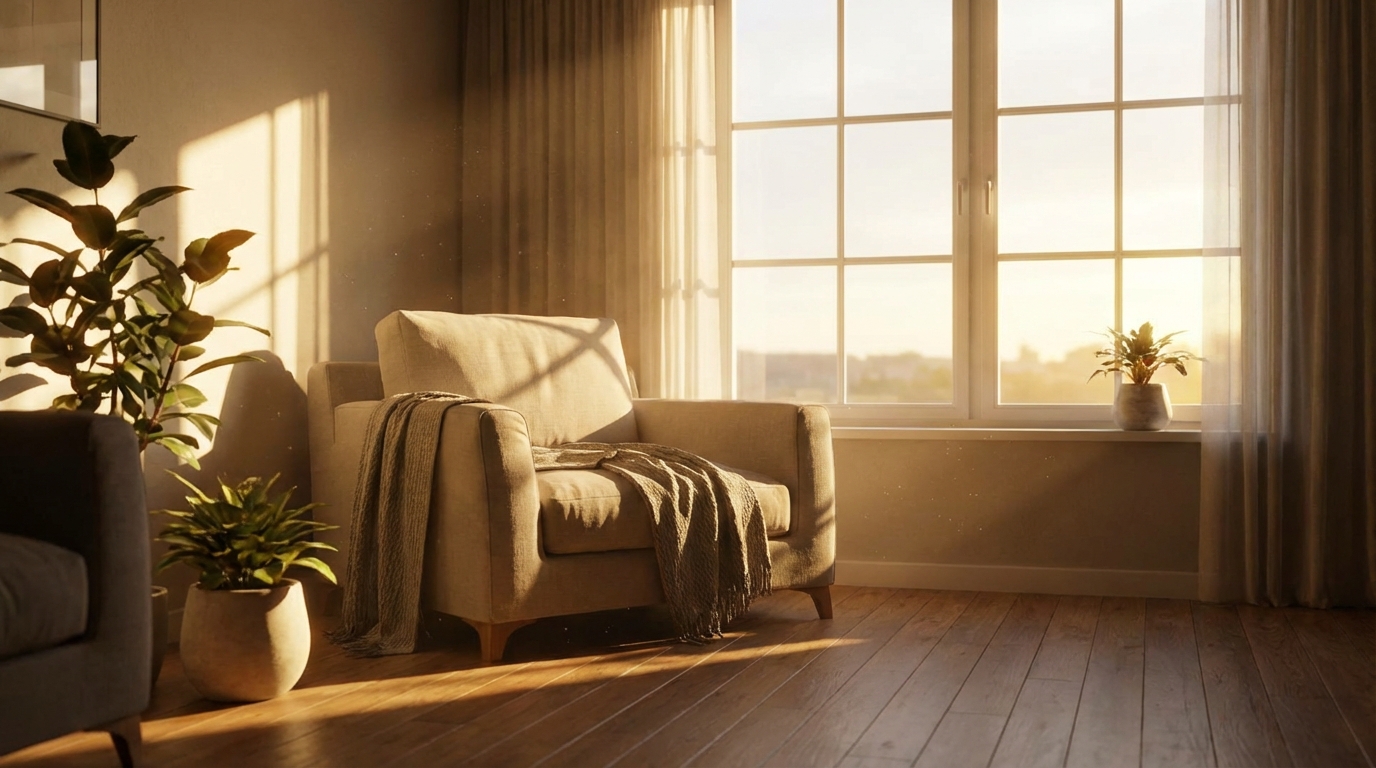
Light does more than make a room visible. It shapes how a space feels, how comfortable people are, and how much energy a home or building uses each day. Subtle changes in brightness, color, and direction can turn the same room into a calm retreat, a busy workspace, or a place that feels cold and uninviting.
Indoor lighting affects mood, focus, and even daily routines, often without people noticing the cause. Understanding how light works indoors helps explain why some rooms feel cozy while others feel tiring or harsh. This article explores how lighting changes the feel of a room, with a focus on comfort and energy use.
Understanding Light and Human Comfort
Human eyes and brains respond to light in complex ways. Comfort in a room depends not only on how bright it is, but also on how evenly light is spread and how it interacts with colors and surfaces. Poor lighting can cause eye strain and headaches, while good lighting supports relaxation and attention.
Comfort also changes based on what people are doing in a space. Reading, cooking, relaxing, and working on a computer all require different lighting conditions. When lighting matches the activity, the room feels easier and more natural to use.
Brightness and Perceived Comfort
Brightness refers to how much light reaches a surface or the eye. A room that is too dim can feel gloomy or unsafe, while a room that is too bright can feel stressful or uncomfortable. The right level of brightness allows people to see clearly without feeling overwhelmed.
Perceived brightness is influenced by wall colors, furniture, and window size. A small room with light-colored walls may need less light to feel bright than a large room with dark finishes. Adjusting brightness to fit the space helps maintain comfort without wasting energy.
Color Temperature and Mood
Color temperature describes whether light looks warm, neutral, or cool. Warm light often appears yellow or soft orange, while cool light appears white or slightly blue. These differences can strongly affect how a room feels emotionally.
Warm light is often linked to relaxation and comfort, making it popular in living rooms and bedrooms. Cooler light can feel more alert and energetic, which suits kitchens, bathrooms, and work areas. Choosing the right color temperature helps align the mood of the room with its purpose.
Direction and Distribution of Light
The direction light comes from matters as much as its strength. Light shining directly into the eyes can cause glare, while light aimed only at the ceiling may leave work areas too dark. Balanced lighting uses multiple sources to reduce harsh contrasts.
Even distribution of light helps a room feel calm and welcoming. When light reaches corners and walls, the space feels larger and more open. Thoughtful placement of fixtures improves comfort without increasing energy use.
Natural Light and Indoor Experience
Natural daylight plays a major role in how indoor spaces feel. Sunlight changes throughout the day, bringing shifts in brightness and color that many people find pleasant. Rooms with good access to daylight often feel healthier and more inviting.
However, natural light can also create challenges. Glare, overheating, and uneven lighting can reduce comfort if daylight is not managed well. Balancing natural and artificial light is key to a comfortable indoor environment.
Benefits of Daylight
Daylight supports natural body rhythms and helps people stay alert during the day. Exposure to sunlight is linked to better sleep patterns and improved mood. Rooms that receive daylight often feel more connected to the outdoors.
Using daylight can also reduce the need for electric lighting, saving energy. Windows, skylights, and light-colored surfaces help spread daylight deeper into a room. Proper design allows natural light to enhance comfort without extra energy costs.
Managing Glare and Heat
Direct sunlight can cause glare on screens and shiny surfaces. This can make tasks uncomfortable and strain the eyes. Simple solutions like shades, curtains, or angled blinds help control light without blocking it completely.
Sunlight also brings heat, which can affect comfort and cooling energy use. Managing daylight with window treatments and thoughtful room layout helps maintain a comfortable temperature. This balance supports both comfort and energy efficiency.
Artificial Lighting and Energy Use
Artificial lighting allows rooms to function after dark and in spaces without windows. The type of lighting chosen has a direct effect on energy consumption. Efficient lighting reduces electricity use while still providing comfort.
Advances in lighting technology have made it easier to save energy without sacrificing quality. Understanding these options helps create spaces that feel good and use less power.
Efficient Light Sources
Different light sources use different amounts of energy to produce the same brightness. Traditional incandescent bulbs use more energy and produce more heat. Newer options offer better efficiency and longer life.
Common efficient light sources include:
- LED bulbs, which use less energy and last much longer
- Compact fluorescent lamps, which use less energy than older bulbs
- High-efficiency fixtures designed to direct light more effectively
Choosing efficient light sources lowers energy bills and reduces the need for frequent replacements. This also means less waste and fewer resources used over time.
Lighting Controls and Flexibility
Controls allow users to adjust lighting to match needs and preferences. Dimmers, switches, and timers make it possible to reduce light levels when full brightness is not needed. This improves comfort and saves energy.
Simple habits, such as turning off lights in empty rooms, have a meaningful impact. More advanced controls can automate these actions, reducing energy use without relying on memory or effort.
Lighting Layers and Room Feel
Most comfortable rooms use more than one type of light. Layered lighting combines different sources to support various activities and moods. This approach avoids harsh lighting and creates depth in a space.
Using layers also improves energy use. Instead of one very bright light, several smaller lights can be adjusted as needed. This flexibility allows comfort without unnecessary power use.
Ambient Lighting
Ambient lighting provides overall illumination for a room. It allows people to move safely and see the general layout of the space. This layer sets the base level of brightness.
Common sources of ambient light include ceiling fixtures and indirect lighting. When designed well, ambient lighting feels soft and even, reducing eye strain and making the room feel welcoming.
Task Lighting
Task lighting focuses light where specific activities take place. Reading, cooking, and writing all benefit from directed light. This reduces the need to increase brightness throughout the entire room.
Desk lamps, under-cabinet lights, and adjustable fixtures are examples of task lighting. By providing light only where needed, task lighting improves comfort and lowers energy use.
Accent Lighting
Accent lighting highlights features such as artwork, plants, or textured walls. It adds visual interest and depth to a room. While not essential for function, it strongly affects how a space feels.
Because accent lighting is often low in brightness, it usually uses little energy. When combined with other layers, it helps create a balanced and pleasing environment.
Room-by-Room Effects of Lighting
Different rooms serve different purposes, and lighting should reflect those uses. A lighting plan that works well in one room may feel uncomfortable in another. Understanding these differences helps improve both comfort and efficiency.
Adjusting lighting by room does not always require major changes. Small choices in bulb type, placement, and controls can make a noticeable difference.
Living Rooms and Shared Spaces
Living rooms are often used for relaxing, socializing, and entertainment. Lighting in these spaces benefits from flexibility. A mix of ambient and accent lighting allows the mood to change throughout the day.
Warm color temperatures are common in living rooms because they create a sense of comfort. Dimmers help adjust brightness for different activities, such as watching television or reading.
Kitchens and Dining Areas
Kitchens require clear, bright lighting for safety and food preparation. Task lighting is especially important over counters and cooking areas. Without it, shadows can make tasks harder and less safe.
Dining areas often benefit from slightly softer light. This helps meals feel relaxed and enjoyable. Separating kitchen and dining lighting controls improves comfort and energy use.
Bedrooms and Rest Areas
Bedrooms are places for rest and recovery. Lighting here should support relaxation and sleep. Harsh or cool lighting can make it harder to unwind.
Warm, low-level lighting works well in the evening. Bedside lamps and dimmers allow light to be adjusted without lighting the entire room, saving energy and supporting comfort.
Bathrooms and Personal Care Spaces
Bathrooms need lighting that supports grooming tasks. Even, shadow-free light around mirrors helps with activities like shaving or applying makeup. Poor lighting can make these tasks difficult.
At the same time, overly bright lighting can feel uncomfortable at night. Using layered lighting and controls allows the room to adapt to different times of day.
Workspaces and Home Offices
Workspaces require lighting that supports focus and reduces eye strain. Cooler color temperatures are often helpful during the day because they promote alertness. Good task lighting is essential for desks.
Balancing screen brightness with room lighting prevents glare and fatigue. Thoughtful lighting design improves comfort and productivity without increasing energy use.
Psychological Effects of Indoor Lighting
Lighting influences emotions and behavior in subtle ways. A room that feels calm and balanced encourages relaxation, while harsh lighting can increase stress. These effects are important in both homes and workplaces.
Psychological comfort is closely linked to visual comfort. When lighting feels natural and supportive, people tend to spend more time in a space and feel more at ease.
Glare and Visual Stress
Glare occurs when bright light contrasts sharply with darker surroundings. This can cause discomfort and make it harder to see clearly. Glare often comes from exposed bulbs or reflections.
Reducing glare improves both comfort and safety. Using shades, diffusers, and proper fixture placement helps create a softer and more pleasant environment.
Shadows and Depth
Shadows are not always negative. Soft shadows add depth and make a room feel more natural. Problems arise when shadows are too dark or fall in work areas.
Balanced lighting reduces harsh shadows while keeping visual interest. This balance supports comfort and helps people understand the shape and layout of a room.
Timing, Routines, and Indoor Light
Indoor lighting interacts with daily routines. The timing and type of light used can support or disrupt natural patterns of activity and rest. Matching lighting to time of day improves comfort.
As people spend more time indoors, artificial lighting plays a larger role in daily rhythms. Thoughtful choices help create a healthier indoor experience.
Daytime Lighting Needs
During the day, brighter and cooler light often feels more comfortable. It supports alertness and matches natural daylight. Combining daylight with efficient artificial light works well.
Using less artificial light when daylight is available saves energy. Controls and window placement help make the most of natural light throughout the day.
Evening and Night Lighting
In the evening, softer and warmer light feels more relaxing. Bright or cool light late at night can interfere with rest. Adjusting lighting supports comfort and sleep routines.
Lower light levels also reduce energy use. Using lamps instead of overhead lights is a simple way to change the feel of a room at night.
Materials, Colors, and Light Interaction
Light does not exist alone in a room. It interacts with walls, floors, furniture, and fabrics. These interactions affect how bright and comfortable a space feels.
Understanding these relationships helps explain why the same light can feel different in different rooms. Material choices influence both comfort and energy needs.
Surface Color and Reflectance
Light-colored surfaces reflect more light, making rooms feel brighter. Dark surfaces absorb light, which can make a room feel smaller or dimmer. This affects how much lighting is needed.
Choosing surface colors with lighting in mind helps balance comfort and efficiency. Reflective surfaces can reduce the need for high brightness levels.
Texture and Finish
Matte finishes scatter light softly, reducing glare. Shiny finishes reflect light more directly, which can create bright spots. Both have uses depending on the desired effect.
Mixing textures helps control how light behaves in a room. This adds comfort and visual interest without extra energy use.
Maintenance and Aging of Lighting
Lighting quality changes over time. Dust, aging bulbs, and worn fixtures reduce brightness and efficiency. Regular maintenance supports comfort and saves energy.
Ignoring lighting upkeep can lead to higher energy use and poorer light quality. Simple care makes a noticeable difference.
Cleaning and Upkeep
Dust on fixtures and bulbs blocks light. This means more energy is needed to achieve the same brightness. Regular cleaning keeps lighting effective.
Clean fixtures also improve the appearance of a room. This supports both comfort and visual appeal without new equipment.
Bulb Aging and Replacement
As bulbs age, they often produce less light. This gradual change can go unnoticed, leading to dimmer rooms. Replacing bulbs restores comfort.
Using long-lasting bulbs reduces the need for frequent replacement. This saves energy and resources over time.
Safety, Accessibility, and Inclusive Lighting
Good lighting supports safety and accessibility. Clear visibility reduces accidents and helps people move confidently. This is especially important in shared and public spaces.
Inclusive lighting considers the needs of people of different ages and abilities. Comfort and energy efficiency can support these goals together.
Lighting for Older Adults
As people age, they often need more light to see clearly. Glare sensitivity also increases. Balanced, even lighting supports comfort and safety.
Task lighting and reduced glare are especially helpful. These choices improve quality of life without greatly increasing energy use.
Wayfinding and Transitions
Lighting helps people understand where they are and where to go. Well-lit paths and transitions between rooms improve safety. Sudden changes in brightness can be confusing.
Smooth lighting transitions support comfort and orientation. This is important in homes, workplaces, and public buildings.
Smart Lighting and Future Trends
Smart lighting systems offer new ways to control indoor light. These systems adjust brightness and color automatically based on time, occupancy, or daylight. This improves comfort and efficiency.
As technology advances, lighting becomes more responsive to human needs. These changes affect how rooms feel and how much energy they use.
Sensors and Automation
Occupancy sensors turn lights off when rooms are empty. Daylight sensors adjust artificial light based on available sunlight. These features reduce wasted energy.
Automation also supports comfort by keeping light levels consistent. Rooms feel more stable and predictable throughout the day.
Personalization and Control
Smart systems allow users to customize lighting scenes. Different settings support different activities and moods. This flexibility improves comfort.
Personalized lighting can also reduce energy use by avoiding unnecessary brightness. Control and comfort work together in these systems.