
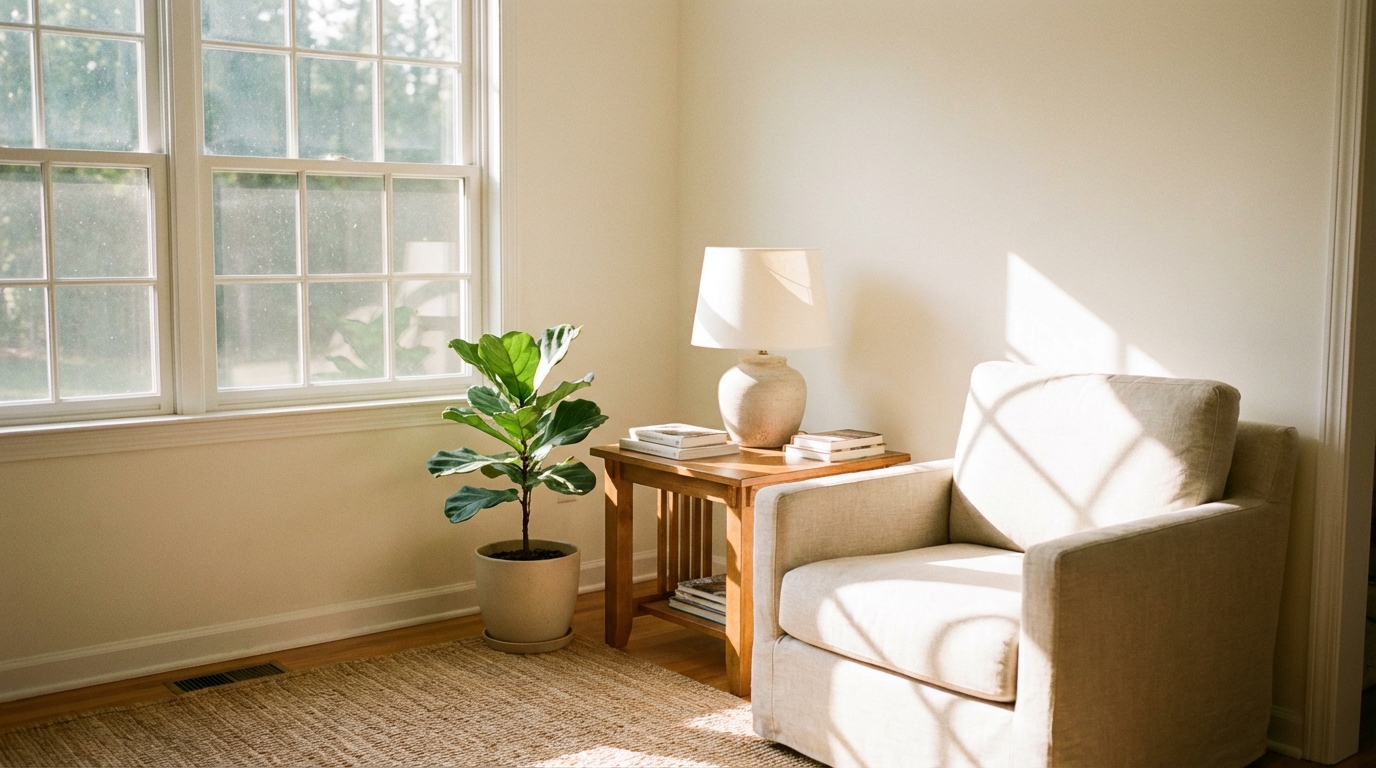
Light has a powerful effect on how a room feels, even when it is not noticed right away. The same space can feel calm, lively, cozy, or tiring depending on how it is lit. Light shapes how colors appear, how large a room seems, and how comfortable it feels to spend time there. Understanding these effects helps explain why lighting choices matter so much indoors.
Indoor lighting is not only about seeing clearly. It also affects energy use, daily routines, and emotional well-being. From sunlight streaming through a window to a soft lamp in the evening, each type of light sends signals to the brain and body. These signals influence mood, focus, and comfort throughout the day.
Natural Light and Artificial Light
Rooms are usually lit by a mix of natural and artificial light, and each plays a different role. Natural light changes throughout the day, bringing variety and a sense of connection to the outdoors. Artificial light is more controlled and consistent, making it useful when daylight is limited or needs support.
The balance between these two sources affects how welcoming a room feels. Spaces with good access to daylight often feel more open and pleasant. Artificial lighting fills in the gaps, shaping how the room functions after sunset or in darker areas.
Daylight and Its Qualities
Daylight is often described as the most comfortable and natural form of light. It shows colors clearly and shifts in tone from morning to evening. These changes help signal time of day and support natural sleep and wake cycles.
Rooms with windows, skylights, or light wells often feel more alive. Even on cloudy days, daylight can reduce the need for artificial lighting and lower energy use. The direction and size of windows also matter, as they affect glare, shadows, and warmth.
Artificial Light Indoors
Artificial light includes ceiling fixtures, lamps, and built-in lighting. Unlike daylight, it can be adjusted to suit specific tasks or moods. This flexibility makes it essential for modern indoor spaces.
The type of bulb, fixture design, and placement all shape how artificial light feels. Poor choices can make a room feel harsh or dull, while thoughtful lighting can improve comfort and usability.
Brightness and Visual Comfort
Brightness, also known as light level, strongly affects comfort. Too little light makes tasks difficult and can cause eye strain. Too much light can feel overwhelming and uncomfortable.
The goal is not maximum brightness but the right amount for the activity and space. Living areas, work zones, and rest areas all benefit from different light levels. Matching brightness to use helps create a balanced indoor environment.
Glare and Eye Strain
Glare happens when a light source is too bright or poorly placed. It can cause discomfort, headaches, and difficulty focusing. Shiny surfaces and uncovered bulbs often increase glare.
Reducing glare improves how a room feels right away. Using shades, diffusers, and indirect lighting helps spread light more evenly. Proper placement of fixtures also keeps light out of direct line of sight.
Shadows and Balance
Shadows are a natural part of lighting, but strong or uneven shadows can be distracting. A single bright light in the center of a room often creates dark corners and flat lighting. This can make a space feel smaller or less welcoming.
Balanced lighting reduces harsh shadows and adds depth. Using more than one light source helps create a softer, more comfortable feel. This approach also improves visibility across the entire room.
Color Temperature and Mood
Color temperature describes how warm or cool a light appears. Warm light has yellow or orange tones, while cool light looks more white or blue. This quality has a strong effect on mood and energy.
Different color temperatures suit different times of day and activities. Choosing the right tone helps a room feel relaxing, energizing, or focused. Mixing color temperatures without a plan can feel confusing or uncomfortable.
Warm Light and Relaxation
Warm light is often linked with comfort and relaxation. It is common in living rooms, bedrooms, and dining areas. This type of light creates a cozy atmosphere that encourages rest and social interaction.
In the evening, warm light supports the body’s natural wind-down process. It feels gentle on the eyes and reduces the sense of alertness. This makes it easier to relax after a busy day.
Cool Light and Focus
Cool light feels brighter and more energizing. It is often used in kitchens, bathrooms, and work areas. This light helps people stay alert and see details more clearly.
During the day, cool light can support productivity and concentration. However, too much cool light in the evening may feel harsh. Using it carefully helps avoid discomfort and overstimulation.
Color Rendering and Appearance
Color rendering refers to how accurately light shows the true colors of objects. Poor color rendering can make colors look dull or incorrect. This affects how furniture, food, and skin tones appear.
Good color rendering improves comfort and confidence in a space. It is especially important in areas where appearance matters, such as closets, bathrooms, and kitchens. Light that shows colors well makes rooms feel more natural.
Direction of Light and Layering
Where light comes from is just as important as how bright it is. Light can shine down, up, or across surfaces. Each direction creates a different feeling in a room.
Layered lighting uses multiple types of light together. This approach adds flexibility and depth. It allows a room to change mood based on time of day or activity.
Ambient Lighting
Ambient lighting provides overall illumination for a room. It helps people move around safely and see the space as a whole. Ceiling fixtures and recessed lights often serve this role.
Good ambient lighting feels even and comfortable. It should not be too bright or too dim. When done well, it forms a calm base for other lighting layers.
Task Lighting
Task lighting focuses on specific activities like reading, cooking, or working. It provides extra brightness where it is needed most. Desk lamps and under-cabinet lights are common examples.
This type of lighting reduces eye strain and improves accuracy. It allows ambient light to stay softer while still supporting detailed tasks. Proper task lighting makes rooms more functional.
Accent Lighting
Accent lighting highlights features such as artwork, shelves, or textures. It adds interest and character to a room. This lighting is usually softer and more focused.
By drawing attention to certain areas, accent lighting changes how a room is perceived. It can make a space feel more layered and intentional. Used carefully, it adds warmth and style.
Energy Use and Efficiency
Lighting affects not only mood and comfort but also energy use. Inefficient lighting can increase electricity bills and environmental impact. Efficient lighting choices support both comfort and sustainability.
Modern lighting technology offers many options that use less energy. These options often last longer and produce less heat. Choosing wisely helps create a comfortable space without wasting resources.
LED Lighting Benefits
LED bulbs are widely used because they are energy efficient and long-lasting. They use less electricity than older bulb types. This makes them a practical choice for many indoor spaces.
LEDs are available in many color temperatures and brightness levels. This flexibility allows better control over how a room feels. Their durability also reduces the need for frequent replacement.
Lighting Controls and Flexibility
Controls such as dimmers, timers, and smart systems improve how lighting is used. They allow light levels to change based on time or activity. This adds comfort and reduces energy use.
Dimming lights in the evening can create a calmer mood. Automatic controls can turn lights off when rooms are empty. These tools make lighting more responsive to daily life.
Lighting for Different Rooms
Each room in a home has different lighting needs. Activities, size, and layout all influence the best lighting approach. A one-size-fits-all solution rarely works well.
Thinking about how a room is used helps guide lighting choices. Comfort and function improve when lighting matches the purpose of the space. Small adjustments can make a big difference.
Living Rooms
Living rooms are often used for many activities, from relaxing to socializing. Flexible lighting works best in these spaces. A mix of ambient, task, and accent lighting adds comfort.
Warm tones usually suit living rooms well. Lamps and dimmers allow easy mood changes. This helps the room feel inviting at any time of day.
Bedrooms
Bedrooms benefit from soft, calming light. Bright overhead lighting is often less important here. Instead, bedside lamps and gentle ambient light create a restful atmosphere.
Warm color temperatures support relaxation and sleep. Adjustable lighting helps with reading or getting dressed without overstimulating the space. Thoughtful lighting makes bedrooms more comfortable.
Kitchens
Kitchens require clear, bright light for safety and accuracy. Task lighting is especially important for counters and cooking areas. Cool or neutral light helps show food colors correctly.
At the same time, kitchens can feel harsh if overlit. Balancing bright task lighting with softer ambient light improves comfort. This balance supports both function and enjoyment.
Bathrooms
Bathrooms need lighting that supports grooming and cleanliness. Even light around mirrors reduces shadows on the face. This makes tasks like shaving or applying makeup easier.
Color rendering is especially important in bathrooms. Light that shows skin tones accurately improves confidence. A mix of bright and soft light supports different needs.
Health, Energy, and Daily Rhythms
Lighting affects more than vision; it also influences the body’s internal clock. Light signals help regulate sleep, alertness, and energy levels. Indoor lighting can either support or disrupt these rhythms.
Being mindful of light exposure throughout the day improves well-being. Bright, cool light during the day and warm, dim light in the evening support natural patterns. This makes indoor environments healthier.
Light and Sleep
Evening light plays a key role in sleep quality. Bright or blue-toned light late at night can make it harder to fall asleep. This is because it signals the brain to stay alert.
Using warmer, dimmer light in the evening supports relaxation. Turning off unnecessary lights also helps. These small changes can improve rest without major effort.
Light and Focus
During the day, proper lighting supports focus and mental energy. Bright, evenly distributed light helps reduce fatigue. This is especially important in work or study areas.
Access to daylight improves mood and attention. When daylight is limited, well-designed artificial lighting can help fill the gap. This keeps energy levels more stable.
Surfaces, Colors, and Reflection
Light interacts with surfaces in a room, changing how it spreads. Light-colored walls reflect more light, making spaces feel brighter. Dark surfaces absorb light and create a more intimate feel.
Glossy finishes reflect light differently than matte ones. This affects glare and brightness. Understanding these interactions helps explain why lighting looks different from room to room.
Seasonal and Time-of-Day Changes
Lighting needs change with the seasons and time of day. Short winter days increase the need for artificial light. Long summer days may require shading and light control.
Adjusting lighting over time keeps rooms comfortable year-round. Flexible systems respond better to these changes. This adaptability improves both comfort and energy use.
Practical Ways to Improve Indoor Lighting
Small changes can greatly improve how lighting feels in a room. Paying attention to placement, bulb type, and controls makes lighting more effective. These steps do not require major renovations.
- Use multiple light sources instead of one central fixture.
- Choose bulbs with appropriate brightness and color temperature.
- Add dimmers to adjust light levels easily.
- Position lights to reduce glare and harsh shadows.
- Make use of natural light whenever possible.
Applying these ideas helps create spaces that feel balanced and comfortable. Lighting that supports daily activities improves mood and energy. Thoughtful choices make indoor environments more pleasant to live in.
Lighting continues to shape how rooms are experienced throughout the day. Changes in brightness, color, and direction quietly influence comfort and emotion. By understanding these effects, indoor spaces can better support daily life and well-being.