
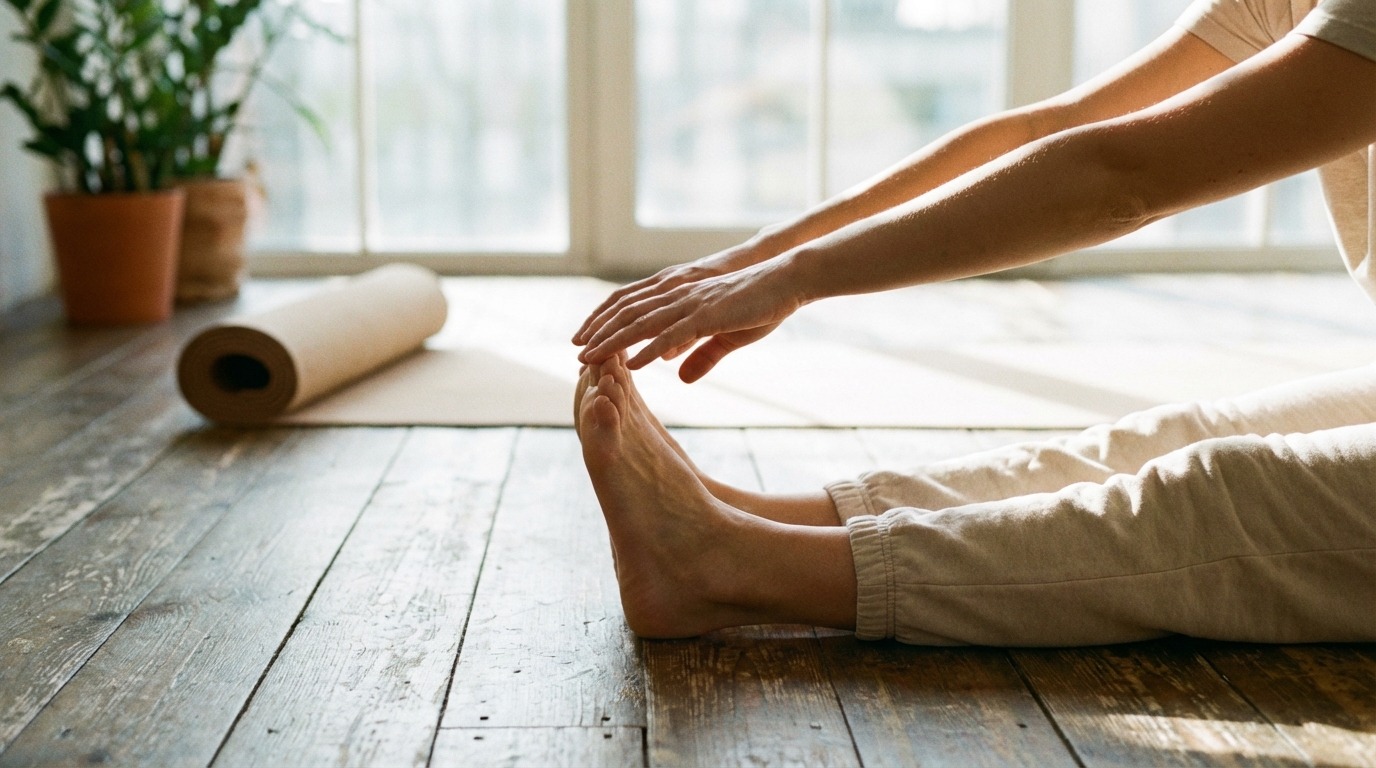
Light stretching is often linked with warm-ups and cool-downs, but its role in recovery deserves special attention. Recovery is the period when the body repairs tissues, balances the nervous system, and restores energy after physical or mental effort. Gentle stretching can support these processes without adding extra stress. When done with care, it can become a simple habit that fits into many daily routines.
This article explores how light stretching supports recovery across different systems of the body. It focuses on easy movements, calm breathing, and short sessions rather than intense flexibility work. The goal is to explain why these small actions matter and how they can be used safely. The information applies to people with active lifestyles, desk jobs, or mixed routines.
The Body’s Recovery Process
Recovery is the body’s way of returning to balance after activity, stress, or long periods of stillness. Muscles repair tiny strains, the nervous system shifts toward a calmer state, and circulation clears waste products from tissues. These processes happen naturally, but they can be supported by gentle movement. Light stretching works with the body instead of pushing it.
During recovery, the body responds best to low-intensity input. Hard training or aggressive stretching can slow recovery by adding more strain. Light stretching stays within a comfortable range, which helps tissues relax. This makes it a useful tool on rest days, after workouts, or during long workdays.
What Light Stretching Really Means
Light stretching is different from deep flexibility training or performance-focused mobility work. It stays well below the point of pain and avoids forcing joints or muscles. Movements are slow, controlled, and easy to stop at any time. Comfort and awareness are more important than range.
The goal is not to increase flexibility quickly. Instead, the aim is to gently lengthen muscles, reduce stiffness, and create a sense of ease. This approach supports recovery by calming the body rather than challenging it. It is especially useful when energy levels are low.
Intensity and Sensation
During light stretching, sensations should feel mild and steady. There may be a gentle pull or warmth, but no sharp pain or strain. Breathing should remain smooth and relaxed throughout the movement. If tension increases, the stretch is likely too strong.
Holding stretches for short periods, such as 15 to 30 seconds, often works well. Repeating the movement once or twice can be enough. The focus stays on how the body responds rather than on reaching a specific position.
Effects on the Nervous System
Recovery is strongly linked to the nervous system, which controls muscle tension and stress responses. Light stretching can signal safety to the nervous system. This helps shift the body away from a high-alert state and toward relaxation. Calm movement supports this shift.
When the nervous system settles, muscles are more likely to release unnecessary tension. This can reduce feelings of tightness that remain even after rest. Light stretching becomes a way to communicate calm through physical action.
Stress Reduction and Muscle Tone
Stress often shows up as increased muscle tone, especially in the neck, shoulders, and hips. Gentle stretching can lower this resting tension. As muscles relax, movement becomes easier and less tiring. This supports recovery both physically and mentally.
Lower muscle tone also improves coordination and body awareness. Movements feel smoother, and posture may feel more natural. These effects support daily activities as well as exercise recovery.
Circulation and Tissue Health
Healthy circulation plays a key role in recovery by delivering oxygen and nutrients to tissues. Light stretching encourages blood flow without causing fatigue. This gentle movement helps fluids move through muscles and connective tissue. Better circulation supports the body’s natural repair processes.
Unlike intense exercise, light stretching does not demand high energy output. It increases local blood flow while keeping the heart rate low. This balance makes it suitable during recovery periods when rest is still important.
Supporting Connective Tissue
Connective tissues such as fascia respond well to slow, gentle movement. Light stretching can help maintain their elasticity and hydration. This supports smooth movement between muscles and joints. Over time, this may reduce feelings of stiffness.
Gentle movement also helps prevent tissues from becoming overly rigid during inactivity. Long periods of sitting or resting can reduce circulation. Light stretching offers a simple way to counteract this effect.
Muscle Soreness and Comfort
Delayed muscle soreness often appears after unfamiliar or intense activity. While light stretching does not remove soreness completely, it can improve comfort. Gentle movement increases circulation and reduces protective muscle guarding. This can make sore areas feel less restricted.
It is important to stretch sore muscles carefully. Pushing into pain can increase irritation. Light stretching stays within comfortable limits, supporting recovery rather than interfering with it.
Perception of Tightness
Tightness is often more about sensation than actual muscle length. The nervous system may limit movement as a protective response. Light stretching can reduce this sensation by reassuring the body that movement is safe. This can increase comfort even if flexibility does not change.
Improved comfort can encourage gentle activity, which further supports recovery. This creates a positive cycle of movement and relaxation. The focus remains on ease rather than performance.
Flexibility Versus Mobility in Recovery
Flexibility refers to muscle length, while mobility includes strength and control through a range of motion. During recovery, the focus shifts away from improving limits. Light stretching supports both concepts by maintaining comfortable movement. It does not aim to push boundaries.
By keeping joints moving easily, light stretching helps maintain daily function. This can be especially helpful after intense training phases or long work periods. The body benefits from movement that feels natural and unforced.
Maintaining Range Without Stress
Short, gentle stretches can help prevent loss of range during rest days. This is useful when the body is adapting to training or recovering from strain. Light stretching keeps tissues familiar with movement without adding load. This supports smoother transitions back to activity.
Maintaining range can also reduce the risk of feeling stiff or awkward when activity resumes. Movement feels more accessible. This supports confidence and comfort.
Timing Light Stretching for Recovery
Light stretching can be used at many points throughout the day. It works well after exercise, during breaks, or before bed. The timing depends on personal needs and daily schedules. The key is choosing moments when the body benefits from calming movement.
Short sessions are often enough. Even five to ten minutes can provide benefits. Consistency matters more than duration.
After Activity
After physical activity, light stretching can help the body transition into recovery. Muscles are warm, which can make movement feel easier. Gentle stretches encourage relaxation without extending the workout. This supports a smooth shift into rest.
It is important to avoid aggressive stretching immediately after intense effort. Light movements keep the focus on comfort. This approach respects the body’s need for repair.
During Rest Days or Work Breaks
On rest days, light stretching keeps the body moving without disrupting recovery. It can reduce stiffness from inactivity. This supports circulation and comfort throughout the day.
During work breaks, especially for desk-based tasks, light stretching helps counter prolonged sitting. Simple movements for the neck, hips, and back can restore ease. This supports both physical and mental recovery.
Types of Light Stretching That Support Recovery
Not all stretching methods are suitable for recovery. Light stretching emphasizes calm, controlled movement. Several approaches fit well within this goal. Each can be adapted to individual needs.
Understanding the differences helps in choosing the right method. The focus stays on gentle input and relaxation.
Gentle Static Stretching
Static stretching involves holding a position without movement. For recovery, the stretch remains mild and short. This allows muscles to relax gradually. Breathing stays slow and steady.
Gentle static stretches are easy to perform and require little space. They work well in quiet settings. This makes them accessible for many people.
Light Dynamic Movement
Dynamic stretching uses slow, controlled motion. Movements stay within a comfortable range and avoid momentum. This type of stretching supports circulation and joint health. It can feel more engaging than holding positions.
Light dynamic movements are useful during breaks or transitions. They can reduce stiffness from sitting or standing. The key is keeping the motion relaxed.
Mobility-Focused Stretching
Mobility-focused stretching combines gentle movement with control. It supports joint health by moving through easy ranges. This approach avoids forcing end positions. It supports recovery by maintaining smooth movement patterns.
This type of stretching can be especially helpful for hips, shoulders, and spine. These areas often become stiff with daily habits. Gentle mobility keeps them comfortable.
Common Areas That Benefit From Light Stretching
Some parts of the body tend to hold more tension than others. Light stretching can be directed toward these areas. This helps improve overall comfort. The focus remains on ease rather than depth.
Addressing common tension zones supports daily movement and posture. It also reduces the buildup of discomfort over time.
Neck and Shoulders
The neck and shoulders often carry stress from posture and mental load. Gentle stretches here can reduce stiffness and improve comfort. Movements should be slow and controlled. Sudden or forceful actions should be avoided.
Light stretching in this area can support relaxation. It may also improve awareness of posture. This helps prevent tension from returning quickly.
Back and Hips
The back and hips connect the upper and lower body. They are affected by sitting, lifting, and walking. Light stretching can maintain comfort and ease of movement. This supports recovery from both activity and inactivity.
Movements should stay within a pain-free range. Gentle rotation and bending often feel helpful. Breathing supports relaxation during these stretches.
Legs and Calves
Leg muscles work hard during daily activities and exercise. Light stretching can reduce feelings of heaviness or tightness. This supports circulation and comfort. It is especially useful after long periods of standing or walking.
Gentle stretches for calves and thighs should avoid bouncing. Slow, steady positions support relaxation. This helps the legs feel more refreshed.
The Role of Breathing in Stretching and Recovery
Breathing influences how the body responds to movement. Slow, deep breathing supports relaxation during stretching. It helps calm the nervous system. This enhances the recovery benefits of light stretching.
Holding the breath can increase tension. Gentle breathing keeps the body at ease. This makes stretching feel more supportive.
Coordinating Breath and Movement
Matching breathing with movement can improve comfort. Inhaling before a stretch and exhaling into it often feels natural. This encourages muscles to relax. The movement becomes smoother.
Breathing also helps maintain awareness. It signals when a stretch becomes too intense. Adjusting movement based on breath supports safety.
Common Mistakes That Limit Recovery Benefits
Light stretching is simple, but certain habits can reduce its effectiveness. Pushing too hard is a common issue. This turns recovery into another stressor. Awareness helps prevent this.
Understanding common mistakes supports better outcomes. Gentle intention is key.
Stretching Into Pain
Pain signals that tissues or the nervous system feel threatened. Stretching into pain can slow recovery. Light stretching should stay comfortable. Discomfort should never escalate.
Respecting limits builds trust with the body. This supports long-term recovery habits. Comfort remains the priority.
Rushing Through Movements
Fast or careless movement reduces the calming effect of stretching. Recovery benefits depend on slow, mindful action. Rushing increases tension. This counteracts relaxation.
Taking time allows the body to respond. Even short sessions can be effective when done calmly. Pace matters more than quantity.
Safety Considerations for Light Stretching
Light stretching is generally safe, but individual needs vary. Existing injuries, medical conditions, or pain require extra care. Movements should always be adjusted to comfort levels. Listening to the body is essential.
When unsure, choosing smaller movements is safer. Comfort guides decision-making. This keeps stretching supportive.
When to Avoid Stretching
Stretching should be avoided in cases of acute injury, swelling, or sharp pain. These situations require rest or professional guidance. Stretching too soon can delay healing. Recovery needs change over time.
Recognizing these limits supports safe recovery. Light stretching should never replace medical advice. It works best as a supportive habit.
Integrating Light Stretching Into Daily Life
Light stretching works best when it fits naturally into routines. It does not require special equipment or long sessions. Small moments throughout the day can add up. This supports consistent recovery.
Flexibility in timing makes stretching easier to maintain. It can be adjusted based on energy and schedule. This supports long-term use.
Simple Ways to Stay Consistent
Attaching stretching to existing habits can help. For example, stretching after waking or before sleep. This creates a routine without extra planning. Consistency supports recovery benefits.
Short sessions reduce mental barriers. Even a few minutes can be effective. The focus stays on ease and comfort.
How Light Stretching Works With Other Recovery Tools
Recovery involves many factors, including sleep, nutrition, and rest. Light stretching complements these elements. It does not replace them. Instead, it supports overall balance.
Used alongside other habits, stretching enhances recovery. It helps the body use rest more effectively. This supports daily well-being.
Supporting Sleep and Relaxation
Gentle stretching before bed can signal the body to unwind. Slow movement and breathing support relaxation. This may improve comfort during rest. The body feels more settled.
Comfort supports better sleep quality. This enhances recovery further. Light stretching fits well into evening routines.
Recognizing Signs That Light Stretching Is Helping
The benefits of light stretching are often subtle. Increased comfort, ease of movement, and reduced stiffness are common signs. These changes may appear gradually. Awareness helps notice them.
Positive responses encourage continued practice. The body often feels more balanced. This supports ongoing recovery.
Day-to-Day Comfort and Movement
Improved comfort during daily tasks is a key sign. Movements feel smoother and less restricted. This supports confidence in activity. Recovery feels more complete.
These changes reinforce the value of gentle habits. Light stretching becomes a supportive part of daily life. The focus remains on maintaining ease.