
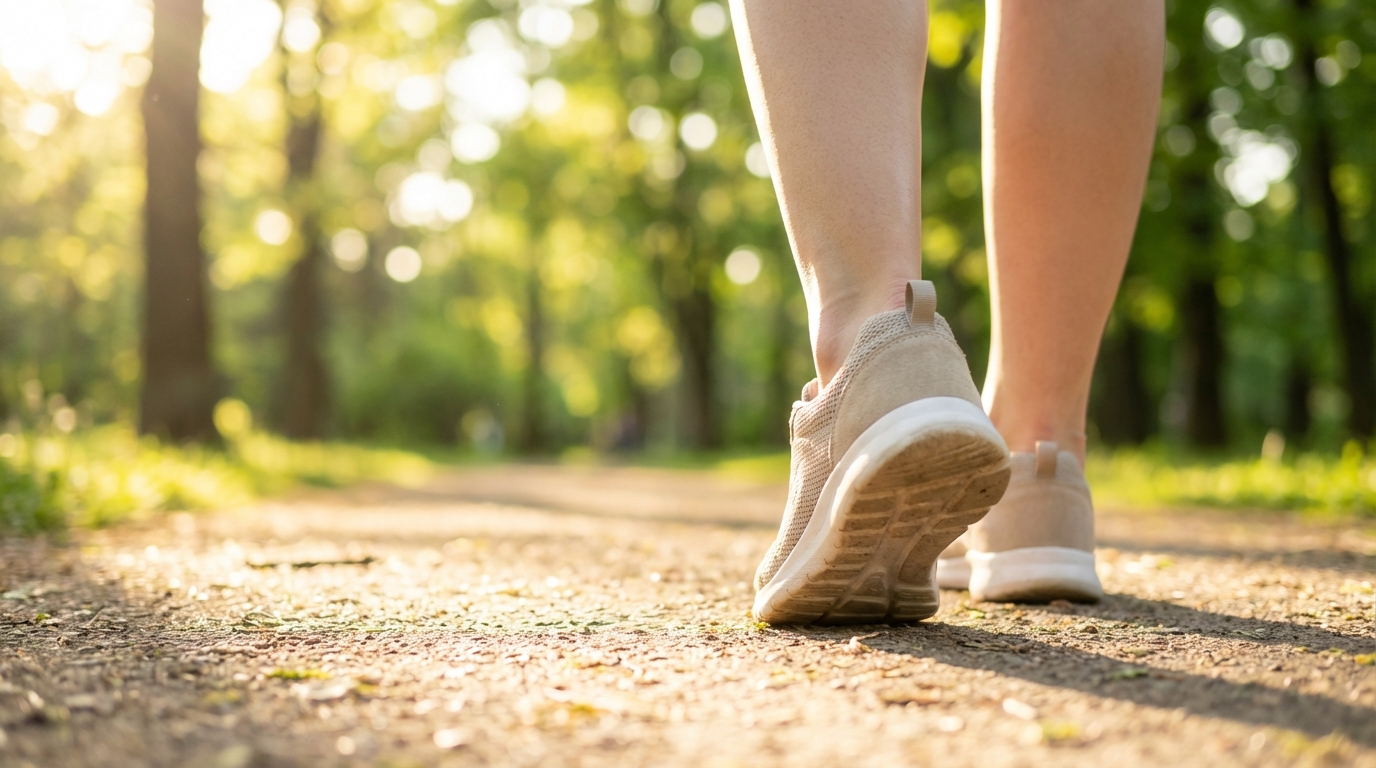
Daily energy can feel unpredictable, rising and falling with work demands, sleep quality, meals, and stress. Gentle movement throughout the day is often overlooked, yet it plays a steady role in supporting how alert and capable the body feels. Light activity does not aim to exhaust muscles or push limits; instead, it supports natural rhythms that help energy feel more even. Understanding how small movements influence energy can make everyday routines feel more manageable and less draining.
Understanding Daily Energy as a Dynamic Process
Energy is not a single resource that runs out all at once, but a process shaped by many body systems working together. The brain, muscles, heart, and hormones all influence how energized a person feels from hour to hour. Light activity helps coordinate these systems without creating large recovery demands. By keeping the body gently engaged, energy levels can feel steadier across the day.
Unlike intense exercise, which can temporarily lower energy during recovery, light movement usually fits smoothly into daily life. It can be repeated often without special equipment or preparation. This makes it easier to support energy consistently rather than in short bursts. Over time, these small actions can shape how the body responds to daily tasks.
What Counts as Light Activity
Light activity includes movements that raise the heart rate slightly while allowing comfortable conversation. These actions are easy to start and stop, making them accessible in many settings. They often involve natural movements rather than structured workouts. The focus is on gentle engagement rather than performance.
Common examples of light activity include everyday tasks and short movement breaks. These actions can be adjusted to fit personal ability, space, and time. The goal is not intensity but regularity and ease. When chosen thoughtfully, light activity blends into daily routines.
Examples of light activity can include:
- Leisurely walking indoors or outdoors
- Light stretching or mobility exercises
- Casual cycling on flat ground
- Household tasks like tidying or gardening
- Standing and moving during short breaks
These examples show that light activity does not require a gym or special clothing. Many people already do some of these movements without labeling them as activity. Recognizing their value can encourage more frequent use throughout the day. Small choices, repeated often, can add up to meaningful support for daily energy.
How Gentle Movement Affects the Body
Light activity influences the body through several connected pathways. It supports circulation, muscle engagement, and nervous system balance. These effects work together to help energy feel more stable rather than spiking and crashing. The body responds best when movement is spread across the day.
Because the intensity is low, the body does not need long recovery periods. This allows gentle movement to be used as a tool whenever energy feels low or focus starts to fade. Over time, the body learns to respond efficiently to these small cues. The result is a smoother energy pattern that supports daily tasks.
Blood Sugar Balance
Light movement helps muscles use glucose more effectively. When muscles contract, they can take in sugar from the blood without needing large amounts of insulin. This process supports more stable blood sugar levels, which are closely tied to energy and focus. Sudden drops in blood sugar are less likely when gentle movement is used regularly.
For many people, long periods of sitting can lead to sluggishness after meals. Short bouts of light activity can help the body process nutrients more smoothly. This does not require strenuous exercise or long sessions. Even brief movement can support a steadier feeling of energy.
Circulation and Oxygen Delivery
Gentle movement encourages blood to flow more freely through the body. Improved circulation helps deliver oxygen and nutrients to tissues, including the brain. When oxygen delivery is steady, mental clarity and physical readiness are easier to maintain. This can reduce the heavy, tired feeling that often comes from prolonged stillness.
Light activity also helps prevent blood from pooling in the lower body during long sitting periods. By engaging leg and core muscles, circulation stays more balanced. This supports a sense of alertness without overstimulation. The effect is subtle but noticeable when practiced regularly.
Nervous System Regulation
The nervous system plays a major role in how energized or drained a person feels. Light activity tends to support a balanced state between alertness and calm. It can reduce excessive stress signals while still promoting readiness to act. This balance supports sustained energy rather than jittery stimulation.
Gentle movement often includes rhythmic patterns, such as walking or stretching. These rhythms can have a calming effect on the nervous system. When stress is managed more effectively, energy is less likely to be consumed by tension. This leaves more capacity for daily activities.
Light Activity and Mental Energy
Physical energy and mental energy are closely linked. When the body is gently active, the brain often receives signals that support focus and clarity. Light movement can reduce mental fog that builds up during long periods of concentration. This makes it easier to return to tasks with a refreshed perspective.
Unlike intense workouts, light activity does not usually lead to mental fatigue. It can be used as a reset during the workday or between responsibilities. Many people find that brief movement breaks support creativity and problem-solving. These effects can accumulate when practiced consistently.
Attention and Focus
Light activity can help maintain attention by increasing blood flow to the brain. This supports the delivery of oxygen and nutrients needed for cognitive tasks. Short movement breaks can interrupt patterns of mental overload. As a result, focus may feel easier to regain.
Gentle movement also provides a change in sensory input. Shifting posture or location can help the brain reset. This can be especially helpful during tasks that require sustained concentration. Over time, this practice can support more consistent mental energy.
Mood and Motivation
Movement, even at a light level, can influence mood-related chemicals in the brain. These changes can support a more positive outlook and a greater willingness to engage with tasks. When mood is more balanced, energy feels more accessible. This can reduce the effort needed to get started on activities.
Light activity often feels achievable, which can support motivation. Completing small movement goals can create a sense of progress. This positive feedback loop can encourage more regular movement. As consistency builds, energy support becomes more reliable.
Timing Light Activity Throughout the Day
When light activity is placed thoughtfully across the day, it can support natural energy rhythms. Different times of day may benefit from different types of movement. The goal is to complement the body’s patterns rather than fight them. Small adjustments in timing can make movement feel more supportive.
Rather than relying on a single session, spreading activity into short segments often works best. This approach keeps the body engaged without causing fatigue. It also allows movement to respond to changing energy needs. Over time, these patterns can become part of daily routines.
Morning Movement
Gentle movement in the morning can help the body transition from rest to activity. Light stretching or a short walk can signal the nervous system to become alert. This can support a smoother start to the day without relying on intense stimulation. The effect is often a gradual, comfortable rise in energy.
Morning light activity can also support joint mobility after sleep. This can make daily tasks feel easier and less stiff. By starting the day with gentle movement, energy may feel more accessible in the early hours. This sets a steady tone rather than a rushed one.
Midday and Afternoon Movement
Energy often dips in the middle of the day, especially during long periods of sitting. Light activity can help counter this natural slowdown. Short movement breaks can refresh attention and reduce physical discomfort. This makes it easier to stay engaged through the afternoon.
Choosing gentle movement instead of intense exercise during work hours can prevent excessive fatigue. A brief walk or stretch can be enough to restore alertness. These small breaks can be repeated as needed. Over time, they can support more even energy during long days.
Evening Movement
Light activity in the evening can help release tension built up during the day. Gentle stretching or relaxed walking can support a calm transition into rest. This type of movement does not usually interfere with sleep. Instead, it can help the body wind down.
Keeping evening activity light is important for energy balance. Intense movement late at night can be stimulating for some people. Gentle options support relaxation while still encouraging circulation. This balance can support energy the following day.
Light Activity and Sleep Quality
Daily energy is strongly influenced by sleep quality. Light activity can support better sleep by helping regulate the body’s internal clock. Regular movement cues the body to recognize patterns of activity and rest. This can make it easier to fall asleep and stay asleep.
Gentle movement also helps reduce physical restlessness. By using muscles during the day, the body may feel more ready for rest at night. This does not require long or intense sessions. Consistent light activity is often enough to support sleep-related energy benefits.
Building Consistency Without Pressure
Consistency matters more than intensity when it comes to light activity and energy. Gentle movement is easier to repeat because it does not require high motivation or recovery. This lowers the barrier to regular practice. Over time, consistency shapes how the body manages energy.
Creating flexible routines can support long-term habits. Light activity can be adjusted based on mood, schedule, and physical comfort. This adaptability reduces the risk of burnout. When movement feels supportive rather than demanding, it is more likely to continue.
Common Barriers and Practical Adaptations
Many people face barriers to regular movement, including time constraints, physical limitations, or work demands. Light activity can be adapted to address these challenges. Small changes can make movement more accessible. The focus is on fitting movement into existing routines.
Adaptations might include shorter sessions, seated movements, or combining activity with daily tasks. These options allow gentle movement without major lifestyle changes. By removing pressure, light activity becomes easier to maintain. This supports energy without adding stress.
Light Activity in Work and Home Settings
Both work and home environments can support gentle movement with simple adjustments. Awareness of posture and movement opportunities can make a difference. Light activity does not need to disrupt productivity. Instead, it can support sustained engagement.
In many settings, small choices shape daily movement patterns. Standing up, changing positions, or walking briefly can be enough. These actions support circulation and focus. Over time, they contribute to steadier energy.
Practical ways to add light activity include:
- Standing or stretching during short breaks
- Walking while talking on the phone
- Doing light chores between tasks
- Using stairs at a comfortable pace
- Changing work positions periodically
These strategies show how movement can blend into daily responsibilities. They do not require extra time set aside for exercise. By using natural breaks, energy support becomes part of the day. This approach can feel more realistic for many people.
Safety and Comfort Considerations
Light activity is generally safe for most people, but comfort and awareness are important. Movements should feel easy and controlled. Pain or dizziness is a sign to stop or adjust. Listening to the body helps ensure that movement supports energy rather than drains it.
Choosing appropriate surfaces, footwear, and environments can also support comfort. Hydration and gentle pacing matter even at low intensity. When in doubt, professional guidance can help tailor activity to individual needs. Safety supports consistency, which supports energy.
Observing Personal Energy Patterns
Energy responses to light activity can vary between individuals. Paying attention to how movement affects alertness and mood can provide useful insights. Simple observation can guide timing and type of activity. This personalized approach supports better results.
Noticing patterns over days or weeks can reveal trends. Some people may feel most energized by morning movement, while others benefit later. Adjusting based on these observations makes light activity more effective. The goal is to support natural rhythms.
Interaction Between Light Activity and Nutrition
Light movement and nutrition work together to influence energy. Gentle activity can support digestion and nutrient use. This can reduce feelings of heaviness after meals. When combined with balanced eating, energy may feel more stable.
Timing light activity around meals can be helpful. Short walks after eating are a common example. These movements support metabolic processes without strain. Over time, this combination can support smoother energy throughout the day.
Age and Life Stage Considerations
Light activity can support energy across different ages and life stages. Needs and abilities may change, but gentle movement remains adaptable. For older adults, light activity can support mobility and alertness. For younger people, it can balance long periods of sitting.
Life stage demands, such as caregiving or busy schedules, can limit time for structured exercise. Light activity fits more easily into these contexts. By adjusting intensity and duration, movement can remain supportive. This flexibility helps maintain energy through changing circumstances.
Environmental and Social Influences
The environment can shape how easy it is to move lightly throughout the day. Access to safe walking areas, natural light, and open spaces can encourage movement. Social support can also play a role. Shared movement breaks or casual walks can make activity more appealing.
Even small environmental changes can support energy-friendly movement. Rearranging spaces to allow easy movement or choosing active transportation options can help. These factors influence daily habits in subtle ways. Over time, they support a more active rhythm.
Using Technology as a Gentle Prompt
Technology can support light activity without becoming overwhelming. Simple reminders to stand or move can prompt gentle breaks. These prompts help interrupt long periods of inactivity. When used thoughtfully, they support energy rather than distraction.
Wearable devices and apps can also provide feedback on movement patterns. This information can increase awareness without pressure. The focus remains on gentle consistency. Technology becomes a tool rather than a demand.
Cultural Views on Movement and Energy
Cultural attitudes influence how movement is viewed in daily life. In some settings, constant activity is valued, while in others rest is emphasized. Light activity offers a middle ground that respects both perspectives. It supports energy without promoting exhaustion.
Recognizing cultural influences can help individuals choose movement practices that feel appropriate. Gentle activity can be adapted to fit traditions and routines. This alignment supports long-term consistency. Energy benefits grow when movement feels natural and accepted.