
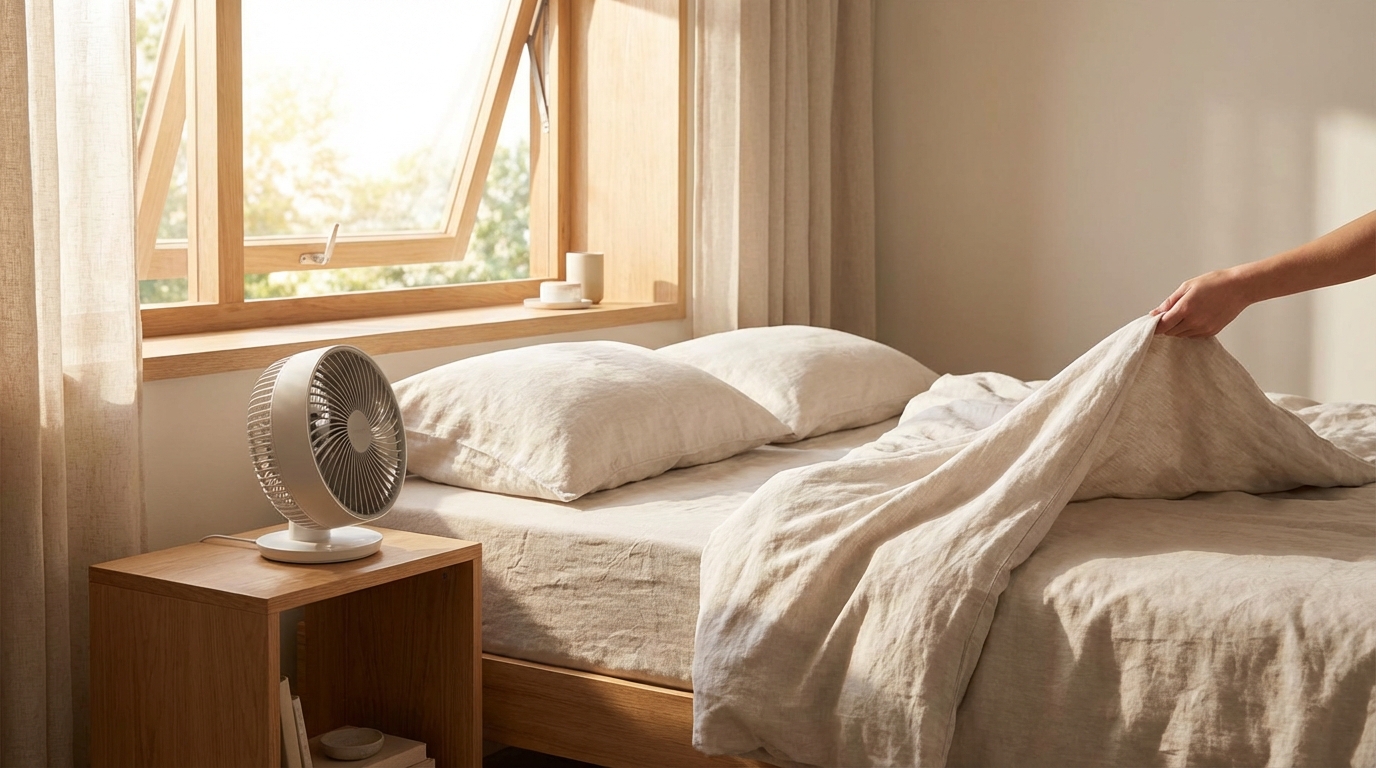
Sleep is shaped by many parts of the indoor environment, and room temperature is one of the most important. The human body follows a daily rhythm that changes body heat, alertness, and hormone release over a 24-hour period. When indoor temperature supports these natural changes, falling asleep and staying asleep becomes easier. When it does not, even healthy sleepers may struggle with restlessness or frequent waking.
Indoor temperature affects sleep quality in quiet but powerful ways. It influences how quickly the body cools down at night, how deeply sleep cycles progress, and how refreshed a person feels in the morning. Because people spend many hours sleeping indoors, small differences in temperature can add up over time. Understanding how temperature works with the body helps explain why some nights feel restful while others do not.
The Body’s Temperature Rhythm and Sleep
The human body does not keep the same temperature all day and night. Core body temperature naturally rises during the day to support alertness and activity. In the evening, it begins to drop, signaling the brain that it is time to prepare for sleep. This drop is a key part of the sleep process and helps trigger drowsiness.
Indoor temperature can either support or interfere with this natural cooling process. When a room is cooler than daytime spaces, the body releases heat more easily. This helps the brain move into sleep mode. When the room is too warm, the body struggles to cool down, which can delay sleep or make it lighter and less stable.
Melatonin and Temperature
Melatonin is a hormone that plays a major role in sleep timing. It is released in the evening and helps coordinate the body’s internal clock. The release of melatonin is closely linked with a drop in core body temperature. When indoor temperature supports this drop, melatonin can do its job more effectively.
If a room stays too warm, melatonin release may still happen, but its effects can feel weaker. People may feel sleepy but restless at the same time. This mismatch between hormones and environment can reduce sleep depth and increase nighttime awakenings.
Recommended Indoor Temperature Ranges for Sleep
Sleep researchers often suggest a specific temperature range that works well for most adults. While individual comfort varies, a slightly cool room tends to support better sleep than a warm one. This range allows the body to release heat without becoming uncomfortably cold.
Many sleep studies point to an indoor nighttime temperature between 60 and 67 degrees Fahrenheit. This range supports the body’s natural cooling process and reduces sweating or overheating. For some people, especially older adults or children, a slightly warmer range may feel more comfortable.
Why Cooler Is Usually Better
Cooler indoor temperatures help the body move into deeper stages of sleep. During these stages, breathing slows, muscles relax, and the brain processes memories. If the room is too warm, the body may stay in lighter sleep stages to manage heat stress.
A cool room does not mean feeling cold under the covers. Bedding and sleepwear create a microclimate around the body. When the room air is cool but blankets provide warmth, the body can balance heat more effectively throughout the night.
How Temperature Affects Different Stages of Sleep
Sleep is not a single state but a cycle of stages that repeat through the night. These include light sleep, deep sleep, and rapid eye movement (REM) sleep. Each stage responds differently to indoor temperature. A stable, supportive temperature helps these stages flow smoothly.
When temperature is uncomfortable, the brain may partially wake to correct the problem. These brief awakenings may not be remembered in the morning, but they interrupt sleep cycles. Over time, repeated interruptions can reduce sleep quality and daytime energy.
Deep Sleep and Cooling
Deep sleep is especially sensitive to temperature. During this stage, the body focuses on physical repair and immune function. Core body temperature drops further, and the body is less responsive to the environment.
If the room is too warm, the body may struggle to maintain deep sleep. The brain may shift back to lighter sleep stages to manage heat. This can shorten deep sleep time and reduce the physical benefits of rest.
REM Sleep and Temperature Stability
REM sleep is linked to dreaming, learning, and emotional processing. During REM sleep, the body loses some ability to regulate temperature. This makes a stable indoor environment especially important.
Large temperature swings during the night can disrupt REM sleep. A room that stays consistently cool helps protect this stage and supports mental clarity and mood regulation the next day.
Effects of a Room That Is Too Warm
A warm bedroom is one of the most common causes of poor sleep. Heat makes it harder for the body to release excess warmth, leading to discomfort. Even small increases above a comfortable range can affect sleep depth.
Overheating at night often leads to tossing and turning. People may wake up to adjust blankets or seek cooler spots in the bed. These movements fragment sleep and reduce its restorative value.
Night Sweats and Dehydration
High indoor temperatures can trigger night sweats, even in people without medical conditions. Sweating is the body’s attempt to cool itself, but it can cause discomfort and chills. Wet bedding and clothing further disrupt sleep.
Excessive sweating may also lead to mild dehydration. This can contribute to morning headaches, dry mouth, and fatigue. Keeping the room cooler reduces the need for the body to rely on sweating for temperature control.
Increased Heart Rate and Stress
Heat places extra stress on the cardiovascular system. When the body is warm, the heart works harder to move blood to the skin for cooling. This can raise heart rate during sleep.
A higher nighttime heart rate is linked to lighter sleep and more awakenings. A cooler indoor temperature allows the heart to slow down, supporting calmer and more stable sleep.
Effects of a Room That Is Too Cold
While warmth often gets more attention, a room that is too cold can also disturb sleep. Cold air can cause discomfort, muscle tension, and difficulty relaxing. The body may struggle to maintain a stable core temperature.
When the room is very cold, the body uses energy to stay warm. This can interfere with the relaxation needed for sleep. Shivering or cold hands and feet are clear signs that the environment is not supportive.
Cold Extremities and Sleep Onset
Warm hands and feet help signal the body that it is time for sleep. They allow heat to move from the core to the skin, lowering core temperature. In a cold room, blood vessels in the hands and feet may tighten.
This tightening keeps heat in the core but delays the cooling signal needed for sleep onset. Wearing socks or using extra bedding can help balance warmth without raising overall room temperature too much.
Dry Air and Cold Rooms
Cold indoor air often holds less moisture, leading to dry conditions. Dry air can irritate the nose, throat, and skin. This irritation may cause coughing or discomfort that interrupts sleep.
Balancing temperature with humidity helps create a more comfortable environment. A room that is cool but not dry supports easier breathing and smoother sleep.
Individual Differences in Temperature Preference
No single temperature feels perfect for everyone. Age, body composition, health status, and personal habits all influence comfort. What feels cool and calming to one person may feel cold to another.
Metabolism plays a role in how heat is produced and released. People with higher metabolic rates may prefer cooler rooms, while those with lower rates may need slightly warmer settings. Paying attention to personal sleep patterns helps identify the best range.
Gender and Hormonal Factors
Hormonal changes can affect temperature sensitivity. For example, menstrual cycles, pregnancy, and menopause may change how warmth is perceived at night. Hot flashes and night sweats can make temperature control more challenging.
Flexible bedding and adjustable room settings can help manage these changes. Rather than setting one fixed temperature, using layers allows for quick adjustments during the night.
Body Size and Heat Retention
Body size and composition affect how heat is stored and released. People with more body mass may retain heat longer, making cooler rooms more comfortable. Leaner individuals may lose heat faster and prefer warmer conditions.
Understanding these differences helps avoid frustration when sharing a bedroom. Small changes in bedding or sleepwear can create comfort without changing the entire room temperature.
Age-Related Changes in Temperature and Sleep
Age changes how the body regulates temperature. Infants, children, adults, and older adults all have different needs. Indoor temperature that supports sleep for one age group may not suit another.
As people age, the ability to regulate body temperature often declines. This makes older adults more sensitive to both heat and cold. A stable and carefully controlled indoor environment becomes more important.
Children and Sleep Temperature
Children generally sleep better in slightly cooler rooms, similar to adults. Overheating can increase restlessness and night wakings. Because children may not recognize or communicate discomfort, room temperature deserves special attention.
Light bedding and breathable sleepwear help prevent overheating. Caregivers often find that a cool room combined with appropriate blankets supports longer and more peaceful sleep.
Older Adults and Temperature Sensitivity
Older adults may feel colder at night due to changes in circulation and metabolism. They may also wake more easily in response to discomfort. A room that is too cool can increase nighttime awakenings.
Using warm bedding while keeping the room air moderately cool often works well. This approach supports the body’s cooling rhythm without causing cold stress.
The Role of Humidity and Airflow
Temperature does not work alone. Humidity and airflow shape how temperature feels and how the body responds. A room that is technically cool may still feel uncomfortable if humidity is high.
Airflow helps move heat away from the body. Gentle air movement can improve comfort without lowering the thermostat. However, strong drafts may cause uneven cooling and discomfort.
High Humidity and Sleep Disruption
High humidity reduces the body’s ability to cool itself through sweating. Even moderate temperatures can feel oppressive when humidity is high. This can lead to sticky skin and restless sleep.
Managing humidity through ventilation or dehumidifiers supports better temperature control. A balanced environment helps the body cool naturally and remain comfortable.
Air Movement and Perceived Temperature
Fans and ventilation systems change how temperature is perceived. Moving air increases heat loss from the skin, making a room feel cooler. This can be helpful in warm conditions.
At the same time, constant airflow directly on the body may cause dryness or muscle stiffness. Adjusting fan direction and speed helps create a gentle and supportive sleep environment.
Bedding, Sleepwear, and Temperature Control
What touches the body during sleep matters as much as the air temperature. Bedding and sleepwear create a personal climate that can trap or release heat. Choosing the right materials supports better temperature balance.
Natural fibers like cotton and wool often allow better airflow than synthetic materials. Breathable fabrics help reduce overheating and moisture buildup during the night.
Layering for Flexibility
Layered bedding allows for easy adjustments without changing the thermostat. A light sheet combined with a heavier blanket gives options. If the body warms up, layers can be removed quickly.
This flexibility is especially helpful for shared bedrooms. Each person can adjust their own side of the bed to match personal comfort needs.
Sleepwear Choices
Sleepwear affects how heat is held or released. Loose-fitting clothing allows air to circulate, supporting cooling. Tight or heavy garments may trap heat and cause discomfort.
Some people sleep better with minimal clothing, while others prefer coverage for comfort. The key is choosing options that support the body’s natural temperature rhythm.
Seasonal Changes and Indoor Sleep Temperature
Outdoor seasons influence indoor environments. Heating and cooling systems change air temperature, humidity, and airflow. Adjusting sleep settings with the seasons helps maintain consistent sleep quality.
In warmer months, indoor spaces may stay warmer at night. In colder months, heating systems can dry out the air. Each season brings unique challenges for sleep comfort.
Summer Sleep Challenges
Summer heat can make it difficult to keep bedrooms cool. Higher nighttime temperatures may delay sleep onset and increase sweating. Air conditioning or nighttime ventilation can help manage these effects.
Light bedding and breathable fabrics are especially important in warm seasons. Keeping heat-producing electronics out of the bedroom also helps reduce nighttime warmth.
Winter Sleep Challenges
During winter, heating systems may create overly warm or dry indoor air. This can lead to discomfort and disrupted sleep. Lowering the thermostat slightly at night often improves sleep quality.
Adding moisture to the air and using warm bedding allows the room to stay cooler without causing cold stress. This balance supports the body’s natural cooling process.
Health Conditions Influenced by Sleep Temperature
Certain health conditions are sensitive to indoor temperature during sleep. Managing the environment can reduce symptoms and improve rest. Temperature control becomes part of overall health support.
Conditions such as insomnia, sleep apnea, and chronic pain may worsen in uncomfortable environments. While temperature is not a cure, it plays a supportive role.
Insomnia and Thermal Comfort
People with insomnia often have heightened sensitivity to their environment. Temperature discomfort can make it harder to fall asleep or return to sleep after waking. A stable and comfortable room reduces one source of stress.
Consistent temperature routines help signal the body that sleep time is approaching. This supports relaxation and may shorten the time it takes to fall asleep.
Respiratory Conditions and Temperature
Asthma and allergies can be affected by indoor air conditions. Very cold or very dry air may irritate airways. Warm, humid air may increase allergen growth.
Maintaining a moderate, well-ventilated sleep environment supports easier breathing. Temperature control works best when combined with clean air and balanced humidity.
Practical Ways to Manage Indoor Temperature for Sleep
Creating a sleep-friendly temperature does not always require major changes. Small adjustments can have meaningful effects. Attention to timing and consistency matters as much as the exact number on the thermostat.
Many strategies focus on helping the body cool down naturally before and during sleep. These approaches work together to support deeper and more stable rest.
The following strategies are commonly used to improve indoor sleep temperature:
- Lowering the thermostat one to two hours before bedtime
- Using breathable bedding and adjustable layers
- Keeping bedroom doors open for better airflow
- Limiting heat-producing devices in the bedroom
- Using fans to improve air movement without strong drafts
These steps help create a stable environment that supports the body’s nighttime cooling. Combining several small changes often works better than relying on a single solution.
Technology and Temperature Regulation
Modern technology offers new ways to manage indoor temperature. Programmable and smart thermostats allow precise control throughout the night. These tools can adjust temperature automatically based on time or conditions.
Wearable devices and sleep trackers also provide feedback on sleep quality. While not perfect, they may help identify patterns related to temperature and restlessness.
Smart Thermostats and Sleep Schedules
Smart thermostats can be set to lower temperature gradually in the evening. This mirrors the body’s natural cooling rhythm. Waking temperatures can also be adjusted to support easier mornings.
Consistency is key. When temperature changes follow a regular pattern, the body learns to expect sleep at certain times.
Cooling and Heating Mattress Technology
Some mattresses and mattress pads include temperature-regulating features. These systems can add or remove heat directly at the bed surface. This allows personalized control without changing room temperature.
Such technology may be helpful for people with strong temperature sensitivity. It adds another option for fine-tuning sleep comfort.
Measuring and Adjusting Bedroom Temperature
Accurate measurement helps guide adjustments. Thermostats in hallways may not reflect bedroom conditions. Using a simple room thermometer provides clearer information.
Temperature can vary within a room based on windows, insulation, and airflow. Understanding these differences helps identify problem areas.
Timing of Temperature Changes
Temperature adjustments work best when made before bedtime. Lowering the room after getting into bed may cause discomfort. Gradual changes support relaxation.
Morning temperature increases can also help with waking. A slightly warmer room in the morning supports alertness and movement.
Consistency Across Nights
Sleep benefits from routine. Large temperature changes from night to night can confuse the body’s rhythm. Keeping a consistent range supports predictable sleep patterns.
Minor adjustments for weather or comfort are normal. The goal is a stable baseline that supports rest most nights.
Common Myths About Temperature and Sleep
Many beliefs about sleep temperature are oversimplified. Not everyone sleeps best in the same conditions. Understanding the science helps move beyond myths.
Some myths lead people to make changes that do not support their own comfort. Awareness encourages more thoughtful adjustments.
“Warmer Rooms Always Mean Cozier Sleep”
Warmth may feel comforting at first, but it often disrupts sleep later in the night. Coziness comes from balanced warmth, not high air temperature. Bedding usually provides enough warmth on its own.
A cooler room paired with warm blankets often feels more comfortable than a hot room. This combination supports both comfort and sleep depth.
“One Perfect Temperature Works for Everyone”
There is no universal perfect number. Recommendations are averages, not rules. Personal comfort and sleep quality matter more than hitting a specific temperature.
Experimenting within a reasonable range helps identify what works best. Paying attention to sleep quality is the most useful guide.