
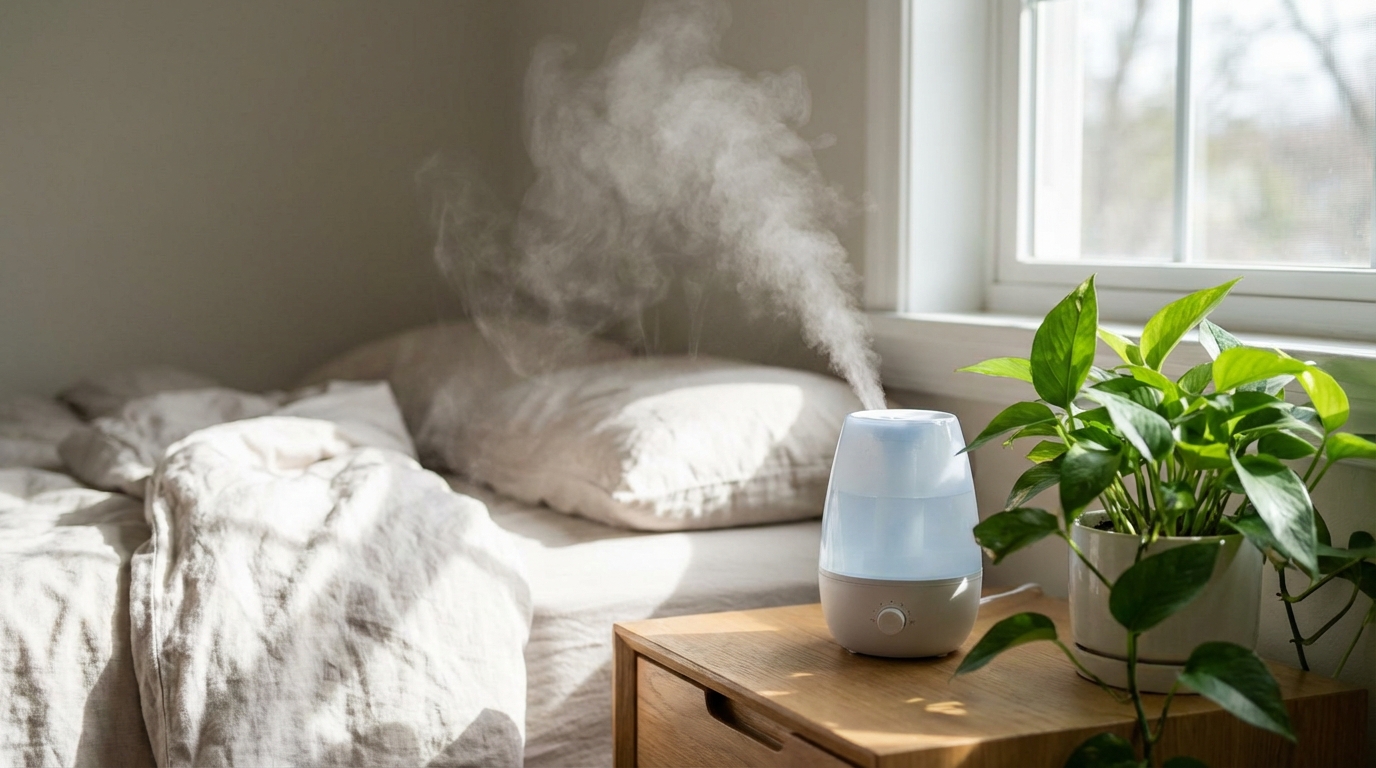
Indoor humidity plays a quiet but powerful role in daily comfort. Moisture in the air affects how the body breathes, how easily the nose and throat stay comfortable, and how well sleep cycles can unfold at night. When humidity is too low or too high, the body has to work harder to stay balanced, often leading to dry airways, congestion, or restless sleep. Understanding how indoor humidity works makes it easier to create a healthier and more comfortable indoor environment.
Understanding Indoor Humidity
Indoor humidity refers to the amount of water vapor present in the air inside a home or building. It is commonly described as relative humidity, which compares the current moisture level to the maximum amount the air can hold at a given temperature. Because warm air holds more moisture than cool air, humidity levels can change quickly as temperatures rise or fall indoors. Even small shifts in moisture can affect comfort, breathing, and sleep quality.
Many indoor spaces experience humidity levels that change throughout the day. Activities such as cooking, showering, and even breathing add moisture to the air. At the same time, heating and cooling systems can remove or redistribute moisture in ways that are not always noticeable. These constant changes make indoor humidity an important but often overlooked part of indoor comfort.
What Relative Humidity Means
Relative humidity is expressed as a percentage, showing how full the air is with moisture compared to its maximum capacity. For example, 50 percent relative humidity means the air is holding half of the moisture it could hold at that temperature. This number matters because the body responds more to relative humidity than to absolute moisture levels. Comfort, breathing ease, and sleep quality all depend on staying within a healthy range.
When relative humidity drops too low, moisture evaporates quickly from the skin and airways. When it rises too high, evaporation slows, making the air feel heavy and warm. Both extremes can cause discomfort, even if the temperature feels normal. This is why humidity control is often as important as temperature control indoors.
Common Sources of Indoor Moisture
Indoor moisture comes from a mix of everyday activities and building features. People release moisture into the air simply by breathing and sweating. Cooking, washing dishes, doing laundry, and taking showers can quickly raise humidity levels, especially in small or poorly ventilated spaces.
Outdoor air also influences indoor humidity. When windows or doors are opened, outdoor moisture moves inside, raising or lowering indoor levels depending on the weather. Basements, crawl spaces, and poorly sealed walls can also allow moisture to seep in, creating damp conditions that affect air quality and comfort.
How Indoor Humidity Affects Breathing
Breathing comfort is closely tied to the amount of moisture in the air. The nose, throat, and lungs are lined with sensitive tissues that work best when they stay slightly moist. Indoor air that is too dry or too humid can irritate these tissues, making breathing feel harder or less comfortable. Over time, poor humidity levels can contribute to ongoing respiratory discomfort.
People often notice breathing issues more clearly at night or during long periods indoors. Dry air may cause scratchy throats and coughing, while damp air can feel heavy and restrictive. Maintaining balanced humidity helps support the natural filtering and moisturizing functions of the respiratory system.
Effects of Low Humidity on Airways
Low indoor humidity is common during colder months when heating systems dry out the air. Dry air pulls moisture from the nasal passages and throat, leading to dryness, irritation, and sometimes nosebleeds. These conditions can make breathing uncomfortable, especially for people with sensitive airways.
Dry air can also reduce the effectiveness of the body’s natural defenses. Mucus in the nose and throat helps trap dust and germs, but it works best when properly hydrated. When humidity is too low, this protective layer becomes thinner, making it easier for irritants to reach the lungs.
Effects of High Humidity on Breathing
High indoor humidity can make breathing feel heavier and less refreshing. Moist air slows the evaporation of moisture from the lungs, which can create a sensation of shortness of breath. This effect is more noticeable during physical activity or when lying down to sleep.
Excess humidity can also encourage the growth of mold and dust mites. These allergens release particles into the air that can trigger coughing, wheezing, or congestion. For people with asthma or allergies, high humidity can make breathing symptoms more frequent or intense.
Humidity and Sleep Quality
Sleep depends on a stable and comfortable indoor environment. Humidity affects how the body regulates temperature during rest, which is a key part of healthy sleep cycles. When humidity is unbalanced, the body may struggle to cool down or stay comfortable through the night. This can lead to frequent waking or lighter sleep.
Many sleep disruptions linked to humidity happen gradually. A person may not notice the cause but may wake feeling tired, congested, or overheated. Adjusting indoor moisture levels can remove one of the hidden barriers to deeper, more restful sleep.
Humidity and Body Temperature During Sleep
The body naturally lowers its core temperature during sleep. Humidity affects how efficiently heat leaves the body through the skin. Low humidity can make the air feel cooler than it is, sometimes causing discomfort or chills during the night.
High humidity, on the other hand, makes it harder for sweat to evaporate. This can trap heat close to the body, leading to overheating and restlessness. Balanced humidity helps the body maintain a steady temperature that supports uninterrupted sleep.
Nighttime Breathing and Nasal Comfort
Nasal passages are especially sensitive during sleep. Dry air can cause congestion, snoring, or a dry mouth by morning. These issues can interrupt sleep and reduce oxygen flow, affecting how refreshed a person feels after waking.
Excess moisture can also create problems at night. High humidity may worsen nasal congestion by swelling the tissues in the nose. Finding a humidity level that keeps airways comfortable can improve nighttime breathing and reduce sleep disturbances.
Ideal Indoor Humidity Ranges
Health and comfort experts generally agree that moderate humidity levels work best for most people. While personal preferences vary, there is a range that supports breathing, skin comfort, and sleep quality. Staying within this range helps reduce the risk of dryness, mold growth, and allergen buildup.
Humidity needs can also change based on the season, climate, and building design. Understanding these differences makes it easier to adjust indoor environments without overcorrecting. Small adjustments often bring noticeable improvements in comfort.
The following ranges are commonly recommended for indoor spaces:
- 30 to 50 percent relative humidity for most living areas
- Closer to 40 percent during winter months to reduce dryness
- Up to 50 percent during warmer months to limit mold growth
These ranges support healthy airways while limiting conditions that allow allergens to thrive. Staying within them does not require constant monitoring, but awareness helps prevent extreme conditions. Simple tools and habits can keep indoor humidity from drifting too far in either direction.
Managing Indoor Humidity for Better Comfort
Managing indoor humidity involves balancing moisture sources with ventilation and climate control. Small daily habits can make a noticeable difference in how indoor air feels. Because both high and low humidity cause problems, management focuses on gentle adjustments rather than drastic changes.
Many homes already have tools that influence humidity, even if they are not designed for that purpose. Heating, cooling, and airflow all play roles in moisture levels. Understanding how to use these systems effectively can improve breathing comfort and sleep quality.
Reducing Excess Humidity
High humidity often comes from trapped moisture and poor airflow. Ventilation is one of the most effective ways to lower moisture levels indoors. Exhaust fans in kitchens and bathrooms help remove humid air before it spreads throughout the home.
Dehumidifiers are another option for spaces that stay damp, such as basements. Air conditioning systems also remove moisture as they cool the air. Together, these tools can keep humidity within a comfortable range without making the air feel too dry.
Increasing Humidity in Dry Conditions
Dry indoor air is common in colder seasons or in buildings with strong heating systems. Adding moisture can ease breathing and improve sleep comfort. Portable humidifiers are often used to raise humidity in bedrooms or living spaces.
Simple actions can also help. Allowing some indoor plants, placing water trays near heat sources, or adjusting ventilation can add moisture naturally. These methods work best when combined with regular monitoring to avoid adding too much humidity.
Measuring and Monitoring Indoor Humidity
Knowing the current humidity level is the first step toward managing it. Hygrometers are simple devices that measure relative humidity and are widely available. Many digital thermostats and smart home systems also include humidity readings.
Regular monitoring helps spot patterns, such as daily spikes after showers or seasonal drops during winter. This information makes it easier to decide when to adjust ventilation or use humidity-control devices. Consistent awareness helps maintain stable indoor conditions.
Special Considerations for Sensitive Groups
Some people are more affected by indoor humidity than others. Children, older adults, and people with respiratory conditions often notice discomfort sooner. Their airways and immune systems may react more strongly to dry or damp air.
For these groups, maintaining balanced humidity can support easier breathing and better sleep. Even small improvements can reduce irritation, coughing, or congestion. Attention to indoor moisture is especially important in bedrooms and spaces where long periods are spent.
Humidity, Building Materials, and Indoor Air Quality
Indoor humidity does not only affect people; it also affects the building itself. Materials like wood, drywall, and insulation respond to moisture changes. Too much humidity can lead to warping, peeling paint, or mold growth.
Low humidity can cause materials to dry out and crack. These changes can release particles into the air, affecting air quality. Keeping humidity stable helps protect both the structure of the building and the comfort of those inside.
Seasonal Changes in Indoor Humidity
Indoor humidity naturally shifts with the seasons. Winter air tends to be drier, especially in colder climates where heating systems run often. This can lead to dry skin, irritated airways, and disrupted sleep if not addressed.
Summer air usually carries more moisture, particularly in humid regions. Without proper ventilation or cooling, indoor spaces can become damp and uncomfortable. Adjusting humidity management strategies throughout the year helps maintain consistent comfort regardless of outdoor conditions.