
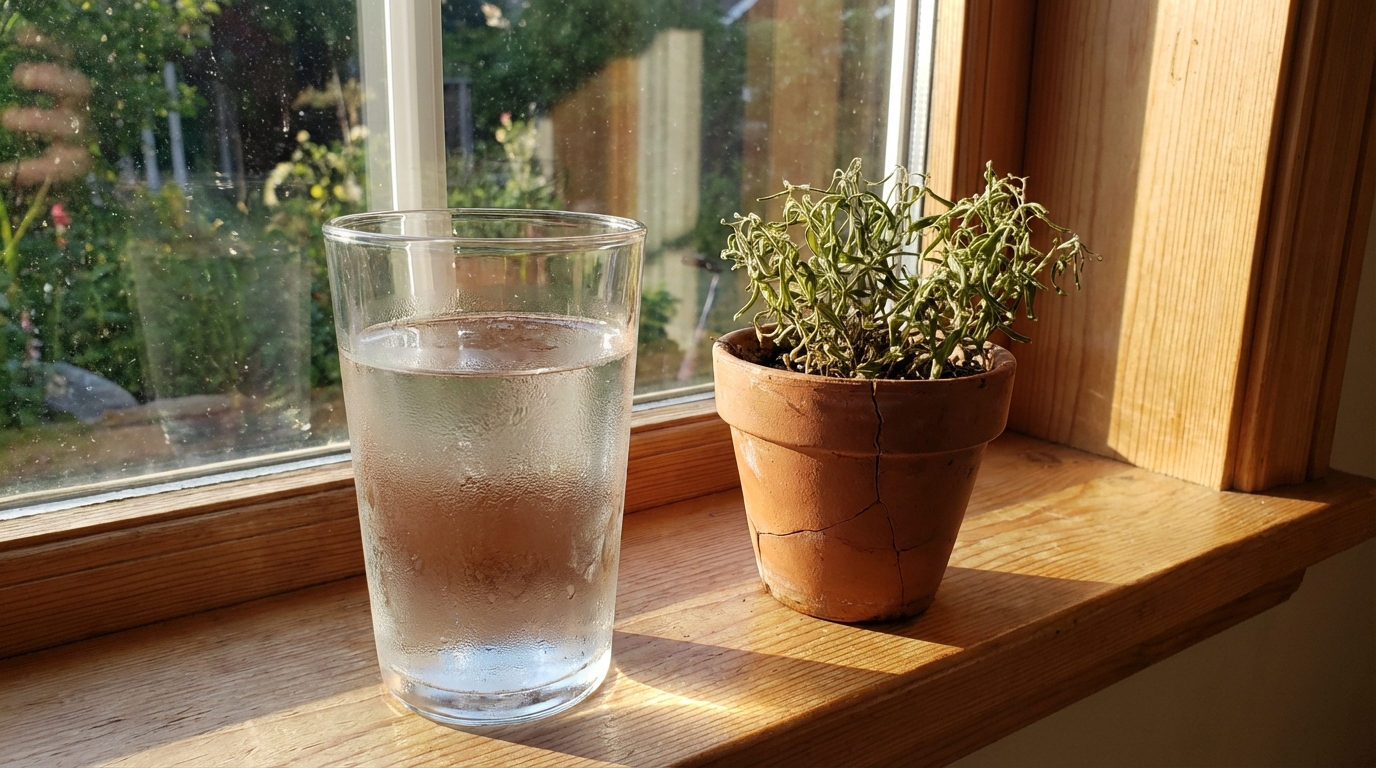
Humidity is a quiet but powerful part of the indoor environment. It describes how much water vapor is present in the air, and it can change how the body feels from hour to hour. Even when temperature stays the same, air that is too dry or too damp can affect comfort, breathing, and sleep quality. Many people notice these effects without realizing humidity is the cause.
Indoor humidity levels shift with weather, seasons, building design, and daily activities like cooking or showering. Heating and cooling systems also play a large role by drying or trapping moisture in the air. Because people spend much of their time indoors, especially during sleep, understanding humidity helps explain why some rooms feel refreshing while others feel stuffy or irritating. Comfort is not only about warmth or coolness but also about moisture balance.
Understanding Humidity and Indoor Air
Humidity refers to the amount of moisture in the air, often discussed as relative humidity. Relative humidity compares how much water vapor the air holds to how much it could hold at a certain temperature. Warm air can hold more moisture than cool air, which is why humidity changes when air is heated or cooled indoors. This relationship helps explain why winter air often feels dry while summer air can feel heavy.
Indoor humidity is influenced by both outdoor conditions and indoor activities. Rainy weather, snow, and coastal climates can raise humidity levels, while cold winter air tends to lower them. Inside a home or building, moisture comes from people breathing, plants releasing water, and appliances like dishwashers. Without proper ventilation, moisture can build up or drop too low.
How Dry Air Affects Breathing
Dry air can irritate the respiratory system by removing moisture from sensitive tissues. The nose, throat, and airways are lined with moist membranes that help trap dust and germs. When the air is too dry, these membranes can dry out, making breathing feel uncomfortable or scratchy. This dryness may increase the feeling of congestion even when no illness is present.
People with allergies or asthma may notice stronger reactions in dry air. Dry conditions can allow tiny particles like dust to stay airborne longer. When inhaled, these particles may trigger coughing, sneezing, or wheezing. The lack of moisture can also make mucus thicker, which makes it harder for the body to clear the airways naturally.
Dry Air and Nasal Passages
The nasal passages are often the first area affected by low humidity. Dry air can cause the inside of the nose to feel tight or itchy. In some cases, it may lead to nosebleeds because delicate blood vessels become more likely to crack. These issues can make breathing through the nose less comfortable, especially at night.
When nasal passages are dry, people may switch to breathing through the mouth. Mouth breathing can further dry the throat and increase irritation. Over time, this cycle can make breathing feel more labored than it should. Even healthy individuals can notice these effects after long periods in dry indoor air.
Dry Air and Sleep Quality
Sleep depends on steady, comfortable breathing, and dry air can interfere with this process. Irritated airways may lead to coughing or throat discomfort that disrupts rest. People may wake up feeling thirsty or with a dry mouth, which can break sleep cycles. These small interruptions add up and reduce the feeling of being well-rested.
Dry air can also affect how warm or cool the body feels during sleep. Low humidity can make the air feel cooler, which may seem pleasant at first but can lead to chills overnight. As the body tries to stay comfortable, sleep may become lighter. This can reduce time spent in deeper stages of sleep.
Snoring and Dry Air
Snoring is often linked to airway vibration, and dryness can make this worse. When throat tissues dry out, they may become more irritated and swollen. This can narrow the airway slightly, increasing the chance of snoring. While dry air does not cause snoring by itself, it can make existing snoring more noticeable.
People who already snore or have sleep-related breathing issues may find relief when humidity is balanced. Moist air can help keep tissues flexible and less irritated. This may lead to quieter breathing and fewer nighttime disturbances. Small changes in humidity can sometimes make a noticeable difference.
How Damp Air Affects Breathing
Air that is too humid can feel heavy and difficult to breathe. High humidity makes it harder for sweat to evaporate, which can cause the body to feel overheated. This discomfort can extend to the respiratory system, creating a sense of tightness or air hunger. Breathing may feel more tiring in very damp conditions.
Excess moisture in the air can also support the growth of mold, dust mites, and bacteria. These allergens thrive in humid environments and can become airborne. When inhaled, they may trigger allergy symptoms such as sneezing, itchy eyes, or shortness of breath. For sensitive individuals, damp air can worsen respiratory conditions.
Mold and Moisture in the Airways
Mold spores are tiny and easily inhaled when present in indoor air. High humidity creates ideal conditions for mold growth on walls, ceilings, and fabrics. Once airborne, spores can irritate the lungs and airways. This can be especially challenging for people with asthma or weakened immune systems.
Even without visible mold, damp air can carry a musty smell that signals excess moisture. Breathing this air for long periods may lead to headaches or fatigue. The body may work harder to filter the air, adding stress to the respiratory system. Proper moisture control helps reduce these risks.
Damp Air and Sleep Discomfort
Sleeping in a humid room can feel sticky and uncomfortable. High humidity reduces the body’s ability to cool itself through sweat evaporation. As a result, the body may overheat during the night. This can cause frequent waking and restlessness.
Humid air can also affect bedding and mattresses. Moisture can become trapped in fabrics, making them feel clammy. This sensation can make it harder to fall asleep or stay asleep. Over time, poor sleep quality can affect mood, focus, and overall well-being.
Nighttime Breathing in Humid Conditions
In very humid air, breathing can feel shallow or labored during sleep. The air may feel thick, especially in rooms with limited airflow. This sensation can lead to anxiety or discomfort at night. Some people may wake up feeling like the air is stale.
Humidity can also worsen snoring and sleep apnea symptoms. Swollen nasal tissues and congestion are more common in damp environments. These changes can narrow airways and disrupt steady breathing. Balanced humidity supports smoother airflow throughout the night.
Ideal Indoor Humidity for Comfort
Most experts agree that a moderate humidity range supports comfort and health. Indoor air that is neither too dry nor too damp allows the body to regulate itself more easily. This balance helps protect the respiratory system and supports better sleep. Comfort often improves when humidity stays within a recommended range.
The ideal range can shift slightly based on season and personal preference. In general, indoor humidity between 30 and 50 percent is considered comfortable for most people. Staying within this range helps reduce irritation, allergens, and sleep disturbances. Consistency is often more important than hitting an exact number.
Why Balance Matters More Than Extremes
Problems tend to appear at both ends of the humidity scale. Very low humidity dries out tissues, while very high humidity encourages allergens. Balanced humidity reduces these extremes and supports steady breathing. It also helps protect furniture, wood floors, and electronics from damage.
Maintaining balance can be challenging as outdoor conditions change. Heating systems often dry out winter air, while summer heat can trap moisture inside. Awareness of these patterns makes it easier to adjust indoor conditions. Small adjustments can have a large impact on comfort.
Measuring Indoor Humidity
Understanding indoor humidity starts with measuring it. A hygrometer is a simple device that shows relative humidity levels. Many modern thermostats and air purifiers include this feature. Regular checks help identify patterns and problem areas.
Humidity can vary from room to room, especially in multi-level buildings. Bathrooms, kitchens, and basements often have higher moisture levels. Bedrooms may become drier at night when heating systems run. Measuring in different areas gives a clearer picture of overall indoor conditions.
Managing Dry Indoor Air
Dry indoor air is common during colder months when heating systems run often. Adding moisture back into the air can ease breathing and improve sleep. Simple changes can make a noticeable difference without major effort. The goal is to raise humidity gently and safely.
Before making changes, it helps to identify the main causes of dryness. Continuous heating, poor insulation, and outdoor weather all play a role. Addressing these factors together often works better than relying on a single solution. Balance should remain the focus.
Several practical methods are often used to increase indoor humidity:
- Using a humidifier in bedrooms or living spaces.
- Placing bowls of water near heat sources.
- Allowing bathroom moisture to spread after showers.
- Adding indoor plants that release moisture.
These approaches can raise humidity gradually when used correctly. Humidifiers are especially helpful at night, when dry air can disrupt sleep. Care should be taken to avoid over-humidifying, as this can create new problems. Regular cleaning of devices helps maintain healthy air.
Managing Excess Indoor Humidity
High indoor humidity often occurs in warm or rainy seasons. Reducing moisture helps prevent breathing discomfort and sleep disruption. The process usually involves removing moisture and improving airflow. Consistent efforts are more effective than quick fixes.
Ventilation is one of the most important tools for managing damp air. Exhaust fans in kitchens and bathrooms help remove moisture at the source. Opening windows when outdoor air is drier can also help. Air movement supports evaporation and reduces stale conditions.
Common strategies for lowering indoor humidity include:
- Using a dehumidifier in damp areas.
- Running exhaust fans during cooking and bathing.
- Fixing leaks and water intrusion promptly.
- Keeping doors open to improve air circulation.
These steps help limit moisture buildup that can affect breathing and sleep. Dehumidifiers are especially useful in basements and bedrooms with poor airflow. Regular maintenance ensures they work efficiently. Moisture control also helps protect indoor surfaces.
Seasonal Changes and Humidity Effects
Humidity levels often shift with the seasons, bringing different comfort challenges. Winter air tends to be dry because cold outdoor air holds less moisture. When this air is heated indoors, humidity drops further. Many people notice dry skin, throats, and nasal passages during this time.
Summer brings the opposite challenge in many regions. Warm air holds more moisture, and air conditioning can trap humidity indoors. Storms and rainfall can also raise indoor moisture levels. Adapting humidity control methods by season helps maintain comfort year-round.
Transition Periods in Spring and Fall
Spring and fall often bring fluctuating humidity levels. Outdoor conditions can change rapidly, making indoor control more difficult. Heating and cooling systems may cycle on and off, affecting moisture balance. These transitions can lead to mixed symptoms of dryness and dampness.
During these periods, monitoring humidity becomes especially helpful. Small adjustments, such as short ventilation periods or limited humidifier use, may be enough. Flexibility is key as conditions shift. Awareness helps prevent discomfort before it becomes noticeable.
Humidity and Vulnerable Populations
Certain groups are more sensitive to humidity changes. Children, older adults, and people with chronic respiratory conditions often feel the effects more strongly. Their airways may be more reactive to dryness or dampness. Maintaining balanced humidity can support their comfort and health.
Infants, for example, breathe faster than adults and spend more time sleeping. Dry air can irritate their nasal passages, while damp air can increase exposure to allergens. Older adults may have drier skin and airways, making low humidity more uncomfortable. Thoughtful humidity control benefits all ages.
Allergies, Asthma, and Humidity
Allergy and asthma symptoms are closely tied to indoor air conditions. Dry air can increase airborne dust, while humid air can support dust mites and mold. Both extremes can trigger symptoms. Balanced humidity helps reduce these triggers.
For people with asthma, steady humidity can support easier breathing during sleep. Sudden changes may increase coughing or tightness. Monitoring and adjusting humidity as part of indoor air care can make daily life more comfortable. Medical advice should guide individual needs.
The Relationship Between Humidity, Temperature, and Ventilation
Humidity does not act alone in shaping indoor comfort. Temperature and ventilation work together with moisture levels. Warm air with high humidity feels very different from warm air that is dry. The body responds to the combined effect of these factors.
Ventilation helps control both temperature and humidity by moving air in and out. Fresh air can dilute indoor pollutants and balance moisture. Without ventilation, humidity problems are more likely to develop. Coordinated control leads to better breathing and sleep conditions.
Why Airflow Matters for Sleep
Airflow helps prevent moisture from settling around the body during sleep. Gentle circulation supports evaporation and temperature control. Stagnant air, whether dry or damp, can feel uncomfortable. Even airflow makes humidity feel more balanced.
Fans, vents, and open doors can improve circulation without major changes. Proper airflow reduces the feeling of stuffiness in humid air. In dry air, it helps distribute moisture more evenly. Together, these factors support restful sleep.
Common Misunderstandings About Humidity
Humidity is often misunderstood, leading to comfort problems. Some people assume higher humidity always feels warmer or that dry air is always healthier. In reality, both extremes can cause discomfort. Understanding these misconceptions helps guide better indoor choices.
Another common misunderstanding is that humidity only matters in extreme climates. Even moderate regions experience indoor humidity shifts due to heating and cooling. Ignoring these changes can lead to subtle but persistent discomfort. Awareness helps prevent long-term issues.
Balancing Comfort and Air Quality
Comfort and air quality are closely linked through humidity. Air that feels comfortable often supports healthier breathing. When humidity is ignored, air quality can suffer even in clean spaces. Moisture balance supports both physical comfort and respiratory ease.
Making small adjustments over time is often more effective than large changes. Regular monitoring and gentle corrections help maintain balance. This approach supports steady comfort without creating new problems. Indoor humidity remains a key factor in daily well-being.