
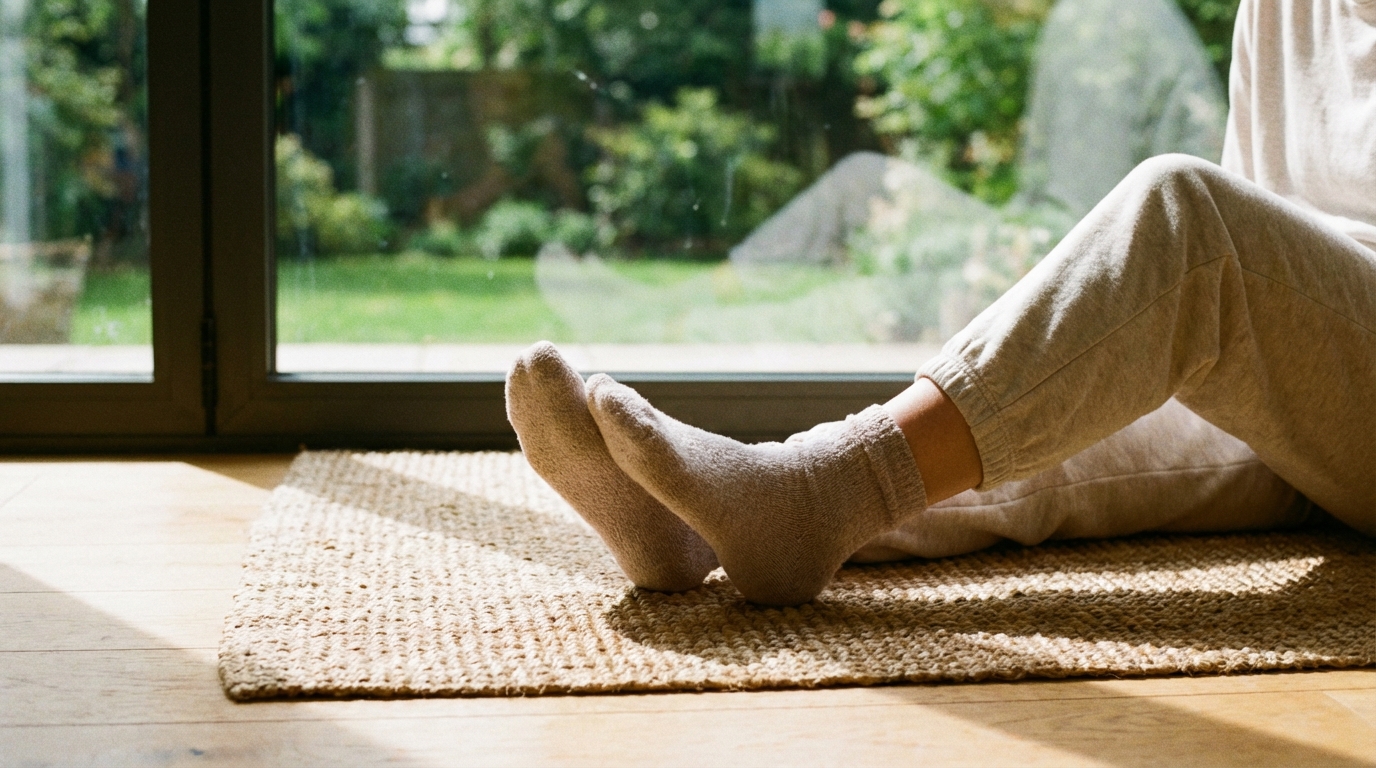
Gentle movement plays a quiet but important role in daily comfort. Simple actions like easy walking, light stretching, and relaxed joint motions can help the body feel less stiff and more at ease. These movements are not about pushing limits or building strength quickly, but about keeping the body active in a calm and steady way. Over time, gentle movement supports flexibility and helps the body move more smoothly through everyday tasks.
Understanding Gentle Movement
Gentle movement refers to low-intensity physical activity that keeps the body in motion without strain. It includes actions that feel comfortable and controlled, allowing muscles and joints to move through natural ranges. Unlike high-impact exercise, gentle movement focuses on ease, balance, and awareness. This approach makes it suitable for people of many ages and fitness levels.
The idea behind gentle movement is simple: the body is designed to move regularly. When movement is slow and steady, it can support circulation and joint lubrication without causing fatigue. Gentle movement often feels refreshing rather than exhausting. This makes it easier to include in daily life, even on busy or low-energy days.
How Stiffness Develops in Daily Life
Stiffness often builds up when the body stays in one position for too long. Sitting at a desk, standing in line, or lying down for extended periods can reduce blood flow to muscles and joints. Over time, tissues may feel tight, making movement feel harder or less comfortable. This stiffness can affect daily comfort and make simple tasks feel more effortful.
Modern routines often encourage long periods of stillness. Screens, commutes, and indoor activities can limit natural movement throughout the day. When the body does not move regularly, joints may feel less flexible, and muscles may shorten slightly. Gentle movement helps counter these effects by reintroducing regular motion.
The Connection Between Gentle Movement and Daily Comfort
Daily comfort is influenced by how easily the body moves through routine activities. Gentle movement supports comfort by helping muscles stay relaxed and joints stay mobile. When the body moves with less resistance, everyday actions like bending, reaching, or walking feel smoother. This can reduce the sense of effort during normal tasks.
Comfort is not only physical but also mental. Gentle movement can create a sense of ease and calm, which may reduce tension held in the body. When movement feels pleasant, it becomes something to look forward to rather than avoid. This positive relationship with movement can support overall well-being.
Common Types of Gentle Movement
There are many forms of gentle movement that can fit into daily routines. These movements are usually simple and require little or no equipment. They can be adjusted to match personal comfort levels and physical needs. Exploring different options helps individuals find what feels best for their bodies.
Easy Walking
Walking at a relaxed pace is one of the most accessible forms of gentle movement. It allows the whole body to move in a natural pattern while staying low impact. Even short walks can help loosen stiff muscles and encourage circulation. Walking can be done indoors or outdoors, making it easy to include throughout the day.
Light Stretching
Light stretching involves slowly lengthening muscles without bouncing or forcing. These stretches are often held briefly and performed within a comfortable range. Stretching helps muscles stay flexible and can reduce the feeling of tightness. It is especially helpful after periods of sitting or standing still.
Joint Mobility Movements
Joint mobility movements focus on moving joints through their natural ranges. Examples include gentle shoulder rolls, ankle circles, or neck turns. These actions help keep joints lubricated and responsive. Over time, regular joint movement can support smoother and more comfortable motion.
Breathing with Movement
Combining slow breathing with gentle movement can enhance relaxation. Deep, steady breaths help the body release tension while moving. This approach encourages awareness of how the body feels during motion. Breathing-focused movement can be calming and supportive for daily comfort.
How Gentle Movement Supports Flexibility
Flexibility refers to the ability of muscles and joints to move through their full range. Gentle movement supports flexibility by regularly taking the body through these ranges without strain. When muscles are used gently and often, they are more likely to stay supple. This can make everyday movements feel easier and less restricted.
Unlike intense stretching, gentle movement does not aim to push limits. Instead, it encourages gradual and comfortable motion. This steady approach can be more sustainable over time. Flexibility gained through gentle movement often feels more natural and usable in daily life.
The Role of Joints in Comfortable Movement
Joints connect bones and allow the body to move in many ways. When joints stay still for long periods, they may feel stiff or creaky. Gentle movement helps joints by encouraging the flow of synovial fluid, which supports smooth motion. This can reduce the feeling of stiffness during daily activities.
Regular joint movement also helps maintain awareness of how joints move. This awareness can support better posture and alignment. When joints move easily, the body can adapt more smoothly to different positions. This adaptability is key for daily comfort.
Muscle Relaxation Through Gentle Activity
Muscles can hold tension due to stress, posture, or inactivity. Gentle movement encourages muscles to contract and relax in a balanced way. This natural rhythm helps release built-up tension. Relaxed muscles are less likely to feel sore or tight during daily tasks.
Light activity also increases blood flow to muscles. Better circulation delivers oxygen and nutrients that support muscle health. This can help muscles feel warmer and more responsive. Over time, this contributes to a greater sense of physical ease.
The Nervous System and Ease of Movement
The nervous system plays a key role in how the body experiences movement. Gentle movement sends calming signals to the nervous system. These signals can help reduce the body’s stress response. When the nervous system is calm, muscles are more likely to relax.
Slow and controlled movements can also improve body awareness. This awareness helps the nervous system coordinate movement more smoothly. As coordination improves, movements may feel more efficient and less effortful. This supports comfort throughout the day.
Gentle Movement in Daily Routines
Incorporating gentle movement into daily routines does not require major changes. Small moments of movement can be added between regular activities. These moments help break up long periods of stillness. Over time, they add up to meaningful support for comfort and flexibility.
Consistency matters more than intensity. Gentle movement performed regularly can have a steady positive effect. When movement becomes part of daily habits, it feels more natural. This makes it easier to maintain over the long term.
Morning Movement for Ease
Morning is a common time for stiffness, especially after sleep. Gentle movements in the morning help wake up the body. Simple stretches or slow joint motions can ease the transition into the day. This can make morning routines feel smoother and less rushed.
Movement Breaks During the Day
Taking short movement breaks during the day helps counter long periods of sitting or standing. These breaks can be brief but effective. Standing up, walking a short distance, or doing a few gentle stretches can refresh the body. Regular breaks support comfort and focus.
Evening Movement for Relaxation
Evening gentle movement can help the body unwind. Slow and calming motions encourage relaxation after a busy day. This can reduce tension that builds up from daily activities. A relaxed body often feels more comfortable during rest.
Examples of Simple Gentle Movements
Simple movements can be performed almost anywhere. They do not require special clothing or equipment. These examples highlight how easy it can be to add gentle motion to the day. Each movement can be adjusted to suit individual comfort levels.
- Slow neck turns from side to side
- Shoulder rolls forward and backward
- Ankle circles while seated
- Easy standing side bends
- Relaxed arm swings
These movements can be done in short sets throughout the day. They help keep joints and muscles active without fatigue. Performing them slowly and with attention supports comfort. Over time, these small actions can make daily movement feel easier.
Supporting Comfort at Work and Home
Work and home environments often involve repetitive positions. Gentle movement helps balance these patterns. Adjusting posture and adding movement breaks can reduce stiffness. This supports comfort during long tasks.
At home, gentle movement can be woven into daily chores. Stretching while waiting, walking during calls, or moving lightly during breaks can help. These small changes reduce the impact of prolonged stillness. Comfort improves when movement becomes part of the environment.
Gentle Movement for Different Age Groups
Gentle movement is adaptable for different stages of life. Children, adults, and older adults can all benefit from low-intensity activity. The key is choosing movements that feel safe and comfortable. This flexibility makes gentle movement widely accessible.
As bodies change with age, movement needs may also change. Gentle movement respects these changes by focusing on comfort and control. This approach supports ongoing flexibility and ease. It helps maintain confidence in daily movement.
Safety and Awareness in Gentle Movement
Safety is an important part of any movement practice. Gentle movement should not cause pain or sharp discomfort. Paying attention to body signals helps prevent strain. Movements can always be modified or paused as needed.
Awareness of posture and breathing supports safe movement. Moving slowly allows time to notice how the body responds. This mindful approach reduces the risk of overdoing it. Comfort remains the priority.
The Importance of Consistency Over Intensity
Gentle movement works best when done regularly. Short, frequent sessions are often more effective than occasional longer ones. This steady approach supports lasting comfort and flexibility. It also fits more easily into daily schedules.
Intensity is less important than repetition. Movements that feel easy are more likely to be repeated. Over time, these repetitions support the body’s natural ability to move comfortably. This makes gentle movement a sustainable choice.
Noticing Changes in Daily Comfort
Changes from gentle movement may be subtle at first. Increased ease in getting up, reaching, or walking can signal progress. These small improvements add up over time. Paying attention to daily comfort helps reinforce the habit.
Comfort can vary from day to day. Gentle movement supports the body through these changes. By staying consistent, the body becomes more adaptable. This adaptability helps maintain comfort through different routines.
Gentle Movement as Part of a Balanced Lifestyle
Gentle movement complements other healthy habits. It works alongside rest, nutrition, and hydration. Together, these elements support how the body feels each day. Movement adds an active component to overall well-being.
Balance is key to comfort. Gentle movement provides activity without overload. This balance helps the body stay responsive and relaxed. Daily comfort benefits from this steady and supportive approach.