
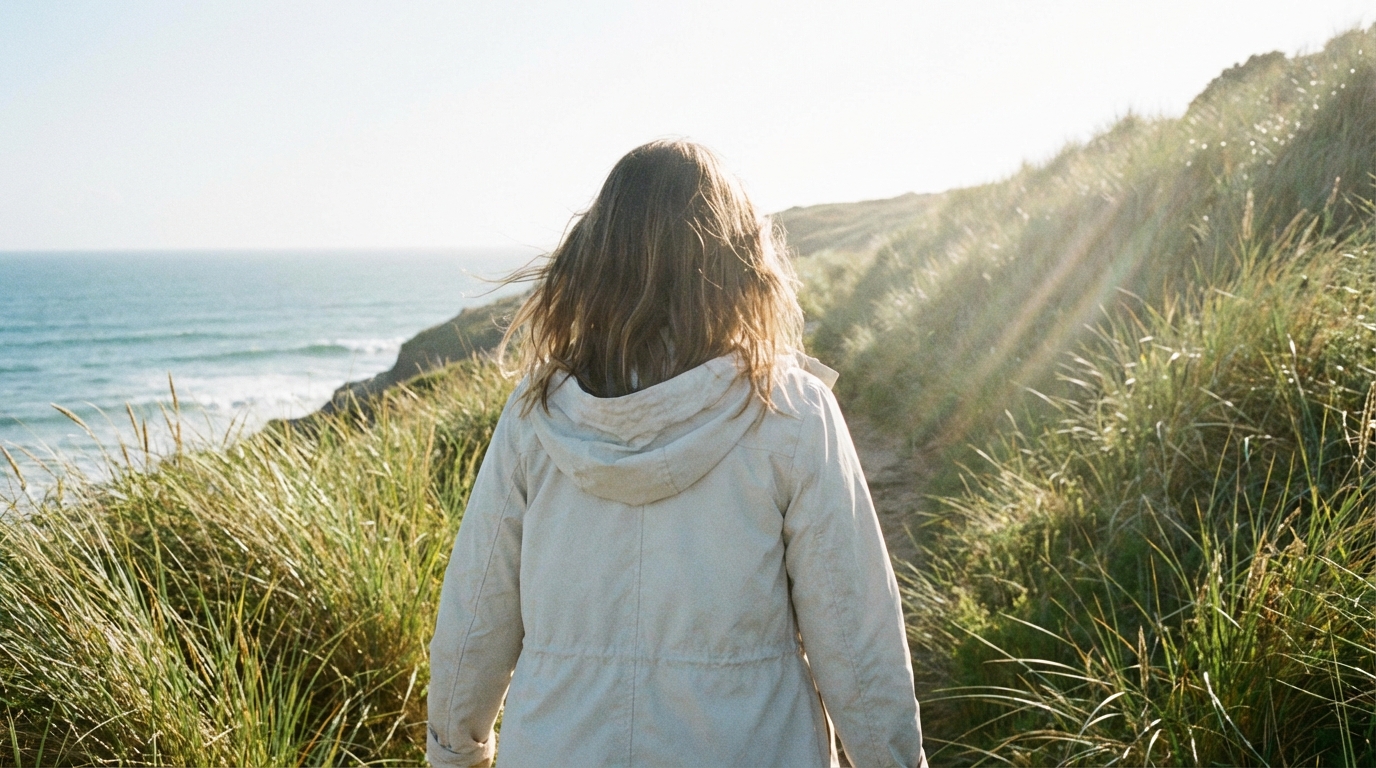
Sleep quality is shaped by many daily habits, and time spent outdoors plays a quiet but important role. Fresh air and natural surroundings affect the body in ways that help regulate sleep cycles, also known as circadian rhythms. These effects come from a mix of light exposure, movement, temperature changes, and cleaner airflow. Understanding how outdoor exposure supports better sleep can help people make small, practical choices that fit into everyday life.
Modern routines often limit time outside, especially for people who work indoors or rely on artificial lighting for most of the day. This can confuse the body’s natural signals for wakefulness and rest. Fresh air, paired with daylight and gentle activity, sends clear cues that help the brain know when to feel alert and when to wind down. Over time, these cues can improve both how fast sleep begins and how restful it feels.
The connection between fresh air and sleep cycles
Sleep cycles follow a roughly 24-hour rhythm that responds to the environment. Fresh air supports this rhythm by working alongside light exposure and daily movement patterns. When the body experiences natural outdoor conditions, it receives stronger signals about the time of day. These signals help align internal clocks that control sleep, hormones, and body temperature.
Indoor environments can weaken these signals because they often have stale air, constant temperatures, and artificial lighting. Outdoor air changes throughout the day, which helps the body sense transitions from morning to evening. This natural variation encourages a healthier rhythm that supports deeper sleep at night. Over time, consistent exposure can make sleep patterns more stable.
Natural light exposure and circadian timing
Daylight is one of the strongest influences on sleep cycles, and outdoor exposure provides the most effective form of it. Sunlight helps regulate the release of melatonin, a hormone that signals the body to prepare for sleep. When daylight reaches the eyes during the morning and afternoon, melatonin production is delayed until evening. This makes it easier to fall asleep at night and wake up feeling refreshed.
Indoor lighting is often too dim during the day and too bright at night, which can confuse the body. Fresh air usually comes with natural light that changes in intensity and color as the day goes on. These changes reinforce a clear boundary between day and night. As a result, the body learns to expect sleep at the right time.
Morning light and its role in sleep onset
Morning outdoor light is especially important for setting the daily sleep schedule. Exposure to sunlight early in the day tells the brain that it is time to be alert and active. This early signal helps shift the entire sleep cycle earlier, making it easier to fall asleep at night. Even short periods outside can have a noticeable effect.
Fresh air in the morning often comes with cooler temperatures and higher oxygen levels, which can further increase alertness. This combination helps the body fully wake up and start the day with energy. Over time, a consistent morning routine outdoors can reduce grogginess and nighttime restlessness.
Afternoon light and maintaining balance
Spending time outdoors in the afternoon helps maintain the strength of the circadian rhythm. Afternoon light reinforces the message that daytime is still active, preventing early melatonin release. This keeps energy levels steady without relying on caffeine or artificial stimulants.
Fresh air during this time can also reduce mental fatigue. A brief walk or outdoor break helps reset attention and mood. These benefits support better sleep later by reducing stress and mental overload in the evening.
Air quality and oxygen levels
Fresh air often contains higher oxygen levels and fewer indoor pollutants. Breathing cleaner air supports better circulation and brain function, both of which are important for healthy sleep. When the body receives enough oxygen during the day, it can relax more easily at night. This can lead to fewer nighttime awakenings.
Indoor air may contain dust, chemicals, and allergens that irritate the airways. These irritants can cause subtle breathing discomfort that affects sleep quality. Outdoor exposure, especially in green or open areas, can give the respiratory system a break. This supports smoother breathing during sleep.
Ventilation and nighttime breathing
People who spend time outdoors often notice easier breathing at night. Fresh air helps clear nasal passages and reduce congestion. This is especially helpful for light snorers or people sensitive to dry indoor air. Better breathing supports deeper sleep stages.
While outdoor air quality varies by location, many environments offer cleaner air than closed indoor spaces. Even short exposures can refresh the respiratory system. This makes the body more comfortable during rest.
Physical activity in outdoor environments
Outdoor exposure often includes some level of physical movement, even if it is light. Walking, stretching, or standing outside encourages gentle activity that supports sleep. Physical movement helps regulate energy use and body temperature, both of which influence sleep onset. Activity during daylight hours also increases the body’s need for rest at night.
Outdoor activity feels less forced than indoor exercise for many people. Natural surroundings can make movement feel easier and more enjoyable. This increases the chance of consistent daily activity, which is important for long-term sleep health.
Moderate movement and sleep depth
Moderate outdoor movement helps the body build healthy sleep pressure. Sleep pressure is the natural drive to sleep that increases the longer a person stays awake. When movement is paired with fresh air, this pressure builds in a balanced way. The result is often deeper and more restorative sleep.
Outdoor activity also helps reduce excess energy that can lead to restlessness. People who move during the day are less likely to feel wired at bedtime. This supports smoother transitions into sleep.
Temperature changes and body regulation
Outdoor environments expose the body to natural temperature changes. These changes help train the body to regulate heat more effectively. Body temperature naturally drops in the evening to prepare for sleep. Experiencing warmer days and cooler evenings outdoors supports this pattern.
Indoor environments often stay the same temperature all day. This can dull the body’s ability to sense when it is time to rest. Fresh air, especially in the late afternoon or early evening, helps signal the approach of nighttime. This makes the natural temperature drop more noticeable.
Cooler air and relaxation
Cooler outdoor air can have a calming effect on the nervous system. It encourages slower breathing and muscle relaxation. These changes make it easier to unwind before bed. Even brief exposure can set the stage for a calmer evening.
Spending time outside as temperatures begin to drop can support a smoother transition into nighttime routines. This is especially helpful during warmer months when indoor spaces may feel stuffy. The contrast helps the body prepare for rest.
Mental health, stress, and outdoor exposure
Fresh air and natural settings are strongly linked to reduced stress. Lower stress levels make it easier to fall asleep and stay asleep. Outdoor exposure can reduce tension by offering mental breaks from screens and constant noise. This creates space for the mind to slow down.
Stress hormones interfere with sleep by keeping the body alert. Time outdoors helps reduce these hormones naturally. Over time, this can lead to more consistent and restful sleep patterns.
Calming effects of natural surroundings
Natural environments tend to feel less demanding on attention. Trees, sky, and open spaces allow the mind to relax without effort. This mental rest supports emotional balance and improves sleep quality. It becomes easier to let go of daily worries at bedtime.
Fresh air often comes with gentle sounds like wind or distant birds. These sounds can be soothing and help the nervous system shift toward relaxation. This effect supports smoother sleep onset.
Timing and duration of outdoor exposure
The benefits of fresh air depend partly on when and how long exposure occurs. Morning and early afternoon exposure have the strongest effects on sleep cycles. These times provide bright light and support alertness without interfering with nighttime rest. Consistency matters more than long durations.
Short, regular periods outdoors can be more effective than occasional long outings. Even 10 to 30 minutes can support circadian health. The key is making outdoor exposure a daily habit that fits into existing routines.
Evening exposure and balance
Outdoor time in the early evening can be helpful if it involves calm activities. Fresh air and cooler temperatures can support relaxation. However, bright light late at night may delay melatonin release. Choosing shaded or low-light settings helps avoid this issue.
Balancing outdoor exposure across the day supports better sleep timing. The goal is to strengthen daytime signals without overstimulating the body at night. Thoughtful timing makes a noticeable difference.
Urban and rural differences
The experience of fresh air varies between urban and rural settings. Rural areas often offer cleaner air and quieter environments. These conditions can make the benefits of outdoor exposure more noticeable. However, urban environments can still support better sleep with thoughtful choices.
Parks, tree-lined streets, and open rooftops provide valuable outdoor spaces in cities. Even brief exposure in these areas can support circadian rhythms. The presence of greenery helps reduce noise and air pollution effects.
Making the most of limited outdoor space
Urban residents may need to be intentional about finding fresh air. Short walks, open windows during safe hours, or time on balconies can help. These small exposures still provide light and airflow benefits. Consistency remains the most important factor.
Choosing quieter times of day can reduce stress and noise exposure. Early mornings often offer calmer conditions. These moments can support better sleep later.
Seasonal changes and sleep support
Seasons affect daylight length, temperature, and air quality. These changes influence how fresh air supports sleep cycles. In summer, longer daylight hours require careful timing to avoid late-night stimulation. In winter, limited daylight makes outdoor exposure even more important.
Adapting outdoor habits to the season helps maintain sleep health year-round. This may involve adjusting timing, clothing, or activity levels. Flexibility supports consistent circadian cues.
Winter light and fresh air
Winter days often provide less natural light, which can weaken sleep signals. Outdoor exposure during daylight hours becomes especially valuable. Even cold air can be refreshing and energizing. This helps maintain alertness during the day.
Fresh winter air is often crisp and clean, which can support breathing. Short, regular outings can make a difference. These habits support sleep despite shorter days.
Practical ways to increase outdoor exposure
Adding fresh air to daily life does not require major changes. Simple adjustments can increase outdoor time naturally. These choices support sleep without adding stress or complexity. Small habits often lead to lasting benefits.
Consider everyday opportunities to step outside. These moments can fit into existing routines. Over time, they strengthen sleep-supporting signals.
The following examples show easy ways to add more fresh air to the day:
- Taking short walks in the morning or afternoon.
- Spending breaks outside instead of indoors.
- Eating meals outdoors when possible.
- Opening windows to increase airflow during safe conditions.
- Choosing outdoor activities for relaxation.
Each of these options supports exposure to light, air, and gentle movement. The combined effect strengthens circadian rhythms. Consistent use of these habits can lead to better sleep quality over time.
Safety and environmental considerations
While fresh air supports sleep, safety should always come first. Air quality, weather, and personal health conditions matter. Checking local air quality reports helps avoid exposure to pollution or allergens. Choosing safe times and locations ensures positive effects.
Weather conditions also influence comfort and safety. Proper clothing and hydration support enjoyable outdoor time. Comfort encourages consistency, which is key for sleep benefits.
Air quality awareness
On days with poor air quality, outdoor exposure should be limited. Pollution can irritate the lungs and counteract benefits. Seeking cleaner times of day or greener areas helps reduce risk. Awareness supports healthy choices.
Indoor alternatives, like opening windows during cleaner hours, can help. Balancing exposure protects respiratory health. This ensures fresh air remains a positive influence.
Fresh air and different age groups
Fresh air supports sleep across all ages, though needs may differ. Children benefit from outdoor play that supports strong sleep pressure. Adults often gain stress relief and circadian balance. Older adults may experience improved sleep timing and depth.
Outdoor exposure supports healthy routines at every life stage. Adjusting activity level and timing ensures comfort and safety. These tailored approaches maximize benefits.
Children and outdoor routines
Children naturally respond well to outdoor environments. Fresh air and play help regulate energy and mood. This supports easier bedtimes and longer sleep duration. Regular outdoor time also supports overall development.
Daytime exposure to light helps children maintain healthy sleep schedules. Consistent routines strengthen these effects. Outdoor habits become part of healthy sleep hygiene.
Common misconceptions about fresh air and sleep
Some believe fresh air only matters at night, but daytime exposure is more important. Sleep cycles respond most strongly to daylight cues. Another misconception is that long outdoor sessions are required. In reality, short and consistent exposure works well.
There is also a belief that indoor air conditioning replaces the need for fresh air. While it controls temperature, it does not provide natural light or airflow variation. Understanding these differences helps set realistic expectations.
Balancing indoor comfort and outdoor benefits
Indoor comfort is important, especially for rest and recovery. However, it should not replace outdoor exposure entirely. A balance between indoor and outdoor environments supports healthy sleep. Each plays a different role.
Fresh air complements indoor comfort by providing natural cues. These cues help the body know when to be awake and when to rest. Together, they support better sleep cycles.