
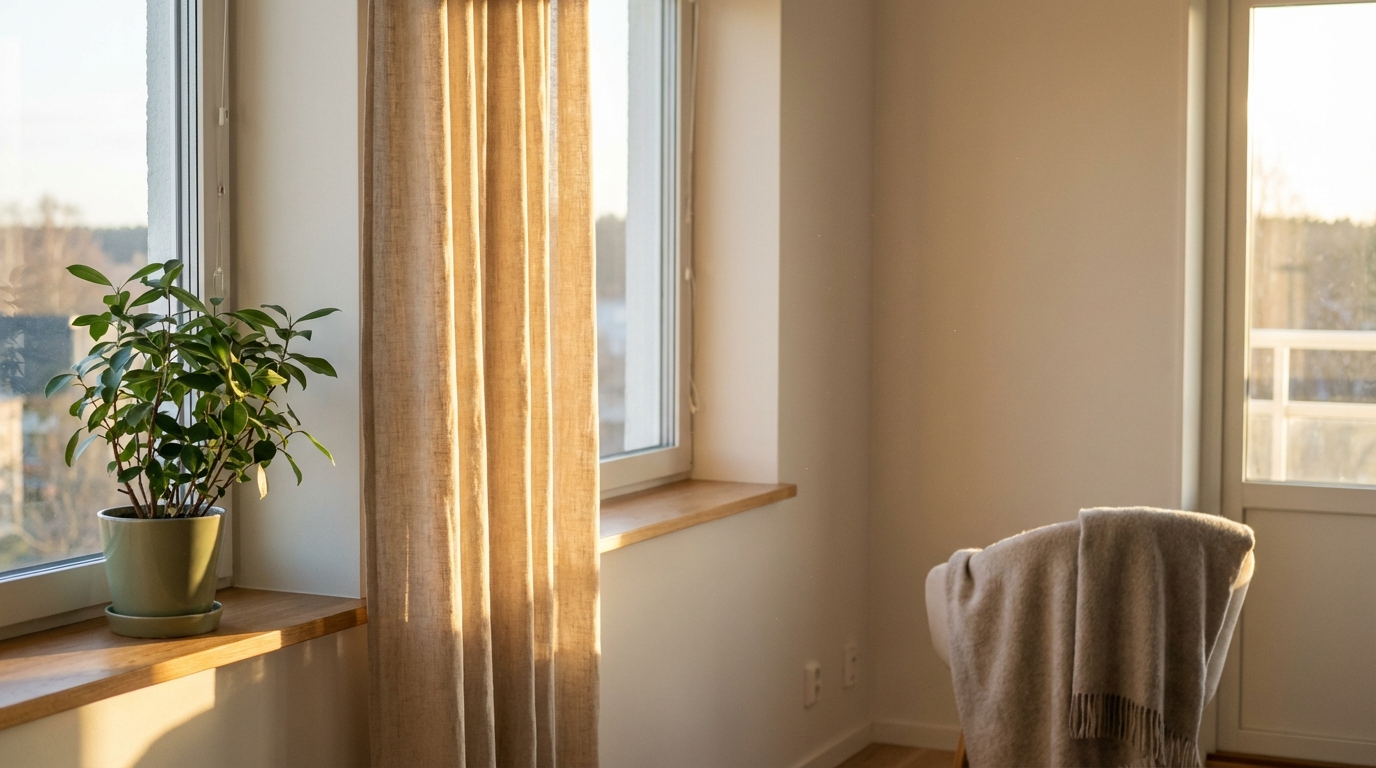
Dust is one of the most common and least understood features of indoor living. It settles on shelves, floats in sunbeams, and gathers in corners even in homes that are cleaned often. Many people think dust is just dirt from outside, but it is actually a complex mix of tiny particles from many sources. Understanding how dust builds up inside a home makes it easier to manage and reduce it over time.
Indoor dust is not a single substance. It is a blend of materials that enter the home from outdoors and particles that are created inside every day. These particles vary in size, shape, and weight, which affects how long they stay in the air and where they settle. Some dust is visible as gray buildup on surfaces, while much of it remains invisible and floats through indoor air.
What Dust Is Made Of
Household dust is made up of a wide range of particles that come together in indoor spaces. Some of these particles are natural, while others are created by human activity. The mix can differ from home to home depending on location, building materials, and daily habits.
Common components of dust include tiny flakes of human skin, fibers from clothing and furniture, soil tracked in from outside, and particles released by building materials. Pollen, pet dander, and fragments of insects also contribute to dust. In many homes, dust contains microscopic plastic particles from synthetic fabrics and household items.
Organic and Inorganic Particles
Dust is often described as a mix of organic and inorganic matter. Organic particles come from living things, such as skin cells, hair, pollen, and pet dander. These particles are lightweight and can stay airborne for long periods before settling.
Inorganic particles include soil, minerals, and tiny fragments of paint or plaster. These are often heavier and tend to settle more quickly on floors and flat surfaces. The balance between organic and inorganic dust depends on how much outdoor air enters the home and how active the indoor environment is.
How Outdoor Dust Enters the Home
Even with doors and windows closed, outdoor dust finds its way indoors. Air movement, foot traffic, and ventilation systems all play a role in bringing outside particles into living spaces. Homes located near roads, construction sites, or open land often experience higher levels of outdoor dust.
Outdoor dust is not always visible when it enters the home. Tiny particles can ride air currents through small gaps around doors, windows, and vents. Once inside, these particles mix with indoor dust and settle on surfaces over time.
Foot Traffic and Shoes
One of the most direct ways outdoor dust enters a home is through shoes. Soil, sand, and fine debris stick to the soles of shoes and are carried inside with every step. These particles then fall onto floors and carpets, where they can be ground into smaller pieces.
Over time, this tracked-in dust spreads beyond entryways. Walking, vacuuming, and air movement lift these particles back into the air, allowing them to settle throughout the home. This is why entry mats and shoe-free policies can significantly reduce indoor dust.
Windows, Doors, and Air Leaks
Small gaps around windows and doors allow outdoor air to enter a home. Along with fresh air, this airflow carries dust, pollen, and other particles. Older homes or buildings with poor sealing tend to allow more dust inside.
Even tiny cracks can make a difference over time. As air pressure changes throughout the day, outdoor air is pulled in and pushed out, bringing dust along with it. Weather conditions like wind and dry air can increase the amount of dust entering through these gaps.
Indoor Sources of Dust
Many of the largest contributors to household dust come from inside the home itself. Everyday activities release particles into the air without being noticed. These particles gradually settle and become part of the dust that builds up on surfaces.
People, pets, furniture, and household items all play a role in indoor dust creation. The more activity inside a home, the more dust is generated. Homes with more occupants or frequent movement tend to accumulate dust more quickly.
Human Skin and Hair
Humans constantly shed tiny flakes of skin, often called skin cells or dander. These flakes are very small and light, making them easy to spread through the air. Hair fragments also break off and contribute to dust buildup.
Most skin-related dust is invisible to the eye, but it adds up quickly. In homes with multiple people, this source alone can make up a large portion of indoor dust. Bedrooms and living areas often have higher concentrations because of prolonged use.
Pets and Pet-Related Dust
Pets add another layer of dust to indoor spaces. Fur, feathers, dander, and dried saliva particles all become part of household dust. Pets that go outdoors can also bring in soil and pollen on their paws and coats.
Pet bedding, toys, and scratching surfaces release fibers and particles as they wear down. These materials break apart over time and mix with other dust in the home. Regular grooming and cleaning of pet areas can help reduce this source.
Furniture, Fabrics, and Household Items
Many common household items slowly break down and release tiny particles into the air. Fabrics and soft furnishings are especially important contributors. Every time someone sits, lies down, or moves, small fibers are released.
Hard surfaces also contribute to dust in less obvious ways. Paint, finishes, and surface coatings can degrade over time, adding fine particles to the indoor environment. These materials become part of dust even in well-maintained homes.
Textiles and Upholstery
Clothing, curtains, carpets, and upholstered furniture shed fibers as they age and are used. Synthetic fabrics, in particular, release very small fibers that can remain airborne. These fibers often make up a large portion of visible dust.
Carpets act like dust collectors, trapping particles deep within their fibers. Walking across carpeted floors can release these trapped particles back into the air. This cycle allows dust to move from floors to furniture and other surfaces.
Paper, Cardboard, and Stored Items
Paper products such as books, magazines, and cardboard boxes slowly break down over time. As they age, they release fine particles that add to dust levels. Stored items that are rarely disturbed can quietly contribute to long-term dust buildup.
Closets, shelves, and storage rooms often have higher dust levels because air circulation is limited. When these areas are opened or cleaned, accumulated dust can spread to other parts of the home. Proper storage and occasional cleaning help manage this source.
Building Materials and Home Age
The materials used to build and finish a home influence how much dust it produces. Older homes often generate more dust because materials naturally wear down over time. Newer homes can also produce dust, especially during the first years after construction.
Walls, ceilings, and floors are not completely stable. Small vibrations, temperature changes, and everyday use cause materials to shed microscopic particles. These particles become part of the indoor dust environment.
Paint, Plaster, and Drywall
Painted surfaces slowly degrade as they age. Tiny paint particles can flake off and become airborne, especially in areas with frequent temperature changes. Plaster and drywall can also release fine dust when they crack or settle.
Renovations and repairs greatly increase this type of dust. Even small projects can release large amounts of fine particles that spread throughout the home. Without proper containment, this dust can linger long after the work is done.
Wood and Flooring Materials
Wood floors, cabinets, and furniture release fine particles as they wear. Scratches, movement, and changes in humidity all contribute to this process. Engineered wood and laminate floors can also shed materials from their surface layers.
Flooring dust tends to settle close to the ground but can be stirred up by walking and cleaning. Over time, these particles migrate to higher surfaces and mix with other dust sources. Regular floor maintenance can help limit this spread.
Airflow and Dust Movement
Dust does not stay in one place. Airflow inside a home constantly moves particles from room to room. Heating, cooling, and natural air movement all influence where dust collects.
Understanding how air moves through a home helps explain why some areas get dustier than others. Corners, shelves, and areas with low airflow often become dust collection points.
Heating and Cooling Systems
Heating and cooling systems circulate air throughout a home, carrying dust with it. When systems turn on, settled dust can be lifted and redistributed. Filters capture some particles, but not all dust is removed.
Dirty or poorly fitted filters allow more dust to pass through the system. Ductwork can also collect dust over time and release it back into the air. Regular filter changes and system maintenance help reduce this effect.
Fans and Natural Air Currents
Ceiling fans, portable fans, and open windows create air movement that stirs up dust. Even gentle air currents can lift lightweight particles from surfaces. These particles then travel until they settle again.
Natural convection, caused by warm air rising and cool air sinking, also moves dust. This process happens constantly, even when no fans are running. As a result, dust slowly circulates throughout the home.
Humidity and Its Effect on Dust
Humidity levels influence how dust behaves indoors. Dry air allows particles to remain airborne longer, while humid air can cause dust to clump and settle. Seasonal changes often affect dust levels because humidity varies throughout the year.
Homes in dry climates or during winter heating seasons often feel dustier. Low humidity increases static electricity, which can cause dust to cling to surfaces and electronics.
Dry Air and Static Buildup
When indoor air is very dry, dust particles stay light and mobile. Static electricity attracts dust to screens, furniture, and walls. This makes dust more visible and harder to remove.
Dry air can also cause materials to shed more particles. Wood, fabrics, and skin all release more dust when moisture levels are low. Managing humidity can reduce this effect.
High Humidity and Settling Dust
Higher humidity causes dust particles to absorb moisture and become heavier. This makes them settle faster onto surfaces instead of staying airborne. While this can reduce airborne dust, it can lead to faster buildup on floors and furniture.
Excess humidity can also create other indoor air issues. Moist environments may encourage mold growth, which adds another type of particle to indoor dust. Balanced humidity is important for overall dust control.
Daily Activities That Create Dust
Many routine household activities create or spread dust without being obvious. Simple actions like walking, sitting, or cleaning can release particles into the air. Over time, these small actions contribute significantly to dust buildup.
The more active a home is, the more dust tends to circulate. Homes with children, pets, or frequent visitors often experience faster dust accumulation.
Cleaning and Rearranging
Cleaning can both remove and create dust. Dusting and vacuuming lift particles from surfaces, and some of these particles become airborne. Without proper tools, cleaning can spread dust instead of fully removing it.
Rearranging furniture and moving stored items releases dust that has settled over time. These particles can remain in the air for hours before settling again. Using slow, controlled movements helps reduce this effect.
Cooking and Indoor Activities
Cooking releases tiny particles into the air, especially when frying or baking. These particles mix with existing dust and can settle on nearby surfaces. Over time, this adds to overall dust levels in kitchens and adjacent rooms.
Hobbies like crafting, woodworking, or home repairs also create fine particles. Even activities such as folding laundry can release fibers into the air. Awareness of these sources helps in managing dust more effectively.
Ways to Reduce Dust Buildup
Reducing dust is about managing sources and controlling how particles move through the home. No home can be completely dust-free, but consistent habits can make a noticeable difference. Small changes often have a larger impact than expected.
Effective dust reduction focuses on entry points, cleaning methods, and indoor air quality. Combining several approaches works better than relying on a single solution.
Common strategies for reducing dust include the following actions:
- Using doormats and removing shoes at entrances to limit outdoor dust.
- Changing air filters regularly to capture airborne particles.
- Cleaning surfaces with damp cloths to trap dust instead of spreading it.
- Vacuuming with high-efficiency filters to reduce particle release.
- Managing indoor humidity to keep dust from staying airborne.
Each of these steps addresses a different part of the dust cycle. Together, they reduce how much dust enters the home, how much is created indoors, and how it moves through the air. Consistency is key, as dust is constantly being generated.
Why Dust Patterns Differ Between Homes
No two homes collect dust in exactly the same way. Location, lifestyle, building design, and maintenance habits all influence dust levels. Understanding these differences explains why some homes feel dustier than others.
Urban homes may collect more outdoor particles from traffic and pollution. Rural homes may have more soil and pollen in their dust. Even homes in the same neighborhood can vary based on how air flows and how spaces are used.
Layout and Room Use
Rooms that are used more often tend to collect dust faster. Living rooms and bedrooms usually have higher dust levels than guest rooms or storage areas. Open floor plans allow dust to travel more easily between spaces.
Rooms with more soft furnishings collect and release more fibers. Storage rooms with limited airflow can quietly accumulate dust over long periods. These patterns reflect how air and activity interact in each space.
Cleaning Frequency and Methods
How often and how thoroughly a home is cleaned affects dust buildup. Infrequent cleaning allows dust to settle and compact, making it harder to remove. Some cleaning methods are more effective at capturing dust than others.
Tools and techniques matter as much as frequency. Dry dusters can spread particles, while damp cleaning traps them. Over time, better methods lead to noticeably lower dust levels throughout the home.