
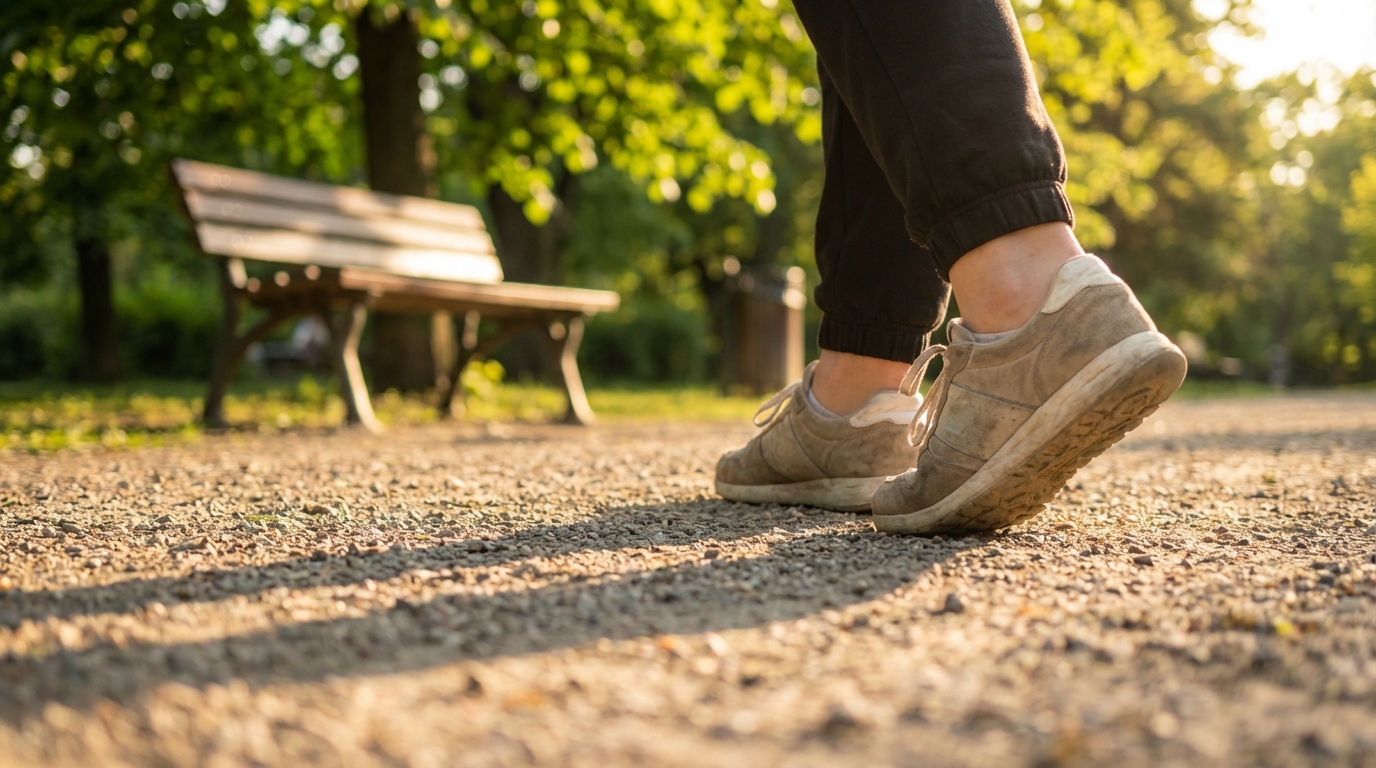
Daily steps are a simple habit with a powerful impact on joint health. Walking is a natural movement that most people can do without special equipment, yet it supports many structures inside the body that keep joints comfortable and strong. When steps add up across the day, joints receive steady, low-impact motion that helps them work as designed. Understanding how this happens makes it easier to value walking as a core part of long-term joint care.
Understanding Joints and Everyday Movement
Joints are the places where two or more bones meet, allowing the body to bend, twist, and move. They are supported by cartilage, ligaments, tendons, and muscles that work together to manage stress. Movement keeps these tissues active and responsive, while long periods of stillness can make them stiff. Walking provides repeated, gentle motion that joints can tolerate well.
Unlike high-impact exercise, walking spreads force evenly through the hips, knees, ankles, and feet. Each step cycles joints through a safe range of motion without sudden shocks. Over time, this regular movement supports joint comfort during daily tasks. It also helps joints adapt to routine demands like climbing stairs or standing from a chair.
How Walking Nourishes Joint Cartilage
Cartilage is the smooth tissue that covers the ends of bones inside a joint. It does not have its own blood supply, so it depends on movement to receive nutrients. Walking compresses and releases cartilage in a rhythmic way, helping nutrients move in and waste move out. This process supports cartilage health over the long term.
When steps are taken daily, cartilage experiences consistent, moderate loading. This is different from long periods of rest, which can reduce nutrient flow. Regular walking helps maintain cartilage thickness and resilience. While walking cannot reverse advanced damage, it can help slow wear and support remaining tissue.
Synovial Fluid and Joint Lubrication
Most movable joints contain synovial fluid, a thick liquid that reduces friction. Movement stimulates the production and circulation of this fluid. Walking is especially effective because it involves repeated cycles that gently warm and lubricate joints. This can make movement feel smoother and less stiff.
Daily steps help distribute synovial fluid across joint surfaces. As joints move, the fluid coats cartilage like oil on machinery. This lubrication supports comfort during motion and can reduce the feeling of grinding or tightness. Over time, well-lubricated joints often feel more ready for activity.
Muscle Strength and Joint Support
Muscles play a key role in protecting joints by absorbing force and guiding movement. Walking activates major muscle groups in the legs, hips, and core. As these muscles become stronger and more coordinated, they help stabilize joints. This reduces unnecessary strain on joint surfaces.
Strong muscles also help maintain proper alignment during movement. When muscles are weak or unbalanced, joints may track poorly, increasing stress. Daily steps encourage balanced use of muscles on both sides of the body. This balanced support can lower the risk of discomfort during routine activities.
Weight Management and Reduced Joint Load
Body weight directly affects joint stress, especially in weight-bearing joints like the knees and hips. Each extra pound can add several pounds of pressure with every step. Walking helps manage body weight by increasing daily energy use. Even modest weight changes can make a noticeable difference for joints.
Consistent walking supports a healthy balance between energy intake and use. Over time, this can reduce excess load on joints. Less load means less wear and tear during movement. For many people, this leads to improved comfort and endurance during daily life.
Improved Joint Alignment and Posture
Walking encourages the body to move in a coordinated, upright way. Good walking form supports proper alignment from the feet up through the spine. When alignment improves, joints share forces more evenly. This can reduce stress on any single joint.
Daily steps also reinforce awareness of posture. As people walk regularly, they often become more aware of how they stand and move. This awareness can carry into other activities, like sitting or lifting. Better posture throughout the day supports joint health beyond walking alone.
Maintaining Range of Motion Through Daily Steps
Range of motion refers to how far a joint can move in different directions. Without regular use, joints can gradually lose this ability. Walking takes joints through a natural range with each step. This helps maintain flexibility in the hips, knees, and ankles.
Regular movement keeps connective tissues from becoming tight. Over time, daily steps can make movements like bending or reaching feel easier. Maintaining range of motion supports independence and comfort as the body ages. Walking offers a practical way to keep joints moving without strain.
Inflammation, Circulation, and Joint Comfort
Low-grade inflammation can contribute to joint discomfort and stiffness. Walking improves circulation, which helps deliver oxygen and nutrients to tissues. Better circulation also supports the removal of inflammatory byproducts. This process can ease feelings of heaviness or soreness.
Daily steps promote a steady rhythm of movement and rest. This balance can help regulate the body’s inflammatory response. While walking is not a cure for inflammatory conditions, it can be a supportive habit. Many people notice that gentle movement feels better than complete rest.
Walking and Bone Health Around Joints
Bones provide the framework that joints rely on for stability. Weight-bearing activity like walking stimulates bone maintenance. This is important around joints, where strong bones help support cartilage and ligaments. Daily steps contribute to bone density over time.
Stronger bones can help joints handle everyday forces more effectively. This support becomes increasingly important with age. Walking offers a safe, accessible way to support both bones and joints together. The combined effect strengthens the entire movement system.
Balance, Coordination, and Joint Protection
Good balance and coordination help prevent falls and awkward movements that can injure joints. Walking challenges balance in a controlled way, especially on varied surfaces. Each step requires small adjustments that train the nervous system. Over time, this improves stability.
Improved coordination helps joints move smoothly and predictably. This reduces sudden twists or impacts that can cause pain. Daily steps support confident movement during daily tasks. Better balance also supports joint safety in busy or uneven environments.
How Many Steps Matter for Joint Health
The idea of a specific step count can be helpful, but joint health benefits come from consistency more than a single number. Even modest increases in daily steps can support joint movement and lubrication. The key is regular, comfortable walking that fits individual ability. Gradual progress allows joints to adapt safely.
Some people benefit from spreading steps throughout the day. Short walks can be just as helpful as one long session. This approach keeps joints from becoming stiff between periods of rest. It also reduces fatigue and supports steady joint care.
Step Volume and Joint Tolerance
Joints respond best to loads they are prepared for. Increasing steps too quickly can lead to soreness or irritation. A gradual increase allows tissues to adapt and become stronger. Paying attention to comfort helps guide safe progression.
Rest days or lighter days can be part of a healthy walking routine. These days give joints time to recover while still benefiting from movement. Listening to early signs of discomfort supports long-term joint health. Balance between activity and recovery is essential.
Safety Tips for Joint-Friendly Walking
Walking is generally safe, but simple habits can make it even more joint-friendly. Paying attention to comfort, environment, and equipment helps protect joints. Small adjustments can reduce unnecessary stress. The following considerations support safer daily steps.
- Choose supportive shoes that cushion impact and fit well.
- Walk on even surfaces when possible to reduce sudden twists.
- Warm up with a few easy steps before increasing pace.
- Use a comfortable stride rather than overstriding.
- Stop or slow down if sharp pain appears.
These tips help create a walking routine that joints can tolerate day after day. Supportive footwear and good surfaces reduce impact forces. A relaxed stride allows joints to move naturally. Attention to pain signals helps prevent minor issues from becoming bigger problems.
Footwear, Surfaces, and Their Impact on Joints
Shoes act as the first line of contact between the body and the ground. Proper footwear can absorb shock and support alignment. This reduces stress that travels up through the ankles, knees, and hips. Comfortable shoes make daily steps easier to maintain.
Walking surfaces also matter for joint health. Softer surfaces like tracks or packed dirt can reduce impact compared to hard concrete. However, consistency and safety are important. Choosing familiar, stable routes supports confident movement and joint comfort.
Daily Steps for Different Life Stages
Joint needs change across the lifespan, but walking remains valuable at every age. In younger adults, daily steps support joint development and resilience. In midlife, walking helps maintain mobility and manage stress on joints. The habit adapts well to changing schedules and abilities.
In older adults, walking supports independence and confidence. Gentle, regular steps help manage stiffness and maintain balance. Adjustments in pace or distance can keep walking comfortable. Across all stages, consistency remains the most important factor.
Walking With Existing Joint Conditions
Many people walk while managing conditions such as osteoarthritis. Walking can support joint lubrication and muscle strength when done at a comfortable level. It is often recommended as a low-impact option. Individual needs may vary based on joint sensitivity.
Using pain-free ranges and moderate pacing supports positive outcomes. Some people benefit from walking aids or supportive braces. These tools can reduce stress and improve confidence. Walking remains adaptable for many joint conditions.
Listening to Joint Signals
Joints often provide feedback through sensations like soreness or stiffness. Mild, short-lived discomfort may occur when starting a new routine. Persistent or sharp pain is a sign to adjust. Paying attention helps protect joint health.
Adjustments may include reducing distance, slowing pace, or adding rest. These changes support recovery while maintaining the habit. Over time, joints often adapt to regular walking. Awareness and flexibility are key.
Recovery, Rest, and Daily Movement Balance
Recovery is an important part of joint care. While daily steps encourage movement, rest allows tissues to repair. Alternating activity with rest supports healthy adaptation. Walking can be adjusted in intensity rather than stopped completely.
Light movement on rest days can help reduce stiffness. Gentle walking encourages circulation without overloading joints. This balanced approach supports comfort and consistency. Recovery works best when paired with regular, moderate movement.
Integrating Walking Into Daily Life
Daily steps do not need to come from structured exercise alone. Walking can be part of transportation, work breaks, or leisure. These natural opportunities add up over the day. Integrating steps into routines supports consistency.
Small choices, like taking stairs or short walks, contribute to joint movement. These moments reduce long periods of sitting. Frequent, brief walks keep joints active. This approach supports joint health without requiring extra time.
Tracking Steps and Staying Motivated
Tracking steps can increase awareness of daily movement. Simple tools like pedometers or phone apps provide feedback. Seeing progress can encourage consistency. Motivation supports long-term joint benefits.
Goals can be flexible and personal. Focusing on regular movement rather than perfection reduces pressure. Celebrating small increases supports habit formation. Consistency remains more important than hitting a specific number.
When Professional Guidance Is Helpful
Some situations call for professional advice. Ongoing pain, swelling, or changes in joint function should be evaluated. Health professionals can help tailor walking routines. Guidance supports safety and effectiveness.
Physical therapists can assess walking form and muscle balance. Small adjustments may improve comfort and efficiency. Professional input can support confidence in daily steps. This ensures walking remains a positive habit for joint health.