
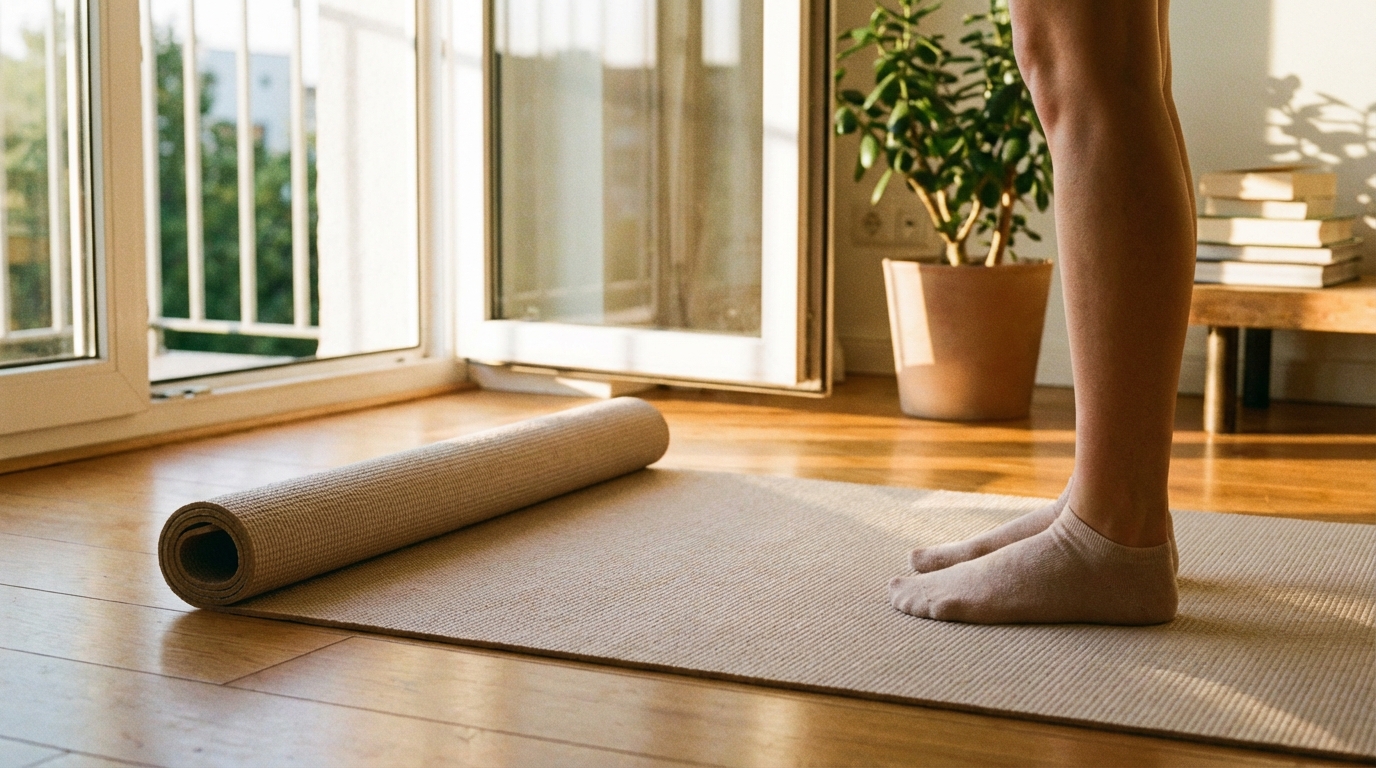
Daily routines shape how the body feels from morning to night. Simple, repeated habits can influence energy levels, comfort, digestion, focus, and overall physical balance. When routines are steady, the body has clear signals about what to expect, which can reduce stress and improve how systems work together. Small actions done consistently often matter more than occasional big changes.
Many people think of health as something managed only through medical care or major lifestyle shifts. In reality, everyday patterns like when meals are eaten, how often movement happens, and how sleep is protected play a major role in physical well-being. These habits support the body’s natural rhythms and help it recover from daily demands. Over time, routines can either support comfort or slowly drain energy.
The Body Thrives on Predictability
The human body is designed to follow patterns. Internal systems such as digestion, hormone release, and temperature regulation work best when they follow a regular schedule. Predictability allows these systems to prepare in advance, making everyday tasks feel easier and more natural.
When daily routines change constantly, the body must keep adjusting. This can lead to feelings of fatigue, discomfort, or restlessness. A steady rhythm does not mean doing the same thing every minute, but it does mean having general time frames that stay consistent. Over time, this predictability supports balance and smoother functioning.
Understanding the Internal Clock
The body has an internal clock, often called a circadian rhythm, that runs on a roughly 24-hour cycle. This clock influences sleep, energy, digestion, and even mood. Light exposure, meal timing, and activity levels all help set this clock each day.
When routines align with this internal timing, the body responds with better alertness during the day and deeper rest at night. Irregular schedules can confuse this system, making it harder to fall asleep or feel awake when needed. Simple habits like waking up at a similar time each day help keep this clock steady.
Morning Routines and Physical Readiness
The way the day begins often sets the tone for how the body feels hours later. Morning routines help transition the body from rest to activity in a smooth way. Without a clear start, the body may feel rushed or sluggish.
Consistent morning habits provide gentle signals that it is time to wake up and engage. These signals can be as simple as light exposure, hydration, or light movement. Over time, the body begins to respond more quickly and comfortably to the start of the day.
Waking Up at a Consistent Time
Waking up at the same time each day helps regulate sleep cycles. Even on weekends, similar wake times help maintain balance. This consistency supports hormone release that controls alertness and appetite.
Irregular wake times can make mornings feel harder than necessary. The body may still be in rest mode when activity is required. A steady wake-up routine reduces this mismatch and supports clearer thinking and physical comfort.
Gentle Movement in the Morning
Light movement after waking helps increase blood flow and loosen muscles. This can include stretching, walking, or simple mobility exercises. These actions signal to the body that it is time to shift into an active state.
Morning movement does not need to be intense to be effective. Gentle activity supports joint comfort and can reduce stiffness that builds during sleep. Over time, this habit can make mornings feel less rushed and more comfortable.
Daily Movement and Physical Comfort
Regular movement is one of the strongest supports for how the body feels. Movement helps muscles stay flexible, joints stay lubricated, and circulation stay efficient. Daily routines that include movement reduce the risk of discomfort caused by long periods of sitting or inactivity.
Movement does not have to mean formal exercise sessions every day. Simple actions repeated throughout the day can have a powerful effect. Consistent movement patterns help the body adapt and stay resilient.
Breaking Up Long Periods of Sitting
Sitting for long stretches can lead to stiffness, reduced circulation, and muscle fatigue. Short movement breaks help reset posture and support comfort. Standing, stretching, or walking for a few minutes can make a noticeable difference.
Daily routines that include regular breaks from sitting support better energy levels. These breaks remind the body to stay engaged and balanced. Over time, this habit can reduce common aches linked to sedentary patterns.
Consistent Activity at Similar Times
Doing physical activity at similar times each day helps the body prepare for movement. Muscles and joints warm up more easily when activity follows a familiar schedule. This can reduce the risk of strain and discomfort.
Consistent timing also supports motivation. When activity becomes part of a routine, it requires less mental effort to begin. This makes it easier to maintain over the long term.
Eating Patterns and Digestive Ease
What and when food is eaten affects how the body feels throughout the day. Regular eating patterns help digestion work more smoothly. When meals are unpredictable, digestion may feel rushed or delayed.
Daily routines around meals help the body prepare digestive enzymes and hormones. This preparation supports comfort, steady energy, and better nutrient use. Over time, regular patterns can reduce common digestive discomforts.
Regular Meal Timing
Eating meals at similar times each day helps regulate hunger and fullness signals. The body learns when to expect food and responds more efficiently. This can support steady energy and reduce sudden hunger spikes.
Skipping meals or eating at very different times each day can confuse these signals. Regular timing supports balance and makes it easier to notice natural hunger cues. This awareness can improve overall comfort.
Balanced Daily Eating Habits
Daily routines that include balanced meals support sustained energy. Including a mix of nutrients helps avoid sharp rises and drops in energy levels. This balance supports both physical and mental comfort.
When eating becomes rushed or inconsistent, the body may struggle to keep up. Calm, regular eating routines support better digestion. Over time, this can influence how the body feels after meals.
Hydration as a Daily Habit
Hydration plays a key role in physical comfort and energy. Water supports circulation, temperature control, and joint health. Daily routines that encourage regular hydration help the body function smoothly.
Waiting until thirst becomes strong can mean the body is already behind. Steady hydration throughout the day supports balance. Simple habits make this easier to maintain.
Drinking Water at Regular Intervals
Drinking small amounts of water regularly helps maintain fluid balance. This supports digestion, muscle function, and overall comfort. Regular intervals prevent the ups and downs linked to dehydration.
Routines such as drinking water with meals or after movement can support consistency. Over time, the body responds with steadier energy levels. This habit often improves how the body feels during daily tasks.
Sleep Routines and Physical Recovery
Sleep is when the body repairs and resets. Daily routines that protect sleep help muscles recover and systems rebalance. Without consistent sleep patterns, the body may feel strained or fatigued.
Sleep routines signal to the body when it is time to slow down. These signals help prepare both the mind and body for rest. Consistency is more important than perfection.
Consistent Bedtimes
Going to bed at a similar time each night helps regulate sleep cycles. This consistency supports deeper and more refreshing sleep. The body benefits from knowing when rest is coming.
Irregular bedtimes can make it harder to fall asleep. A predictable schedule helps reduce this struggle. Over time, this supports better morning energy and comfort.
Pre-Sleep Wind-Down Habits
Wind-down routines help the body transition from activity to rest. Dimming lights, reducing noise, and calming activities signal that sleep is approaching. These habits support relaxation.
When evenings are rushed or overstimulating, sleep may feel shallow. Calm routines help slow the body’s systems. This makes falling asleep easier and rest more effective.
Managing Daily Stress Through Routine
Stress affects the body as much as it affects the mind. Daily routines can help manage stress by creating moments of calm and control. Predictable habits reduce the number of decisions needed each day.
When routines are supportive, the body spends less time in a state of tension. This can improve muscle comfort, digestion, and energy. Simple stress-reducing habits make a noticeable difference over time.
Scheduled Breaks and Pauses
Planned breaks give the body a chance to reset. These pauses help lower physical tension and mental strain. Even short breaks can support balance.
Routines that include pauses prevent constant pressure. Over time, this reduces the physical effects of stress. The body responds with improved comfort and steadiness.
Relaxation Practices as Daily Habits
Relaxation does not need to be complicated. Breathing exercises, quiet moments, or gentle stretching can be part of daily routines. These habits signal safety and calm to the body.
When relaxation is routine, stress responses become less intense. This supports smoother physical functioning. Over time, the body learns to recover more quickly from stress.
The Role of Environment in Daily Routines
The physical environment influences how routines feel and how well they work. Light, noise, and organization all affect comfort and energy. Daily habits are easier to maintain in supportive spaces.
Simple changes to the environment can reinforce routines. These changes provide visual and physical cues that guide behavior. Over time, the body responds to these cues automatically.
Light Exposure and Energy
Natural light helps regulate the internal clock. Exposure to daylight during the morning and afternoon supports alertness. This makes daily routines feel easier to follow.
Reducing bright light in the evening supports sleep routines. These patterns help the body understand when to be active and when to rest. Light becomes a powerful routine cue.
Organized Spaces and Physical Ease
Cluttered spaces can add hidden stress. Organized environments support smoother movement and focus. This reduces physical tension linked to frustration or rushing.
Daily routines are easier to maintain when needed items are accessible. This supports a calmer pace and better comfort. Over time, the body benefits from reduced daily strain.
Consistency Over Perfection
Daily routines do not need to be perfect to be effective. Consistency matters more than strict rules. Small habits repeated often support the body better than occasional intense efforts.
When routines allow flexibility, they are easier to maintain. The body responds best to patterns that fit real life. This balance supports long-term physical comfort.
Adapting Routines to Changing Needs
The body’s needs change with age, activity level, and stress. Daily routines should adapt to these changes. Adjusting habits supports ongoing balance.
Rigid routines can create pressure. Flexible patterns allow the body to communicate its needs. This supports comfort and resilience.
Building Habits Gradually
Introducing routines slowly helps the body adjust. Gradual changes are easier to maintain and less stressful. This supports steady improvement in how the body feels.
Over time, small habits become automatic. The body responds with improved energy and comfort. These gradual routines create lasting support for physical balance.