
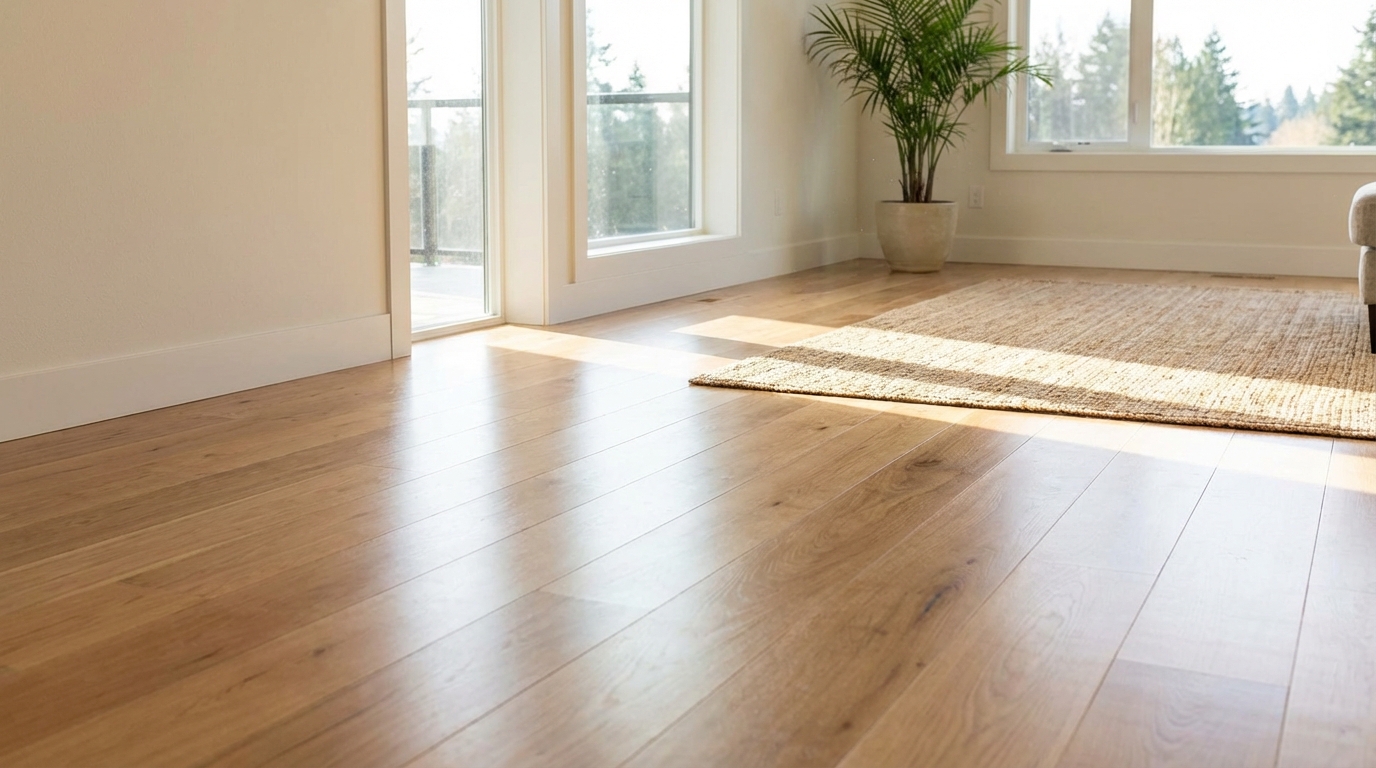
Clean floors play a quiet but powerful role in how comfortable an indoor space feels. While comfort is often linked to temperature, lighting, and furniture, the condition of the floors strongly affects indoor air and how people experience a room. Dust, allergens, and microscopic particles settle on floors throughout the day, and these materials can easily return to the air through movement. When floors are kept clean, the air tends to feel fresher, lighter, and easier to breathe.
Indoor comfort is closely tied to air quality because people spend many hours each day inside homes, offices, and public buildings. Floors cover a large surface area, which means they act as both collectors and distributors of airborne particles. Walking, vacuuming, or even opening a door can stir up what has settled on the floor. Understanding how clean floors support better indoor air helps explain why regular floor care contributes to comfort beyond simple appearance.
The Connection Between Floor Cleanliness and Indoor Air
Indoor air contains a mix of visible and invisible particles, many of which end up on floors over time. Dust from skin cells, fabric fibers, soil from outdoors, and tiny pollutants drift through the air and eventually settle downward. Floors become a reservoir for these materials, especially in high-traffic areas. When floors are not cleaned regularly, this buildup increases the amount of material that can be reintroduced into the air.
Air movement inside a building is constant, even when windows are closed. Heating and cooling systems, fans, and people moving around all create airflow that lifts particles from the floor. Clean floors reduce the amount of material available to be stirred up, which helps keep indoor air clearer. This ongoing interaction between floors and air explains why floor cleanliness directly affects how comfortable a space feels.
Dust and Fine Particles
Dust is one of the most common indoor air pollutants, and floors are one of its main collection points. Fine dust particles are light enough to become airborne again with simple activities like walking across a room. When floors are clean, there is less dust available to circulate, which can make the air feel cleaner and less irritating.
Over time, fine particles can build up in corners, under furniture, and along edges where they are less noticeable. These areas still contribute to air quality because airflow can reach them. Regular cleaning helps remove these hidden sources, supporting a more comfortable breathing environment throughout the entire room.
Allergens and Biological Materials
Floors also collect allergens such as pollen, pet dander, and dust mite debris. These materials can trigger discomfort even in people without diagnosed allergies. When allergens are present on floors, movement can lift them into the air, increasing exposure.
Clean floors limit the amount of allergenic material available to circulate. This can reduce sneezing, itchy eyes, and general irritation, which are all factors that affect how comfortable a space feels. By lowering allergen levels in the air, floor cleanliness supports a calmer and more pleasant indoor environment.
How Clean Floors Influence Perceived Comfort
Comfort is not only physical but also sensory, involving smell, sight, and even sound. Clean floors contribute to a sense of freshness that people often notice right away when entering a room. When the air feels lighter and smells neutral, a space is more inviting. This perception is closely linked to the absence of airborne particles and odors that originate from dirty floors.
Visual cues also play a role in comfort. Clean floors reflect light more evenly and do not show layers of dust or residue. This visual cleanliness reinforces the feeling that the air is healthy and the space is well cared for, which can positively affect mood and relaxation.
Odors and Air Freshness
Many indoor odors come from materials trapped on floors, such as food crumbs, moisture, or organic debris. These substances can break down and release smells into the air over time. Carpets and porous flooring types are especially likely to hold onto odor-causing particles.
When floors are cleaned properly, the sources of these odors are removed rather than masked. This results in air that smells neutral instead of perfumed, which is often more comfortable for people sensitive to fragrances. Fresh-smelling air contributes to a calm and pleasant indoor atmosphere.
Humidity and Air Feel
Dirty floors can interact with indoor humidity in ways that affect comfort. Dust and debris can absorb moisture, creating damp spots that support odors and microbial growth. These conditions can make the air feel heavy or stale.
Clean floors dry more evenly and do not trap moisture as easily. This helps maintain a balanced indoor environment where the air feels neither too dry nor too damp. A stable moisture balance supports comfortable breathing and overall indoor comfort.
Different Floor Types and Their Impact on Air
Not all floors affect indoor air in the same way. The material, texture, and construction of a floor influence how it collects and releases particles. Understanding these differences helps explain why cleaning methods and frequency matter.
Some floors trap particles deep within their fibers, while others allow particles to remain on the surface. Both situations can affect indoor air, but they require different approaches to maintain comfort. Cleanliness across all floor types remains a key factor in supporting better indoor air.
Carpeted Floors
Carpets are known for their ability to trap dust, allergens, and fine particles within their fibers. This can be beneficial in the short term because particles are removed from the air. However, without regular cleaning, carpets can become a large reservoir of contaminants.
When carpets are walked on or disturbed, trapped particles can be released back into the air. Proper vacuuming and deep cleaning reduce this effect, helping carpets support rather than harm indoor air comfort. Clean carpets can make a room feel quieter, warmer, and more comfortable overall.
Hard Surface Floors
Hard floors such as wood, tile, laminate, and vinyl do not trap particles as deeply as carpets. Dust and debris remain on the surface, where they are easily disturbed by movement. This means that dirty hard floors can quickly contribute to airborne particles.
Regular sweeping and mopping remove surface contaminants before they become airborne. Clean hard floors support clearer indoor air and can make a space feel crisp and fresh. Their smooth surfaces also make it easier to maintain consistent cleanliness.
Cleaning Methods and Indoor Air Quality
The way floors are cleaned has a direct effect on indoor air. Some methods remove particles effectively, while others may spread them around or add new pollutants. Choosing appropriate cleaning techniques supports comfort by improving air quality.
Cleaning tools, products, and schedules all play a role in how well floors contribute to a healthy indoor environment. When these elements work together, the result is air that feels easier to breathe and less irritating to the senses.
Vacuuming and Particle Removal
Vacuuming is a key method for removing dust and allergens from floors, especially carpets and rugs. High-quality vacuums can capture fine particles rather than releasing them back into the air. This helps reduce airborne dust levels during and after cleaning.
Regular vacuuming prevents buildup that can otherwise become a long-term source of indoor air pollution. Attention to edges, corners, and under furniture improves results. Consistent particle removal supports ongoing comfort in indoor spaces.
Mopping and Surface Cleaning
Mopping removes residues that sweeping alone can leave behind. Damp cleaning methods help capture fine dust instead of pushing it into the air. This is especially important for hard floors, where particles easily become airborne.
Using appropriate amounts of water and cleaning solution prevents excess moisture. Proper mopping leaves floors clean and dry, supporting balanced indoor humidity. This contributes to air that feels fresh and comfortable.
Cleaning Schedules and Consistency
How often floors are cleaned matters just as much as how they are cleaned. High-traffic areas collect contaminants faster and need more frequent attention. Inconsistent cleaning allows buildup that can affect indoor air over time.
A regular schedule keeps particle levels low and manageable. This consistency helps maintain stable indoor air conditions, which supports comfort throughout the day. Predictable cleanliness also reduces sudden spikes in airborne dust.
Health-Related Comfort Benefits
Comfort is closely linked to how the body responds to the indoor environment. When air is filled with irritants, even mild ones, people may feel tired, uncomfortable, or distracted. Clean floors help reduce these irritants at their source.
By supporting cleaner indoor air, floor cleanliness can ease everyday discomforts. This includes dry throats, itchy skin, and mild headaches that are often linked to poor air quality. A more comfortable body response improves overall indoor experience.
Breathing Comfort and Sensitivity
Some people are more sensitive to airborne particles than others. Fine dust and allergens can irritate the airways, even at low levels. Clean floors help keep these particles out of the air, supporting easier breathing.
Spaces with clean floors often feel more open and less stuffy. This perception is tied to smoother breathing and reduced irritation. Improved breathing comfort allows people to relax and focus more easily indoors.
Sleep and Relaxation
Indoor air quality affects sleep quality, especially in bedrooms where people spend many hours without much movement. Dust and allergens on floors can become airborne at night through subtle air currents. Clean floors help keep bedroom air calmer.
Air that feels clean and neutral supports deeper relaxation. This can make it easier to fall asleep and stay comfortable through the night. Floor cleanliness quietly contributes to a more restful indoor environment.
Seasonal Factors and Floor Cleanliness
Seasonal changes affect what enters a building and settles on floors. Weather, outdoor activities, and heating or cooling systems all influence indoor air and floor contamination. Adjusting floor care to the season helps maintain comfort year-round.
Each season brings different particles and challenges. Clean floors help manage these changes by reducing the amount of material that can affect indoor air. Seasonal awareness supports consistent indoor comfort.
Cold Weather and Indoor Heating
During colder months, heating systems circulate air more frequently. This movement can lift dust from floors and spread it throughout indoor spaces. Dirt and salt tracked in from outdoors also add to floor contamination.
Regular floor cleaning during winter helps control these particles. Cleaner floors reduce the load on indoor air, making heated spaces feel less dry and dusty. This improves comfort when windows are closed for long periods.
Warm Weather and Open Air
In warmer seasons, open windows and doors allow outdoor particles like pollen and soil to enter. These materials quickly settle on floors and become part of the indoor environment. Increased foot traffic can also bring in more debris.
Maintaining clean floors during warm months helps manage these inputs. By removing outdoor particles promptly, indoor air remains more stable. This supports comfort even when indoor and outdoor air mix more freely.
Everyday Habits That Support Clean Floors
Floor cleanliness is influenced by daily habits as much as by formal cleaning. Small actions can significantly reduce the amount of material that ends up on floors. These habits indirectly support better indoor air and comfort.
Consistent practices help prevent buildup before it starts. When less debris reaches the floor, less can become airborne. Simple routines contribute to long-term indoor comfort.
Shoes and Outdoor Debris
Shoes track in soil, dust, and pollutants from outside. These materials settle on floors and can later become airborne. Reducing shoe use indoors limits the amount of contamination introduced.
Cleaner floors result when outdoor debris is stopped at the entrance. This helps keep indoor air clearer and reduces cleaning demands. The indoor environment feels more controlled and comfortable.
Pets and Floor Care
Pets contribute hair, dander, and outdoor particles to floors. These materials can affect indoor air if they are allowed to accumulate. Regular floor cleaning helps manage pet-related contaminants.
When floors are kept clean, pet-friendly spaces feel fresher. Air quality improves, benefiting both people and animals. Comfort increases when pet-related particles are kept under control.
Clean Floors in Work and Public Indoor Spaces
In offices, schools, and other shared spaces, floor cleanliness affects many people at once. High occupancy increases the amount of material that enters and settles on floors. Clean floors help maintain comfortable air for everyone.
Public indoor spaces often rely on consistent cleaning to support comfort. When floors are neglected, air quality can decline quickly. Clean floors contribute to a more pleasant and productive environment.
Offices and Productivity
In office settings, comfort supports focus and productivity. Dusty air can cause mild discomfort that distracts from tasks. Clean floors reduce airborne particles that interfere with concentration.
Air that feels fresh supports alertness throughout the day. Employees are more likely to feel comfortable and engaged. Floor cleanliness quietly supports a better working atmosphere.
Schools and Shared Buildings
Schools and shared buildings see constant movement, which stirs up floor contaminants. Children and adults are exposed to indoor air for long periods in these spaces. Clean floors help manage this exposure.
Improved air comfort supports attention and well-being. When floors are well maintained, indoor environments feel calmer and more welcoming. This benefits everyone who uses the space.
Recognizing the Impact of Floor Cleanliness on Air
Changes in indoor air comfort can often be traced back to floor conditions. Dusty surfaces, lingering odors, and visible debris are signs that floors may be affecting the air. Paying attention to these signals helps maintain comfort.
Clean floors often go unnoticed because the air simply feels right. When discomfort appears, floors are a logical place to look. Awareness of this connection supports better indoor care.
Visible and Sensory Indicators
Visible dust on floors or along edges suggests that particles are available to become airborne. Musty or stale smells can also point to contaminants trapped in flooring. These indicators often align with reduced air comfort.
Addressing floor cleanliness can improve these conditions quickly. As particles are removed, the air often feels lighter. Sensory improvements reinforce the importance of clean floors.
Supporting Tools and Practices
Simple tools like entry mats, proper cleaning equipment, and regular schedules support cleaner floors. These practices reduce the amount of material that affects indoor air. Consistency is key to maintaining comfort.
When tools are used correctly, they enhance the connection between clean floors and comfortable air. Indoor spaces feel easier to occupy for long periods. Floor care becomes an ongoing part of indoor comfort management.
Environmental Considerations and Floor Cleaning
Floor cleanliness and environmental responsibility can support each other. Cleaning methods that reduce indoor pollutants while minimizing harsh chemicals benefit both comfort and sustainability. This balance supports healthier indoor air.
Thoughtful choices in cleaning products and practices affect what enters the air. Floors cleaned with care contribute to a more natural-feeling indoor environment. Comfort improves when air is free from unnecessary irritants.
Low-Impact Cleaning Products
Some cleaning products release strong scents or chemicals into the air. These substances can reduce comfort even if the floor looks clean. Choosing milder options helps protect indoor air quality.
Clean floors achieved without harsh residues support a calmer air environment. The result is comfort that feels natural rather than artificial. Product choice becomes part of indoor air care.
Water Use and Drying
Excess water left on floors can affect humidity and air comfort. Damp floors may lead to odors or microbial growth. Proper water use and drying are important parts of floor cleanliness.
When floors are cleaned efficiently and dried fully, indoor air remains balanced. This supports a comfortable environment without added moisture. Careful practices maintain the link between clean floors and comfortable air.